Pickle Pizza Recipe
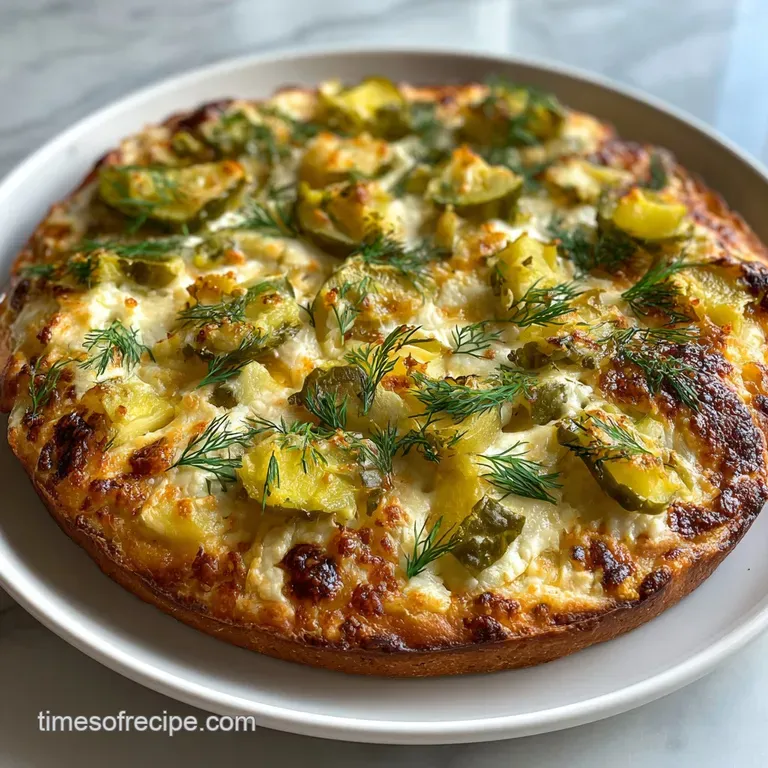
- Time: Active 10 minutes, Passive 10 minutes, Total 20 minutes
- Flavor/Texture Hook: Shatter crisp crust topped with tangy pickles and molten mozzarella.
- Perfect for: Adventurous game day snacks or a hearty Friday family dinner.
- Create a Hearty Homemade Pickle Pizza Recipe
- Essential Science for the Ultimate Tangy Crust
- Ingredient Deep Dive for Bold Flavors
- Essential Equipment for Golden Crusts
- Bringing Your Pizza Elements Together
- Executing the Perfect Briny Bake
- Solving Common Pizza Soggy Issues
- Hearty Variations and Creative Substitutions
- Debunking Pizza Topping Misconceptions
- Keeping Your Leftovers Boldly Fresh
- Best Sides for Briny Slices
- Critical Level of Sodium
- Recipe FAQs
- 📝 Recipe Card
Create a Hearty Homemade Pickle Pizza Recipe
Imagine the kitchen filling with the scent of toasted garlic and warm dill while the oven works its magic. The first time I pulled this pickle pizza recipe out of the heat, my family looked at me like I’d finally lost my mind.
Then they heard the crust shatter under the cutter, saw the velvety cheese pull, and everything changed. It is the ultimate comfort food for anyone who craves that specific vinegary zing.
We are moving past the standard red sauce here because this dish demands a creamy foundation to bridge the gap between dough and brine. Honestly, don't even bother with low-fat cheese for this one. You need the fat to stand up to the pickles.
We've spent years testing how to get that "fried pickle" vibe without the mess of a deep fryer, and we finally nailed the ratio.
This isn't just a snack, it's a satisfying meal that challenges everything you think you know about pizza toppings. Whether you're a die hard dill fan or just looking to shake up your routine, this recipe delivers a bold flavor profile that sticks with you.
Let's get into the specifics of why this combination actually makes sense for your palate.
Essential Science for the Ultimate Tangy Crust
The Science of Why it Works: The success of this dish relies on lipid acid balancing, where the heavy fats in the ranch dressing neutralize the sharp pH of the pickle brine. This prevents the dough from tasting overly sour while creating a creamy mouthfeel through emulsion stability.
- Hygroscopic Control: Salt in the pickle brine draws moisture out of the vegetable tissues, which is why we must pat them dry to prevent "weeping" onto the crust.
- Maillard Reaction: The sugars in the store-bought dough and the proteins in the mozzarella brown at 475°F, creating that signature toasted aroma and deep brown color.
- Protein Denaturation: As the mozzarella heats, its protein structure relaxes and flows, trapping the pickles in a secure, molten lattice.
- Lipid Barrier: Applying the ranch sauce first creates a fat rich barrier that prevents the pickle juice from soaking into the raw dough during the initial bake.
| Method | Time | Texture | Best For |
|---|---|---|---|
| over High heat Oven | 10 minutes | Shatter crisp edges | Authentic pizzeria feel |
| Cast Iron Skillet | 12 minutes | Fried bottom crunch | Extra hearty texture |
| Air Fryer | 8 minutes | Soft but charred | Quick personal portions |
When you are looking for a drink to match this bold profile, the briny notes in this Pickle Martini Recipe provide a sophisticated echo to the pizza's topping. It is a pairing that sounds wild until you actually try it during a weekend hangout.
Ingredient Deep Dive for Bold Flavors
| Ingredient | Science Role | Pro Secret |
|---|---|---|
| Pizza Dough | Starch structure | Use room temp dough to avoid "snap back" when stretching. |
| Ranch Dressing | Fat emulsion | Look for "high-quality" or refrigerated versions for better stability. |
| Pickle Brine | Flavor enhancer | Whisking it into the sauce distributes acidity without adding bulk. |
| Mozzarella | Moisture regulation | Low moisture part skim prevents a "soup" on top of your pizza. |
Choosing the right components is the difference between a soggy mess and a satisfying slice. I once used fresh, wet mozzarella for this, and the water from the cheese combined with the pickle juice to create a literal puddle. Stick to the low moisture blocks you grate yourself.
Essential Equipment for Golden Crusts
You don't need a masonry oven to get results that rival a professional shop, but you do need heat. A heavy duty baking sheet is fine, but if you have a pizza stone or a large cast iron skillet, now is the time to use it.
The goal is to transfer energy as fast as possible to the bottom of the dough to get that "shatter" effect.
A sturdy rolling pin helps, though I prefer using my hands to keep the air pockets in the crust intact. You will also want a very sharp circular cutter or a heavy bench scraper. If you use a dull knife, you'll just drag the pickles right off the cheese, and that's a tragedy we want to avoid.
Finally,, grab a stack of paper towels. This might be the most important "equipment" in the recipe. You are going to use them to squeeze every last drop of liquid out of those pickle chips before they touch the dough.
Bringing Your Pizza Elements Together
- 1 lb pizza dough: Room temperature Why this? Allows gluten to relax for a thinner, crispier crust.
- 1/2 cup high-quality ranch dressing: The base Why this? Provides the creamy fat needed to balance pickle acidity.
- 1 cup dill pickle chips: Pat them bone dry Why this? Prevents the "soggy center" syndrome common in pickle pizzas.
- 2 cups low moisture mozzarella: Shredded Why this? Melts evenly without releasing excess water.
- 2 cloves garlic: Minced Why this? Adds a savory depth that bridges ranch and pickles.
- 1 tbsp dill pickle brine: Whisked into sauce Why this? Distributes the "pickle" flavor through every single bite.
- 1 tsp dried dill weed: Added to sauce Why this? Concentrated herb flavor that survives over high heat baking.
- 1/4 cup Parmesan: Grated Why this? Adds a salty, umami rich finish to the crust edges.
- 1 tbsp fresh dill sprigs: Garnish Why this? Provides a bright, grassy contrast to the rich cheese.
- 1 tbsp cornmeal: For the pan Why this? Acts like ball bearings to keep the dough from sticking.
| Original Ingredient | Substitute | Why It Works |
|---|---|---|
| Ranch Dressing | Garlic Butter Sauce | Similar fat content. Note: Lacks the tang of ranch but tastes classic. |
| Dill Pickles | Pickled Jalapeños | Same acidity level. Note: Significantly increases the heat profile. |
| Pizza Dough | Flatbread/Naan | Pre baked structure. Note: Results in a much thinner, cracker like base. |
Executing the Perfect Briny Bake
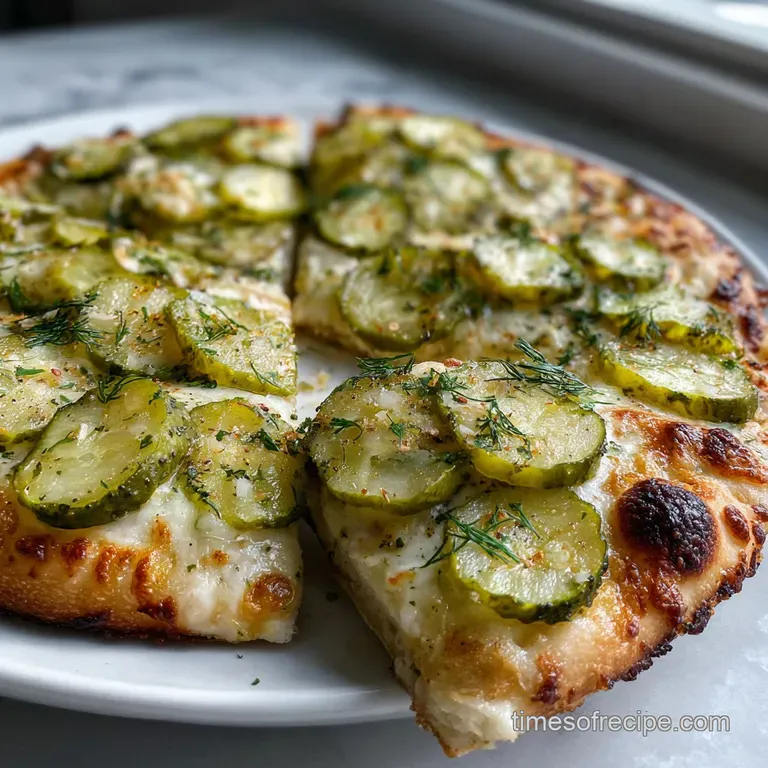
- Preheat your oven to 475°F (245°C) for at least 30 minutes. Note: This ensures the pan is screaming hot when the dough hits it.
- Stretch the room temperature dough into a 12 inch circle on a surface dusted with cornmeal.
- Whisk the ranch dressing, minced garlic, pickle brine, and dried dill together in a small bowl.
- Spread the ranch mixture evenly over the dough, leaving a 1 inch border for the crust to rise.
- Layer half of the mozzarella over the sauce to create a sticky foundation for the toppings.
- Arrange the dry pickle chips across the cheese in a single layer.
- Top with the remaining mozzarella and the Parmesan cheese.
- Slide the pizza onto the middle rack and bake 10 minutes until the cheese is bubbling and the crust is charred.
- Remove from the oven and let it rest for 3 minutes until the cheese sets slightly.
- Garnish with fresh dill sprigs and slice into hearty wedges.
If you enjoy the crispy, stuffed nature of this dish, you might find the technique similar to what I do with my Garbage Bread Recipe, where textures are layered inside dough for maximum flavor.
Solving Common Pizza Soggy Issues
Why Your Crust Is Soggy
The most common culprit is "pickle weeping." If the pickles aren't dried properly, the heat of the oven causes them to release juice directly into the dough. This creates a steamed, gummy layer between the cheese and the bread.
Always press your pickles between several layers of paper towels until no more moisture appears.
Why Your Sauce Is Breaking
If you use a very low-fat or "diet" ranch, the emulsion will break under high heat, leaving you with a greasy film and curdled solids. over High heat baking requires the stability of full fat dairy. If this happens, you can't really "fix" it once it's baked, but you can blot the oil with a paper towel.
| Problem | Root Cause | Solution |
|---|---|---|
| Pickles slide off | Chips are too thick | Use a mandoline for paper thin slices. |
| Bland flavor | No brine in sauce | Always whisk 1 tbsp of brine into the ranch base. |
| Bottom is doughy | Oven temp too low | Preheat to 475°F and use a dark metal pan. |
Common Mistakes Checklist:
- ✓ Forget to pat pickles dry (this is the number one fail).
- ✓ Using "fresh" mozzarella instead of low moisture blocks.
- ✓ Overloading the center with too many pickles.
- ✓ Skipping the preheat time for the baking sheet.
- ✓ Using cold dough straight from the fridge (it won't stretch).
Hearty Variations and Creative Substitutions
If you want to turn this into a spicy pickle pizza recipe, the secret isn't just hot sauce. I like to swap half of the dill pickles for "hot chips" or adding a heavy pinch of red pepper flakes to the ranch base.
The vinegar in the pickles actually amplifies the heat of the peppers, making it feel much spicier than it actually is.
For those craving a fried pickle pizza recipe vibe without the hassle, try tossing your dry pickle chips in a little bit of panko breadcrumbs and a dash of oil before placing them on the pizza.
As they bake, the panko browns and provides that distinct "breaded" crunch that makes fried pickles so addictive.
| Servings | Dough Amount | Sauce Amount | Pickle Count |
|---|---|---|---|
| 2 People | 1/2 lb | 1/4 cup | 1/2 cup |
| 4 People | 1.5 lbs | 3/4 cup | 1.5 cups |
| 6 People | 2 lbs | 1 cup | 2 cups |
If you're a fan of combining meaty textures with crispy dough, you'll see a similar flavor logic in our Cheesy Philly Cheesesteak recipe, where we balance rich meat with tangy accents.
Debunking Pizza Topping Misconceptions
One major myth is that pickles get "rubbery" when cooked. In reality, the high heat of the oven softens the cellulose in the pickles while the brine keeps them snappy. As long as you don't overbake, they maintain a satisfying "pop" when you bite into them.
Another misconception is that you need a red sauce base for it to be "real pizza." In many regional styles, especially in the Midwest, white sauces are the standard for heavier toppings. Red sauce often fights the vinegar of the pickles, creating a metallic aftertaste that ruins the dish.
Stick to the ranch or a garlic cream.
Keeping Your Leftovers Boldly Fresh
Storage: Store any leftover slices in an airtight container in the fridge for up to 4 days. Do not wrap them in foil alone, as the pickles can react with the metal and leave a strange taste.
Freezing: You can freeze these slices for up to 2 months. Wrap them individually in plastic wrap and then place them in a freezer bag. To reheat, go straight from the freezer to a 400°F oven for 8 minutes to restore the crunch.
Zero Waste Tip: Don't throw away that leftover pickle brine! Use it to marinate chicken breasts for tomorrow's dinner. The acid tenderizes the meat perfectly, and the dill flavor pairs wonderfully with a simple sear.
Best Sides for Briny Slices
Since this pizza is quite rich and tangy, you want sides that provide a cooling or neutral contrast. A simple green salad with a light lemon vinaigrette works wonders. However, if you're going for a full "pub night" feel, some crispy onion rings are the way to go.
The sweetness of caramelized onions in a side dish provides a beautiful counterpoint to the sharp pickles. This is the same reason why people often enjoy a side of slaw with fried fish. You want to dance between that bright acidity and a mellow, savory finish.
Whatever you choose, keep it simple the pizza is the star here.
Critical Level of Sodium
1983 mg mg of sodium per serving (86% % of daily value)
The American Heart Association recommends limiting sodium intake to about 2,300mg per day for overall cardiovascular health.
Tips to Reduce Sodium in Your Dill Pickle Pizza
-
Lower Sodium Cheese-20%
Opt for a fresh, low-sodium mozzarella instead of low-moisture, part skim mozzarella. Fresh mozzarella typically contains significantly less sodium. Consider reducing the quantity of Parmesan cheese, or using a low-sodium Parmesan alternative.
-
Reduced Sodium Pickles-15%
Look for dill pickle chips labeled as 'low sodium' or 'reduced sodium.' These pickles can significantly cut down on the overall sodium content of the pizza. Rinse the pickle chips with water before using to further reduce sodium.
-
Dilute Pickle Brine-10%
Pickle brine is a major source of sodium. Try diluting the 1 tbsp of dill pickle brine with an equal amount of water. Alternatively, consider using fresh dill and a small amount of vinegar to achieve a similar flavor profile with less sodium.
-
Low Sodium Ranch-10%
Many ranch dressings are high in sodium. Check nutrition labels and choose a low-sodium ranch dressing, or better yet, make your own homemade version using low-sodium ingredients.
-
Herb Power!
Emphasize flavor with fresh herbs and spices beyond dill. Experiment with garlic powder, onion powder, or other herbs and spices to enhance the taste without adding sodium.
Recipe FAQs
What goes on a pickle pizza?
A creamy, herb infused white sauce base with dill pickles and mozzarella. Typically, this involves a ranch dressing base mixed with garlic, dill, and pickle brine, topped with low-moisture mozzarella cheese and thinly sliced dill pickles. Some recipes also include Parmesan for extra flavor.
Do you put pickles on pizza before or after cooking?
Before cooking. Pickles are added as a topping before the pizza goes into the oven. This allows them to heat through and meld with the cheese and sauce, softening slightly while retaining a pleasant texture.
What exactly is pickle pizza?
A pizza topped with dill pickles and a creamy white sauce instead of traditional red sauce. It's an adventurous twist that plays on the popular flavor combination of pickles and creamy dips. The brine from the pickles infuses the toppings with a distinct tangy, savory note.
How do you keep pickle pizza from being soggy?
Thoroughly pat the pickles dry and use a low-moisture cheese. Excess moisture from pickles is the primary cause of sogginess. Ensure every drop of liquid is removed from the pickles using paper towels before topping the pizza.
Using block mozzarella that you shred yourself is also key, as pre-shredded cheeses often contain anti caking agents that affect meltability.
Can I use sweet pickles instead of dill?
No, stick with dill pickles for the signature flavor. Sweet pickles have a significantly different flavor profile due to added sugar and spices, which would clash with the intended savory and tangy profile of pickle pizza.
The acidity of dill pickles is crucial for balancing the richness of the cheese and sauce.
What's the best sauce for pickle pizza?
A creamy, herb based white sauce is best. Ranch dressing is the most popular choice, often enhanced with minced garlic, dill weed, and a tablespoon of pickle brine. This type of sauce provides the necessary fat content to balance the acidity of the pickles and complements their briny flavor.
Does the pickle brine have a purpose?
Yes, it enhances the pickle flavor throughout the pizza. Whisking a tablespoon of pickle brine into the ranch sauce distributes the tangy flavor more evenly. It also adds a subtle layer of acidity that cuts through the richness of the cheese, similar to how acid brightens flavors in many dishes.
Pickle Pizza Recipe
Ingredients:
Instructions:
Nutrition Facts:
| Calories | 801 kcal |
|---|---|
| Protein | 33.7 g |
| Fat | 37.2 g |
| Carbs | 77.3 g |
| Fiber | 3.1 g |
| Sugar | 4.8 g |
| Sodium | 1983 mg |
