Pulled Pork Rub Recipe
- Time: Active 5 minutes, Passive 0 minutes, Total 5 minutes
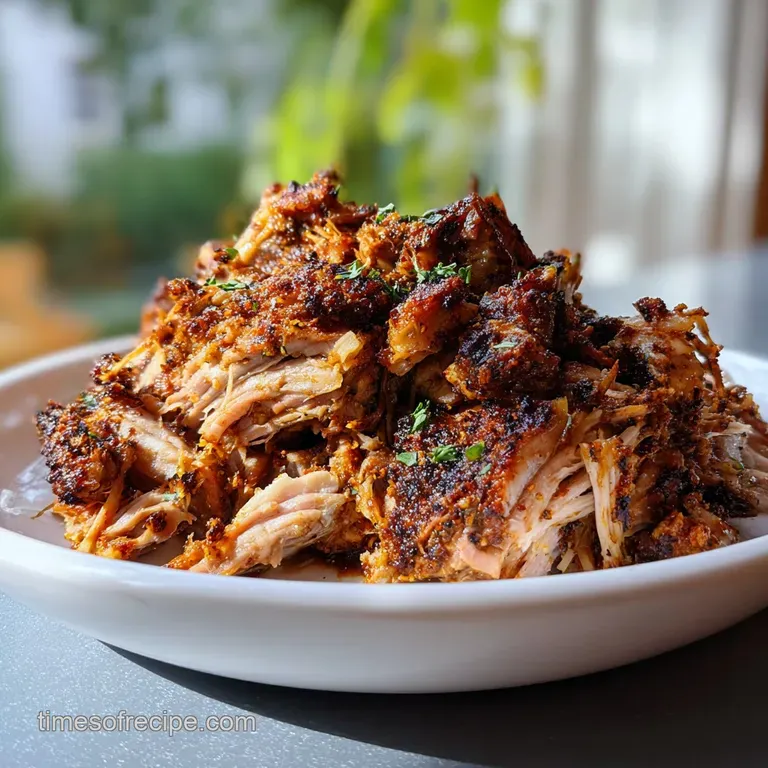
- Flavor/Texture Hook: Smoky, peppery crust with a melt in-the mouth sugary finish
- Perfect for: Weekend smoking sessions, slow cooker meal prep, or big family gatherings
- Unlocking Deep Flavor With This Pulled Pork Rub Recipe
- Timing Your Pork For Maximum Tenderness
- Gathering The Bold Spices And Aromatics
- Crucial Tools For A Bark Like Crust
- How To Build Your Flavor Profile
- Pro Tips For Avoiding Common Mistakes
- Creative Twists and Easy Swaps
- Scaling The Recipe For Large Crowds
- Myths About Seasoning Pork
- Storage and Zero Waste Guidelines
- Perfect Pairings For Your Pulled Pork
- HIGH in Sodium
- Recipe FAQs
- 📝 Recipe Card
Unlocking Deep Flavor With This Pulled Pork Rub Recipe
Imagine the kitchen filling with the scent of smoldering hickory and sweet molasses before you even turn on the heat. That’s the power of a solid rub. For years, I grabbed those pre mixed shaker bottles from the store, but I always felt like something was missing usually it was just way too much salt and not enough soul.
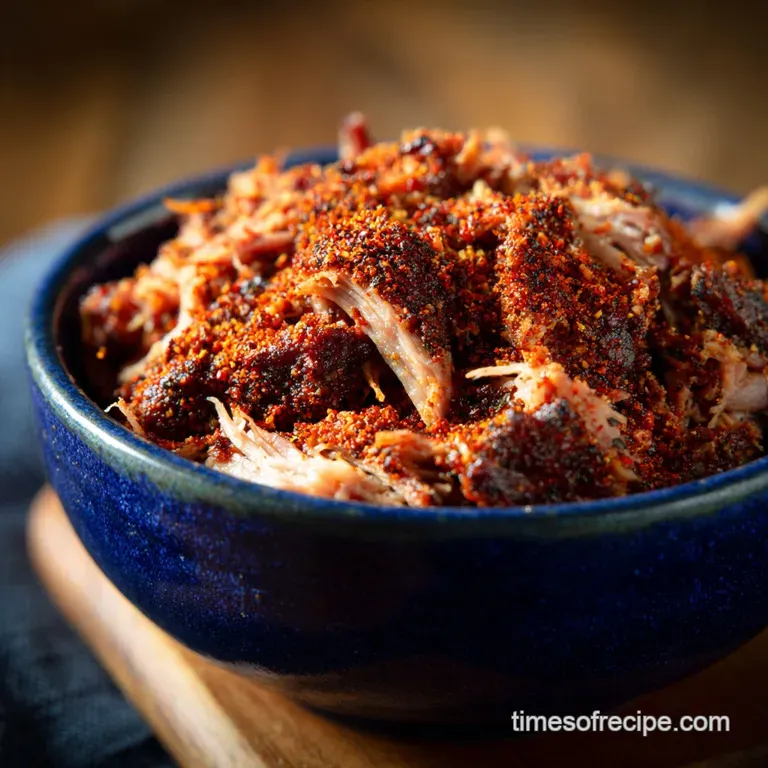
When you make your own, you control the "bark," that dark, concentrated outer layer that every BBQ lover fights over at the table.
We’ve all been there: you spend twelve hours waiting for a pork butt to tenderize, only for the outside to taste like nothing but salt. It’s frustrating, right? I started experimenting with different ratios of smoked paprika and dark brown sugar to find that sweet spot where the spices actually penetrate the meat rather than just sitting on the surface.
This blend is the result of those messy, smoke filled weekends.
This homemade pulled pork rub recipe is built for those who crave bold, hearty comfort. It’s a mix that works whether you’re firing up a professional offset smoker or just tossing a shoulder into the slow cooker before heading to work.
We're going for a balance that highlights the pork's natural richness without masking it in a cloud of artificial smoke.
Timing Your Pork For Maximum Tenderness
When we talk about "specs," we're really talking about the relationship between the rub and the heat. A rub isn't just about flavor; it's a structural component of the cooking process. The sugar and salt work together to create a pressurized environment on the surface of the meat.
This helps the exterior stay firm while the connective tissues inside turn into velvety collagen.
The Science of Why it Works
Osmotic Pressure: Salt draws moisture out of the pork, dissolves into a brine, and is then reabsorbed to season the interior deeply. Maillard Reaction: The dark brown sugar caramelizes alongside the meat's proteins, creating a complex, shatter crisp bark.
| Thickness | Internal Temp | Rest Time | Visual Cue |
|---|---|---|---|
| 5 cm (Chunks) | 95°C | 15 minutes | Meat shreds easily with two forks |
| 10-15 cm (Small Roast) | 96°C | 30 minutes | Bone wiggles freely when pulled |
| 20+ cm (Full Shoulder) | 96°C | 1 hour | Exterior looks like dark mahogany mahogany |
The resting time is just as vital as the cook time. Just like when I prep my Ribeye Roast recipe, I make sure the meat sits long enough for the fibers to relax. If you pull it too early, all those hard earned juices will just end up on the cutting board instead of in your sandwich.
Gathering The Bold Spices And Aromatics
Every ingredient in this blend serves a specific purpose in the architecture of flavor. We aren't just throwing things in a bowl; we're layering sensations. The salt provides the foundation, the sugar offers the crust, and the spices provide the aromatic "high notes" that make your mouth water.
| Ingredient | Science Role | Pro Secret |
|---|---|---|
| Dark Brown Sugar | Humectant | The molasses content prevents the sugar from burning too quickly at high heat. |
| Smoked Spanish Paprika | Colorant & Flavor | Provides the deep red hue and "false smoke" flavor for oven baked pork. |
| Coarse Kosher Salt | Texture & Brining | Large grains dissolve slower, preventing the meat from becoming overly salty too fast. |
| Ground Mustard | Emulsifier | Helps the fat and spices bond together on the meat's surface during the long cook. |
Using coarse salt is non negotiable here. Fine table salt is too "sharp" and can easily overwhelm the palate. The coarse grains also provide a nice tactile "crunch" in the finished bark that feels incredibly satisfying when mixed into the tender, shredded meat.
Crucial Tools For A Bark Like Crust
You don't need a kitchen full of gadgets, but a few specific tools make the process of applying a pulled pork seasoning recipe much cleaner. I used to just toss the spices on with my hands, but I ended up with "club hand" that thick layer of spice and meat juice that makes it impossible to touch anything else in the kitchen.
- Large Glass Jar: Perfect for shaking the ingredients together to ensure the cayenne and celery salt are evenly distributed.
- Stainless Steel Spice Dredge: This allows for an even "snowfall" of rub over the meat, ensuring no bald spots.
- Nitrile Gloves: A total sanity saver when you're massaging 60g of salt into a piece of meat.
- Baking Sheet with Wire Rack: If you’re using the oven, this allows air to circulate entirely around the pork, preventing a soggy bottom.
Chef's Tip: Before applying the rub, pat the pork completely dry with paper towels. Then, apply a very thin coat of yellow mustard or olive oil. It won't affect the flavor, but it acts as a "glue" to hold those 24 servings of spice in place.
How To Build Your Flavor Profile
Mixing a rub is the most low stress part of the cook, but it requires a bit of finesse to avoid clumps. Since we're using 100g of packed dark brown sugar, you’ll want to make sure you break up any large nodules of sweetness so they don't create "sugar bombs" on the meat.
- Sift the sugar. Place your 100g of dark brown sugar in a bowl and press it through a mesh sieve to remove lumps.
- Combine aromatics. Add the 60g coarse kosher salt and 22g smoked Spanish paprika.
- Add the savory base. Whisk in 16g garlic powder and 15g onion powder until the color is a uniform orange red. Note: This ensures every bite has the same savory depth.
- Layer the heat. Incorporate 6g black pepper, 7g chili powder, and 2g cayenne pepper.
- Add the secret weapons. Stir in 2g ground mustard and 1g celery salt for that classic BBQ "twang."
- Whisk vigorously. Use a fork or whisk to ensure the spices are fully integrated. Until the mixture looks like fine, dark sand.
- Prep the meat. Trim excess fat caps to about 6mm so the rub can reach the muscle.
- Apply the rub. Generously coat all sides of the pork. Until no pink meat is visible through the spice layer.
- Let it sweat. Allow the rubbed meat to sit at room temperature for 30 minutes. Until the rub looks wet and clings tightly to the surface.
- Store the extra. Transfer any leftover rub to an airtight container immediately to prevent humidity from clumping the sugar.
If you want a sticky, decadent finish, you can brush on some Bourbon Glaze recipe during the final hour of cooking. The sugars in the glaze will bond with the spices in the rub, creating a glossy, rich coating that is pure comfort food.
Pro Tips For Avoiding Common Mistakes
The biggest pitfall with a pulled pork rub recipe smoker style is managing the "stall." This is when the internal temperature of the meat stops rising because the moisture evaporating from the surface cools it down.
This is actually where your rub does its best work, as the salt and sugar help form the crust that eventually stops that evaporation.
Why Your Crust Is Soggy
If your pork comes out looking gray or wet instead of having that dark, crackling bark, it’s usually an airflow or moisture issue. If you wrap your meat in foil (the "Texas Crutch") too early, you're essentially steaming the rub instead of roasting it.
Why Your Rub Tastes Bitter
Burning the spices is a real risk if your cooking temperature fluctuates too much. Smoked paprika and garlic powder can turn acrid if they hit very high temperatures (above 150°C) for too long. Keep your heat steady and low.
| Problem | Root Cause | Solution |
|---|---|---|
| Rub is clumping | Moisture in the sugar | Sift the sugar and add a teaspoon of cornstarch to the jar. |
| Meat is too salty | Fine salt used instead of coarse | Always use Kosher salt; reduce volume by half if using table salt. |
| Rub falls off | Meat was too wet | Pat the meat dry and use a mustard binder before seasoning. |
Common Mistakes Checklist - ✓ Don't rub the meat too hard; a gentle "pat" keeps the spices from clumping in one spot. - ✓ Avoid "rubbing" the spices into the fat cap, as they won't penetrate; focus on the exposed muscle.
- ✓ Preheat your smoker or oven for at least 30 minutes to ensure a stable environment. - ✓ Never use the same hand to touch the raw meat and the spice jar (cross contamination is a kitchen vibe killer). - ✓ Give the rub time to "tack up" on the meat before it hits the heat.
Creative Twists and Easy Swaps
I know sometimes you get halfway through a recipe and realize the pantry is bare. Or maybe you're trying to keep things a bit lighter. Don't worry, this rub is forgiving. If you're looking for an easy pulled pork rub recipe, you can simplify the spice list, but try to keep the salt to sugar ratio consistent.
- Original Ingredient: 100g Dark Brown Sugar | Substitute: Coconut sugar or Swerve Brown | Why It Works: Keeps the "molasses" vibe while being lower glycemic. Note: Might not caramelize as deeply.
- Original Ingredient: Smoked Paprika | Substitute: Plain Paprika + 1/2 tsp Liquid Smoke (in binder) | Why It Works: Provides the color and the smoky essence without the specific spice.
- Original Ingredient: Cayenne Pepper | Substitute: Chipotle Powder | Why It Works: Adds a more earthy, lingering heat rather than a sharp sting.
If you're making a pulled pork rub recipe no sugar, simply omit the brown sugar and add a tablespoon of smoked chili flakes. You won't get the same thick bark, but the flavors will still be bold and satisfying. For a change of pace, try serving your pork over a bowl of Southern Black Eyed recipe for a truly traditional Southern experience.
Scaling The Recipe For Large Crowds
This recipe is built for 24 servings, which usually accounts for about two large pork shoulders (roughly 4-5 kg of raw meat). If you're just doing a small 1 kg roast for a weeknight dinner, you’ll want to scale down to avoid waste.
- Downscaling (1/4 batch): Use 25g sugar and 15g salt. This is perfect for a single pork tenderloin or a small loin roast.
- Upscaling (2x batch): If you’re doing a whole hog or four shoulders, double the sugar and salt, but only increase the cayenne and black pepper by 1.5x. Heat tends to build exponentially in large batches!
Cooking Method Comparison
| Method | Time | Texture | Best For |
|---|---|---|---|
| Smoker | 12-15 hours | Heavy bark, smoky | Traditionalists and weekend projects |
| Oven | 8-10 hours | Consistent, juicy | Easy, set it and forget it meals |
| Slow Cooker | 8-10 hours | Soft, tender, no bark | Busy weeknights and meal prep |
Myths About Seasoning Pork
There is a long standing myth that you should rub your meat 24 hours in advance. While this sounds like it would "marinate" the meat, the salt actually starts to cure the pork, giving it a ham like texture. For the best results, I've found that 30 to 60 minutes is the sweet spot.
It's enough time for the rub to stick, but not enough to change the cellular structure of the protein into deli meat.
Another misconception is that the "bark" is just burnt sugar. It’s actually a complex chemical reaction between the rub, the smoke, and the meat proteins. If your rub is black, it’s not necessarily burnt it’s concentrated flavor! As long as it doesn't taste like carbon, you've done it right.
Storage and Zero Waste Guidelines
If you have leftover rub, don't toss it! Because this is a dry mix with no fresh ingredients, it has a fantastic shelf life. Keep it in a cool, dark place like a pantry. I like to use old jam jars that have been thoroughly cleaned and dried.
Storage: - Pantry: Up to 6 months in an airtight container. The sugar may harden over time; if it does, just pulse it in a spice grinder for 2 seconds. - Fridge/Freezer: Not recommended, as the humidity can cause the salt and sugar to clump into a brick.
Zero Waste: If you have just a tablespoon or two left after seasoning your pork, don't throw it out. It makes a hearty seasoning for roasted sweet potatoes or even homemade potato chips. I’ve even used a pinch of this homemade pulled pork rub recipe in my Hoppin John recipe to add a smoky, sweet depth to the beans.
Perfect Pairings For Your Pulled Pork
Once your pork is shredded and glistening in its own juices, you need the right sides to stand up to those bold flavors. The sweetness of the rub pairs beautifully with acidic, vinegary sides that cut through the fat. A classic apple cider vinegar slaw is a must have on any pulled pork sandwich.
For a hearty family meal, I love serving the pork alongside some buttery cornbread or over a bed of creamy mac and cheese. The smoky notes of the paprika in the rub will make the cheese taste even richer.
If you're keeping things a bit lighter, a simple green salad with a lemon vinaigrette provides a nice contrast to the heavy, satisfying flavors of the meat. Whatever you choose, make sure you have plenty of napkins good BBQ is supposed to be a little messy!

HIGH in Sodium
971 mg mg of sodium per serving (42% % of daily value)
The American Heart Association recommends limiting sodium intake to about 2,300mg per day for adults.
Sodium Reduction Tips for this Recipe
-
Reduce Kosher Salt-25%
The most significant source of sodium is the coarse kosher salt. Try reducing the amount by 25%, substituting with a blend of other spices and herbs to maintain flavor. This will reduce the sodium considerably. Consider starting with 3 tablespoons (45g) of Kosher salt.
-
Eliminate Celery Salt-10%
Celery salt adds sodium without significantly impacting flavor. Remove the celery salt entirely and adjust other spices like onion or garlic powder to compensate for the lost flavor notes. This will still provide a great taste profile.
-
Adjust Chili Powder-5%
Some chili powders contain added salt. Check the label of your chili powder and opt for a brand with little to no sodium or use a homemade blend of chili powder that does not contain salt. Then you may use slightly more powder to make up for the lost flavor from the celery salt.
-
Fresh Garlic & Onion
Consider using fresh garlic and onion in place of garlic powder and onion powder. While not a direct sodium reduction, it can enhance flavor, potentially allowing for further reduction of salt. Finely mince the fresh garlic and onion before adding to the recipe.
-
Herbs & Spices
Experiment with various herbs and spices like oregano, thyme, cumin, and smoked paprika to boost flavor and complexity without adding sodium. These flavor enhancers will make up for the reduction of salt.
Recipe FAQs
What is a good rub for pulled pork?
A balanced sweet and savory blend is ideal. Aim for a mix that includes brown sugar for caramelization, salt for brining, paprika for color and smoke, and a touch of spice for depth. This homemade rub recipe offers a great starting point.
What is the best seasoning for pulled pork?
The "best" is subjective, but a classic BBQ blend is highly recommended. This typically involves brown sugar, salt, black pepper, paprika, garlic powder, and onion powder. It provides that essential smoky, sweet, and savory crust.
How long to leave dry rub on pulled pork?
Allow the rub to sit on the pork for at least 30 minutes, up to 2 hours. This resting period lets the salt begin its brining process and allows the rub to adhere well, creating a better bark.
What is the 3:2:1 method for pulled pork?
It's a common smoking ratio: 3 hours smoked uncovered, 2 hours wrapped in foil, 1 hour unwrapped. This method helps achieve a tender interior and a good bark. For tender results, ensure the internal temperature reaches at least 95°C.
Can I make a pulled pork rub ahead of time?
Yes, absolutely. Dry rubs made with sugar and spices can be stored in an airtight container in a cool, dark pantry for up to 6 months. This is a great way to prep for future cooks.
What kind of paprika should I use for pulled pork rub?
Smoked Spanish paprika is highly recommended. It imparts a deep red color and a distinct smoky flavor that is crucial for that authentic BBQ bark, even if you're not smoking the pork.
What can I use if I don't have brown sugar for pulled pork rub?
Coconut sugar or a sugar substitute like Swerve Brown can work. These options aim to replicate the molasses notes and caramelization, though they might not brown as deeply as traditional brown sugar.
If you're aiming for a low-sugar version, simply omit the sugar and consider adding a touch more chili flakes for flavor.
Pulled Pork Rub Recipe
Ingredients:
Instructions:
Nutrition Facts:
| Calories | 25 kcal |
|---|---|
| Protein | 0.4 g |
| Fat | 0.2 g |
| Carbs | 5.9 g |
| Fiber | 0.4 g |
| Sugar | 4.1 g |
| Sodium | 971 mg |
