Rack of Pork Recipe: Crispy Garlic Herb
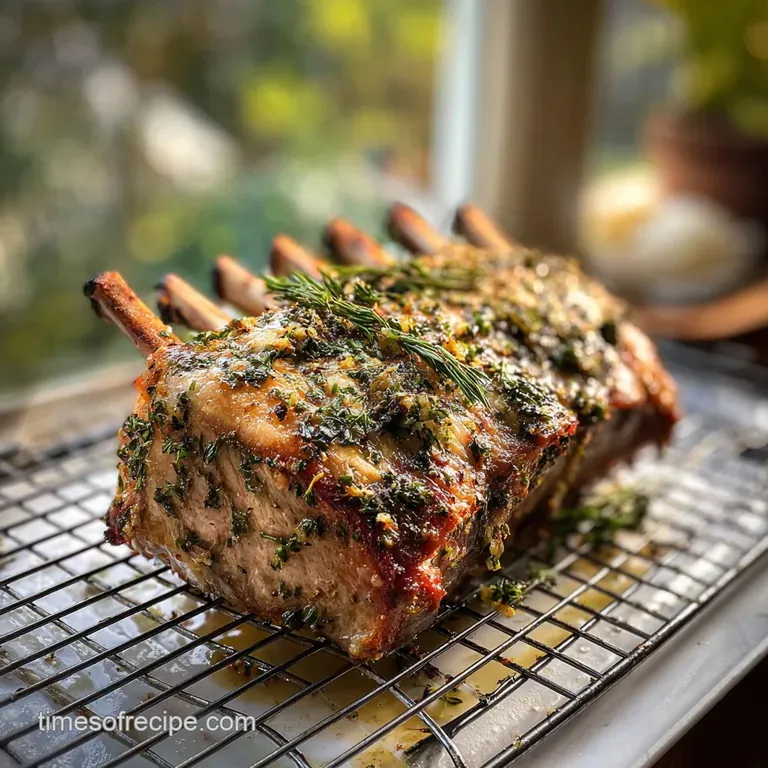
- Time: Active 15 minutes, Passive 1 hours 15 mins, Total 1 hours 30 mins
- Flavor/Texture Hook: Crackling garlic rosemary crust with juicy, tender meat
- Perfect for: Sunday family dinner or a holiday feast
- Hearty and Bold Rack of Pork Recipe
- Why This Roast Works
- Component Analysis and Flavor Deep Dive
- Vital Roast Measurements and Details
- Essential Gear for Best Roasts
- Bringing the Flavors Together
- Pro Roasting Tips and Pitfalls
- Flavor Variations and Ingredient Swaps
- Storage and Leftover Creative Uses
- Hearty Sides to Serve Along
- High in Sodium
- Rack of Pork Recipe FAQs
- 📝 Recipe Card
Hearty and Bold Rack of Pork Recipe
The second you pull this out of the oven, the heavy, earthy aroma of roasted garlic and toasted rosemary hits the room like a warm hug. I remember the first time I made a bone in roast for my family.
I was so worried about it being dry, but the sizzle coming from the roasting pan told me everything was going to be just fine. When you carve into this, the crust should literally shatter under the knife, revealing meat that is almost buttery in texture.
This isn't just about a meal, it's about the feeling of a full house and a satisfied table. Whether you picked up a Costco rack of pork recipe or you're using a specialty cut from the butcher, the secret lies in the fat to herb ratio. We are going to build a crust that stays put and meat that stays juicy.
Honestly, don't even think about trimming off all that fat cap, we need it for the flavor.
We've all had that "leathery" pork experience, but we're putting a stop to that right now. This method focuses on conductive heat and plenty of aromatics. It’s the kind of dish that looks like you spent five hours in the kitchen, but between us, most of the work happens while you're relaxing with a glass of wine.
Let's get into how we make this work every single time.
Why This Roast Works
Maillard Reaction: The high roasting temperature triggers a chemical reaction between amino acids and reducing sugars, creating that signature brown, savory crust.
Carryover Cooking: Internal energy continues to vibrate through the protein fibers after removal from the heat, gently finishing the center without drying it out.
Aromatic Infusion: The extra virgin olive oil acts as a solvent, extracting fat soluble flavor compounds from the rosemary and garlic and driving them into the surface of the meat.
| Weight / Cut | Internal Temp | Rest Time | Visual Cue |
|---|---|---|---|
| 4.5 lbs (8 bone) | 145°F (63°C) | 15 minutes | Golden brown, crackling crust |
| 2.25 lbs (4 bone) | 145°F (63°C) | 10 minutes | Firm to the touch, clear juices |
| Individual Chops | 145°F (63°C) | 5 minutes | Opaque center, browned edges |
This quick guide ensures you don't overcook the meat based on the size of the rack you're using. Remember that the "doneness" happens during the rest, not just inside the oven.
Component Analysis and Flavor Deep Dive
The magic of this oven baked rack of pork recipe is in the simplicity of the pantry staples. When you combine fresh herbs with a high-quality fat, you create a barrier that protects the meat while seasoning it deeply.
| Ingredient | Science Role | Pro Secret |
|---|---|---|
| Pork Rack (4.5 lbs) | Protein Structure | Leave the fat cap at 1/4 inch to baste the meat naturally. |
| Kosher Salt (1 tbsp) | Moisture Retention | It denatures proteins, allowing them to hold onto water during the roast. |
| Fresh Garlic (6 cloves) | Aromatic Base | Mince by hand rather than pressing to avoid a bitter, "burnt" taste. |
Each element plays a part in the final texture. For instance, the red pepper flakes (0.5 tsp) aren't there to make it spicy, but to provide a subtle "back of the throat" warmth that cuts through the richness of the pork fat. Using a Pulled Pork Rub recipe is a great alternative if you want a more smoky, barbecue style profile, but for this classic roast, we stick to the fresh herbs.
Vital Roast Measurements and Details
To get the best rack of pork recipe results, precision matters. We are working with 1 center cut bone in pork rack (8 bone, approx. 4.5 lbs) that has been Frenched. Frenching just means the meat and fat have been scraped off the bones for that fancy "crowned" look.
You also need 3 tbsp extra virgin olive oil to bind your rub.
Your herb paste consists of 6 cloves garlic (finely minced), 2 tbsp fresh rosemary, and 1 tbsp fresh thyme. For seasoning, use 1 tbsp Diamond Crystal Kosher salt, 1 tsp freshly cracked black pepper, and 0.5 tsp red pepper flakes.
These quantities are balanced perfectly for a 4.5 lb roast to ensure every slice gets a bit of that flavorful crust.
Essential Gear for Best Roasts
1. Heavy Roasting Pan
You need something that holds heat. A heavy stainless steel pan or a large cast iron skillet works best. Avoid thin aluminum trays as they can cause the garlic in the drippings to burn before the meat is done.
2. Digital Meat Thermometer
This is non negotiable for a French rack of pork recipe. Because pork is so lean, the window between "juicy" and "cardboard" is only about 5 degrees. An instant read probe is your best friend here.
Bringing the Flavors Together
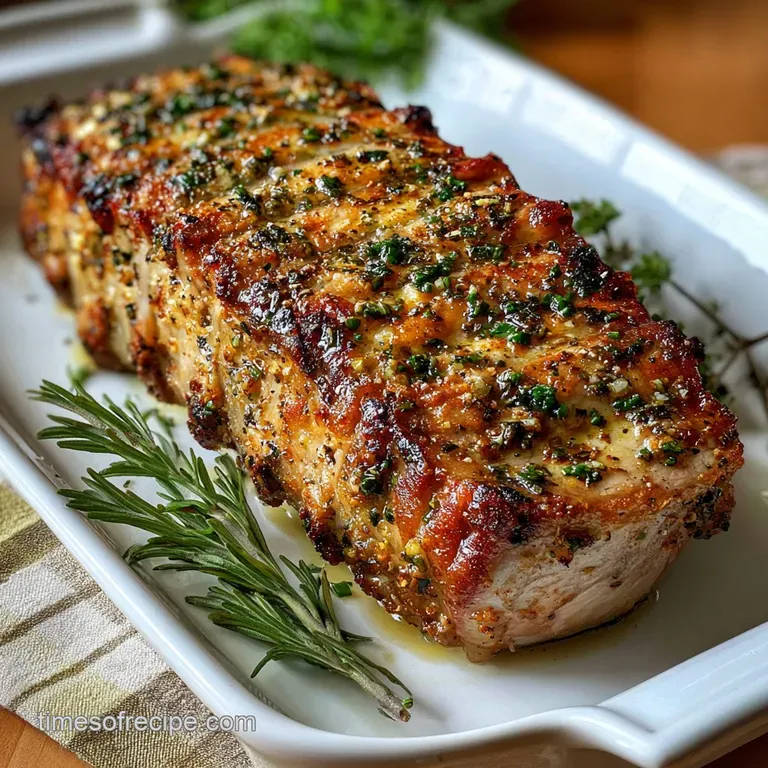
- Dry the meat. Use paper towels to pat the 4.5 lbs pork rack completely dry. Note: Moisture on the surface creates steam, which prevents the crust from becoming crispy.
- Mix the paste. Combine the 3 tbsp olive oil, 6 minced garlic cloves, 2 tbsp rosemary, 1 tbsp thyme, 1 tbsp salt, pepper, and red pepper flakes in a small bowl.
- Apply the rub. Massage the herb mixture all over the pork, ensuring you get into every nook and cranny. Until the meat is fully coated and aromatic.
- Preheat the oven. Set your oven to 450°F. We start high to blast the exterior and then drop the temp.
- Initial sear. Place the pork in the roasting pan, bone side down. Roast for 15 minutes until the garlic begins to smell toasted.
- Lower the heat. Reduce the oven temperature to 325°F. This slower cook ensures the center reaches temp without the outside burning.
- Monitor doneness. Continue roasting for about 60 minutes. Until the internal temperature hits 145°F.
- The Blast Finish. If the crust isn't golden enough, kick the broiler on for the last 2 minutes. Until the fat is sizzling and bubbly.
- The Critical Rest. Transfer the rack to a cutting board. Note: This allows the juices to redistribute so they don't run out when you slice.
- Carve and serve. Slice between the bones into thick, hearty chops.
Pro Roasting Tips and Pitfalls
1. The "Cold Center" Mistake
The biggest error I see is taking the pork straight from the fridge to the oven. If the center is 38°F, the outside will be overcooked by the time the middle is safe to eat. Let your 4.5 lb rack sit on the counter for about 45 minutes before you start.
It makes a massive difference in the evenness of the cook.
2. The Bone Burning Hack
If you are worried about those beautiful Frenched bones turning black, wrap the tip of each bone in a small piece of aluminum foil. It keeps them a clean, creamy white. I usually take the foil off for the last 10 minutes so they get just a hint of color.
It's a trick I learned when I wanted my holiday dinner to look like a magazine cover.
| Problem | Root Cause | Solution |
|---|---|---|
| Rub sliding off | Meat was too wet | Pat dry with paper towels before applying oil. |
| Meat is tough | Overcooked or skipped rest | Pull at 145°F and rest for at least 15 minutes. |
| Garlic is bitter | Burnt in high heat | Move the roast to a lower rack in the oven. |
Common Mistakes Checklist
- ✓ Always use a meat thermometer; never rely on "time per pound" alone.
- ✓ Don't forget to season the bottom and sides of the roast, not just the top fat cap.
- ✓ Ensure your oven is fully preheated before the roast goes in to get that initial sear.
- ✓ Never cut into the roast immediately; the juices need time to settle.
- ✓ Use fresh herbs; dried herbs can become dusty and hay like in a long roast.
Flavor Variations and Ingredient Swaps
If you want a Mediterranean shift, swap the rosemary for oregano and add the zest of one lemon to the oil mixture. It brightens the whole dish. For those who love a bit of sweetness, a Bourbon Glaze recipe brushed on during the last 15 minutes of roasting creates a sticky, decadent finish that children usually adore.
| Original Ingredient | Substitute | Why It Works |
|---|---|---|
| Rosemary (2 tbsp) | Sage (2 tbsp) | Sage has a similar woody profile that pairs perfectly with pork. |
| Extra Virgin Olive Oil | Ghee or Clarified Butter | Higher smoke point and adds a rich, nutty flavor to the crust. |
| Kosher Salt | Soy Sauce (rubbed on) | Adds deep umami. Note: Reduce total salt to avoid over seasoning. |
If you are looking for a quick rack of pork recipe for a weeknight, you can actually cut the rack into individual chops before cooking. Season them the same way and pan sear them for about 4-5 minutes per side. It won't have the same "grandeur" as the full roast, but the flavor remains top tier.
Storage and Leftover Creative Uses
Leftover rack of pork is a gift. Keep it in an airtight container in the fridge for up to 4 days. When reheating, do it gently in a 300°F oven with a splash of chicken broth to keep it from drying out. You can also freeze the cooked meat (off the bone) for up to 3 months.
Just wrap it tightly in plastic wrap and then foil to prevent freezer burn.
For zero waste, don't you dare throw away those bones! Simmer them with some onions, carrots, and celery to make a rich pork stock. It’s better than anything you can buy in a carton. Also, any leftover meat is incredible when diced up and tossed into a breakfast hash with sweet potatoes and peppers.
It’s a hearty way to start the next morning.
Hearty Sides to Serve Along
Since this is a bold, savory main, you want sides that can stand up to the garlic. A tray of roasted root vegetables or a creamy polenta works beautifully. If you want to lean into the traditional Southern vibe, this pairs perfectly with a Hoppin John recipe for a complete, comforting meal.
If you’re doing a more "steakhouse" style dinner, go for a Ribeye Roast recipe alongside it if you're feeding a massive crowd, or just stick to a crisp green salad with a sharp vinaigrette to cut through the pork fat. The contrast between the hot, salty meat and a cold, acidic salad is what keeps people coming back for seconds. Trust me, everyone will be asking for the recipe before the night is over.

High in Sodium
885 mg mg of sodium per serving (38% of daily value)
The American Heart Association recommends limiting sodium intake to no more than 2,300mg per day for most adults.
Tips to Reduce Sodium in Your Pork Rack
-
Reduce Salt by Half-25%
Start by halving the amount of Diamond Crystal Kosher salt used, from 1 tbsp to 0.5 tbsp. You can always add more at the end if needed, but it's easier to reduce than remove!
-
Fresh Herbs Over Salt
Increase the amounts of fresh rosemary and thyme to enhance the flavor. More herbs can help compensate for less salt.
-
Spice It Up
Consider increasing the amount of freshly cracked black pepper and red pepper flakes for an extra boost of flavor and to help offset the reduced salt.
Rack of Pork Recipe FAQs
How long do you cook a rack of pork for?
Cook to 145°F internal temperature, then rest for 10-15 minutes. For an 8-bone rack (approx. 4.5 lbs), this typically takes about 60 minutes at 325°F after an initial 15 minutes at 450°F. Always use a meat thermometer for accuracy, as cooking time varies with rack size and oven calibration.
How to cook the Costco rack of pork?
Pat the rack completely dry and apply an herb rub. After drying, create a paste with olive oil, minced garlic, rosemary, thyme, salt, pepper, and red pepper flakes, then coat the pork.
Sear at 450°F for 15 minutes, then reduce heat to 325°F and roast until internal temperature reaches 145°F.
Is a rack of pork the same as pork ribs?
No, a rack of pork is a specific cut from the loin, while pork ribs come from the rib cage. A rack of pork is typically more tender and has a larger eye of meat, often sold with the bones "Frenched" for presentation.
Pork ribs are meatier and fattier, with a distinctly different texture and cooking profile.
Should you brine a rack of pork?
Brining is optional but recommended for extra moisture and flavor. While this recipe relies on the fat cap for basting, a simple brine can further ensure a juicy outcome, especially if you're concerned about overcooking. If you do brine, remember to reduce the salt in your rub.
Can I cut a rack of pork into chops before cooking?
Yes, you can cut it into chops for a quicker cook. Season individual chops the same way and pan-sear them for about 4-5 minutes per side. This method still delivers excellent flavor but sacrifices the dramatic presentation of a whole roast.
What is the best way to rest a rack of pork after cooking?
Transfer the cooked rack to a cutting board and tent loosely with foil. Let it rest for at least 15 minutes for larger racks, and 10 minutes for smaller ones. This crucial step allows the juices to redistribute throughout the meat, ensuring a tender and moist final product.
What sides pair well with a rack of pork?
Hearty sides like roasted root vegetables, creamy polenta, or a sharp green salad work best. For a traditional Southern meal, consider serving it with Hoppin John recipe. A crisp salad provides a refreshing contrast to the rich, savory pork.
Rack Of Pork Recipe
Ingredients:
Instructions:
Nutrition Facts:
| Calories | 582 kcal |
|---|---|
| Protein | 47 g |
| Fat | 39 g |
| Carbs | 1 g |
| Fiber | 0 g |
| Sugar | 0 g |
| Sodium | 885 mg |
