Rainbow Orzo Salad: Fresh and Crunchy
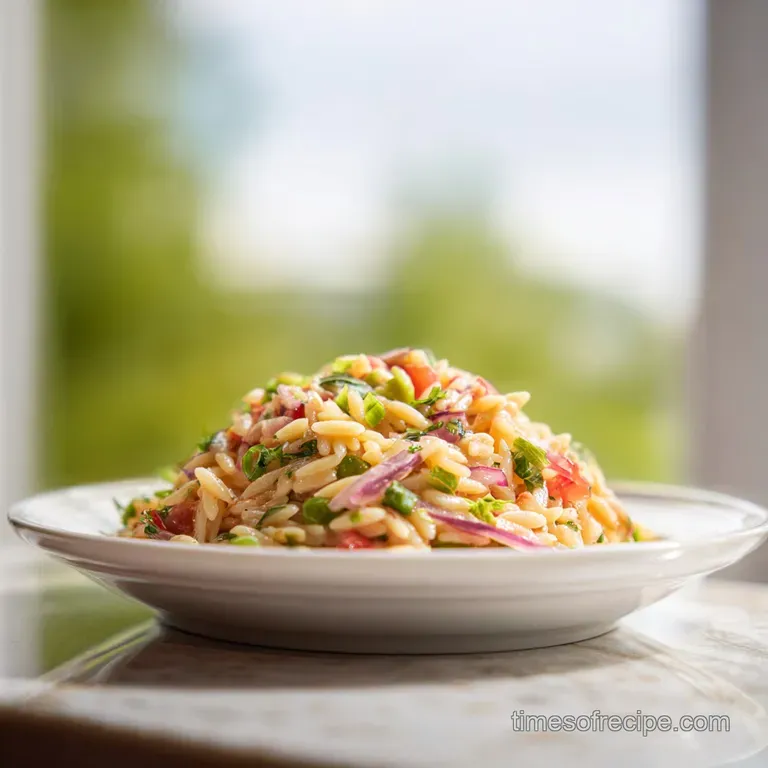
- Time:15 minutes active + 10 minutes cooking + 20 minutes resting = 45 minutes total
- Flavor/Texture Hook: Zesty lemon herb dressing paired with crunchy, snap fresh vegetables
- Perfect for: Summer meal prep, high volume outdoor barbecues, or healthy office lunches
- The Refreshing Rainbow Orzo Salad Recipe
- Practical Science for Better Salad
- Component Analysis and Roles
- Fresh Ingredients for Flavor
- Essential Tools for Efficient Prepping
- Follow These Simple Cooking Phases
- Fixing Common Pasta Salad Errors
- Adjusting the Recipe Size
- Common Pasta Salad Myths
- Storage Tips and Leftover Ideas
- Best Ways to Plate This
- Recipe FAQs
- 📝 Recipe Card
The Refreshing Rainbow Orzo Salad Recipe
Imagine walking into a backyard barbecue where the sun is high, the grill is humming with a steady sizzle, and the table is loaded with the usual suspects. You’ve got the heavy potato salad, the soggy coleslaw, and the beige macaroni. Then, you see it: a bowl that looks like a shattered stained glass window.
That’s this salad. It’s the dish that people actually finish, the one that doesn't turn into a pool of water by the time the burgers are flipped. I started making this because I was tired of pasta salads that felt like a chore to eat.
We’ve all been there, right? You spend twenty minutes dicing things perfectly only for the pasta to drink up every drop of dressing, leaving you with a dry, sticky mess. Or worse, the cucumbers release all their water and turn the whole thing into a vegetable soup.
I spent a few summers experimenting with how to keep the crunch while ensuring every single grain of orzo tasted like something. This version is the result of those "oops" moments. It’s bright, it’s efficient, and it actually holds its own in a lunchbox the next day.
This isn't just about mixing pasta and veg; it's about the strategy of the build. We’re going to treat the orzo like it’s a tiny sponge and the vegetables like they’re the stars of the show.
Whether you’re feeding a crowd or just trying to get through a busy week with something healthy in the fridge, this approach works every single time. Let’s get into why this specific method produces a result that’s worlds apart from the deli counter stuff.
Practical Science for Better Salad
Understanding the "why" helps you avoid mistakes when you're in a hurry. Most people treat orzo like standard pasta, but because it’s so small, its surface area is massive. This means it behaves differently when it hits the dressing.
- Surface Starch Removal: Rinsing the orzo under cold water immediately after boiling removes the "sticky" starch coating that would otherwise cause the grains to clump together into a solid brick.
- Osmotic Absorption: Adding a small amount of dressing to the orzo while it is still slightly warm allows the lemon and garlic to penetrate the pasta's core rather than just sitting on the surface.
- Turgor Pressure Control: Hollowing out the English cucumber removes the seeds, which are 95% water, preventing the salad from becoming soggy through moisture migration over time.
- Emulsification Stability: Grating the garlic into a paste provides a natural emulsifier that binds the oil and lemon juice together, ensuring the dressing coats the vegetables evenly.
| Comparison Factor | Fresh Chopped Veg | Pre Cut Shortcut | Impact on Salad |
|---|---|---|---|
| Texture Integrity | Maximum snap and crunch | Softens quickly | Fresh is vital for longevity |
| Moisture Content | Controlled (you de seed) | High (leaks liquid) | Pre cut leads to sogginess |
| Nutritional Value | High peak vitamins | Oxidized/Lowered | Fresh yields better color |
Freshly prepared vegetables are always going to win here because the cell walls haven't had time to break down. If you're in a rush, you can use pre shredded carrots, but always dice your own peppers and cucumbers to keep that "snap" in every bite. According to USDA’s nutrition database, fresh bell peppers are packed with Vitamin C, but that starts to dip the longer they sit cut in a plastic container.
Component Analysis and Roles
To get the most out of your Rainbow Orzo Salad, you need to understand how each ingredient contributes to the final structure. This isn't just a random toss; it's a balanced system of fat, acid, and texture.
| Ingredient | Science Role | Pro Secret |
|---|---|---|
| Dry Orzo | The structural base | Cook to al dente with a "white dot" center to prevent mushiness |
| English Cucumber | Hydration and crunch | Use English (long) variety; the skin is thinner and less bitter |
| Fresh Lemon Juice | Acid and brightness | Zest the lemon before juicing to double the aromatic impact |
| Feta Cheese | Salt and creamy fat | Buy a block in brine and crumble it yourself for better texture |
The choice of English cucumber is actually pretty important. Standard garden cucumbers have thick, waxy skins and massive seeds that contribute nothing but bitterness and water. By sticking to the English variety, you get a much more refined "crunch" that mirrors the size of the orzo itself.
Fresh Ingredients for Flavor
For the best results, stick to these quantities. I’ve tested this with more orzo, but it throws off the vegetable to pasta ratio that makes this feel like a "salad" rather than just a pasta dish.
- 1.5 cups dry orzo pasta: Why this? The perfect amount to feed six without overwhelming the fresh vegetables. (Substitute: Pearl couscous)
- 1 tsp sea salt: Why this? For the boiling water to season the pasta from the inside out. (Substitute: Kosher salt)
- 1 tbsp extra virgin olive oil: Why this? Prevents sticking during the cooling phase. (Substitute: Avocado oil)
- 1 cup red bell pepper, finely diced: Why this? Adds sweetness and a crunch that holds up under dressing. (Substitute: Orange bell pepper)
- 1 cup yellow bell pepper, finely diced: Why this? Completes the rainbow and offers a mild, fruity flavor. (Substitute: Mini sweet peppers)
- 1 cup English cucumber, hollowed and diced: Why this? Provides essential freshness without the watery mess. (Substitute: Persian cucumbers)
- 0.5 cup red onion, minced: Why this? Offers a sharp, savory bite to balance the sweet peppers. (Substitute: Shallots)
- 0.5 cup shredded carrots: Why this? Adds an earthy sweetness and great color contrast. (Substitute: Diced gold beets)
- 0.5 cup fresh parsley, finely chopped: Why this? Lifts the whole dish with a grassy, clean finish. (Substitute: Fresh cilantro)
- 0.5 cup crumbled feta cheese: Why this? Provides the salt and fat needed to tie the flavors together. (Substitute: Goat cheese)
- 0.25 cup extra virgin olive oil
- Why this? The backbone of the dressing's mouthfeel. (Substitute: Grapeseed oil)
- 3 tbsp fresh lemon juice
- Why this? The primary acid that cuts through the starch. (Substitute: White balsamic vinegar)
- 1 tbsp red wine vinegar
- Why this? Adds a complex tang that lemon alone lacks. (Substitute: Apple cider vinegar)
- 1 clove garlic, grated into a paste
- Why this? Even distribution of flavor without spicy raw chunks. (Substitute: 0.5 tsp garlic powder)
- 1 tsp dried oregano
- Why this? Essential Mediterranean herbaceous note. (Substitute: Dried basil)
- 0.5 tsp black pepper
- Why this? A subtle heat to round out the palate. (Substitute: White pepper)
- 0.5 tsp salt
- Why this? Enhances every other flavor in the bowl. (Substitute: Celery salt)
Essential Tools for Efficient Prepping
You don't need a professional kitchen, but having the right gear makes the dicing process much faster. I’m a big fan of efficiency because I’d rather be eating than chopping for an hour.
- Large Stockpot: You need plenty of water so the orzo doesn't get gummy.
- Fine Mesh Colander: Standard colanders have holes too large for orzo; it'll slip right through.
- Glass Mixing Bowls: I prefer glass because it doesn't react with the acidic lemon juice.
- Small Mason Jar: The easiest way to emulsify a dressing is to just shake it like crazy.
- Microplane or Grater: Specifically for that garlic paste.
Using fresh, colorful vegetables and heart healthy olive oil in dishes like this is a delicious way to support overall heart health while keeping your meals exciting.
Follow These Simple Cooking Phases
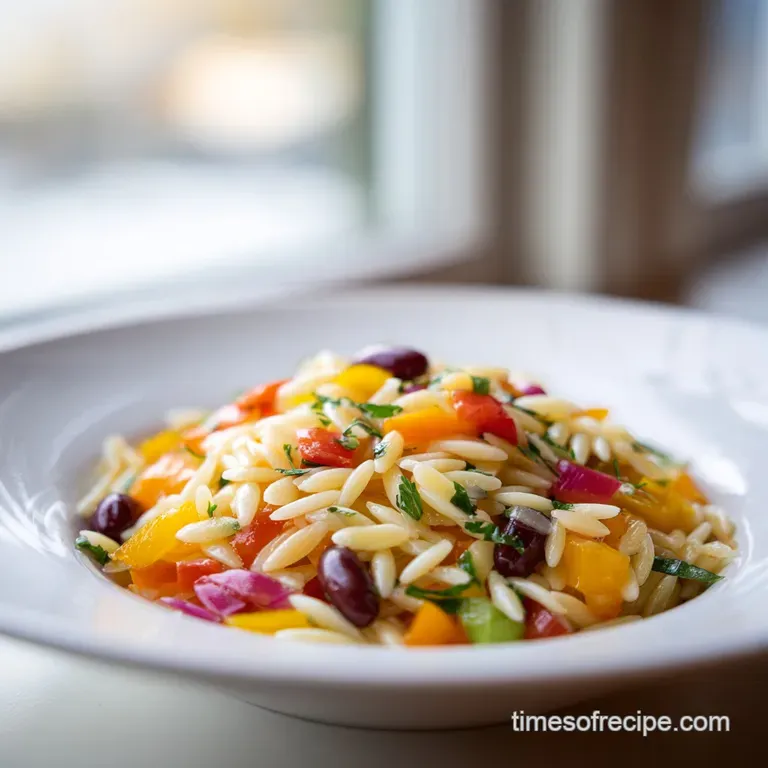
This Rainbow Orzo Salad comes together quickly if you follow the flow. Don't try to chop while the orzo is boiling if you're a slower dicer; get your mise en place ready first.
- Boil the water. Bring a large pot of salted water to a rolling boil. Add 1.5 cups dry orzo and cook for 8–9 minutes until al dente with a firm snap in the center.
- Stop the cook. Drain the orzo immediately in a fine mesh colander and rinse under cold running water until completely cool to the touch. Note: This removes excess surface starch and stops the pasta from turning into mush.
- Emulsify the dressing. In a small mason jar or bowl, combine 1/4 cup olive oil, lemon juice, red wine vinegar, garlic paste, oregano, black pepper, and salt. Shake or whisk vigorously until thickened and opaque.
- Prep the vegetables. Dice the red and yellow bell peppers. Hollow out the English cucumber with a spoon before dicing. Mince the red onion, shred the carrots, and chop the parsley.
- Initial flavor soak. Place the cooled orzo in a large glass mixing bowl. Drizzle with 2 tablespoons of the prepared dressing and toss to coat until every grain is glossy. Note: Doing this while the pasta is slightly warm helps it absorb the lemon flavor.
- The grand assembly. Add the peppers, cucumber, onion, carrots, parsley, and crumbled feta to the bowl.
- Final toss. Pour over the remaining dressing and toss thoroughly until the colors are evenly distributed.
- The resting period. Let the salad rest for 20 minutes before serving. Wait until the flavors meld and the pasta softens slightly from the acid.
Chef's Tip: If you are making this for a party the next day, keep the feta and parsley separate. Stir them in just before serving to keep the cheese white and the herbs bright green.
Fixing Common Pasta Salad Errors
Even the simplest recipes can go sideways. If your orzo looks like a clump of paste or your veggies are swimming in water, don't panic. Most of these issues are easy to fix with a few kitchen tricks.
Why Your Orzo Is Clumped
This usually happens because the pasta was drained and left to sit without being rinsed or oiled. The starch on the surface acts like glue. If this happens, put the orzo back in the colander and run lukewarm water over it while gently breaking it apart with your fingers.
Once it's loose again, rinse with cold water and proceed immediately with the dressing.
Why Your Salad Tastes Bland
Pasta absorbs salt and acid as it sits. If it tasted great when you made it but boring two hours later, it just needs a "brightness boost." Adding a tiny splash of red wine vinegar or an extra squeeze of lemon right before serving usually wakes everything back up.
Remember, cold food needs more seasoning than hot food to register the same flavor on your tongue.
| Problem | Root Cause | Solution |
|---|---|---|
| Soggy Bottom | Cucumber seeds or warm veg | Hollow out cucumbers; cool orzo completely before adding veg |
| Dry Pasta | Orzo absorbed all dressing | Add 1 tbsp oil and 1 tsp lemon juice right before serving |
| Bitter Aftertaste | Too much pith or old garlic | Use only juice (no seeds/pith); grate garlic fresh |
Common Mistakes Checklist:
- ✓ Don't skip the cold water rinse; it's the only way to get individual grains.
- ✓ Ensure you use a fine mesh strainer so you don't lose half your pasta down the drain.
- ✓ Remove every single seed from the cucumber to keep the salad crisp for 48 hours.
- ✓ Grate the garlic into a paste rather than mincing to avoid "garlic breath" bites.
- ✓ Let the salad rest for at least 20 minutes; the flavor transformation is massive.
Adjusting the Recipe Size
Whether you are cooking for a solo lunch or a block party, scaling this recipe is straightforward. However, since orzo is a starch, you have to be careful with the liquid ratios so you don't end up with a soup.
Downscaling (1-2 people): If you only need a couple of servings, use 0.5 cups of dry orzo. You can cut the vegetable quantities in half, but I usually keep them at full size because I love a high veg ratio. Reduce the dressing by half, but keep the garlic at one small clove.
Use a smaller mixing bowl to ensure the dressing actually coats the ingredients rather than just painting the sides of a large bowl.
Upscaling (12+ people): When doubling or tripling for a crowd, cook the orzo in batches if your pot isn't massive. For the dressing, don't just double the salt and oregano immediately. Start with 1.5x the spices and taste.
Liquids like lemon juice and oil can be doubled exactly, but dried herbs can become overwhelming if scaled linearly. Always work in a very large bowl to allow for "aerated" tossing, which prevents bruising the delicate parsley.
If you’re looking for other light, veg forward options for a party, this Mexican edamame salad is another huge hit that follows a similar "prep and rest" logic.
Common Pasta Salad Myths
There is a lot of bad advice floating around about how to handle cold pasta. Let's clear up a few things so you can cook with confidence.
Myth: You should never rinse pasta. While this is true for hot pasta where you want the sauce to stick, it is absolutely false for cold salads. For a Rainbow Orzo Salad, rinsing is mandatory to stop the cooking and remove the starch that makes the salad "heavy." Without the rinse, you get a sticky, gummy texture that isn't appetizing.
Myth: The dressing should be added right before serving. People think this keeps things fresh, but it actually leaves the pasta tasting like plain flour. Adding a portion of the dressing while the orzo is still warm allows for "flavor infusion." The vegetables stay crunchy even if they sit in the dressing for a few hours, provided you've removed the watery seeds from the cucumber.
Myth: Dried herbs are better than fresh for salad. In some cases, dried oregano is great for that "pizza shop" vibe, but for a fresh orzo salad, you need the lift of fresh parsley. Dried herbs can sometimes feel "gritty" in a cold dish because they don't have the heat of a sauce to soften them up.
We use a mix here dried for depth, fresh for the top notes.
Storage Tips and Leftover Ideas
This is one of those rare dishes that actually tastes better the next day. The flavors have time to marry, and the red onion loses its sharp "sting," becoming sweet and mellow.
- Fridge Storage: Store in an airtight glass container for up to 4 days. The glass keeps the lemon juice from picking up any "plastic" flavors.
- Freezing: I don't recommend freezing this. The cucumbers and peppers will lose their cellular structure and turn into mush once thawed.
- Zero Waste Tip: Don't toss those cucumber seeds! You can blend them into a green smoothie or add them to your water bottle for a refreshing spa water vibe. The parsley stems can be saved in a bag in the freezer for the next time you make chicken stock.
- Refreshing Leftovers: If the salad looks a little dull after two days, stir in a handful of fresh baby spinach or a few halved cherry tomatoes to bring the "visual" rainbow back to life.
If you enjoy the Mediterranean flavor profile of this dish, you might also like my Mediterranean White Bean Salad, which uses a similar lemon garlic base but with a creamy tahini twist.
Best Ways to Plate This
When it comes to serving, presentation is half the battle. Because this dish is so colorful, it doesn't need much help, but a few small touches can make it look like it came from a high end bistro.
Planning a dinner party or a summer picnic? The versatility of rainbow orzo salad makes it a fantastic choice. You can follow these serving tips to ensure it looks as good as it tastes. I personally love serving it in a wide, shallow bowl rather than a deep one. This allows the feta and parsley to stay on top where they can be seen, rather than getting buried at the bottom.
If you want to make this a full meal, adding some diced chicken ham or turkey bacon for a punch of protein is a great suggestion according to the Harvard T.H. Chan School of Public Health. It transforms a side dish into a satisfying lunch that will keep you full until dinner.
- For a Greek Twist
- Add 1/4 cup of sliced Kalamata olives and a teaspoon of lemon zest.
- For Extra Crunch
- Sprinkle 2 tablespoons of toasted pine nuts on top just before serving.
- For a Spicy Kick
- Add a pinch of red pepper flakes to the dressing jar before shaking.
Remember, a salad that looks good often tastes better! For more ideas, check out sites like TheKitchn for inspiration on seasonal vegetable swaps. In just about 25 minutes of active work, you’ll have a vibrant and delicious rainbow orzo salad ready to impress everyone. It really is the ultimate "set it and forget it" side dish for the busy home cook.
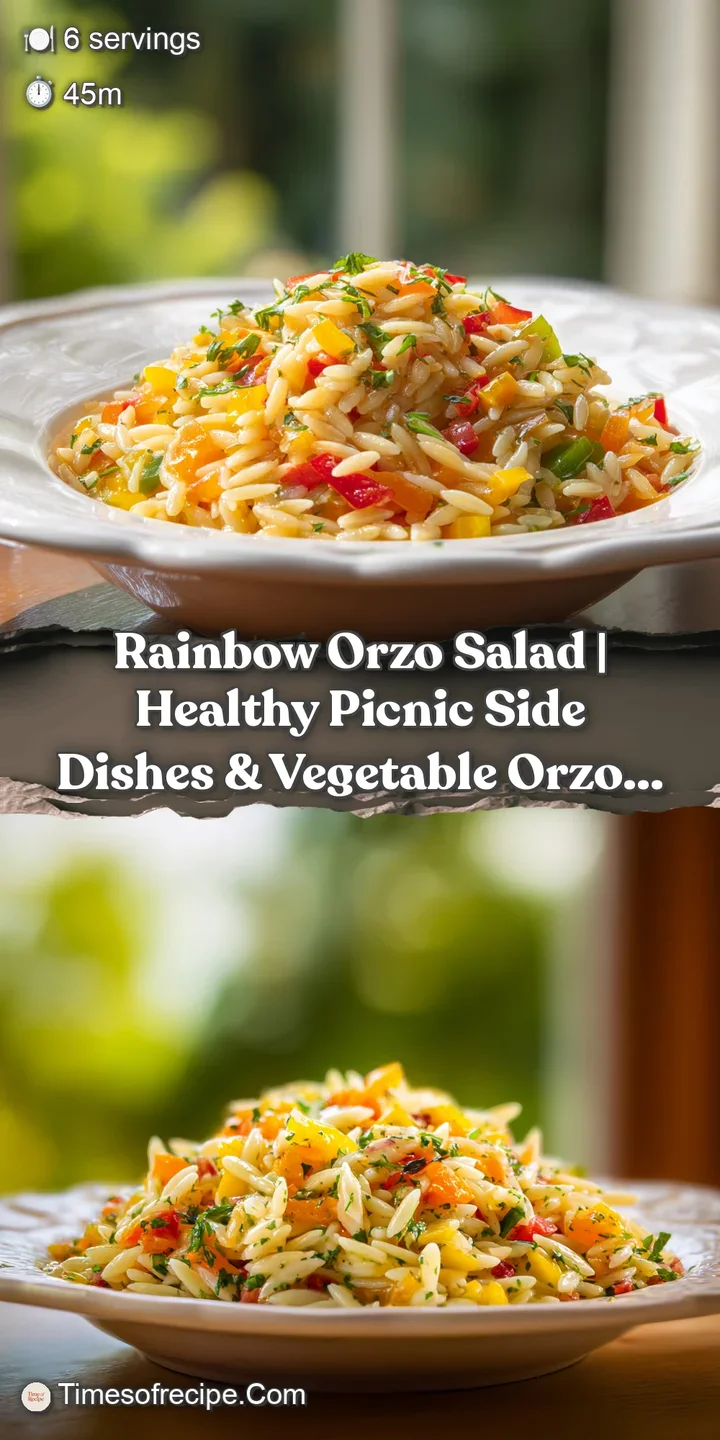
Recipe FAQs
How to keep the orzo from becoming mushy in this salad?
Drain the orzo immediately and rinse it thoroughly under cold running water. This stops the cooking process instantly and removes surface starch, ensuring each grain stays distinct rather than clumping together.
Is it true I can freeze this salad for later?
No, this is a common misconception. Freezing causes the cucumbers and peppers to lose their cellular structure, resulting in an unappealing, mushy texture once thawed.
How to ensure the salad dressing stays perfectly smooth?
Whisk or shake the oil, lemon juice, vinegar, and seasonings vigorously in a mason jar until the mixture looks thick and uniform. If you enjoyed nailing this stable emulsified dressing, you can apply the same physical principles to achieve consistent textures in many other vinaigrettes.
How to prepare the cucumber so it doesn't water down the dish?
Remove all the seeds from the cucumber before dicing it. The seeds contain the highest water content, which can make your salad soggy if left in.
Can I make this salad ahead of time?
Yes, it actually tastes better the next day. Allowing the dish to rest lets the flavors marry, mellowing the red onion's sharp bite and deepening the overall seasoning.
How to achieve the perfect al dente texture for the orzo?
Boil the pasta for exactly 8 9 minutes. You are looking for a firm snap in the center of the grain rather than a fully soft noodle, as the pasta will soften slightly further when tossed with the dressing.
How to store the leftovers properly?
Place the salad in an airtight glass container and keep it in the refrigerator for up to 4 days. Glass is preferred because it prevents the acidic lemon juice from reacting with or absorbing any plastic like flavors from the container walls.
Rainbow Orzo Salad Recipe
Ingredients:
Instructions:
Nutrition Facts:
| Calories | 291 kcal |
|---|---|
| Protein | 7.2 g |
| Fat | 14.4 g |
| Carbs | 34.8 g |
| Fiber | 2.8 g |
| Sugar | 3.1 g |
| Sodium | 585 mg |
