Cream of Tomato Soup: Velvety and Roasted
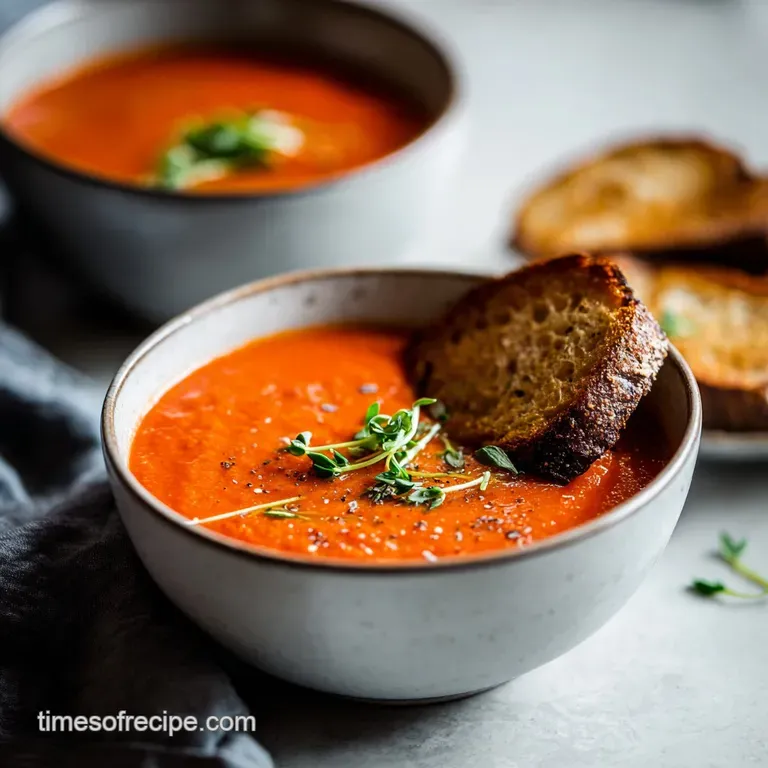
- Time: Active 15 minutes, Passive 45 minutes, Total 60 minutes
- Flavor/Texture Hook: Smoky, rich, and velvety smooth
- Perfect for: Cold weeknights, family gatherings, or nostalgic comfort
- Mastering The Ultimate Cream of Tomato Soup
- Essential Recipe Specs and Times
- Component Deep Dive
- Fresh Ingredient Shopping Guide
- Necessary Tools For Smooth Soup
- Step By Step Cooking Process
- Fixing Common Texture Mistakes
- Simple Dietary Ingredient Swaps
- Storage And Reheating Guidelines
- Perfect Serving And Garnish Ideas
- Recipe FAQs
- 📝 Recipe Card
Mastering The Ultimate Cream of Tomato Soup
The second that tray of roasted tomatoes slides out of the 400°F oven, your kitchen transforms. There is this specific, heady aroma a mix of caramelized onions, charred tomato skins, and softened garlic that smells like a warm hug from your grandmother.
I remember the first time I moved away from the watery, metallic tasting canned stuff and tried roasting my own vegetables for a soup base. It was a total revelation. The way the edges of the onions turn dark and sweet, and how the garlic becomes buttery and mellow under that high heat, creates a depth of flavor that you simply cannot get from a stovetop only method.
This recipe is all about the "hero" ingredient: the fresh plum tomato. While many quick recipes reach for a can, we are leaning into the concentrated flavor of three full pounds of fresh Roma tomatoes.
They have a lower water content than beefsteaks, which means they don't just steam in the oven; they actually roast and intensify. If you have ever felt that homemade tomato soup was a bit too thin or lacked that "punch," the secret lies in that sheet pan.
We aren't just making a vegetable puree here; we are building layers. From the initial sizzle of the olive oil on the hot pan to the final, velvety swirl of heavy cream and cold butter, every step serves a purpose.
It is a hearty, bold, and deeply satisfying meal that reminds me why we bother cooking from scratch in the first place. It’s comfort in a bowl, plain and simple.
Essential Recipe Specs and Times
Before you start chopping, it is helpful to see how this dish scales and how it compares to other methods. This helps you decide if you have the right pan or if you need to double the batch for a larger crowd.
| Servings | Ingredient Adjustments | Pan Size | Cook Time |
|---|---|---|---|
| 3 people | 1.5 lbs tomatoes, 1 cup broth | 9x13 inch pan | 40 minutes |
| 6 people | 3 lbs tomatoes, 2 cups broth | 18x13 inch sheet pan | 45 minutes |
| 12 people | 6 lbs tomatoes, 4 cups broth | Two large sheet pans | 55 minutes |
Choosing the roasting method over the traditional stovetop simmer is what sets this Cream of Tomato Soup apart. While a stovetop version is faster, it lacks the complexity provided by the Maillard reaction that occurs in the oven.
| Method | Time | Texture | Best For |
|---|---|---|---|
| oven-roasted | 45 minutes | Rich, smoky, complex | Deep flavor lovers |
| Stovetop Only | 20 minutes | Bright, acidic, thin | Quick lunch |
The Logic Of Roasting
Sugar Concentration: High oven heat evaporates the internal water of the tomato, focusing the natural sugars and acids into a smaller, more potent package.
Cold Emulsion: Adding the butter cubes while cold ensures they melt slowly into the hot liquid, creating a stable fat in-water suspension that feels luxurious on the tongue.
Acidity Neutralization: A tiny pinch of baking soda reacts with the citric acid in the tomatoes, smoothing out the "sharp" bite without needing excessive sugar.
Herb Infusion: Blending the fresh basil at the very end, rather than simmering it, preserves the bright, peppery essential oils that usually vanish with heat.
Component Deep Dive
| Component | Science Role | Pro Secret |
|---|---|---|
| Plum Tomatoes | Bulk and acidity | Leave the skins on during roasting for a smoky depth. |
| Heavy Cream | Fat and mouthfeel | Use room temperature cream to prevent a thermal shock when blending. |
| Baking Soda | pH balancer | It creates a tiny fizz that indicates the acid is being neutralized. |
| Cold Butter | Emulsifier | Never skip this; it provides the "gloss" seen in professional soups. |
Roasting the garlic whole in its skin (or nestled between tomatoes) keeps it from burning. Burnt garlic is bitter and will ruin the entire batch, so treat those cloves with care. If you find yourself craving a slightly different profile, my Tomato Tortellini Soup offers a similar base with a bit more chew for the kids.
Fresh Ingredient Shopping Guide
- 3 lbs fresh plum or Roma tomatoes: Halved lengthwise. Why this? They have a meaty texture and lower moisture for better roasting.
- Substitute: 2 cans (28 oz) whole peeled tomatoes, drained and roasted similarly.
- 1 large yellow onion: Cut into thick wedges. Why this? Provides a foundational sweetness when caramelized.
- Substitute: 2 large shallots for a more delicate, garlicky onion profile.
- 6 cloves garlic: Peeled. Why this? Roasted garlic adds a mellow, nutty backbone.
- Substitute: 1 tsp garlic powder added to the broth if fresh is unavailable.
- 3 tbsp extra virgin olive oil: For coating. Why this? Carries the heat and adds a fruity fat layer.
- Substitute: Avocado oil or any neutral high smoke point oil.
- 1 tsp sea salt: To season. Why this? Enhances every other flavor in the pot.
- Substitute: Kosher salt (use 1.5 tsp for the same salinity).
- 1/2 tsp freshly cracked black pepper: For a subtle bite. Why this? Freshly cracked has much more aromatic oil than pre ground.
- Substitute: White pepper for a more floral, hidden heat.
- 2 cups vegetable or chicken broth: The liquid base. Why this? Chicken broth adds body; vegetable broth keeps it vegetarian.
- Substitute: Water with a bouillon cube, though it lacks the same depth.
- 2 tbsp double concentrated tomato paste: For richness. Why this? Adds "umami" and a darker red color.
- Substitute: 3 tbsp regular tomato paste, simmered slightly longer.
- 1/2 tsp dried oregano: For earthy notes. Why this? Oregano pairs naturally with the acidity of tomatoes.
- Substitute: Dried thyme or a pinch of Italian seasoning.
- 1/4 tsp red pepper flakes: For a tiny kick. Why this? Cuts through the richness of the cream.
- Substitute: A dash of cayenne or omit for zero heat.
- 1 cup fresh basil leaves: Packed tight. Why this? The signature aromatic partner for tomatoes.
- Substitute: 2 tbsp basil pesto (reduce the olive oil elsewhere if using).
- 1/2 cup heavy cream (36% milkfat): For the velvety finish. Why this? Provides the "cream" in Cream of Tomato.
- Substitute: Full fat coconut milk (adds a slight tropical nuttiness).
- 2 tbsp cold unsalted butter: Cubed. Why this? Mounts the sauce for a professional, glossy texture.
- Substitute: Vegan butter or extra virgin olive oil swirled in at the end.
- 1/8 tsp baking soda: To balance acid. Why this? Chemically rounds out the sharp tomato bite.
- Substitute: 1 tsp granulated sugar (this masks rather than neutralizes acid).
Necessary Tools For Smooth Soup
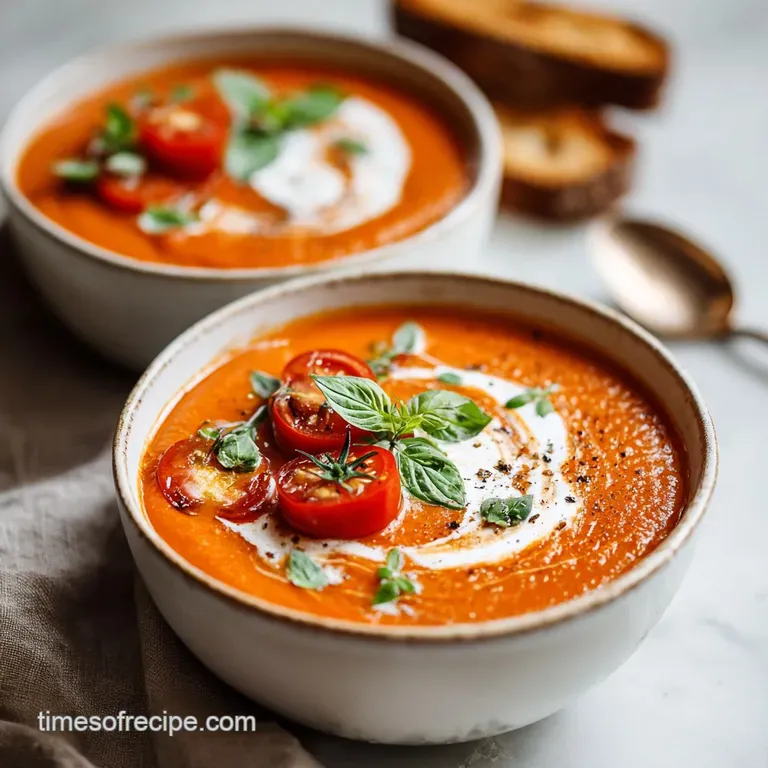
You don't need a professional kitchen, but a few specific items make this much easier. A large rimmed baking sheet is non negotiable; you need that surface area so the tomatoes roast rather than steam.
I prefer using parchment paper for easy cleanup and to ensure I can pour every drop of the "liquid gold" (the pan juices) back into the pot.
For the blending stage, a high speed blender (like a Vitamix or Blendtec) will give you that completely "shatter smooth" texture. If you only have an immersion blender, you’ll get a slightly more rustic, thicker result. If you really want that Michelin star finish, a fine mesh sieve is your best friend.
Passing the finished soup through it removes any stray tomato seeds or bits of skin that the blades missed.
Chef's Tip: Freeze your butter for 10 minutes before cubing it. The colder the butter, the better it emulsifies into the hot soup without breaking into a greasy film.
step-by-step Cooking Process
- Preheat your oven to 400°F (200°C). Arrange the halved tomatoes, onion wedges, and whole garlic cloves on a large rimmed baking sheet lined with parchment paper. Note: Parchment prevents the sugars from sticking and burning to the metal.
- Drizzle the vegetables with extra virgin olive oil and season with sea salt and black pepper. Toss to coat evenly. Ensure the tomatoes are cut side up to allow moisture to escape and the tops to char.
- Roast for 35–45 minutes until the tomato skins are slightly charred and the onions are caramelized at the edges. You should smell a deep, sweet aroma wafting from the oven.
- Transfer the roasted vegetables and all pan juices into a large Dutch oven or heavy bottomed pot. Note: The pan juices contain most of the concentrated flavor.
- Add the broth, tomato paste, dried oregano, and red pepper flakes. Bring to a gentle simmer over medium heat and cook for 10 minutes until the liquid is bubbling softly and turning a deep orange red.
- Transfer the mixture to a high speed blender. Add the fresh basil leaves. Work in batches if your blender is small to avoid a "steam explosion" from the heat.
- Blend on high while carefully adding the heavy cream, cold cubed butter, and baking soda. The soup will turn a lighter, vibrant shade of orange as the fats emulsify.
- For an ultra smooth finish, pass the soup through a fine mesh sieve before serving. Discard the small amount of pulp and seeds left in the sieve for a velvety texture.
Fixing Common Texture Mistakes
Sometimes things don't go exactly to plan. Maybe your tomatoes were extra juicy, or your blender didn't quite get through the skins. Don't panic; almost every soup issue is fixable with a simple kitchen pivot.
Grainy Or Textured Results
If your soup feels a bit gritty on the tongue, it’s usually because the tomato skins or basil stems didn't fully break down. This often happens with older blenders. The solution is simple: pass it through a fine mesh strainer. Press down with a ladle to get every drop of liquid through.
It’s an extra step, but it’s the difference between "home style" and "gourmet."
Dealing With Thin Soup
If the soup seems more like a juice than a meal, you likely had very watery tomatoes or added too much broth. You can fix this by simmering the soup uncovered for another 10–15 minutes to reduce the liquid.
Alternatively, you can blend in a half cup of mashed potatoes or a slice of crustless white bread; both provide starch that thickens the body without altering the flavor profile significantly.
Preventing Cream Curdling
Seeing white flecks in your beautiful red soup is heartbreaking. This happens when cold cream hits boiling soup or when the soup is too acidic. To prevent this, make sure you use the baking soda to neutralize the acid first.
Also, temper your cream by mixing a little hot soup into the cream container before pouring the whole mess into the blender.
| Problem | Root Cause | Solution |
|---|---|---|
| Separating/Oily | Butter melted too fast | Pulse in a blender again with one more cube of ice cold butter. |
| Too Tart/Sour | Under ripe tomatoes | Add another 1/8 tsp of baking soda or a teaspoon of honey. |
| Dull Color | Not enough roasting | Stir in an extra tablespoon of tomato paste and simmer for 5 mins. |
Common Mistakes Checklist
- ✓ Don't overcrowd the baking sheet - if vegetables are touching too much, they will steam instead of roast.
- ✓ Never boil the soup after the cream has been added; high heat can break the dairy emulsion.
- ✓ Pat the tomatoes dry if they seem excessively wet before oiling them.
- ✓ Keep the blender lid slightly vented (covered with a towel) to let steam escape while processing.
- ✓ Use full fat heavy cream; lower fat milks lack the stability to withstand the tomato's acidity.
Simple Dietary Ingredient Swaps
If you are cooking for a crowd with different needs, this Cream of Tomato Soup is actually quite flexible. Because the base is entirely vegetable focused, small swaps in the dairy department can change the whole profile without losing that essential comfort.
- Vegan/dairy-free: Swap the heavy cream for full fat coconut milk (the kind in the can) and use a high-quality vegan butter or simply an extra tablespoon of olive oil.
- Low Carb/Keto: This recipe is already quite low in carbs, but ensure your broth has no added sugars and stick with the heavy cream for the healthy fats.
- Protein Boost: Whisk in a scoop of unflavored collagen peptides or blend in half a can of rinsed cannellini beans. The beans will make it thicker and add a punch of fiber and protein without changing the tomato taste.
Storage And Reheating Guidelines
Tomato soup is one of those rare dishes that actually tastes better the next day. The flavors continue to meld in the fridge, and the acidity mellows even further.
Fridge Storage: Store in an airtight glass container for up to 4 days. Glass is better than plastic because tomatoes can stain and plastic sometimes holds onto old scents.
Freezer Instructions: You can freeze this soup for up to 3 months. However, dairy sometimes separates during the thawing process. For the best results, freeze the soup before adding the cream and butter.
When you're ready to eat, thaw the base, bring it to a simmer, and then blend in the fresh cream and cold butter.
Reheating: Reheat on the stovetop over low medium heat. Avoid the microwave if possible, as it can heat unevenly and cause the cream to "break." If you must microwave, do it in 30 second bursts, stirring in between.
Perfect Serving And Garnish Ideas
We can't talk about tomato soup without mentioning the grilled cheese sandwich. It is the law of the kitchen! For a "Gourmet Grilled Cheese," try using a mix of sharp white cheddar and gruyère on sourdough bread.
Swipe the outside of the bread with mayo instead of butter for a perfectly even, golden brown crunch that will shatter when you bite into it.
If you want something a bit lighter, a Mediterranean garnish is beautiful. A swirl of high-quality olive oil, a few toasted pine nuts, and a sprinkle of fresh feta cheese add a salty, briny contrast to the sweet soup. I also love topping it with homemade sourdough croutons rubbed with a raw garlic clove. For those rainy days when only a thick bowl will do, I often rotate between this and a creamy potato soup to keep the comfort levels high.
Final Thoughts On Myths
One common myth is that you must peel tomatoes before roasting. Honestly, don't even bother. The skins provide a protective barrier that allows the flesh to caramelize, and they add a rustic, smoky note to the final blend. Another misconception is that you need a ton of sugar to fix "bad" tomatoes.
While a pinch helps, the baking soda trick is far more effective at making a "cheap" tomato taste like a summer harvest. Trust me on this it's a game changer for your soup game!

Recipe FAQs
What is the difference between tomato soup and cream of tomato soup?
Texture and fat content distinguish the two. Regular tomato soup is typically broth based, while cream of tomato soup incorporates heavy cream and cold butter to create a rich, velvety consistency.
How do I make cream of tomato soup?
Roast 3 lbs of plum tomatoes, one onion, and 6 garlic cloves at 400°F for 35 45 minutes. Simmer the roasted vegetables with 2 cups of broth, 2 tbsp tomato paste, oregano, and red pepper flakes for 10 minutes, then blend with fresh basil, 1/2 cup heavy cream, 2 tbsp cold butter, and 1/8 tsp
baking soda.
Is tomato soup good for gastritis?
No, it is generally not recommended. Tomatoes are highly acidic, which can irritate the stomach lining; the addition of baking soda in this recipe helps neutralize some acidity, but it may still trigger symptoms for sensitive individuals.
Is tomato soup good for hypertension?
It depends on your sodium intake. While tomatoes provide heart healthy lycopene, the sea salt and broth used in the recipe contain sodium, so you should monitor your total daily intake carefully.
How to ensure the soup is perfectly smooth?
Pass the blended mixture through a fine mesh sieve before serving. This removes any remaining tomato skins or seeds, ensuring the velvety texture desired for a premium finish.
Is it true I can freeze cream of tomato soup for months?
No, this is a common misconception if the dairy is already added. Heavy cream tends to separate upon thawing, so freeze the base before adding the cream and butter for the best results.
How to keep the soup from breaking when reheated?
Reheat slowly over low heat and avoid letting it reach a boil. High heat causes the dairy emulsion to break, which ruins the smooth, consistent texture of the finished soup.
Roasted Cream Of Tomato Soup
Ingredients:
Instructions:
Nutrition Facts:
| Calories | 229 kcal |
|---|---|
| Protein | 4.1 g |
| Fat | 18.3 g |
| Carbs | 15.2 g |
| Fiber | 3.1 g |
| Sugar | 9.6 g |
| Sodium | 485 mg |
