Ultimate Umami Vegetable Broth
- Time: Active 15 minutes, Passive 55 minutes, Total 70 minutes
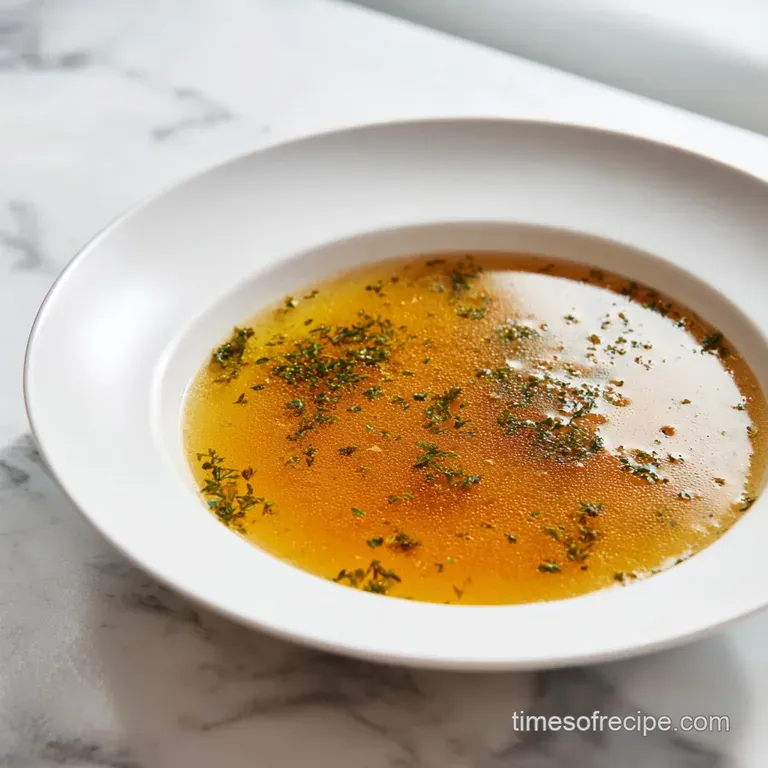
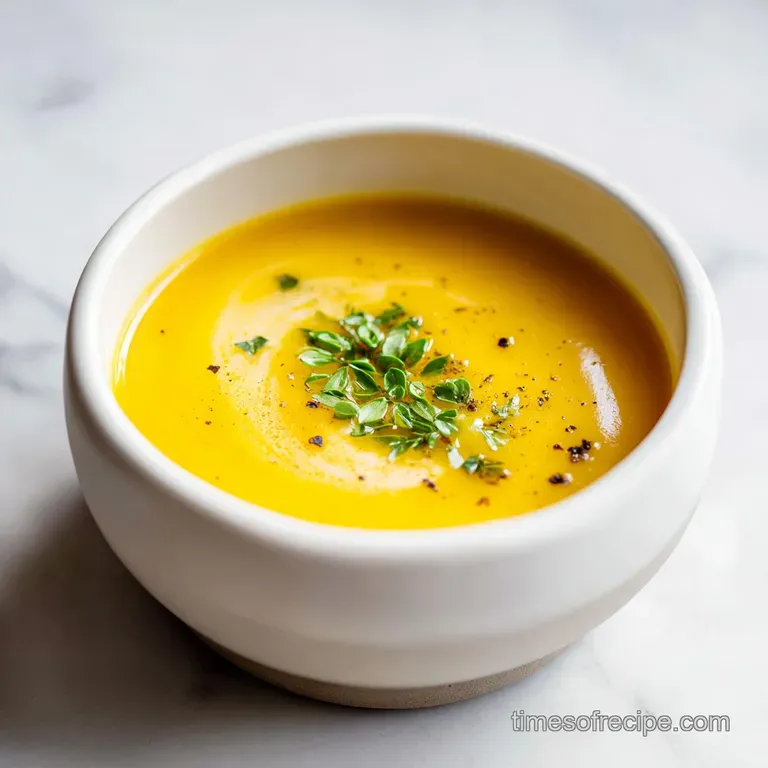
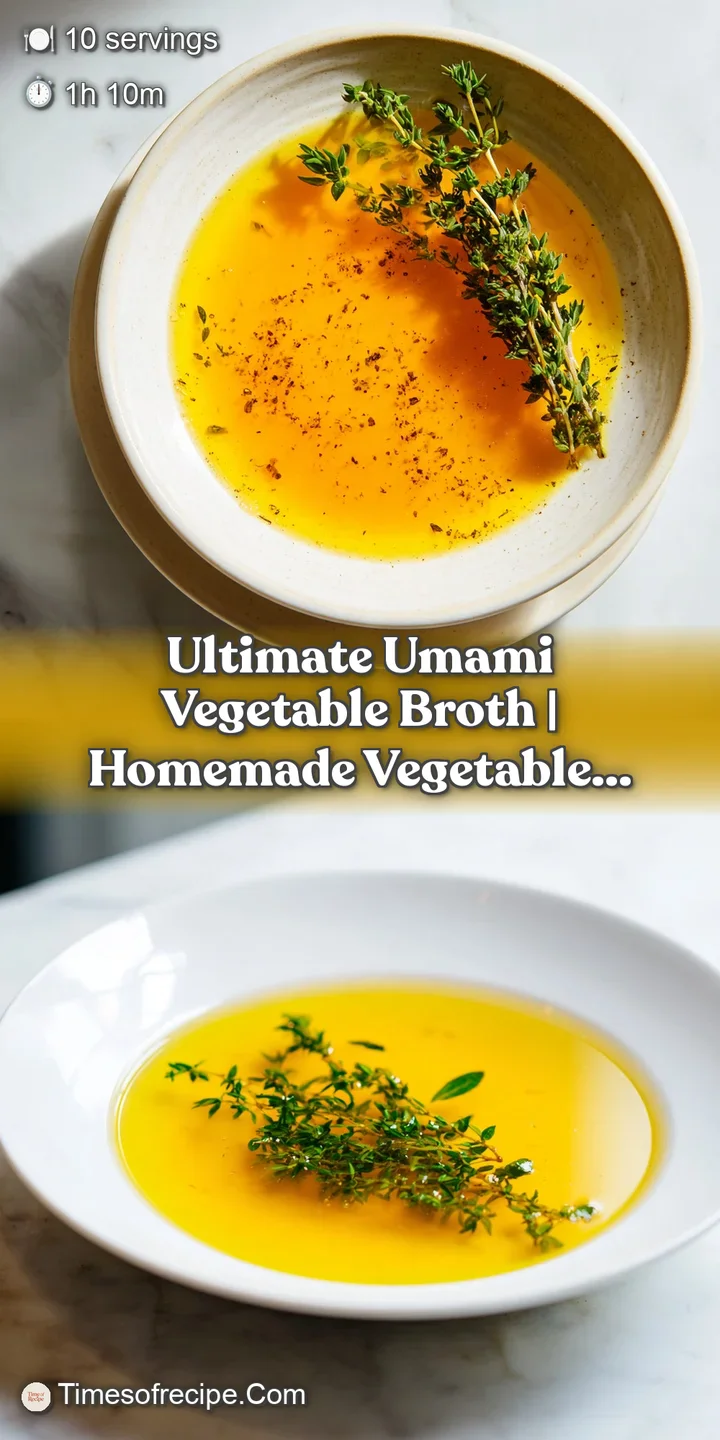
- Flavor/Texture Hook: Velvety, deeply savory, and copper toned
- Perfect for: Batch cooking, budget-friendly meal prep, and flavor first soups
- Nailing Your Flavorful Homemade Vegetable Broth
- Understanding the Basic Recipe Specs
- Selecting high-quality Foundation Ingredients
- Essential Tools for Batch Cooking
- Executing the Deep Roasting Method
- Managing Unexpected Bitter Flavors
- Guidelines for Scaling the Batch
- Proper Storage Guidelines
- Creative Ways to Use Broth
- Recipe FAQs
- 📝 Recipe Card
Nailing Your Flavorful Homemade Vegetable Broth
We’ve all been there: you spend forty minutes chopping vegetables, simmer them for an hour, and end up with a pot of hot, slightly yellow water that tastes like... well, nothing. It’s a frustrating kitchen failure that usually leads to reaching for a salty bouillon cube just to salvage your dinner.
The problem isn't your vegetables; it's the lack of heat and the absence of a proper browning phase that prevents the flavor from actually entering the liquid.
To make vegetable broth that actually stands up to a hearty stew or a risotto, we have to move away from the "boiled salad" mindset. This recipe focuses on a targeted fix: roasting.
By exposing onions, carrots, and celery to a over high heat environment before they ever touch the water, we initiate a series of physical changes that create a complex, concentrated liquid.
It’s an efficient strategy that turns a basic pantry staple into a high performance ingredient without adding a single cent to your grocery bill.
This approach is about more than just taste; it’s about nutritional strategy and kitchen efficiency. We are using every part of the vegetable, including the skins and stems, to ensure we extract every bit of value. You'll notice the color is a deep, rich copper rather than a pale straw hue.
That color is your first visual cue that the broth will have a velvety mouthfeel and a savory backbone that can finally compete with traditional meat stocks.
Understanding the Basic Recipe Specs
When we look at the efficiency of a recipe, the numbers tell the real story. We aren't just guessing here; these specific measurements ensure that the water to vegetable ratio is balanced enough to provide a concentrated flavor without wasting resources.
If you use too much water, you dilute the solutes; too little, and you end up with a vegetable tea that lacks body.
| Roasting Phase | Simmering Phase | Final Yield | Visual Cue |
|---|---|---|---|
| 25-30 minutes | 45 minutes | 2.5 quarts | Deep copper liquid |
| 425°F (220°C) | Medium low heat | 10 servings | Softened vegetables |
| Constant sizzle | Gentle bubbles | Clear broth | Browned tomato paste |
Roasting at 425°F (220°C) is the non negotiable first step for this specific outcome. This temperature is high enough to trigger the darkening of the natural sugars in the carrots and onions but controlled enough that, with a mid way turn, you won't incinerate the garlic.
It creates a robust foundation that survives the subsequent 45 minutes of simmering.
Selecting high-quality Foundation Ingredients
The key to a budget smart kitchen is knowing which ingredients do the heavy lifting. In this case, it's about identifying the "umami bombs" that replace the need for expensive meat bones. Dried shiitake mushrooms and tomato paste are our strategic partners here.
They provide a depth of flavor that simple carrots and celery cannot achieve on their own.
What Makes the Color Deep: Onion skins are the secret. I leave them on because they contain pigments and tannins that provide that signature amber glow. Without them, your broth will always look a bit anemic, regardless of how long you simmer it.
The Role of Tomato Paste: Most people stir tomato paste into liquid, but that's a mistake. We roast it with the vegetables. This removes the "raw" metallic taste and transforms the paste into a sweet, savory glue that coats the vegetables and eventually dissolves into a rich broth.
Why Cold Water Matters: We always start with cold filtered water. Starting with hot water from the tap can pull impurities from your pipes, and more importantly, it causes the proteins and starches in the vegetables to lock up too quickly.
Cold water allows for a slow, steady extraction as the temperature rises.
| Ingredient | Science Role | Pro Secret |
|---|---|---|
| 2 Large Onions (300g) | Sulfur compounds for base | Keep the skins on for a deep copper color. |
| 2 tbsp Tomato Paste (32g) | Concentrated glutamates | Roast until it turns a dark brick red. |
| 4-5 Dried Shiitakes (15g) | Guanylate for umami | They add "meatiness" without using any animal products. |
| 1 strip Kombu (Optional) | Natural MSG source | Add only in the last 10 minutes to prevent slime. |
When you're preparing these, remember that the Broccoli Cheddar Soup recipe relies heavily on a broth that isn't too acidic. That's why we balance the tomato paste with plenty of earthy aromatics like thyme and parsley stems. Using stems instead of leaves is a zero waste strategy; the stems actually hold more concentrated oils and won't turn into a bitter mush as quickly as the delicate leaves do.
For the vegetables, use what you have, but stick to the core ratios for consistency. - 2 large onions, unpeeled and quartered (300g) Why this? Base flavor and color. - 3 large carrots, cut into 2 inch chunks (200g) Why this? Natural sweetness. - 4 stalks celery, including leaves, cut into 2 inch chunks (150g) Why this? Salty, herbaceous notes. - 1 head garlic, halved crosswise (50g) Why this? Pungent depth. - 2 tablespoons tomato paste (32g) Why this? Umami and color. - 2 tablespoons neutral oil (30ml) Why this? Heat transfer for roasting. - 4-5 pieces dried shiitake mushrooms (15g) Why this? Earthy savory flavor. - 3 quarts cold filtered water (2.8 liters) Why this? The extraction medium. - 1 large leek, green parts only (100g) Why this? Onion like sweetness. - 6 sprigs fresh thyme Why this? Woodsy aroma. - 1 small bunch parsley stems Why this? Brightness and clarity. - 2 dried bay leaves Why this? Subtle floral background. - 1 teaspoon whole black peppercorns (5g) Why this? Slow release heat.
If you're out of leeks, you can easily substitute with more onion or the white parts of green onions. The goal is to keep the flavor profile balanced between sweet, savory, and aromatic.
Essential Tools for Batch Cooking
You don't need a professional kitchen, but a few specific tools make the process more efficient. A large rimmed baking sheet is essential for the roasting phase; it provides enough surface area so the vegetables actually brown instead of steaming. If they're too crowded, they'll just release moisture and get soggy.
An 8 quart stockpot is the ideal size for this volume of water. It allows enough headspace so that as the liquid simmers, you don't have to worry about boil overs. Finally, a fine mesh strainer is non negotiable. To get that velvety texture, we need to remove every bit of sediment and vegetable fiber.
| Original Ingredient | Substitute | Why It Works |
|---|---|---|
| Dried Shiitakes | 1 tbsp Soy Sauce | Both provide high levels of glutamates for savory depth. |
| Leek Greens | Extra Onion | Similar sulfur based flavor profile, though slightly less sweet. |
| Tomato Paste | Sundried Tomatoes | High concentration of lycopene and natural sugars. |
Once you have your tools ready, you'll find that the process moves quickly. The transition from the oven to the pot is where the magic happens. Don't leave those browned bits behind on the baking sheet; that's where the concentrated flavor lives.
Executing the Deep Roasting Method
Preheat your oven to 425°F (220°C). Note: This high heat is necessary to jumpstart the browning process.
On a large rimmed baking sheet, toss the quartered onions, carrots, celery, and halved garlic with neutral oil and tomato paste until evenly coated.
Roast for 25–30 minutes, turning halfway through, until the vegetables are deeply browned and the tomato paste has caramelized.
Transfer the roasted vegetables and all scrapings from the baking sheet into an 8 quart stockpot.
Add the dried shiitake mushrooms, leek greens, thyme, parsley, bay leaves, and peppercorns.
Pour in the cold filtered water.
Bring to a gentle simmer over medium low heat until small bubbles break the surface. Do not let it reach a rolling boil to ensure clarity.
Maintain a gentle simmer for 45 minutes.
If using kombu, add it for the final 10 minutes of simmering until the sea scent is barely detectable.
Strain the broth through a fine mesh strainer lined with cheesecloth into a clean container. Discard the solids.
Managing Unexpected Bitter Flavors
One of the most common issues when learning how to make vegetable broth at home is the development of a bitter aftertaste. This usually happens if you include too many brassicas like broccoli or cabbage or if you let the vegetables simmer for hours on end.
Unlike meat bones, which require long cook times to break down collagen, vegetables release their flavor quickly. After 45 to 60 minutes, the cell walls have completely collapsed, and you're no longer extracting "good" flavor; you're just extracting bitter cellulose.
Avoiding Cloudy Broth Results
Cloudiness is another frustration. It happens when the broth is boiled too vigorously. The violent movement of a rolling boil acts like a blender, emulsifying the vegetable fats and breaking small particles of fiber into the liquid. To keep it clear and professional, keep the heat low.
You want a "lazy" simmer just a few bubbles dancing on the surface.
Fixing Weak Flavor Profiles
If your broth tastes like water, you likely didn't roast long enough or you didn't use enough salt at the end. Salt is a flavor magnifier. While we don't add salt during the simmering process (to keep the broth versatile for various recipes), a pinch of salt added to a tasting spoon will often "wake up" all those roasted notes.
| Problem | Root Cause | Solution |
|---|---|---|
| Bitter taste | Overcooked vegetables | Limit simmering to 45-60 minutes maximum. |
| Cloudy appearance | Rolling boil | Keep at a medium low heat for a gentle simmer. |
| Lack of body | No roasting | Always roast vegetables at 425°F before simmering. |
Common Mistakes Checklist
- ✓ Don't peel the onions; the skins provide 80% of the final color.
- ✓ Avoid "dirty" vegetables like turnips or old radishes which can turn the flavor swampy.
- ✓ Never let the broth reach a hard boil if you want a clear, refined result.
- ✓ Don't discard the roasted bits on the tray; deglaze with a splash of water and add to the pot.
- ✓ Use cold water to start to ensure a slow, even extraction of nutrients.
Guidelines for Scaling the Batch
If you are cooking for a large family or doing monthly meal prep, you can easily double this simple vegetable broth recipe. When doubling, you will need two baking sheets to ensure the vegetables still have room to roast properly.
If you crowd them onto one sheet, they will steam instead of brown, and you'll lose that essential Maillard reaction.
For a half batch, use a smaller 4 quart pot and reduce the simmering time by about 10 minutes. The extraction happens faster with a smaller volume of water. However, the roasting time remains the same because the physical size of the vegetable chunks hasn't changed.
| Servings | Water Amount | Pot Size | Simmer Time |
|---|---|---|---|
| 5 people | 1.5 quarts | 4 quarts | 35 mins |
| 10 people | 3 quarts | 8 quarts | 45 mins |
| 20 people | 6 quarts | 16 quarts | 55 mins |
When you scale up, the seasonings don't always need to double linearly. For instance, if you're making 6 quarts, you might only need 3 bay leaves instead of 4, as their flavor can become overpowering in large quantities. This is particularly important if you plan on using the broth for a delicate Chicken Vegetable Soup where you want the ingredients to shine.
Proper Storage Guidelines
Efficiency doesn't stop once the broth is made. Storing it correctly is what makes it a true kitchen strategy. Fresh broth will last in the fridge for up to 5 days, but for long term use, freezing is the way to go.
I prefer using silicone ice cube trays for small portions (perfect for deglazing a pan) and quart sized freezer bags for full recipes.
When freezing in bags, lay them flat on a baking sheet until frozen solid. This creates "broth bricks" that stack easily and take up minimal space. It’s a much better strategy than using bulky plastic containers that leave too much air in the top, which can lead to freezer burn.
Zero Waste Kitchen Strategies
The solids left in your strainer might look like trash, but they have one last use. While most of the flavor is gone, they can be composted to return nutrients to the soil. If you have chickens, they will absolutely love the softened carrots and celery.
Another zero waste tip: keep a "stock bag" in your freezer. Throughout the week, toss in your leek tops, parsley stems, and carrot peels. When the bag is full, follow this roasting and simmering method. It turns what would be garbage into a high-quality homemade vegetable broth recipe that costs almost nothing.
Creative Ways to Use Broth
While soup is the obvious choice, this copper toned liquid is a powerhouse in other areas of cooking. Use it to cook grains like quinoa or farro to infuse them with savory notes from the inside out. You can also use it as a base for a "pan sauce" by deglazing your skillet after searing mushrooms or tofu.
Enhancing Your Presentation
If you are serving the broth as a clear consommé, the presentation matters. A single drop of high-quality olive oil on the surface can create beautiful golden orbs that catch the light.
You can also garnish with a very fine chiffonade of fresh herbs right before serving to add a pop of green against the amber liquid.
The Clear Consommé Look
To get that perfectly clear, professional look, you can strain the broth a second time through a coffee filter. It’s a slow process, but it removes the microscopic particles that a cheesecloth might miss. The result is a liquid that looks like liquid gold and has a clean, sharp flavor profile.
Infused Steam Techniques
When reheating your broth, consider adding a fresh sprig of thyme or a slice of ginger to the pot. This "second infusion" adds a layer of fresh aroma that complements the deep, roasted base. It’s a quick way to make a batch of broth feel brand new, even if it’s been in your freezer for a month.
Making vegetable stock from scratch isn't about following a rigid set of rules; it's about understanding how heat and water interact with plants. Once you master the roasting step, you'll never go back to the store-bought cartons again. It's a simple, effective change that changes the way you cook every single meal.
Try it once, and the difference in your next soup will be undeniable.
Recipe FAQs
How do you make simple vegetable broth?
Preheat your oven to 425°F (220°C) and roast quartered onions, carrots, celery, and garlic with tomato paste and oil for 25 30 minutes. Transfer these to an 8-quart stockpot with dried shiitake mushrooms, leek greens, herbs, peppercorns, and cold water, then simmer gently for 45 minutes before straining.
What is vegetable broth made of?
This recipe relies on a combination of roasted aromatics like onions, carrots, celery, and garlic, combined with leek greens, dried shiitake mushrooms, fresh thyme, parsley, bay leaves, and black peppercorns. Using the onion skins is essential, as they provide the majority of the deep, rich color for the final broth.
Is vegetable broth ok for IBS?
Consult with your healthcare provider regarding specific dietary restrictions, as individual triggers vary significantly. While this broth contains garlic and onions, which are common high FODMAP ingredients, using this broth as a base for low-FODMAP meals, such as our simple pasta salad, may require modifying the aromatic profile to suit your needs.
Is vegetable stock okay for gout?
Yes, vegetable based broths are generally recommended as a low-purine alternative to meat stocks. This recipe uses plant based ingredients exclusively, making it a safer option for those monitoring their purine intake compared to traditional bone broths.
Why is my broth cloudy?
Cloudiness usually occurs if you allow the pot to reach a rolling boil rather than a gentle simmer. Always keep the heat at a steady, low level to ensure the liquid remains clear and refined.
Can I peel the onions before roasting?
No, this is a common misconception. You should keep the skins on the onions because they are responsible for 80% of the final golden color of the broth.
Should I use hot water to start the extraction?
No, you should always use cold filtered water. Starting with cold water ensures a slow, even extraction of flavors and nutrients from the vegetables as the temperature gradually increases.
Roasted Vegetable Broth
Ingredients:
Instructions:
Nutrition Facts:
| Calories | 31 kcal |
|---|---|
| Protein | 0.4 g |
| Fat | 2.6 g |
| Carbs | 1.8 g |
| Fiber | 0.1 g |
| Sugar | 0.9 g |
| Sodium | 42 mg |
