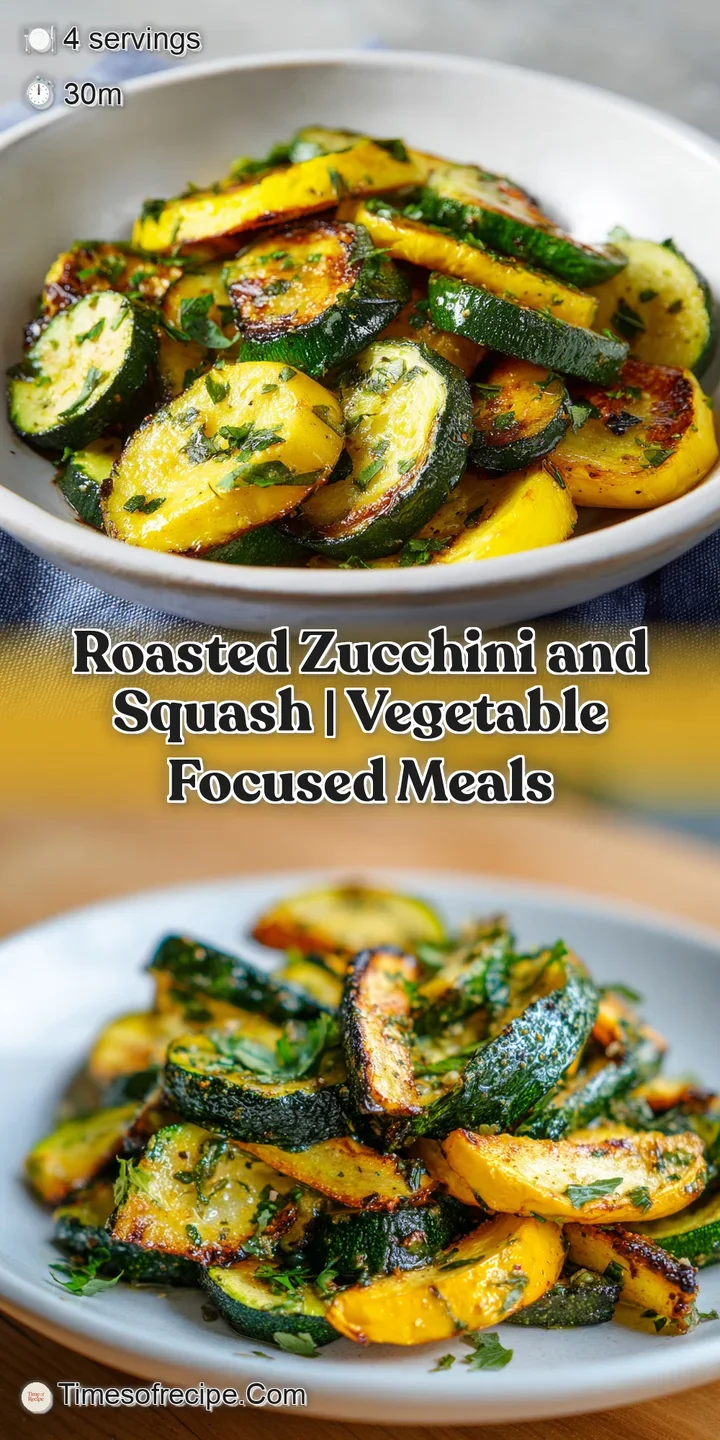
Roasted Zucchini and Squash: Crispy and Caramelized
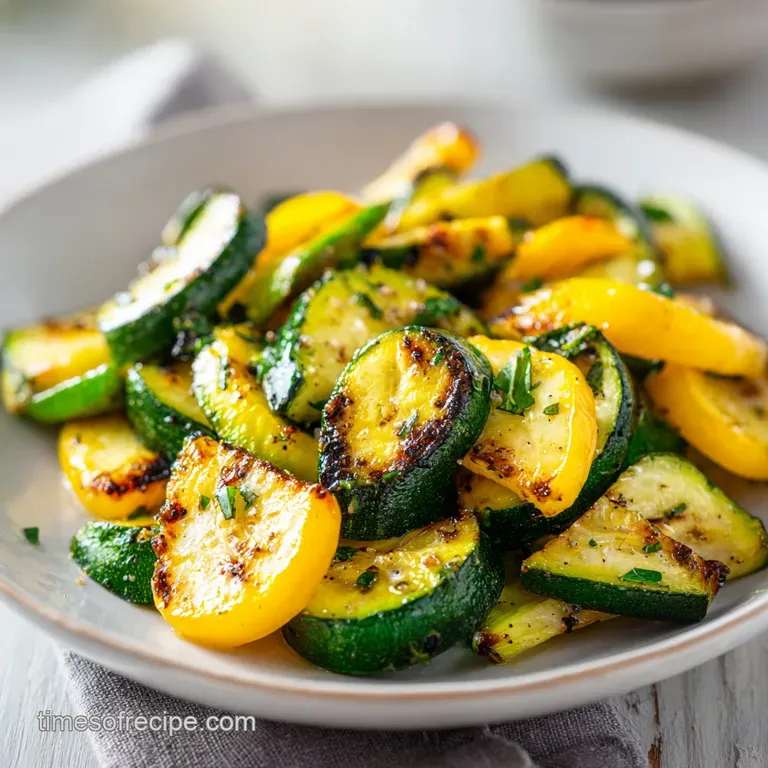
- Time: Active 10 minutes, Passive 20 minutes, Total 30 minutes
- Flavor/Texture Hook: Charred edges with a shattering parmesan crust
- Perfect for: High protein meal prep or efficient weeknight side dishes
- High Heat Success with Roasted Zucchini and Squash
- Critical Timing and Efficiency Metrics
- Component Science and Ingredient Roles
- Necessary Equipment for Crispy Results
- Systematic Execution and Cooking Steps
- Troubleshooting Texture and Moisture Problems
- Ingredient Swaps and Flavor Variations
- Storage Methods and Waste Reduction
- Pairing Strategies and Serving Tips
- Common Myths About Roasting Squash
- Recipe FAQs
- 📝 Recipe Card
High Heat Success with Roasted Zucchini and Squash
The smell of caramelized squash and toasted parmesan hitting a hot pan is unmistakable. When the oven door opens at 425°F (220°C), you shouldn't smell steaming vegetables, you should smell the sharp, nutty aroma of cheese bonding to the edges of 1/2 inch half moons.
We have all seen that sad, grey, watery pile of squash that comes from low temp roasting, but this method is designed to fix that immediately.
I spent years wondering why my vegetables ended up limp until I realized the physics of water evaporation was working against me. Zucchini and yellow squash are roughly 95% water. If you don't hit them with enough heat fast enough, they simply boil in their own juices.
We are aiming for a specific texture where the outside is slightly blistered and the parmesan has turned into a golden, crackling shell that protects the tender center.
This recipe is built on efficiency and nutritional density. We are using two medium zucchinis and two yellow summer squashes, roughly 400g each, to ensure we have enough volume for four servings. The goal is a functional, healthy addition to your plate that actually tastes like it belongs in a high end bistro.
It is about using basic ingredients like garlic powder and Italian seasoning to create maximum impact with minimal effort.
Critical Timing and Efficiency Metrics
Roasting vegetables is a game of precision. If the slices are too thin, they disappear into mush, too thick and the outside burns before the middle softens. We use a 1/2 inch thickness as the standard for 425°F (220°C) roasting because it allows for the "shatter" effect of the cheese while keeping the vegetable's structural integrity.
The One Step Most People Skip: Most home cooks overcrowd the pan. When vegetables are too close, the moisture escaping from one piece gets trapped under the next, creating a steam chamber.
By ensuring a single layer with visible space between pieces, the hot air can circulate and evaporate that 95% water content instantly, leading to crispy edges rather than soggy centers.
| Thickness | Internal Texture | Surface Result | Optimal Time |
|---|---|---|---|
| 1/4 inch | Very Soft | High Char | 12-15 minutes |
| 1/2 inch | Firm Tender | Golden Crust | 20 minutes |
| 1 inch | Al Dente | Light Browning | 25-28 minutes |
This table serves as your primary decision tool. If you prefer a more "melt in-your mouth" texture, you can go thinner, but for the best balance of nutrition and mouthfeel, stick to the 1/2 inch half moons.
The 20 minutes cook time is the sweet spot where the Italian seasoning toasts without becoming bitter.
Component Science and Ingredient Roles
The logic behind this ingredient list is based on fat to moisture ratios. Extra virgin olive oil isn't just for flavor, it acts as a thermal conductor, transferring the oven's heat directly into the vegetable's skin. Without the oil, the spices would simply fall off and the squash would dehydrate rather than roast.
| Ingredient | Science Role | Pro Secret |
|---|---|---|
| Zucchini/Squash | High moisture base | Use medium sizes; larger ones have woody seeds |
| Extra Virgin Olive Oil | Heat conductor | Ensures even browning and spice adhesion |
| Parmesan Cheese | Protein crust | Use finely grated for maximum surface coverage |
| Sea Salt | Osmotic agent | Draws out surface moisture for faster browning |
The sea salt plays a dual role here. It seasons the vegetable, but it also initiates osmosis. By tossing the vegetables vigorously in the bowl with salt and oil, you create a thin slurry that helps the parmesan stick.
This prevents the cheese from just sliding to the bottom of the baking sheet during the 20 minutes cook time.
When selecting your produce, look for zucchini and squash that feel heavy for their size and have tight, shiny skin. If the skin is dull or feels slightly soft, the vegetable has already lost its internal cell pressure, and it will likely turn to mush in the oven regardless of the temperature.
Necessary Equipment for Crispy Results
Efficiency in the kitchen starts with the right tools. For Roasted Zucchini and Squash, you need a large rimmed baking sheet. I recommend a heavy duty aluminum pan because aluminum is an excellent conductor of heat.
Avoid thin, dark non stick pans if possible, as they can cause the parmesan to burn before the squash is cooked through.
You will also need parchment paper. This is a non negotiable step for zero waste cleanup and to prevent the parmesan crust from sticking to the metal. If the cheese sticks to the pan, you lose the best part of the dish. A large mixing bowl is also essential. Do not try to season the vegetables directly on the tray.
You need the "vigorous toss" to emulsify the oil and spices, ensuring every single half moon is fully coated.
| Fresh Produce | Pre Cut Shortcut | Result Comparison |
|---|---|---|
| Whole Zucchini | Pre sliced containers | Fresh stays firmer; pre cut often leaks water |
| Block Parmesan | Pre shaken "green can" | Fresh melts better; canned is too salty |
| Whole Garlic | Garlic Powder | Powder distributes more evenly for roasting |
Using fresh produce is always the superior strategy. Pre cut vegetables in grocery stores often sit in their own moisture, which degrades the cell walls. This leads to a lackluster texture once roasted.
Garlic powder is actually preferred over fresh garlic here because fresh minced garlic tends to burn at 425°F (220°C), becoming acrid and bitter.
Systematic Execution and Cooking Steps
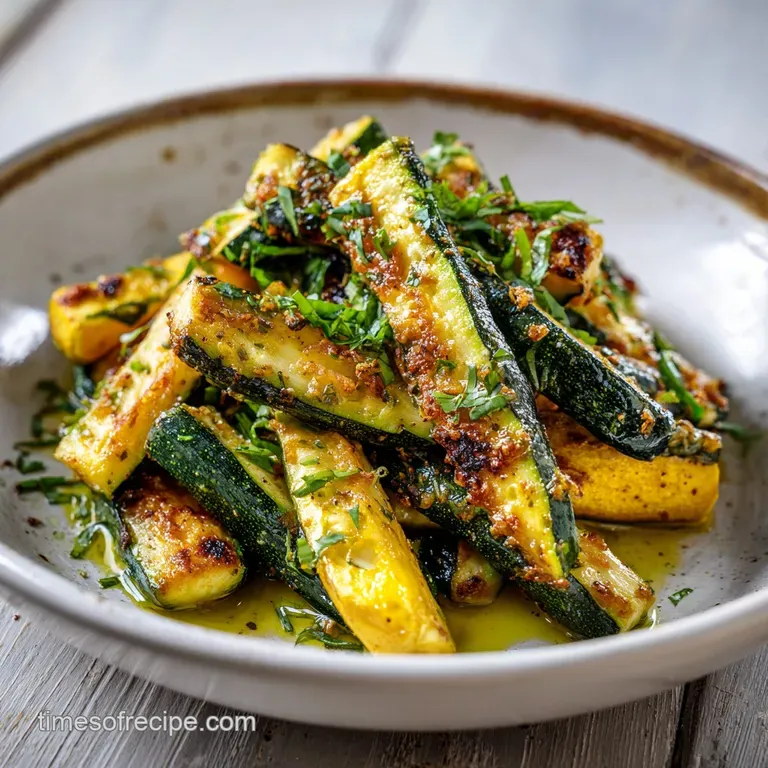
- Preheat the environment. Set your oven to 425°F (220°C). This high temperature is necessary to trigger the browning process quickly. Line your baking sheet with parchment paper now so it's ready the moment the vegetables are seasoned.
- Standardize the cut. Slice off the ends of the 400g of zucchini and 400g of yellow squash. Cut them in half lengthwise. Slice into uniform 1/2 inch thick half moons. Uniformity ensures they all finish cooking at the exact same 20 minutes mark.
- Create the emulsion. In a large mixing bowl, whisk together the 2 tbsp extra virgin olive oil, 1 tsp garlic powder, 1 tsp dried Italian seasoning, 1/2 tsp sea salt, and 1/4 tsp cracked black pepper.
- The vigorous toss. Add the vegetables to the bowl. Use your hands or large spoons to toss them until the oil and spices coat every surface. This step should take about 30 seconds of active movement.
- Apply the crust. Add the 1/3 cup grated parmesan cheese to the bowl. Toss again. The cheese should adhere to the oil and the natural moisture of the squash, forming a visible coating.
- The single layer strategy. Spread the vegetables onto the prepared baking sheet. Ensure no pieces are overlapping. If they are crowded, use a second sheet pan.
- The over high heat blast. Place the tray in the center rack of the oven. Roast for 20 minutes. You do not need to flip them, as the parchment paper allows the bottom to brown while the top chars.
- Monitor the cues. Look for the parmesan to turn a deep golden brown. The edges of the squash should look slightly shriveled and dark. This is where the flavor lives.
- The resting phase. Let the tray sit for 2 minutes out of the oven. This allows the cheese crust to firm up and "shatter" when you bite into it.
- Final check. Taste one piece for salt. If the parmesan was particularly salty, you might not need more, but a tiny pinch of sea salt at the end can brighten the flavor.
Following this flow ensures that you aren't scrambling. The 10 minutes of prep is more than enough time to get everything ready while the oven preheats. It's a linear, logical process designed for a busy kitchen.
Troubleshooting Texture and Moisture Problems
Why Your Squash Turned Out Sogggy
If your vegetables are sitting in a pool of liquid, the most likely cause is temperature or crowding. If the oven isn't truly at 425°F (220°C), the water leaks out slowly rather than evaporating. Another culprit is salt timing.
If you salt the vegetables and let them sit in the bowl for 20 minutes before putting them in the oven, they will release too much water. Season and roast immediately.
Dealing with Bitter Peels
Sometimes larger, older zucchini can have a bitter skin. To avoid this, choose medium sized zucchini (about 8 inches long). If you already have large ones, you can peel alternating strips of skin off to reduce the bitterness while keeping some of the nutritional fiber and color.
| Problem | Root Cause | Solution |
|---|---|---|
| Burnt Cheese | Oven rack too high | Move to center rack or lower temp by 10 degrees |
| Limp Texture | Pan overcrowding | Use two pans or roast in batches |
| Bland Flavor | Not enough oil | Ensure all surfaces are glossy before adding cheese |
- ✓ Always preheat the oven for at least 15 minutes before the pan goes in.
- ✓ Pat the zucchini dry with a paper towel after washing to remove surface moisture.
- ✓ Slice the squash as uniformly as possible to prevent small pieces from burning.
- ✓ Use a rimmed baking sheet to catch any escaping juices and prevent oven smoking.
- ✓ Avoid using "light" olive oil, as the flavor of extra virgin stands up better to high heat.
Ingredient Swaps and Flavor Variations
If you are looking to change the flavor profile, there are several efficient strategies. You can swap the Italian seasoning for smoked paprika and cumin for a more Southwestern vibe.
If you want to keep it strictly Mediterranean, adding a tablespoon of lemon zest after roasting provides a bright, acidic finish that cuts through the fat of the parmesan and oil.
For those following specific dietary patterns, the parmesan can be substituted with nutritional yeast for a vegan friendly version. The "umami" profile remains similar, though you won't get the same "shatter" texture that real cheese provides.
If you find yourself out of yellow squash, you can easily use double the zucchini, as the cooking mechanics are identical.
If you enjoy this texture, you might also like a baked zucchini boats recipe which uses a similar parmesan crust logic but keeps the vegetable whole for a main dish feel. Both recipes rely on managing the high water content of the squash to prevent a mushy outcome.
- If you want extra crunch
- Add 2 tablespoons of Panko breadcrumbs to the parmesan mixture.
- If you want a spicy kick
- Add 1/2 teaspoon of red pepper flakes to the initial oil toss.
- If you want a deeper char
- Move the baking sheet to the top rack for the last 3 minutes of roasting.
Storage Methods and Waste Reduction
Leftover Roasted Zucchini and Squash can be stored in the refrigerator for up to 3 days. However, be aware that the parmesan crust will lose its crispness once chilled. To revive the texture, avoid the microwave.
Instead, reheat the vegetables in a dry skillet over medium heat for 4-5 minutes or back in a 400°F (200°C) oven for about 5 minutes.
Freezing roasted squash is generally not recommended. The cellular structure of zucchini collapses when frozen and thawed, resulting in a very watery and mushy product. If you must freeze them, plan to blend the leftovers into a soup or a pasta sauce rather than eating them as a standalone side dish.
Zero waste is a priority in an efficient kitchen. The ends of the zucchini and squash that you slice off are perfectly edible and full of nutrients. Don't throw them away. Store them in a bag in your freezer and add them to your next batch of vegetable stock. They add a subtle sweetness and body to the broth.
If you have extra parmesan that didn't stick to the vegetables, scrape it off the parchment paper and toss it into a salad or over a bowl of pasta.
Pairing Strategies and Serving Tips
This dish is a versatile workhorse in the kitchen. Because of the savory, nutty profile of the roasted parmesan, it pairs exceptionally well with lean proteins like grilled chicken or pan seared salmon. The garlic and Italian seasoning also make it a natural fit alongside pasta dishes or a simple risotto.
If you are looking for a completely plant based meal, this recipe fits perfectly into a Daniel Fast roasted vegetables framework, provided you swap the parmesan for a nut based cheese or extra herbs. The over high heat roasting method is the universal "fix" for almost any vegetable that tends to get soggy.
When serving, I like to pile the squash high on a pre warmed platter. A final crack of fresh black pepper and perhaps a drizzle of high-quality balsamic glaze can transform this from a simple side into the star of the plate.
It is a functional, nutrient dense recipe that proves that healthy eating doesn't have to be boring or textureless. Just remember: keep the heat high, the pan uncrowded, and the parmesan plentiful.
The 20 minutes in the oven is the perfect time to finish your main protein and set the table. By the time the timer goes off, you'll have a hot, crispy, and vibrant side dish ready to go. It is a strategy for success that works every single time, provided you respect the science of the squash.
Common Myths About Roasting Squash
A frequent misconception is that you must salt and "sweat" the zucchini for 30 minutes before roasting to remove moisture. While this is helpful for frying, it is unnecessary for over high heat roasting.
At 425°F (220°C), the oven's energy is high enough to evaporate moisture faster than it can pool, provided you don't overcrowd the pan. Sweating often leads to a saltier final product because the salt penetrates deeper into the softened cells.
Another myth is that zucchini and yellow squash have different cooking times. While they look different, their water content and fiber density are nearly identical. You can treat them as the same ingredient in this recipe. The only difference is the color, which adds visual appeal to the final dish.
Slicing them together ensures they both reach that perfect firm tender state at the 20 minutes mark.
Finally, many people believe that you need a lot of oil to get things crispy. In reality, too much oil can actually lead to sogginess, as it weighs down the vegetables and traps steam against the pan.
The 2 tablespoons of extra virgin olive oil for 800g of vegetables is the precise ratio needed to coat the surfaces without saturating the interior. This keeps the dish light, healthy, and structurally sound.
Recipe FAQs
What temperature do you cook zucchini and squash in the oven?
Roast at 425°F (220°C). This high heat is essential to caramelize the sugars and create a crispy parmesan crust before the interior becomes mushy.
Is sauteed zucchini good for diabetics?
Yes, it is an excellent choice. Zucchini is a low-glycemic, high fiber vegetable that fits well into a diabetic friendly meal plan, especially when roasted with healthy fats like olive oil.
How to roast zucchini and not get soggy?
Spread the vegetables in a single layer without overcrowding the pan. Giving each piece enough space ensures air circulation, which prevents steaming and promotes the desired golden, shattering crust.
How to cook zucchini for a diabetic?
Season with herbs and minimal salt rather than sugary glazes. Roasting at high heat keeps the flavor profile rich and satisfying, similar to how we maximize flavor via mahogany garlic techniques without relying on sugar.
How to prevent zucchini from becoming mushy?
Cut the zucchini and squash into uniform 1/2 inch thick half moons. Uniformity ensures that all pieces cook at the same rate, preventing smaller pieces from overcooking and turning into mush while larger ones finish.
Can I store roasted zucchini and squash in the freezer?
No, this is a common misconception. The high water content in zucchini causes the cell structure to collapse during freezing, which will lead to a watery, mushy texture once thawed.
How to reheat leftovers without losing the crispiness?
Reheat in a dry skillet over medium heat for 4-5 minutes or in a 400°F oven for 5 minutes. Avoiding the microwave is the best way to maintain the texture of the parmesan crust.
Roasted Zucchini And Squash
Ingredients:
Instructions:
Nutrition Facts:
| Calories | 131 kcal |
|---|---|
| Protein | 5.5 g |
| Fat | 9.6 g |
| Carbs | 7.4 g |
| Fiber | 2.1 g |
| Sugar | 3.5 g |
| Sodium | 431 mg |
