The Ultimate Sheet Pan Breakfast Sandwich Meal Prep
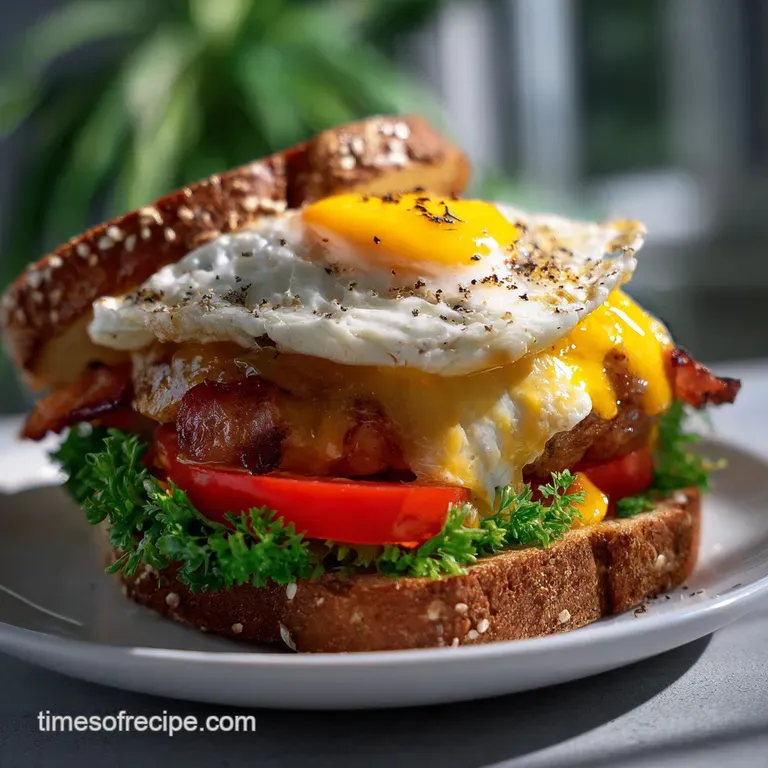
- Effort/Time: 15 minutes prep; 40 minutes total
- Flavor Hook: Sharp cheddar meets savory turkey sausage with a pop of fresh bell pepper
- Perfect for: Busy professionals and fitness-focused morning routines
- Masterclass: The Science of High-Protein Breakfast Sandwich Meal Prep
- Why This Works
- Essential Tools and Ingredients
- Step-by-Step Breakfast Sandwich Meal Prep
- Mastering the Texture: Troubleshooting
- Common Breakfast Sandwich Myths
- Storage and Reheating Protocols
- Flavor Variations for Your Meal Prep
- Recipe FAQs
- 📝 Recipe Card
Masterclass: The Science of High Protein Breakfast Sandwich Meal Prep
Tired of the Drive Thru? Let’s Talk Breakfast Sandwich Meal Prep
The sizzle of a turkey sausage patty hitting a hot Lodge Cast Iron Skillet is the only alarm clock I ever want. But let’s be real: on a Tuesday morning at 7:00 AM, nobody has time for a multi pan production.
Most people settle for soggy, expensive drive thru options or a sad, dry granola bar because their previous breakfast sandwich meal prep attempts turned into a spongy mess.
I’ve been there I once prepped 12 sandwiches only to have the English muffins turn into wet cardboard by Wednesday. It was a texture nightmare. I realized I was fighting the physics of moisture migration without even knowing it.
Through trial, error, and a lot of wasted eggs, I’ve mastered the chemistry of the frozen breakfast sandwich meal prep. This method ensures the eggs stay velvety, the muffins stay structurally sound, and the cheese achieves that perfect "shatter melt" consistency. If you're looking for other ways to win your mornings, check out my guide on Breakfast On The Go: Velvety Protein Muffins Ready Fast. Let’s crack on and fix your breakfast.
Why This Works
- Protein Denaturation Control: Adding 0.5 cup whole milk (122g) to the eggs creates a fat-protein emulsion that prevents the egg proteins from over tightening during baking, ensuring a tender, non-rubbery texture.
- Controlled Evaporation: Dicing the 0.5 cup red bell pepper (75g) finely increases surface area, allowing moisture to cook off quickly so it doesn't weep into the bread during storage.
- The Maillard Reaction: Using pre-cooked turkey sausage patties provides a deep, savory umami base that persists even after freezing and reheating.
- Structure Reinforcement: Whole wheat English muffins provide a higher fiber-to-starch ratio, which maintains a "toasted" crumb structure better than white flour counterparts when subjected to microwave radiation.
The Science Behind 12 Large Eggs (600g)
What They Do: Act as the primary protein binder and structural foundation for the sandwich. The Chemistry: Through protein denaturation, the liquid amino acid chains unfold and bond together (coagulation), trapping moisture in a stable matrix.
Why This Matters: Using exactly 12 large eggs ensures a specific thickness in a standard sheet pan, providing a consistent 1:1 ratio of egg-to-muffin surface area.
The Science Behind Sharp Cheddar Cheese
What It Does: Provides fat for mouthfeel and acts as a moisture barrier. The Chemistry: The emulsification of milk fats and proteins in cheddar creates a hydrophobic layer between the egg and the muffin.
Why This Matters: This barrier prevents the water in the egg from migrating into the English muffin, stopping sogginess before it starts.
The Science Behind Whole Wheat English Muffins
What They Do: Serve as the delivery vehicle and structural casing. The Chemistry: The gluten network in whole wheat is reinforced by bran, which creates "nooks and crannies" that allow for steam escape during reheating.
Why This Matters: Unlike bagels, which become gummy, English muffins maintain a "shatter" on the edges when toasted, providing necessary sensory contrast.
Essential Tools and Ingredients
To achieve a masterclass level breakfast sandwich meal prep, you need precision tools. I recommend a USA Pan Sheet Pan for the eggs the silicone coating is superior for release.
For the salt, I only use Diamond Crystal Kosher Salt because its hollow crystals dissolve instantly into the egg mixture.
| Original Ingredient | Substitute | Why It Works |
|---|---|---|
| 12 Whole Wheat English Muffins | Sourdough English Muffins | Sourdough's lower pH provides a tangy contrast and a sturdier crumb. |
| 12 Slices Turkey Sausage | Plant based Breakfast Patties | Similar protein density and texture; Note: May require 2 mins extra sear. |
| 0.5 Cup Whole Milk | Unsweetened Cashew Milk | High fat content mimics the creaminess of dairy without the lactose. |
| 12 Slices Sharp Cheddar | Pepper Jack Cheese | Similar melting point but adds capsaicin for a spicy kick. |
step-by-step Breakfast Sandwich Meal Prep
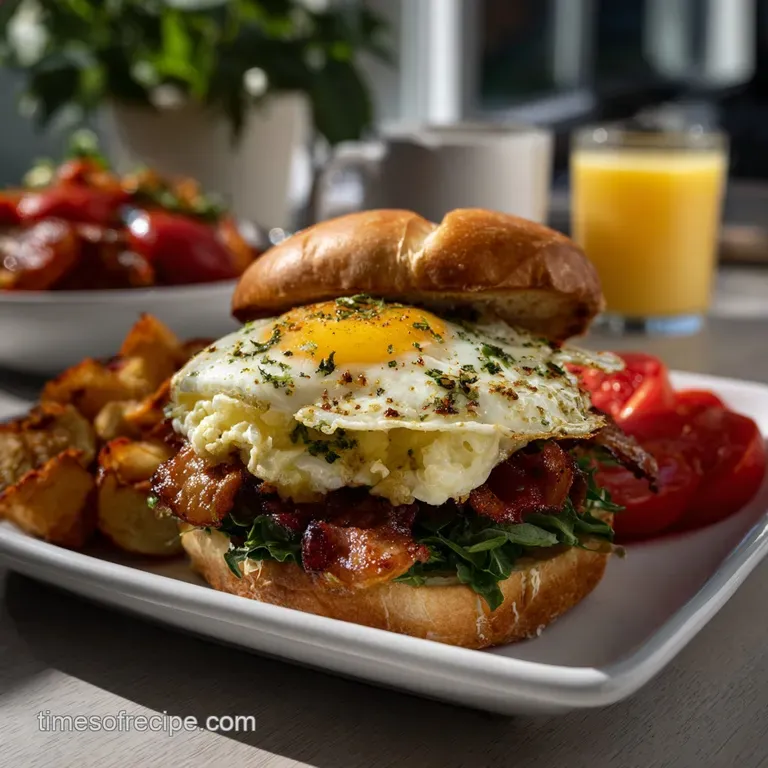
Preheat and Prep: Set your oven to 350°F and grease a 13x9-inch rimmed baking sheet. Note: Preheating is vital for immediate protein denaturation the moment the eggs hit the pan.
Whisk the Base: In a large bowl, combine 12 large eggs (600g), 0.5 cup whole milk (122g), 1 tsp sea salt (6g), and 0.5 tsp black pepper (3g). Note: Vigorous whisking introduces air, creating a lighter, more "velvety" egg sponge.
Incorporate Aromatics: Fold in 1 cup finely chopped fresh baby spinach (30g) and 0.5 cup finely diced red bell pepper (75g). Note: Chopping spinach finely prevents "slimy" pockets and ensures even distribution.
Bake the Egg Sheet: Pour the mixture into the prepared pan and bake for 20 to 25 minutes until the center is set. Note: The eggs should have a slight "jiggle" but no liquid surface; overbaking causes sulfurous odors.
Toast the Muffins: While eggs bake, split the 12 whole wheat English muffins and toast them slightly. Note: Pre-toasting creates a "crust" that further resists moisture absorption during storage.
Assemble the Sandwiches: Cut the cooled egg sheet into 12 even squares. Place one egg square, one slice of sharp cheddar (240g total), and one cooked turkey sausage patty (340g total) onto each muffin.
Note: Cool the egg squares completely before assembly to prevent trapped steam from softening the bread.
Chef's Tip: Freeze your turkey sausage patties for 10 minutes before placing them on the hot eggs. This slight temperature lag prevents the cheese from melting too much during the initial assembly, keeping it intact for the final reheat.
Mastering the Texture: Troubleshooting
If your healthy breakfast sandwich meal prep isn't turning out with a "shatter crisp" crust, you might be skipping the cooling phase. Steam is the enemy of the meal prepper. If you’re interested in more quick prep ideas that handle storage well, take a look at my Chia Pudding Recipe: Healthy & Easy Meal Prep.
| Problem | Why It Happens | The Fix | Pro Protocol |
|---|---|---|---|
| Rubbery Eggs | Over coagulation of proteins due to high heat. | Lower oven temp or add more fat (milk). | Use a laser thermometer to ensure eggs don't exceed 165°F. |
| Soggy Bottoms | Moisture migration from veggies/eggs into bread. | Cool components separately before assembly. | Place a small piece of parchment between egg and muffin. |
| Cheese Disappears | High moisture cheese melts and absorbs into bread. | Use aged "sharp" cheddar with less water content. | Use "Cold Pack" cheddar for a thicker, more resilient melt. |
Common Breakfast Sandwich Myths
Myth: You should wrap sandwiches in foil for freezing. Truth: Foil traps moisture and causes freezer burn over time. Use parchment paper first to wick away surface humidity, then seal in a heavy duty freezer bag for your frozen breakfast sandwich meal prep.
Myth: Microwaving on "High" is the best way to reheat. Truth: High power causes the water molecules in the bread to vibrate too fast, leading to a "leathery" texture. Reheating at 50% power allows heat to conduct evenly without toughening the gluten.
Storage and Reheating Protocols
Success with breakfast sandwich meal prep ideas depends entirely on the "Defrost and Drive" strategy.
- Fridge Storage: Store in an airtight container for up to 4 days.
- Freezer Storage: Wrap individually in parchment paper, then place in a Gallon sized Ziploc bag. Good for 3 months.
- The Reheat (Microwave): Wrap the sandwich in a damp paper towel. Microwave at 50% power for 1 minute, flip, and microwave for another 45 seconds. The damp towel creates a "steam jacket" that keeps the muffin soft but not soggy.
- The Reheat (Air Fryer): For the ultimate "shatter" texture, use an air fryer. 350°F for 5 8 minutes from frozen. This mimics a fresh off-the-griddle experience. If you’re a fan of this tool, you’ll love my Perfect Air Fryer Chicken Breast.
Flavor Variations for Your Meal Prep
Once you've mastered this high protein breakfast sandwich meal prep, you can swap the aromatics. The Southwest: Swap the peppers for diced canned green chiles and use Pepper Jack cheese. The Florentine: Double the spinach and swap turkey sausage for sun-dried tomatoes.
Low Carb Option: Use the egg sheet as the "bread" and double stack the turkey sausage. This is a great breakfast sandwich meal prep low carb hack.
For those who prefer a cold start to their day, don't miss my Overnight Oats: The Creamy, No-Cook Breakfast Secret. It’s a great way to rotate your sandwich meal prep with something refreshing.
This breakfast sandwich meal prep strategy is about more than just convenience; it's about culinary autonomy. By understanding the science of protein and moisture, you’re no longer a victim of a soggy Tuesday.
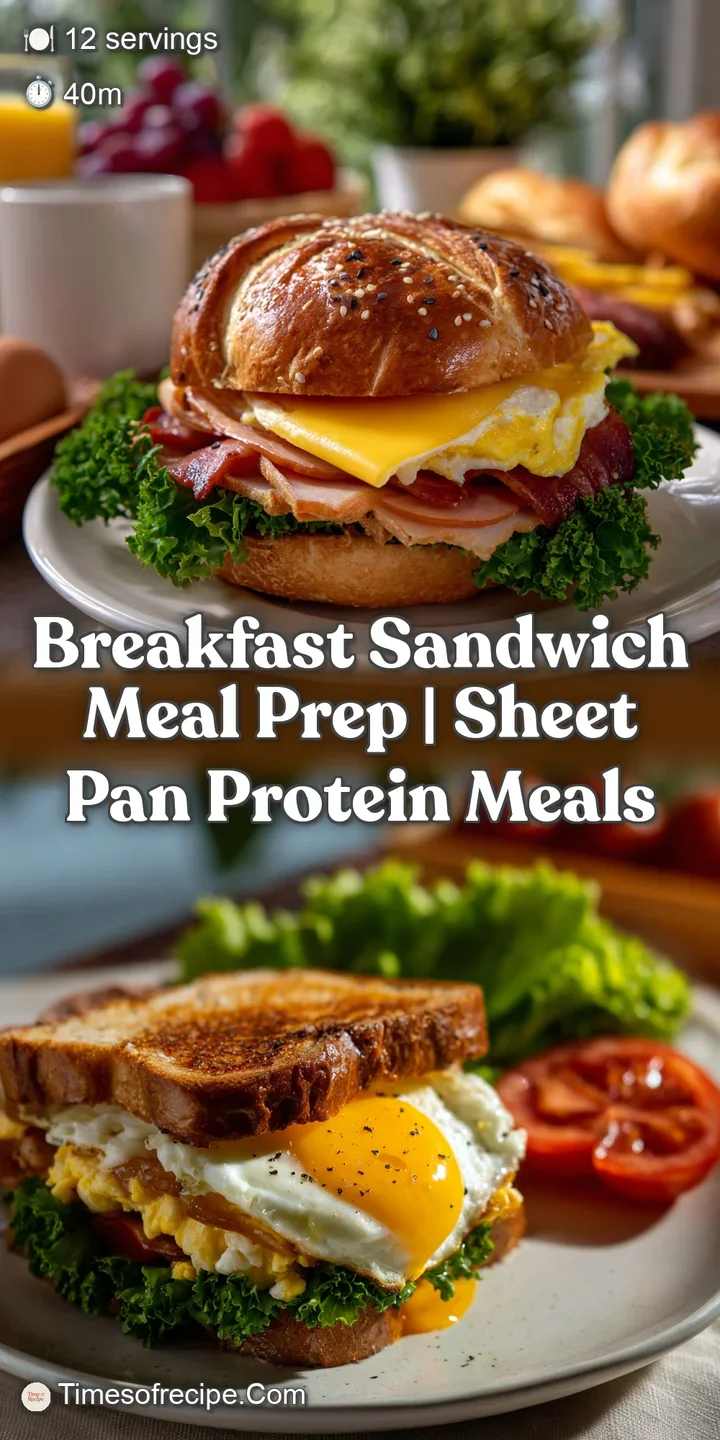
Whether you’re using a muffin tin for round eggs or a sheet pan for squares, the result is the same: a reliable, 348 calorie powerhouse that fuels your day. Stick to these breakfast sandwich meal prep recipes and you’ll never look at a fast food wrapper the same way again. Happy prepping!
Recipe FAQs
How long do these sandwiches last in the refrigerator?
Five to seven days. Proper moisture management prevents bacterial growth and textural degradation within this timeframe. Ensure wrappers are airtight to minimize moisture exchange.
Can I use frozen spinach instead of fresh?
No. Frozen spinach retains excess liquid. Thawing releases significant water content, guaranteeing a soggy final product by increasing overall matrix hydration. Consider using components from Egg White Bites: Fluffy, High Protein, Grab and-Go Breakfast if aiming for very low moisture.
Why is my sheet pan egg rubbery after reheating?
High heat microwave use causes protein tightening. Rapid microwave energy excites water molecules excessively, causing the egg’s protein matrix (primarily albumin) to shrink drastically. Rapid heating denatures structure beyond simple coagulation.
- Use 50% power setting
- Add a small splash of water
- Cover with damp paper towel
Is it better to use English muffins or brioche buns?
English muffins offer superior structural integrity. The nooks and crannies trap fillings better, resisting compression during wrapping and reheating compared to the softer, higher fat brioche crumb. This aids overall meal prep stability.
Must I toast the bread before assembly?
Yes, light toasting prevents immediate sogginess. Toasting creates a starch barrier that momentarily resists moisture migration from the hot egg layer. For alternatives offering firmer crusts, review Breakfast Hand Pies: Flaky, Fully Loaded Savory Pockets.
Myth: Freezing the assembled sandwich is optimal for longevity.
Myth: Freezing the assembled sandwich is optimal for longevity. Reality: Freezing introduces ice crystal damage to the bread matrix, leading to texture breakdown upon thawing. Refrigeration for 5-7 days is superior for quality retention.
What is the ideal cheese for microwaving multiple times?
Low-moisture cheddar resists oil separation best. Higher fat cheeses will leach oil when subjected to repeated thermal cycling, leading to a greasy mouthfeel. Low-moisture varieties maintain their emulsion stability longer.
Sheet Pan Breakfast Sandwich Prep

Ingredients:
Instructions:
Nutrition Facts:
| Calories | 348 kcal |
|---|---|
| Protein | 22 g |
| Fat | 16 g |
| Carbs | 29 g |
| Fiber | 3 g |
| Sugar | 3 g |
| Sodium | 915 mg |
