Velvety Freezer Breakfast Sandwiches (Sheet Pan Method)
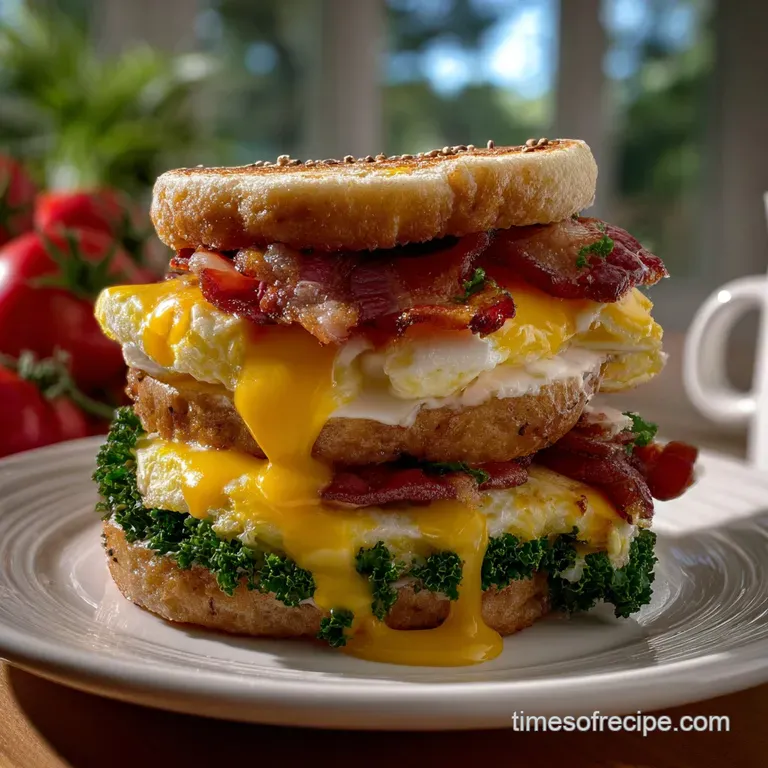
- Effort/Time: 40 minutes total for 12 meals.
- Flavor Hook: Sharp cheddar melt against savory sausage and garlic-infused eggs.
- Perfect for: High-protein meal prep and hectic weekday commutes.
Master the Morning: The Ultimate Freezer Breakfast Sandwiches
Imagine the sizzle of a savory sausage patty hitting a hot Lodge Cast Iron Skillet and the aroma of toasted Thomas' English Muffins wafting through your kitchen. Most people fail at freezer breakfast sandwiches because they end up with a watery mess or a bread brick that could break a tooth.
I’ve spent months testing the moisture ratios so you don't have to.
We’ve all been there: you grab a pre-made sandwich, pop it in the microwave, and the middle is an ice cube while the edges are lava. It’s frustrating and ruins the vibe of a productive morning.
But once you understand the physics of steam and the chemistry of egg coagulation, you’ll never buy a drive thru sandwich again.
The secret lies in controlling the water activity within the ingredients. By baking the eggs into a structured "brick" and using a specific wrapping technique, we lock in the texture. Let's get into the mechanics of why this freezer breakfast sandwiches recipe actually works.
Why This Works
- Protein Matrix Integrity: Whisking 120 ml whole milk with 12 Large Eggs creates a stable emulsion that prevents the eggs from weeping (syneresis) during the freezing and thawing cycle.
- Thermal Mass Management: Using pre-cooked sausage patties ensures the meat is already rendered and safe, allowing the reheating process to focus solely on reaching the internal temperature of 165°F.
- Moisture Barrier: A thin layer of Kerrygold Unsalted Butter applied to the English muffins creates a fat barrier that prevents the egg moisture from migrating into the bread.
- English Muffin Porosity: The "nooks and crannies" in Thomas' English Muffins provide a high surface area that allows steam to escape during reheating, preventing a soggy base.
The Science Behind 12 Large Eggs
- What They Do
- Provide the structural foundation and protein density for the sandwich.
- The Chemistry
- During baking, heat causes protein denaturation; the unfolded proteins then cross link to form a three dimensional network that traps water and fat.
- Why This Matters
- This specific network ensures the egg remains "springy" and velvety rather than rubbery after being frozen and reheated.
The Science Behind 50 g Chopped Spinach
- What It Does
- Adds micronutrients and visual contrast to the egg matrix.
- The Chemistry
- Cellulose and hemicellulose in the cell walls provide structural fiber that doesn't fully break down during the short 25 minutes cook time.
- Why This Matters
- The fiber keeps the egg square from collapsing, providing a more substantial mouthfeel in these high protein freezer breakfast sandwiches.
The Science Behind 120 ml Whole Milk
- What It Does
- Tenderizes the egg proteins through fat and lactose introduction.
- The Chemistry
- The milk fats interfere with the sulfur bonds in the egg proteins, preventing them from bonding too tightly.
- Why This Matters
- It prevents the eggs from becoming tough or "squeaky" between your teeth.
Ingredients & Subs
To make these sausage freezer breakfast sandwiches, you need specific components that stand up to the cold. I recommend using Diamond Crystal Kosher Salt for better seasoning control.
| Original Ingredient | Substitute | Why It Works |
|---|---|---|
| 12 English Muffins | 12 Large Brioche Buns | Same structure, but adds a buttery, sweeter profile that browns faster. |
| 12 Pre-cooked Sausage Patties | 12 Slices Canadian Bacon | Leaner protein; holds less moisture, reducing the risk of a soggy muffin. |
| 12 Slices Sharp Cheddar | 12 Slices Pepper Jack | Similar melting point (32 35% fat) but introduces capsaicin for heat. |
| 50 g Chopped Spinach | 50 g Chopped Kale | Kale has lower water content, meaning less steam inside the sandwich. |
| 120 ml Whole Milk | 120 ml Heavy Cream | Higher fat content results in a richer, more custard like egg texture. |
Equipment
- 9x13 Pyrex Baking Dish: The glass provides even heat distribution for the egg sheet.
- Large Stainless Steel Whisk: Essential for aerating the 12 Large Eggs.
- Aluminum Foil: For individual wrapping to prevent freezer burn.
- Lodge Cast Iron Skillet: Best for a quick "searing" reheat if you have the time.
- Cookie Sheet: To flash freeze the sandwiches before long term storage.
Instructions

Yes, you can make 12 make-ahead freezer breakfast sandwiches in under 1 hour. This process is about efficiency and precision.
- Preheat your oven to 375°F. Note: This temperature ensures rapid protein coagulation without drying out the edges of the egg mixture.
- Whisk 12 Large Eggs, 120 ml whole milk, 5 g Diamond Crystal Kosher Salt, 2 g black pepper, and 2 g garlic powder in a large bowl. Note: Thorough whisking incorporates air, creating a lighter, more voluminous egg sheet.
- Fold in 50 g chopped spinach until evenly distributed. Note: Uniform distribution prevents "wet spots" in the final baked egg sheet.
- Grease your Pyrex Baking Dish with a small amount of Kerrygold Unsalted Butter. Note: The fat prevents the egg proteins from bonding to the glass surface.
- Pour the egg mixture into the dish and bake for 25 minutes. Note: The egg is done when the center is set and no longer jiggles; use a toothpick to check.
- Cool the egg sheet completely on a wire rack. Note: If you assemble while hot, the residual steam will turn your English muffins into mush.
- Cut the egg sheet into 12 equal squares. Note: A sharp knife ensures clean edges, which fit perfectly on the 12 English muffins.
- Toast the English muffins slightly. Note: Toasting reduces the bread's moisture content, making it more resistant to the "soggy" effect.
- Assemble the sandwich: bottom muffin, egg square, 1 pre-cooked sausage patty, 1 slice Tillamook Sharp Cheddar, and top muffin. Note: Placing the cheese between the hot egg and the sausage during assembly helps it adhere immediately.
- Wrap each sandwich tightly in aluminum foil. Note: Tight wrapping minimizes the air gap, which is the primary cause of ice crystal formation (freezer burn).
If you're looking for a different texture, you might enjoy this Breakfast Casserole: make-ahead English Muffin Bake which uses similar ingredients in a different format.
Common Mistakes & Troubleshooting
| Problem | Root Cause | The Fix | Pro Protocol |
|---|---|---|---|
| Rubbery Eggs | Overcooking or lack of fat. | Add the full 120 ml whole milk and pull from oven at 25 minutes. | Use a digital thermometer to pull eggs at 160°F internal. |
| Soggy Bread | Steam trapped during assembly. | Let eggs and sausage cool to room temp before wrapping. | Flash freeze assembled sandwiches uncovered for 30 mins first. |
| Dry Meat | Improper reheating method. | Reheat at 50% power in microwave or wrap in damp paper towel. | Use a meat thermometer to ensure 165°F without over blasting. |
Common Myths
Myth: You must use fresh eggs for the best freezer results. Truth: While fresh is great, the texture of freezer breakfast sandwiches depends more on the milk-to-egg ratio and the baking temperature than the age of the egg.
Myth: You can't freeze cheese without it becoming crumbly. Truth: High fat cheeses like Tillamook Sharp Cheddar freeze beautifully in a sandwich format because the other ingredients act as an insulator.
Myth: Paper towels are better for wrapping than foil. Truth: Foil is a superior oxygen barrier. Use paper towels only during the reheating phase to manage moisture.
Storage & Reheating
To store these english muffin breakfast sandwiches freezer style, place the foil wrapped bundles into a heavy duty Ziploc freezer bag. They will stay fresh for up to 3 months.
Microwave Method: - Remove foil. - Wrap in a damp paper towel. - Heat for 1 minute 30 seconds at 70% power. - Let sit for 1 minute to allow heat to equalize.
Oven/Toaster Oven Method: - Keep in foil (if using an oven) or remove foil (for toaster oven). - Heat at 350°F for 15 20 minutes. - This results in a much crispier exterior, similar to a fresh Breakfast Hand Pies: Flaky, Fully Loaded Savory Pockets.
Air Fryer Method: - This is the secret for freezer breakfast sandwiches air fryer fans. - Remove foil. - Cook at 340°F for 8 10 minutes. - The high velocity air creates a "shatter" crisp on the muffin that is unbeatable.
Variations
If you're bored with the standard, try these tweaks:
- The Southwest: Add 2 g cumin to the eggs and swap cheddar for Pepper Jack.
- The Garden: Increase spinach to 100 g and add finely diced bell peppers.
- The Protein Punch: Use 2 sausage patties per sandwich for 40g+ protein.
For those mornings when you want something lighter, I often alternate these with Overnight Oats: The Creamy, No-Cook Breakfast Secret to keep my meal prep varied.
Serving Suggestions
While these are designed to be eaten on the move, if you're at home, a dash of Cholula or a side of sliced avocado takes them to another level. The richness of the 25 g of protein and 26 g of fat per serving provides significant satiety, usually keeping you full for 4 6 hours.
If you find yourself with extra eggs, consider making a batch of Breakfast On The Go: Velvety Protein Muffins Ready Fast alongside your sandwiches.
Success with freezer breakfast sandwiches comes down to the details. Don't skip the cooling step, and always toast your muffins. Your future, hungry self will thank you when you're headed out the door with a hot, savory meal in hand.
Trust me, once you master the sheet pan egg, you'll never go back to frying them one-by-one. Let's crack on!
Recipe FAQs
Can I use pre-cooked frozen sausage patties?
No, you must brown fresh sausage first. Raw sausage releases rendered fat during the sheet pan bake, preventing the eggs from setting cleanly. This fat must be drained after initial cooking.
Is parchment paper required for the egg bake?
Yes, high-quality parchment paper is essential. Standard wax paper melts and adheres permanently when exposed to 400°F temperatures. Use silicone mats only if adjusting the temperature downward.
Should I use English muffins or croissants?
English muffins offer superior structural integrity. Croissants steam excessively when frozen and microwaved, resulting in a soggy, collapsed texture. Muffins compress evenly and maintain their chewiness.
What happens if I skip chilling the egg mixture?
Velvety texture requires an initial chill period. Pouring hot batter onto cold fillings immediately halts the coagulation process, leading to uneven browning and a rubbery outer layer. This pause allows the starch/liquid ratio to stabilize.
How long do these last safely in the freezer?
Up to three months for optimal quality. While safe indefinitely when kept at 0°F, the bread casing begins to dry out after 90 days. Flavor degradation is usually noticeable after four months.
What if my eggs stick to the pan after baking?
The albumen bonds slightly due to insufficient fat barrier. Ensure the pan is completely coated with non-stick spray before placing the parchment paper down to prevent localized sticking.
- Spray pan liberally
- Wipe excess oil from parchment edges
- Use fresh parchment for each batch
Is it better to use fresh or pre-shredded cheddar?
Freshly grated cheese melts smoother than pre-shredded. Commercial shreds contain cellulose or potato starch to prevent caking in the bag, which inhibits complete melting and creates small, visible particles. This starch prevents the final melt from achieving a uniform emulsion.
Sheet Pan Freezer Breakfast Sandwiches
Ingredients:
Instructions:
Nutrition Facts:
| Calories | 451 kcal |
|---|---|
| Protein | 25 g |
| Fat | 26 g |
| Carbs | 28 g |
| Fiber | 2 g |
| Sugar | 2 g |
| Sodium | 950 mg |
