Sheet Pan Frittata Recipe
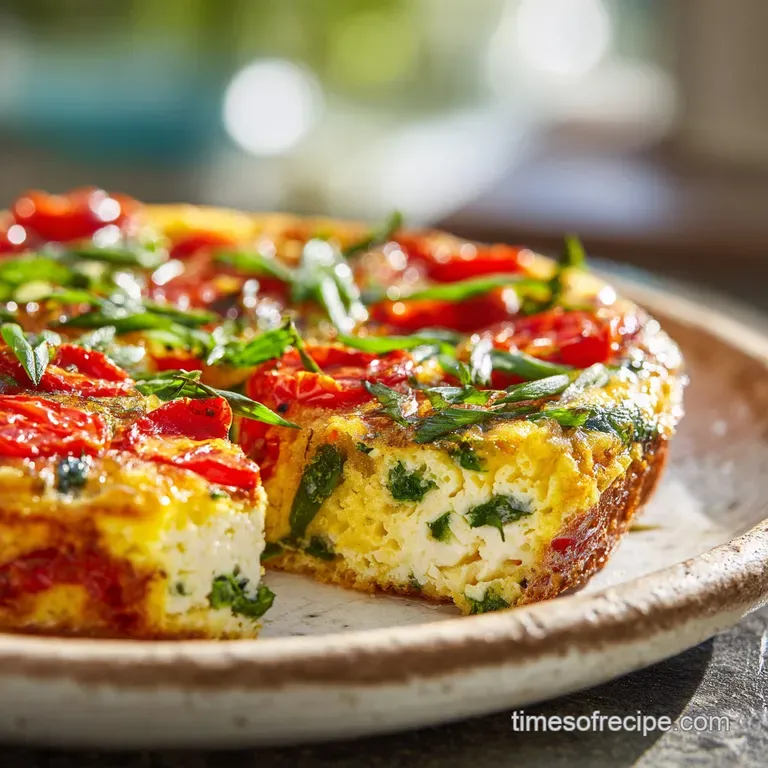
- Time: Active 15 minutes, Passive 25 minutes, Total 40 minutes
- Flavor/Texture Hook: Velvety eggs meet crispy edged potatoes and tangy feta
- Perfect for: Weekend brunch hosting or high protein weekday meal prep
- Achieving the Best Sheet Pan Frittata for Your Morning Routine
- The Physics of Uniform Protein Setting
- Component Analysis of the Egg Matrix
- The Essentials for Your Vegetable Medley
- Culinary Tools for Success
- Executing the Perfect Set
- Resolving Texture and Moisture Issues
- Adjusting the Yield for Any Occasion
- Debunking Common Kitchen Beliefs
- Preservation Secrets and Zero Waste
- Morning Pairing Ideas
- Recipe FAQs
- 📝 Recipe Card
Achieving the Best Sheet Pan Frittata for Your Morning Routine
Imagine the kitchen at 8:00 AM, the sunlight just beginning to hit the counter, and the rhythmic sound of a whisk hitting the side of a ceramic bowl. There is something deeply grounding about the sizzle of diced potatoes hitting a hot pan, followed by the earthy aroma of chopped chives and garlic powder filling the air.
This isn't just about getting food on the table; it is about a morning ritual that sets a calm, productive tone for the rest of your day.
I remember the first time I tried to host a brunch for ten people using my trusty cast iron skillet. I was trapped at the stove, flipping individual omelets while everyone else laughed in the living room. By the time I sat down, my own food was cold, and I felt like I had run a marathon before noon.
That was the day I realized the humble baking sheet is actually a breakfast hero in disguise.
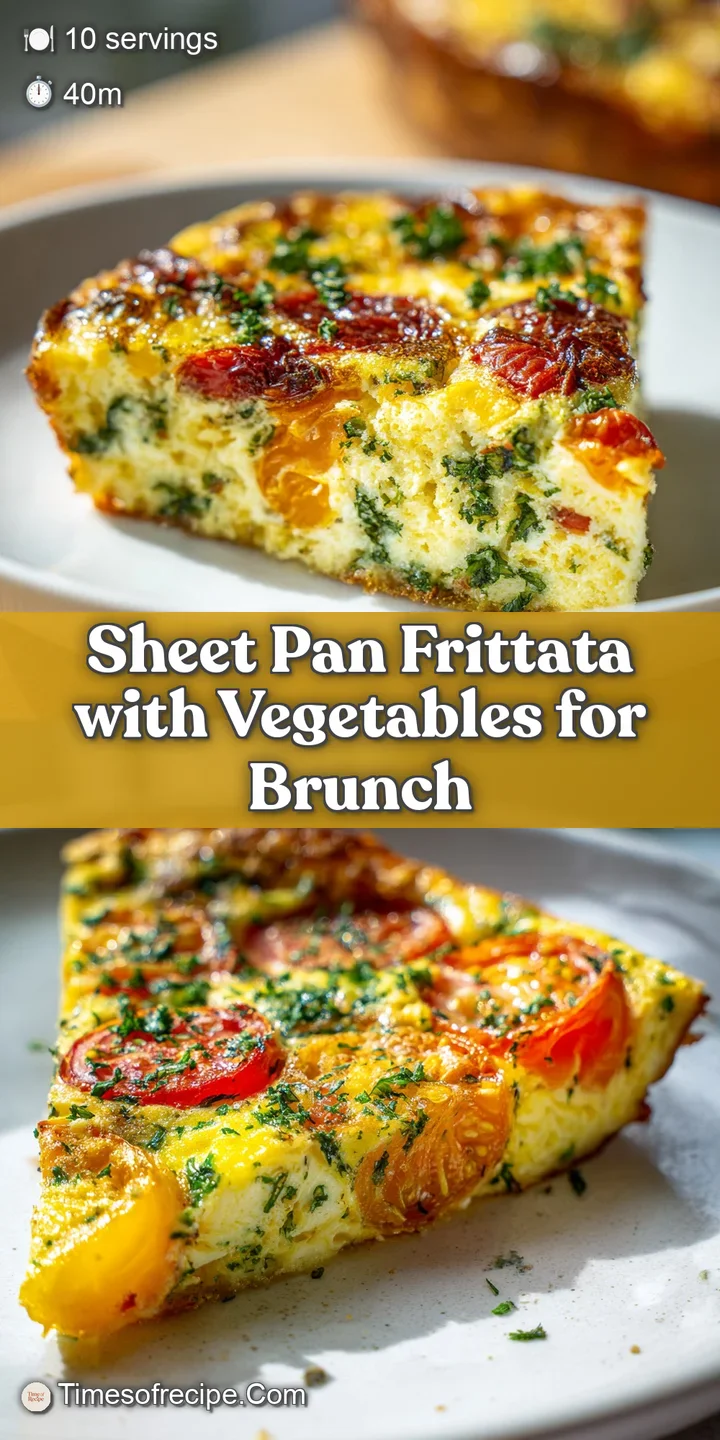
Switching to a sheet pan changed everything. It allows the eggs to cook in one uniform layer, ensuring that every bite is just as tender as the last. You get these beautiful, golden edges and a soft, custard like center that just isn't possible in a crowded pan.
Plus, the cleanup is basically non existent if you use a good sheet of parchment paper. Let's get into how you can reclaim your morning and make a breakfast that looks as good as it tastes.
The Physics of Uniform Protein Setting
Thermal Conductivity: The shallow depth of the sheet pan maximizes the surface area exposed to the oven's convection currents, which facilitates rapid and even heat transfer.
This specific geometry ensures the egg proteins coagulate at a consistent rate, preventing the center from remaining liquid while the edges become tough and dry.
Master the Prep Flow: A 3 Step Timeline
- The Sizzle Start (0-15 mins): Dice your Yukon Gold potatoes into small, half inch cubes and get them roasting first. This ensures they are tender and golden when the eggs join the party later.
- The Egg Emulsion (15-20 mins): Whisk your 12 large eggs with the heavy cream and seasonings until no streaks of white remain. Chopping your spinach and peppers during this window keeps the flow moving.
- The Set and Finish (20-40 mins): Pour the egg mixture over the pre roasted vegetables and bake until the center has a slight, confident jiggle. Let it rest for five minutes before slicing to ensure the structure holds.
| Method | Time | Texture | Best For |
|---|---|---|---|
| Sheet Pan | 25 mins | Uniform, velvety, thin | Meal prep and large crowds |
| Skillet/Stovetop | 15 mins | Fluffy, thick, varied | 1-2 people, quick breakfast |
| Muffin Tin | 20 mins | Firm, portable, dense | On the-go snacking |
Selecting the right method depends entirely on your morning goals. While a skillet is great for a solo meal, the sheet pan is the undisputed champion for anyone looking to simplify their routine without sacrificing quality. It gives you the freedom to step away from the oven and enjoy your first cup of coffee in peace.
Component Analysis of the Egg Matrix
| Ingredient | Science Role | Pro Secret |
|---|---|---|
| 12 Large Eggs | Structural foundation and protein binder | Room temperature eggs emulsify much faster with cream |
| Heavy Cream | Fat source that inhibits tight protein bonding | Always use full fat to prevent a "rubbery" texture |
| Yukon Gold Potatoes | Starch component for satiety and texture | Small 1/2 inch dice ensures they cook through in time |
Note: Using heavy cream instead of milk is non negotiable for that velvety mouthfeel. Milk has a higher water content, which can lead to steam pockets and a spongy, rather than silky, result.
The Essentials for Your Vegetable Medley
Gathering your elements is part of the ritual. Start with the freshest produce you can find to make the colors really pop against the yellow of the eggs.
- 12 large eggs: The backbone of the dish.
- 1/2 cup heavy cream: Adds the necessary fat for a custard like finish. Why this? It prevents egg proteins from over linking and becoming tough.
- 1 tsp kosher salt & 1/2 tsp black pepper: Essential for depth.
- 1/2 tsp garlic powder: Provides a savory, umami undertone.
- 1 cup Yukon Gold potatoes: Why this? They hold their shape better than Russets when roasted. (Sub: Sweet potatoes for a lower glycemic option).
- 1 cup cherry tomatoes: (Sub: Sun dried tomatoes for a concentrated tang).
- 2 cups fresh baby spinach: (Sub: Kale, but remove the tough ribs first).
- 1/2 cup red bell pepper: (Sub: Roasted red peppers from a jar for a smoky twist).
- 2 tbsp extra virgin olive oil: For roasting the base.
- 1/2 cup feta cheese: Why this? It stays creamy and tangy without melting away. (Sub: Goat cheese or sharp cheddar).
- 1/4 cup fresh chives: The perfect bright finish.
If you are looking for a side that matches the rustic energy of this breakfast, these Steak side dishes offer some great inspiration for roasted greens that pair beautifully with eggs.
Culinary Tools for Success
You don't need a high tech kitchen to master this, but a few specific items make the process much smoother.
- 13x18 inch Rimmed Baking Sheet: Also known as a half sheet pan. This is the standard size for most home ovens.
- Parchment Paper: Do not skip this. It makes lifting the frittata out of the pan a breeze and saves your sanity during cleanup.
- Large Mixing Bowl: You need enough space to vigorously whisk 12 eggs without making a mess.
- Balloon Whisk: Essential for incorporating air into the eggs for a lighter crumb.
- Chef's Knife: A sharp blade makes dicing the potatoes and peppers much safer and faster.
Chef's Tip: Before you start, place your baking sheet in the oven while it preheats. When you toss the oiled potatoes onto the hot pan, they will start searing immediately, giving you a better crust.
Executing the Perfect Set
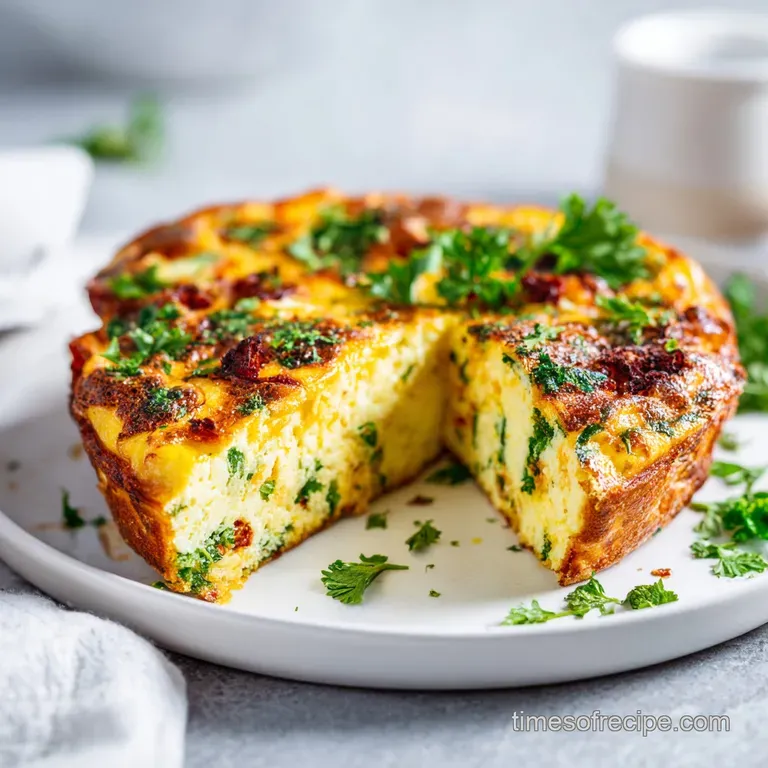
- Heat the oven. Pre heat your oven to 180°C (350°F) and line your sheet pan with parchment paper, leaving a little overhang on the sides.
- Roast the potatoes. Toss the 1 cup diced Yukon Gold potatoes with 1 tbsp olive oil and a pinch of salt. Spread them on the pan and bake for 10-12 minutes until tender and just starting to brown.
- Prepare the egg base. In your large bowl, whisk the 12 eggs, 1/2 cup heavy cream, salt, pepper, and garlic powder. Whisk for at least 60 seconds until the mixture is pale and slightly frothy.
- Sauté the greens. While the potatoes roast, quickly toss the 2 cups chopped spinach in a pan with the remaining olive oil until wilted and vibrant green.
- Layer the ingredients. Remove the hot pan from the oven. Scatter the halved cherry tomatoes, diced red bell pepper, and wilted spinach evenly around the roasted potatoes.
- Pour the eggs. Carefully pour the egg mixture over the vegetables. Use a fork to gently nudge the vegetables so they are evenly distributed.
- Add the cheese. Sprinkle the 1/2 cup crumbled feta over the top. Note: Don't stir it in; let it sit on the surface for better visual appeal.
- Bake the frittata. Place the pan back in the oven and bake for 12-15 minutes until the edges are golden and the center is set.
- The jiggle test. Give the pan a gentle shake. The center should move slightly like gelatin but shouldn't look liquid.
- Garnish and rest. Remove from the oven and sprinkle the 1/4 cup minced chives over the top. Let it sit for 5 minutes until the structure firms up before slicing into 10 squares.
For a hearty morning feast, I love serving these squares alongside a fresh Avocado Toast Recipe. The creaminess of the avocado is the perfect foil for the salty feta in the eggs.
Resolving Texture and Moisture Issues
Avoiding the Rubber Band Texture
If your frittata feels bouncy or tough, it is almost always a result of overcooking or a lack of fat. Eggs are delicate proteins that tighten up and squeeze out moisture when exposed to high heat for too long.
Always pull the pan out when the center still has a tiny bit of movement; the carryover heat will finish the job perfectly.
Eliminating Soggy Bottoms
Watery vegetables are the enemy of a crisp frittata. Tomatoes and spinach are high in water. If you don't wilt the spinach first or if you use very large, juicy tomatoes, that liquid will leak out during baking, creating a layer of moisture between the egg and the pan.
| Problem | Root Cause | Solution |
|---|---|---|
| Watery base | High moisture veggies used raw | Pre-sauté spinach and pat tomatoes dry before adding |
| Bland flavor | Not seasoning the layers | Season the potatoes and the egg mixture separately |
| Sticking to pan | No parchment or low-fat | Use parchment paper and don't skimp on the olive oil |
Common Mistakes Checklist
- ✓ Always pre roast starchy vegetables like potatoes; they take longer to cook than eggs.
- ✓ Whisk the eggs thoroughly to incorporate air, which creates a lighter, less dense texture.
- ✓ Never use skim milk; the lack of fat will result in a weeping, watery frittata.
- ✓ Let the dish rest for at least 5 minutes to allow the steam to settle and the proteins to firm up.
- ✓ Check your oven temperature with a thermometer; many ovens run hot, which can lead to burnt bottoms.
Adjusting the Yield for Any Occasion
Downscaling (1/2 Batch): Use an 8x8 inch square baking pan. Reduce the egg count to 6 and keep the heavy cream at 1/4 cup. The baking time will likely remain similar, around 12-15 minutes, because the depth of the egg remains the same even in a smaller pan.
Upscaling (2x Batch): You will need two separate sheet pans. Do not try to double the recipe on one pan, as the eggs will be too deep and will not cook evenly. When baking two pans at once, swap their positions (top to bottom and front to back) halfway through the cooking time to account for oven hot spots.
- For a spicy kick
- Add 1 tsp of red pepper flakes and sub the feta for pepper jack cheese.
- For an Italian flair
- Use sun dried tomatoes, fresh basil, and parmesan cheese.
- For a meat lover's version
- Fold in 1/2 cup of cooked, crumbled chorizo or crispy bacon bits.
If you find yourself with extra eggs and want to practice your dough skills, this Pandesal Recipe is a fantastic way to spend a morning. These soft rolls are perfect for making mini breakfast sliders with your frittata squares.
| Factor | Fresh Produce | Frozen/Canned Shortcut |
|---|---|---|
| Texture | Crisp, distinct bites | Softer, more integrated |
| Prep Time | 15 mins (chopping required) | 5 mins (pour and go) |
| Flavor Profile | Bright and herbaceous | Concentrated and savory |
Debunking Common Kitchen Beliefs
The "High Heat" Fallacy: Many people think eggs need a hot oven to get fluffy. In reality, eggs are best cooked "low and slow." A moderate 180°C (350°F) oven allows the proteins to set gently without curdling or toughening.
The "Salt Toughens Eggs" Myth: Some claim that salting eggs before cooking makes them tough. Science actually shows the opposite; salt acts as a stabilizer for egg proteins, helping them stay tender even when heated. Don't be afraid to season your egg mixture well before it hits the pan.
Preservation Secrets and Zero Waste
Storage: Store leftover squares in an airtight container in the fridge for up to 4 days. They are actually quite delicious cold, but if you prefer them warm, a quick 30 second zap in the microwave or 5 minutes in a toaster oven works wonders.
Freezing: This frittata freezes surprisingly well. Wrap individual squares tightly in plastic wrap and store them in a freezer bag for up to 2 months. Thaw in the fridge overnight before reheating.
Zero Waste Tip: Don't throw away those herb stems! If you have leftover chive or parsley stems, mince them finely and add them into the egg mixture. They pack just as much flavor as the leaves.
Also, the potato peels can be tossed with a little oil and salt and roasted until crispy for a quick kitchen snack while you wait for the main event.
Morning Pairing Ideas
To complete your morning ritual, serve your frittata with a bright, acidic side to balance the richness of the eggs and cheese. A simple arugula salad with lemon vinaigrette is my personal favorite. If you are feeling extra creative, a side of Easiest Sheet Pan recipe style roasted asparagus provides a beautiful green contrast on the plate.
Ultimately, the goal is to make your morning feel special without making it stressful. This sheet pan approach gives you the reliability of a recipe that works every time, leaving you with more energy to focus on the people at your table.
Start your day with something vibrant, and you'll find that the rest of the day usually follows suit.
Recipe FAQs
What is the best pan to make a frittata in?
A rimmed 13x18 inch half sheet pan is best. This large surface area allows the eggs to cook in a shallow, uniform layer, preventing tough edges and ensuring even coagulation throughout the entire batch.
What's the trick to a fluffy frittata?
Whisk vigorously and use heavy cream. Vigorously whisking for at least 60 seconds incorporates air, creating a lighter texture; heavy cream adds the necessary fat to inhibit tight protein bonding, resulting in a velvety interior rather than a rubbery one.
What's the secret ingredient to a great frittata?
It is properly seasoning every layer. Don't just salt the eggs; season the vegetables and pre-roast the potatoes separately to build depth. This layered seasoning approach guarantees flavor in every bite, unlike simply relying on cheese.
How do I prevent my sheet pan frittata from becoming watery?
Pre-sauté high moisture vegetables before adding them to the eggs. Spinach and tomatoes release significant water during baking; wilting the spinach first and patting down any excess moisture ensures a structurally sound, non-soggy final product.
Is it true I must use milk instead of cream for a lighter frittata?
No, this is a common misconception that leads to poor texture. Milk, due to its higher water content, encourages steam pockets and can make the eggs spongy; heavy cream ensures a rich, custard like set that holds up better to slicing.
How do I make Meghan Markle's frittata?
Use lemon, lots of herbs, and skip heavy cream. Her widely reported recipe emphasizes freshness by using lemon zest, basil, and chives, often substituting cream with a small amount of water or coconut milk for a lighter set, similar to techniques used in dairy-free baking.
How do I ensure the potatoes cook fully alongside the eggs?
Dice potatoes small (1/2 inch) and pre-roast them first. Toss the diced potatoes with oil and bake for 10-12 minutes before pouring the egg mixture over them, ensuring they are tender when the eggs are perfectly set.
Sheet Pan Frittata Recipe
Ingredients:
Instructions:
Nutrition Facts:
| Calories | 184 kcal |
|---|---|
| Protein | 9.4 g |
| Fat | 14.1 g |
| Carbs | 4.8 g |
| Fiber | 0.6 g |
| Sugar | 1.4 g |
| Sodium | 315 mg |
