Sheet Pan Halloumi: Crispy and Spiced
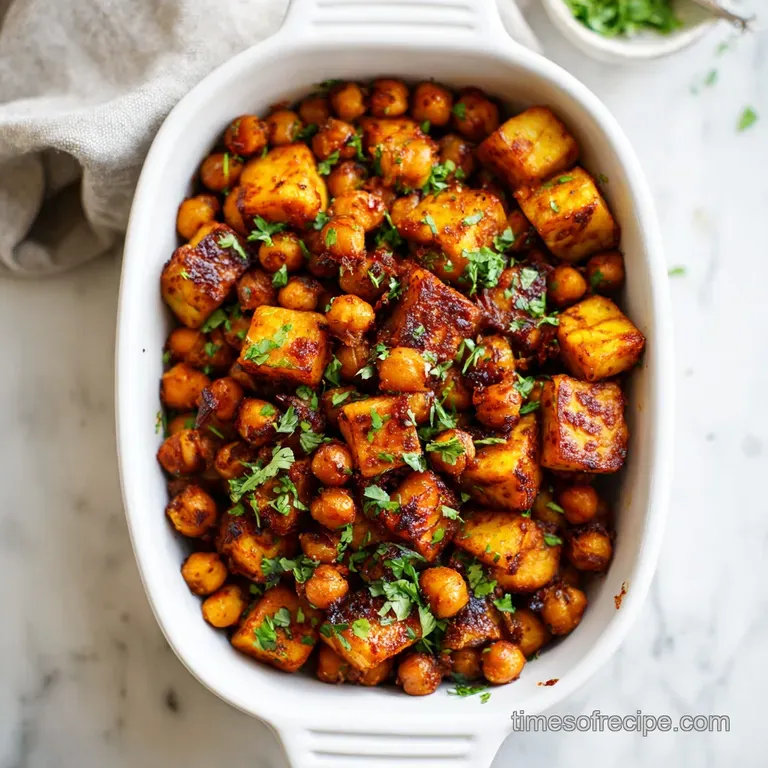
- Time: Active 10 minutes, Passive 15 minutes, Total 25 minutes
- Flavor/Texture Hook: Squeaky, salty halloumi paired with a nutty, zesty tahini finish
- Perfect for: Busy weeknight dinners or a colorful vegetarian meal prep
- Create Easy Vegetarian Dinners Tonight
- Why Sheet Pans Often Fail
- Selecting The Best Ingredients
- Essential Kitchen Gear Needed
- Mastering The Sheet Pan Method
- Avoiding Common Culinary Mistakes
- Creative Recipe Variations
- Scaling Guidelines
- Bypassing Kitchen Lore
- Safe Storage And Reheating
- Perfect Side Dish Pairings
- Very High in Sodium
- Recipe FAQs
- 📝 Recipe Card
Create Easy Vegetarian Dinners Tonight
The first time I smelled halloumi hitting a hot pan, I was in a tiny kitchen in Cyprus, watching a grandmother move with the kind of grace that only comes from decades of practice. There was no fancy equipment, just the sizzle of cheese meeting heat and the earthy aroma of dried oregano.
That "squeak" against the teeth was a revelation to me. It wasn't just cheese; it was a hearty, salty centerpiece that felt as substantial as any steak. I remember thinking how simple it was to build such bold flavors with just a few humble ingredients from the pantry.
In my own kitchen years later, I’ve tried to capture that same magic. We often think meatless meals require hours of chopping or complicated meat substitutes, but that's a myth. This recipe is my tribute to those Mediterranean flavors bright lemon, earthy cumin, and the kick of harissa.
It’s about building layers of comfort that satisfy the soul without keeping you tied to the stove all evening. We are aiming for those charred, crispy edges on the broccoli and chickpeas that provide a beautiful bitterness to balance the rich, creamy tahini.
You are going to love how the harissa paste weaves through the vegetables, staining the red onions with heat and depth. It’s a dish that looks like a celebration on a platter but comes together in less time than it takes to order a pizza.
Whether you're cooking for a family or just looking for a reliable way to get more greens on your plate, this method delivers every single time. Trust me, once you see how the halloumi turns golden and slightly soft in the middle while maintaining its structure, you’ll be making this on repeat.
Why Sheet Pans Often Fail
Most sheet pan meals end up as a soggy disappointment because people crowd the pan or don't manage moisture. If you dump a pile of wet vegetables onto a cold tray, they steam instead of roasting.
We want a over high heat environment where the water evaporates instantly, allowing the sugars in the peppers and onions to caramelize. This creates that "shatter" effect on the chickpea skins that makes them so addictive.
Using a dark metal sheet pan is a secret trick here; dark surfaces absorb more heat and transfer it directly to the food, giving you better browning on the bottom.
| Method | Time | Texture | Best For |
|---|---|---|---|
| Stovetop | 12 minutes | Soft veggies, very crispy cheese | Small batches and quick lunches |
| Oven (425°F) | 15 minutes | Charred edges, uniform roasting | Families and depth of flavor |
over High heat roasting at 425°F is the sweet spot for these ingredients. It’s hot enough to blister the bell peppers before the broccoli turns to mush. By nesting the halloumi directly among the vegetables, the cheese absorbs some of the spiced oils released during the cook, while its own fats render out to season the chickpeas.
This circular exchange of flavor is why this dish tastes so much better than boiling or steaming the components separately.
Moisture Management: Drying the halloumi and chickpeas with paper towels prevents steam pockets from forming.
Thermal Absorption: Dark metal pans reach higher surface temperatures, ensuring the bottom of the halloumi gets golden.
Fat Acid Balance: The heavy fats in the cheese and oil are cut by the sharp lemon and acerbic tahini sauce.
Selecting The Best Ingredients
The success of these easy vegetarian dinners depends on the quality of your components. Halloumi is the star, and you want a block that holds its shape. When shopping, look for "traditional" or "Cypriot style" halloumi which usually has a higher melting point.
If you find one with mint leaves tucked inside, even better! For the chickpeas, canned is perfectly fine, but they must be rinsed thoroughly to remove the metallic taste of the canning liquid.
| Ingredient | Science Role | Pro Secret |
|---|---|---|
| Halloumi | High protein structural fat | Pat dry to ensure a golden crust |
| Harissa Paste | Capsaicin and oil soluble spice | Mix with oil first to coat evenly |
| Tahini | Emulsified fat for sauce | Use warm water to prevent "seizing" |
| Chickpeas | Starch and fiber base | Roast until the skins slightly pop |
The harissa adds a complex heat that isn't just spicy; it’s smoky and slightly floral. If you’re sensitive to heat, you can find mild versions, but don't skip it entirely as it provides the "backbone" for the whole tray. Smoked paprika and cumin seeds add an earthy grit that mimics the taste of a charcoal grill. If you enjoy hearty meals, this Broccoli Casserole recipe is another fantastic way to use up your garden harvest.
- 250g halloumi cheese, sliced into 1/2 inch rectangles Why this? Maintains structure under high heat without melting completely.
- 400g canned chickpeas, drained and rinsed Why this? Provides a crispy, protein packed textural contrast.
- 300g broccoli florets, cut into bite sized pieces Why this? The "trees" catch the sauce and char beautifully.
- 1 large red bell pepper, sliced into wide strips Why this? Adds essential sweetness to balance the salty cheese.
- 1 medium red onion, cut into thick wedges Why this? Caramelizes quickly, adding a savory depth.
- 30ml extra virgin olive oil
- 15ml harissa paste
- 5g smoked paprika
- 2g cumin seeds
- 2g kosher salt
- 60ml hulled tahini
- 15ml fresh lemon juice
- 5ml maple syrup
- 30ml warm water
Essential Kitchen Gear Needed
You don't need a professional kitchen, but a few specific tools make a world of difference. A heavy duty, rimmed sheet pan is non negotiable. Avoid the thin, flimsy ones that warp in a hot oven; they cause the oil to pool in the corners, leaving half your vegetables dry and the other half greasy.
A large glass or stainless steel mixing bowl is also vital for tossing the vegetables. You want enough room to really coat every single crevice of the broccoli with that spiced oil.
When it comes to the tahini sauce, a small metal whisk is better than a fork. Tahini is an emulsion of sesame solids and oils, and it can be temperamental. If you add cold water, it might "seize" and become a thick, grainy paste. Using warm water and a brisk whisking motion helps the fat molecules suspended in the water, creating a velvety, pourable drizzle. If you find yourself making meatless meals often, you might also want to try these Crispy Black Bean Quesadillas for another quick weeknight win.
Mastering The Sheet Pan Method
- Preheat your oven to 425°F (220°C). Note: A hot oven is the only way to avoid soggy vegetables.
- Pat the halloumi slices and drained chickpeas with paper towels until bone dry.
- Toss broccoli, peppers, onions, and chickpeas in a bowl with oil, harissa, paprika, cumin, and salt.
- Spread the mixture onto the sheet pan in a single layer. Do not crowd the ingredients.
- Nestle the halloumi rectangles into the vegetables.
- Roast for 15 minutes until the cheese is golden and the broccoli edges char.
- Whisk tahini, lemon juice, and maple syrup in a small jar.
- Gradually whisk in 30ml of warm water until the sauce is silky and pourable.
- Remove the pan and immediately drizzle the warm sauce over everything.
- Serve directly from the pan for a rustic, family style feel.
Prepping For Maximum Crunch
The secret to the perfect texture starts before the oven is even on. If your chickpeas have even a hint of moisture on the outside, they will steam. I like to let them sit on a clean kitchen towel for 5 minutes while I chop the peppers.
For the broccoli, keep the florets relatively small; this increases the surface area, giving you more "crispy bits" per bite.
High Heat Roasting Secrets
Place your rack in the upper third of the oven. This allows the radiant heat from the top element to brown the halloumi and broccoli tops while the conductive heat from the pan crisps the bottoms. If you see the halloumi browning too fast, don't lower the temp just move the pan down one rack.
You want that 15 minute window to be intense.
Emulsifying The Tahini Sauce
When mixing your sauce, the tahini will initially look like it's curdling as you add the lemon juice. Don't panic! This is a normal chemical reaction. Keep adding the warm water a tablespoon at a time and whisking vigorously.
It will suddenly transform from a thick paste into a smooth, pale gold cream that coats the back of a spoon.
Avoiding Common Culinary Mistakes
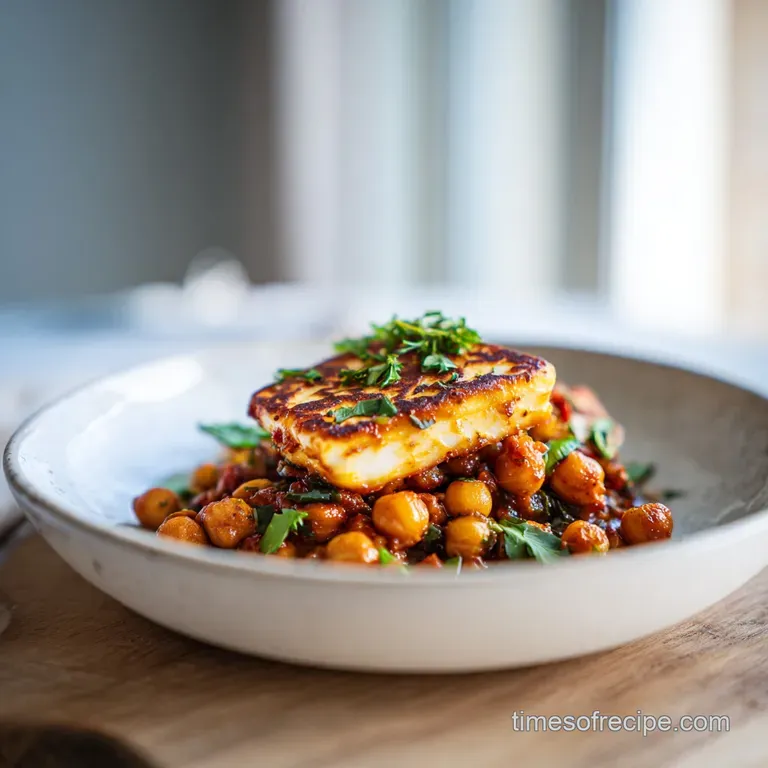
The biggest mistake I see is people being afraid of the heat. If you roast at 350°F, you will end up with a tray of soft, sad vegetables. You need that 425°F punch. Another pitfall is the salt.
Halloumi is naturally very salty, so be careful with the kosher salt you add to the vegetables. I usually stick to exactly 2g of salt for the whole tray to ensure it enhances the flavors without making the dish mouth puckeringly salty.
The Soggy Chickpea Problem
If your chickpeas are chewy instead of crispy, they likely had too much moisture or the pan was overcrowded. Air needs to circulate around each legume to wick away moisture. If you are doubling the recipe, use two separate sheet pans rather than piling everything onto one.
Fixing Rubbery Halloumi
Halloumi can become rubbery if it's overcooked or if it sits too long after roasting. The goal is to pull it out when the outside is brown but the inside still has a slight "give." Serve this dish immediately.
The thermal mass of the vegetables will keep it warm for a few minutes, but halloumi is always best when it's fresh from the heat.
| Problem | Root Cause | Solution |
|---|---|---|
| Pale Halloumi | Oven temp too low | Increase to 425°F and use a dark pan |
| Seized Tahini | Water was too cold | Whisk in 1 tsp of boiling water quickly |
| Soggy Broccoli | Pan was overcrowded | Spread ingredients into a single layer |
Common Mistakes Checklist
- ✓ Forgot to pat the chickpeas dry (they won't crisp up).
- ✓ Used a light colored or insulated cookie sheet (reduces browning).
- ✓ Sliced the halloumi too thin (it will dry out before it browns).
- ✓ Added the tahini sauce before roasting (it will burn).
- ✓ Didn't preheat the oven fully (veggies will soak up oil and get greasy).
Creative Recipe Variations
One of the reasons I love easy vegetarian dinners like this is the flexibility. If you don't have halloumi, you can achieve a similar vibe with a firm feta, though feta won't "sear" the same way it will mostly soften and brown on top.
For a different flavor profile, swap the harissa for a pesto or a mix of dried oregano and lemon zest. The base of roasted vegetables and chickpeas is a canvas for whatever is in your pantry.
Creating A Vegan Version
To make this entirely plant based, replace the halloumi with extra firm tofu. You'll want to press the tofu for 20 minutes beforehand to remove excess water, then cube it and toss it in the same harissa oil mixture as the vegetables.
Tofu takes on the smoky paprika beautifully and provides that same satisfying "bulk" that the cheese offers.
Bulk Prep For Families
If you're cooking for a crowd, the scaling is simple. However, remember the "one layer" rule. Use two sheet pans and rotate them halfway through the 15 minute cook time to ensure even heat distribution. You can also add a side of fluffy couscous or quinoa to stretch the meal further without much extra effort.
Scaling Guidelines
- DOWN (1/2 recipe): Use a smaller toaster oven tray or a quarter sheet pan. Reduce cook time by about 2 minutes as smaller amounts of food heat up faster.
- UP (2x recipe): Use two large sheet pans. Increase the spices to 1.5x rather than a full double to avoid overwhelming the dish. Keep the liquids (oil and tahini) at a full double.
- Baking (2x): If you're doing a large batch of roasted veggies for a party, lower the temp to 400°F if your oven has hot spots, and extend the time to 20 minutes, checking frequently.
Bypassing Kitchen Lore
There is a common myth that you must peel chickpeas to get them crispy. Honestly, life is too short for that. While peeling them does create a slightly smoother texture, the skins are where most of the fiber is, and when roasted at high heat, they become wonderfully brittle and crunchy.
Don't waste 20 minutes peeling legumes when a hot oven does the work for you.
Another misconception is that halloumi "melts." Unlike cheddar or mozzarella, halloumi has a very high melting point due to the way it is produced (it's essentially "cooked" twice during manufacturing). It will soften, yes, but it will never turn into a puddle.
This is why it's the perfect candidate for roasting alongside vegetables it holds its shape while everything else caramelizes around it.
Safe Storage And Reheating
This dish is a champion for meal prep, but there are some rules. Store the roasted vegetables and halloumi in an airtight container in the fridge for up to 3 days. I highly recommend keeping the tahini sauce in a separate small jar.
Tahini thickens significantly when cold, so storing it separately allows you to thin it out with a drop of warm water before serving the leftovers.
Zero Waste Tip: Don't throw away those broccoli stalks! Peel off the woody outer layer, slice the tender inner core into matchsticks, and toss them right onto the tray with the florets. They have a lovely sweetness and add a great crunch.
If you have leftover tahini sauce, it makes a killer dressing for a simple kale salad or a dip for raw cucumbers the next day.
- Fridge: 3 days in a sealed container.
- Freezer: Not recommended (halloumi becomes grainy and veggies get mushy).
- Reheating: Use an air fryer or oven at 350°F for 5 minutes. Avoid the microwave if you want to keep the halloumi's texture; it tends to make the cheese extra rubbery.
Perfect Side Dish Pairings
While this is a complete meal on its own, I love serving it over a bed of warm grains. A lemony couscous or a pile of herb flecked bulgur wheat acts like a sponge for that tahini drizzle.
If you want a bit more "freshness," a quick side salad of cucumbers, tomatoes, and plenty of fresh parsley provides a cold contrast to the hot, charred vegetables.
If you're looking for a drink pairing, a crisp white wine like a Sauvignon Blanc or a dry Rosé works beautifully against the saltiness of the halloumi and the spice of the harissa.
For a non alcoholic option, a sparkling water with a heavy squeeze of lime and a sprig of mint mimics those Mediterranean flavors perfectly. This dish is all about balance the heat of the oven, the cool of the sauce, and the satisfying "squeak" of the cheese. Enjoy the process of building these layers!
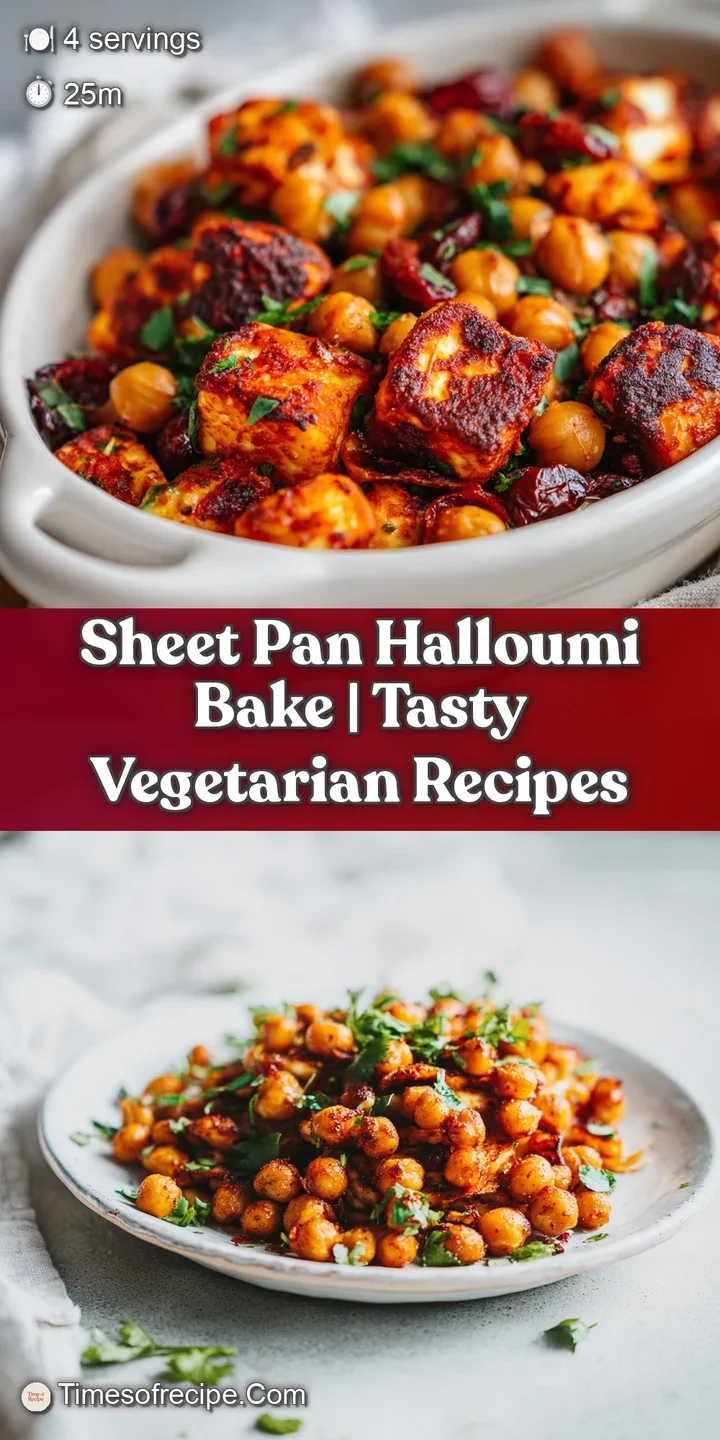
Very High in Sodium
985 mg 985 mg (43% 43%)
The American Heart Association recommends no more than 2,300mg of sodium per day, with an ideal limit of 1,500mg for most adults.
Tips to Reduce Sodium
-
Choose Lower Sodium Halloumi-15%
Halloumi cheese is a significant source of sodium. Look for 'reduced sodium' or 'low sodium' halloumi options if available, as this can drastically cut down the overall sodium content.
-
Rinse Canned Chickpeas Thoroughly-20%
While you're already draining and rinsing, ensure you rinse the canned chickpeas under running water for at least 30 seconds. This helps remove up to 20% of the added sodium from the canning liquid.
-
Reduce Added Kosher Salt-12%
The recipe calls for 2g of kosher salt. Halve this amount to 1g. You can always add a pinch of salt at the table if needed, rather than adding it during cooking.
-
Opt for Low-Sodium Harissa-10%
Harissa paste can vary widely in sodium content. Seek out a low-sodium version of harissa paste or make your own to better control the sodium level.
-
Boost Flavor with Herbs & Spices
Amplify the flavors by generously using herbs and spices. Add fresh cilantro, parsley, or a squeeze of lime to the finished dish for bright, fresh notes.
Recipe FAQs
What is the easiest vegetarian meal to make?
A sheet pan roast is the simplest option. You combine halloumi, chickpeas, and vegetables on a single tray and roast them for 15 minutes, which requires minimal cleanup and active effort.
What are the top 10 vegetarian dishes?
Sheet pan dinners, stir fries, and grain bowls top the list. If you enjoy the efficiency of one-pan cooking, you can apply similar logic to our one-pan coconut salmon to master quick, multi component meals.
What can be made for dinner as a vegetarian?
Focus on roasted vegetables and proteins. A combination of halloumi, chickpeas, broccoli, peppers, and onions seasoned with harissa and cumin provides a satisfying, nutrient dense dinner that takes only 25 minutes total.
What is a good lazy dinner?
Sheet pan roasting is the ultimate lazy method. By preheating your oven to 425°F and spreading ingredients in a single layer, you achieve a complex flavor profile with almost no hands-on labor.
How to ensure chickpeas and halloumi get crispy?
Pat all ingredients bone dry with paper towels before tossing. Moisture is the enemy of browning, so removing excess water ensures the chickpeas char slightly rather than steam.
Is it true I should bake the tahini sauce with the vegetables?
No, this is a common misconception. Adding the tahini sauce before roasting will cause the sugars and oils to burn; always drizzle the sauce over the ingredients after you remove the pan from the oven.
How to fix vegetables that turned out greasy?
Preheat your oven fully to 425°F before putting the pan inside. If the oven isn't hot enough, the vegetables will absorb the olive oil instead of roasting properly, leading to a greasy texture.
Sheet Pan Halloumi Bake
Ingredients:
Instructions:
Nutrition Facts:
| Calories | 528 kcal |
|---|---|
| Protein | 24.6 g |
| Fat | 32.9 g |
| Carbs | 33.7 g |
| Fiber | 11.2 g |
| Sugar | 6.4 g |
| Sodium | 985 mg |
