Amok Curry: Silken Steamed Fish Custard Guide
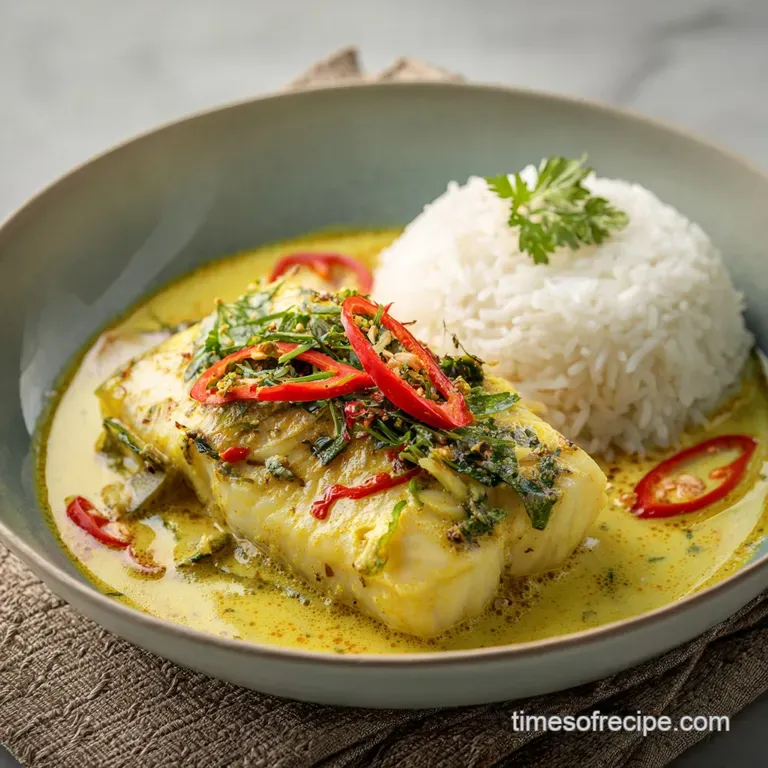
- Silken Steamed Fish Amok: Cambodia’s Ultimate Aromatic Coconut Custard
- Unlocking Cambodia’s Secret: The Magic of Steamed Fish Amok
- The Science of Silken Texture: Why Amok Is Not Like Other Curries
- Essential Components: Detailed Guide to Fish Amok Ingredients
- Crafting the Amok Custard: A Step-by-Step Preparation Guide
- Achieving Perfection: Advanced Tips and Troubleshooting Your Steamed Curry
- Traditional Pairings: How to Serve Cambodian Fish Amok
- Handling Leftovers: Storage and Reheating Techniques
- Recipe FAQs
- 📝 Recipe Card
Silken Steamed Fish Amok: Cambodia’s Ultimate Aromatic Coconut Custard
When that impossibly fragrant steam hits you all bright lemongrass, savory fish sauce, and rich coconut you know you’re about to experience something truly magical.
This isn't just another bowl of coconut milk and spices; this is Amok Curry, Cambodia's national treasure, and it’s unlike any curry you’ve had before. The texture is what completely throws people; it's a delicate, savory custard that wobbles slightly, holding the fish tenderly within its aromatic embrace.
I know, chasing down exotic ingredients sounds intimidating, but trust me, making authentic Amok Curry at home is totally achievable and incredibly rewarding. Once you master the spice paste, the cooking itself is shockingly hands off. You're using a steamer, which means zero stirring and zero splattering.
It’s the perfect showstopper for guests because it looks ridiculously complex but mostly requires patience, not panic.
We are going deep today, folks, past the canned red curry shortcuts, right into the heart of the dish. I’m going to show you how to build the crucial Kroeung paste from scratch, how to avoid the dreaded rubbery texture, and how to plate up the perfect, silken Amok Curry. Let’s crack on.
Unlocking Cambodia’s Secret: The Magic of Steamed Fish Amok
This recipe is brilliant because it tackles the flavor profile first, creating a deep, resonant base before introducing the silky coconut element. The secret to a phenomenal Cambodian Amok Curry lies in respecting the delicate balance between the fresh herbaceous notes and the savory richness of the custard.
Forget everything you know about Thai or Indian curries; this one sets like a savory pudding, not a liquid sauce, and that distinction is everything.
Defining Kroeung: The Soul of Cambodian Cuisine
If Amok Curry is the body, Kroeung (pronounced roughly "kreung") is absolutely the soul. This vibrant, intensely aromatic paste uses fresh herbs and roots that provide a deeply earthy foundation, totally different from the dried spice combinations common in South Asia.
If you skip making the Kroeung from scratch, you might as well skip the whole Amok Curry experience, because you won't get that unmistakable depth of galangal and fingerroot.
Texture vs. Heat: What Makes This Curry Unique?
What truly separates this Amok Curry from its cousins (like Thai curries) is the texture, which comes courtesy of the egg and the steaming method. Because the mixture is thickened with egg and steamed gently, it forms a rich mousseline or custard, rather than a thin, liquid sauce.
It should be intensely fragrant, subtly sweet, savory from the fish sauce, and just mildly spicy; the heat is secondary to the aroma in this traditional Amok Curry preparation.
Preparation Timeline and Difficulty Rating
I’m rating this authentic Amok Curry recipe as Medium . Yes, the steaming is easy, but making the Kroeung properly requires time and possibly a trip to an Asian market for those key roots.
| Stage | Time Estimate | Notes |
|---|---|---|
| Prep Time | 35 minutes | Includes soaking chillies and preparing Kroeung paste. |
| Cook Time | 25 minutes | Steaming time. |
| Total Time | 60 minutes | Plan for 30 minutes of hands-on work total. |
The Science of Silken Texture: Why Amok Is Not Like Other Curries
The reason this dish succeeds is thermal management. We aren’t trying to cook the liquid rapidly; we’re trying to heat the coconut egg mixture gently enough so the proteins set without curdling or separating.
This process, similar to making a savory crème brûlée, ensures the Kroeung -infused coconut cream becomes a silky matrix, suspending the tender chunks of fish within it.
If you rush the Amok Curry by steaming over water that’s too aggressive, you’ll end up with scrambled eggs and separated coconut oil. We want wobbly, not rubbery.
Crucial Chef’s Note: Never use "light" coconut milk. The high fat content of thick coconut cream is non-negotiable for achieving that signature, rich mouthfeel in the final Amok Curry custard.
Essential Components: Detailed Guide to Fish Amok Ingredients
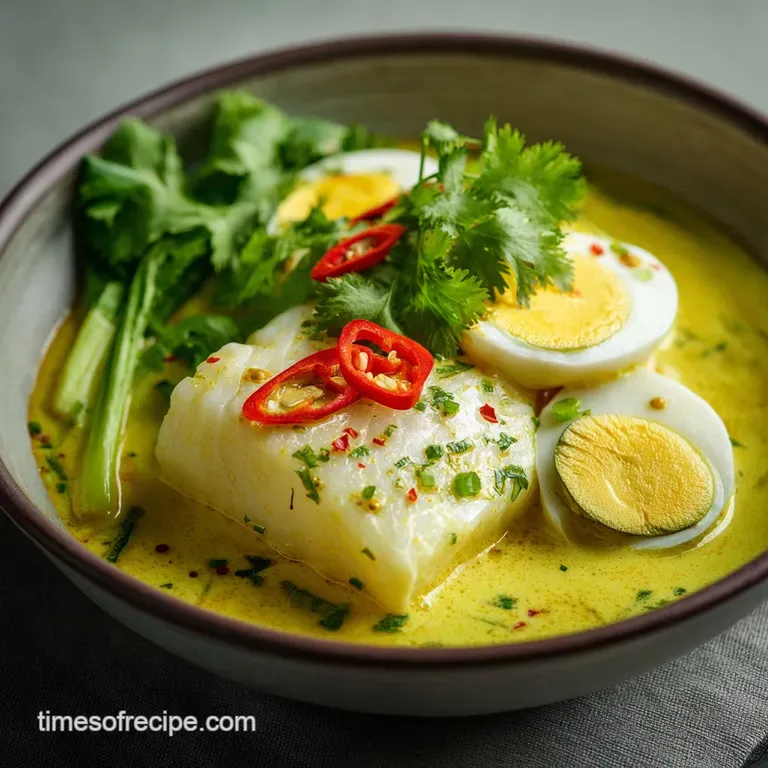
Sourcing the right ingredients for your Amok Curry is half the battle. Don't skimp on the fresh roots, please.
The Critical Role of Coconut Cream and Evaporated Milk
Traditionally, pure, thick coconut cream is used, often freshly squeezed, but high-quality canned coconut cream works perfectly. The high fat content is essential for richness. If you find your mixture is slightly too thick after mixing (especially if your paste was dense), a splash of evaporated milk can be used to thin it slightly without compromising the richness.
Substitution: If you absolutely cannot find thick coconut cream, use the richest full fat coconut milk you can find and allow it to chill overnight; scoop the thick, separated cream from the top.
Why Steaming Delivers the Wobble (Mousseline Effect)
Steaming provides moist, gentle heat, which is exactly what egg-based custards need to set smoothly. Baking or boiling the Amok Curry would lead to a coarse, dry texture. By steaming, we ensure the fish stays incredibly tender while the custard sets slowly from the outside edges inwards, resulting in that iconic, subtle wobble.
Balancing Acidity and Fragrance for Depth of Flavor
The Amok Curry flavor profile relies on layers: the earthy depth of the Kroeung, the savory punch of fish sauce, and the subtle sweetness of palm sugar. We add fresh slivered kaffir lime leaves right into the mix for an explosion of fragrance that activates under the steam.
If you can’t source fresh kaffir lime leaves, use an extra half teaspoon of lime zest in your paste, but fresh is always best for authentic Amok Curry.
Creating Authentic Kroeung Paste from Scratch
This is where we earn our stripes. I once tried to cheat the Kroeung by using pre-made pastes, and the resulting Amok Curry tasted flat and synthetic. Never again. For the Kroeung, every ingredient must be finely pulverized.
| Ingredient | US Customary | Substitution |
|---|---|---|
| Fresh Galangal | 1 inch piece | Use fresh ginger and an additional tiny squeeze of lime juice (texture and flavour will differ). |
| Kaffir Lime Zest | Zest of 1 lime | Regular lime zest, but reduce quantity to avoid bitterness. |
| Dried Red Chillies | 6 8 small | 1/2 tsp crushed chili flakes (soaked). |
| Shrimp Paste ( Kapi ) | 1/2 tsp | 1/2 tsp of extra fish sauce (for savory depth, though flavor is less complex). |
Choosing the Right Fish for the Custard Base
We need firm white fish that can stand up to being cut into chunks and steamed without disintegrating. Cod, snapper, or halibut are perfect choices for this Amok Curry. Avoid flaky fish like sole or tilapia; they will fall apart during the folding process, leaving you with fish debris instead of distinct, tender pieces suspended in the custard.
Ingredient Spotlight: Galangal and Fingerroot Explained
If you see a recipe that skips galangal, it’s not true Amok Curry. Galangal provides a sharp, citrusy, almost piney note that distinguishes Khmer food. Fingerroot (or kra-chai ) is harder to find but provides an essential earthy, musty background aroma; it's often described as tasting like mild ginger and earth.
If you absolutely cannot find fingerroot, increase the lemongrass slightly to compensate for the lost aromatics, but the final Amok Curry won’t be quite the same.
Crafting the Amok Custard: A step-by-step Preparation Guide
Combining the Base: Mixing the Paste, Fish, and Liquid
First, ensure your Kroeung is truly smooth. Next, in a big bowl, whisk together the fish sauce, palm sugar, and the single beaten egg until the sugar dissolves. Now, take three generous tablespoons of your Kroeung paste and whisk that into the egg mixture until it looks like a thick, mustard yellow batter.
Finally, slowly drizzle in the rich coconut cream, whisking constantly until the whole mixture is uniform and silky. This mixture is the essential base of your Amok Curry.
Marinating for Maximum Flavor Infusion
Unlike Western custards, this Amok Curry mixture benefits from a short resting period. Once the fish chunks and slivered kaffir lime leaves are gently folded in, let the whole thing sit for 15 minutes at room temperature.
This allows the Kroeung paste, which is hydrophobic (oil-based), and the fish sauce, which is hydrophilic (water based), to begin perfuming the fish pieces. This short marinade ensures the final Amok Curry is intensely flavorful.
Filling and Sealing the Steaming Vessels
The traditional vessel is a boat made from folded banana leaves, which imparts a subtle grassy aroma. If you are using ceramic ramekins, line the bottom with a couple of Chinese cabbage or spinach leaves; this prevents sticking and adds an appealing vegetal layer under the rich Amok Curry custard.
Fill the vessels about three quarters full.
The Perfect Steaming Time and Temperature Check
Bring your water to a hard boil, then reduce the heat slightly so the water is simmering steadily but not aggressively rolling. Place the vessels into the steamer basket. Steam for 20 to 25 minutes. Set a timer!
After 20 minutes, check the Amok Curry. The edges should look totally set, but the center should still have a slight shimmer and a gentle wobble when you shake the ramekin lightly. If you insert a toothpick near the edge, it should come out clean.
Achieving Perfection: Advanced Tips and Troubleshooting Your Steamed Curry
Mistake 1: Gritty Kroeung. The #1 failure point for any Amok Curry enthusiast is a gritty spice paste, usually caused by tough lemongrass or galangal pieces that didn't break down.
The Fix: If your paste is gritty, stop and pass it through a fine sieve, pressing hard to extract the liquids and fine solids.
Mistake 2: Curdled Custard. This happens when the steaming heat is too high. It separates the fats and scrambles the egg. The texture looks like yellow spongy rubber. The Fix: Unfortunately, you can't save an over scrambled Amok Curry.
Next time, ensure the water in your steamer is only simmering gently, not boiling vigorously.
Mistake 3: Flat Flavor. Your Amok Curry tastes bland despite all the spices. The Fix: Usually, this means you need more fish sauce. Taste the mixture before steaming (don't worry, the small amount of raw egg is fine).
If it tastes balanced but a bit light, add another 1/2 teaspoon of fish sauce.
Traditional Pairings: How to Serve Cambodian Fish Amok
This luxurious Amok Curry deserves simple, clean accompaniments that let the complex Kroeung shine.
Essential Accompaniments: Jasmine Rice and Fresh Herbs
Steamed Jasmine rice is the mandatory partner. Its delicate floral scent absorbs the coconut cream beautifully without competing with the complexity of the Amok Curry. Always serve the steaming hot rice on the side so diners can scoop it up with the creamy custard.
Garnish the finished dish with fresh red chili, slivered kaffir lime leaves, and a reserved drizzle of coconut cream.
Balancing the Meal: Recommended Side Vegetables
To cut through the richness of the coconut, serve something light and vinegary. A quick salad of thinly sliced cucumbers, perhaps dressed with lime juice and a dash of sugar, provides a perfect counterpoint to the creamy, savory Amok Curry. Blanched green beans or asparagus, served chilled, also work wonderfully.
Beverage Pairings for Southeast Asian Flavors
This highly fragrant Amok Curry pairs best with cold, crisp, and slightly effervescent drinks. A chilled, dry Australian Riesling with high acidity works perfectly to slice through the coconut fat. Alternatively, stick to a very cold, light bodied lager.
Skip anything heavy or oaky; it will drown out the subtle aromatics of the Kroeung.
Handling Leftovers: Storage and Reheating Techniques
Does Amok Curry freeze well? You bet, though you need to be smart about it.
Preventing the Custard from Turning Spongy or Dry
Store leftover Amok Curry in an airtight container in the refrigerator for up to 3 days. When reheating, the microwave is your enemy. High, fast heat will turn the perfect custard into a spongy mess.
The Best Reheating Method: Place the cold Amok Curry ramekins back into a steamer and steam gently for about 10– 15 minutes, or until just warmed through to the center. This preserves the delicate mousseline texture.
Adjusting Spice Levels Post Steaming
It's nearly impossible to increase the integrated heat after the Amok Curry is set. If you find the finished dish too mild, simply add fresh garnishes. Serve with a side of homemade chili oil or a few drops of hot sauce, allowing people to customize their spice level without destroying the delicate structure of the custard.
Fixing a Curdled or Separated Mixture Before Steaming
If, during the mixing stage, your coconut cream separated slightly (a rare occurrence, but possible if using very cold cream), you can sometimes save it. Gently whisk in half an extra beaten egg and a teaspoon of cold water.
This introduces an emulsifier and water that might stabilize the mixture before you commit it to the steamer. The success of your Amok Curry hinges on a smooth, homogenous base.
I truly hope you dive into making this extraordinary dish. It requires patience and attention to detail, but once you pull that steaming, fragrant custard from the basket, you’ll realize why Amok Curry holds such a special place in my recipe rotation. Enjoy the wobble!
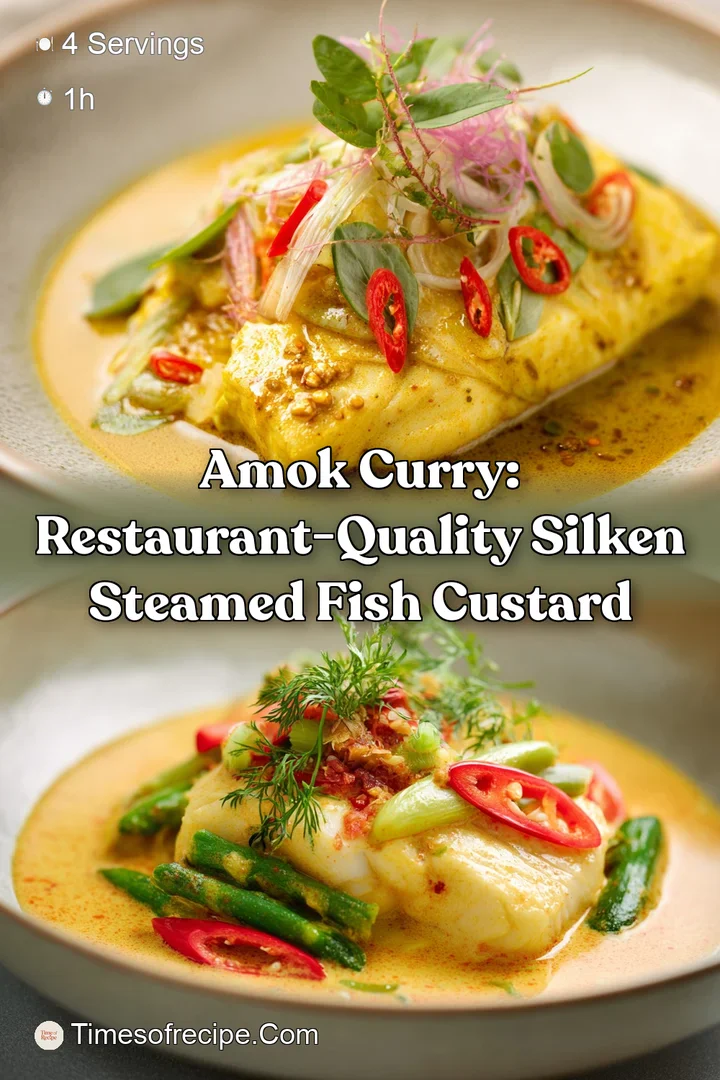
Recipe FAQs
Why is my Fish Amok rubbery or dense instead of a silky, wobbling custard?
The rubbery texture is almost always caused by overcooking, which separates the delicate custard components and causes the protein to seize up. Ensure your steaming water is simmering gently, not boiling violently, and monitor the cooking time carefully; Amok is set when it is just firm but still has a slight wobble.
What is Kroeung, and can I substitute it if I can't source all the unique ingredients?
Kroeung is the essential Cambodian curry paste, built upon lemongrass, galangal, turmeric, and kaffir lime zest, providing Amok's distinctive earthy aroma. If absolutely necessary, you can use a high-quality Thai red curry paste as a base, but you must boost it significantly with extra fresh lemongrass and turmeric powder to achieve the true flavor profile.
Can I make Amok vegan or vegetarian using tofu or vegetables instead of fish?
Yes, Amok adapts well to vegan preparations using firm tofu or dense vegetables like squash or mushroom. When substituting, ensure you replace the fish sauce with a quality soy sauce or tamari for salinity, and you may need to reduce the amount of liquid slightly since vegetables do not release moisture like fish.
I don't have banana leaves. What is the best way to steam and serve the Amok?
Banana leaves are traditional for presentation and subtle flavor infusion, but they are not strictly necessary for cooking. You can perfectly steam the Amok mixture in small ceramic ramekins, shallow oven safe bowls, or even aluminum foil cups, provided they are lightly greased before filling.
My Amok mixture is weeping water at the bottom after steaming. What went wrong?
This "weeping" is usually caused by steaming at too high a temperature or for too long, resulting in protein coagulation and separation of the water content. Next time, make sure the steamer lid is not allowing condensation to drip directly onto the curry, and reduce the heat source to a slow, gentle simmer.
How long can I store leftover Amok, and can I freeze it for later use?
Amok can be stored in an airtight container in the refrigerator for up to 3 days; reheat it gently via steaming or microwaving to prevent it from splitting. Freezing is strongly discouraged because the delicate structure of the coconut milk and egg custard will be compromised, resulting in a grainy, separated texture upon thawing.
Silken Steamed Fish Amok Curry
Ingredients:
Instructions:
Nutrition Facts:
| Calories | 400 calories |
|---|---|
| Fat | 25 g |
| Fiber | 3 g |
