Homemade Dinner Rolls: Soft and Velvety
- Time: Active 15 minutes, Passive 1 hours, Total 1 hours 15 mins
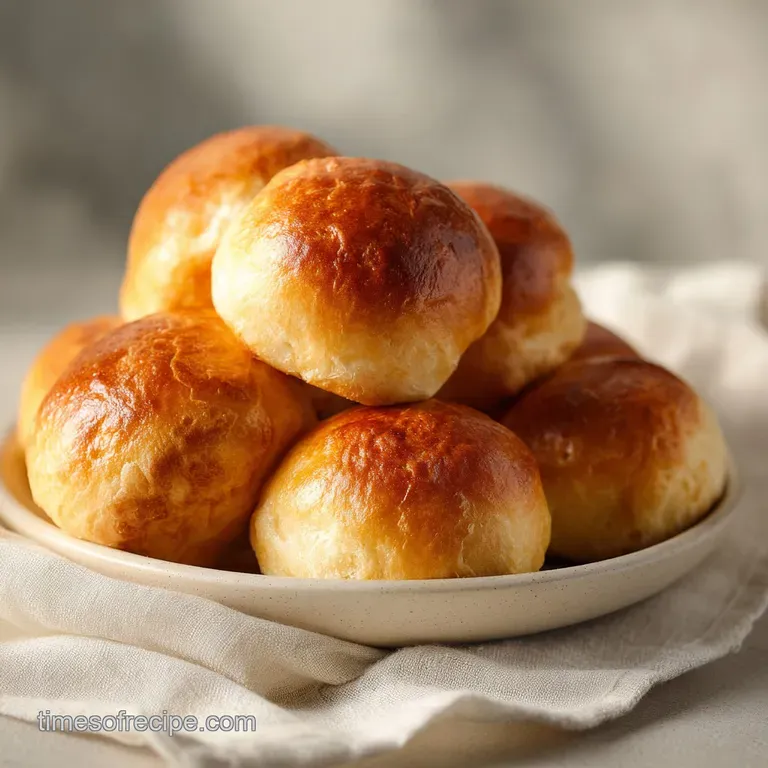
- Flavor/Texture Hook: Buttery, velvety crumb with a golden, slightly sweet crust
- Perfect for: Holiday feasts, Sunday family dinners, or slider buns
- Master the Ultimate Fluffy Homemade Dinner Rolls
- Why These Rolls Define Comfort
- Vital Stats for Baking Success
- Essential Pantry Elements for Softness
- Necessary Gear for Fluffy Results
- Creating Gold Crusted Clouds of Bread
- Fixing Common Dough Related Problems
- Customizing Your Golden Bread Rolls
- Keeping Your Leftover Rolls Fresh
- Best Ways to Enjoy Bread
- Recipe FAQs
- 📝 Recipe Card
Master the Ultimate Fluffy Homemade Dinner Rolls
The scent of yeast blooming in warm milk is the ultimate signal that something hearty is happening in the kitchen. I remember my first attempt at bread making; I was so impatient that I didn't let the dough proof properly, and we ended up with rolls that could have doubled as doorstops.
It was a humbling moment, but it taught me the beauty of the wait. Now, when I pull these out of the oven, the way the golden crust gives way to a steamy, soft interior makes every minute of patience worth it.
Watching the butter melt over the warm tops until they glisten is pure kitchen therapy. There's a specific sound when you pull two rolls apart a soft, airy tear that reveals a velvety texture inside. Whether you're dipping them into a big bowl of Broccoli Cheddar Soup recipe or using them to mop up gravy, these rolls are the soul of the meal. We've refined this process to be approachable, even if you’re usually intimidated by yeast.
Why These Rolls Define Comfort
The Chemistry of the Cloud: Yeast consumes the granulated sugar to produce carbon dioxide, while the egg and milk proteins create a flexible structure that traps those bubbles. This dual action results in a height and softness that water based breads simply can't achieve.
- Fat Enrichment: Whole milk and melted butter coat the gluten strands, keeping them short and tender rather than chewy.
- The Sugar Kick: A specific ratio of sugar feeds the yeast quickly, ensuring a vigorous rise even in shorter timeframes.
- Internal Steam: The high moisture content from the egg creates internal steam during baking, which pushes the dough upward for maximum loft.
- Maillard Magic: The lactose in the milk and the sugar in the dough work together to create that deep, burnished golden exterior.
| Method | Time | Texture | Best For |
|---|---|---|---|
| Traditional Rise | 2 hours | Airy, complex flavor | Weekend baking |
| Rapid Bloom | 1 hours 15 mins | Soft, tight crumb | Busy weeknights |
| Cold Proof | 12-24 hours | Deeply savory, chewy | Holiday prep |
Right then, choosing your method depends on how much time you've got before the family starts hovering around the kitchen island. For most of us, the rapid bloom method strikes the best balance between speed and that satisfying, hearty texture we crave.
Vital Stats for Baking Success
| Component | Science Role | Pro Secret |
|---|---|---|
| 480g All Purpose Flour | Provides structure | Weigh your flour to avoid "heavy" dough. |
| 7g Instant Yeast | Leavening agent | Ensure your milk is 105°F to wake it up. |
| 240ml Whole Milk | Hydration and fat | Full fat milk yields the most velvety crumb. |
| 1 Large Egg | Emulsifier and lift | Use room temp eggs so they don't chill the dough. |
If you enjoy working with enriched doughs like this one, you'll find the technique very similar to what I use in my Cinnamon Rolls recipe, which also relies on that beautiful balance of fat and flour.
Essential Pantry Elements for Softness
- 480g All Purpose Flour: Provides the necessary gluten framework. Why this? Bread flour makes them too chewy; AP keeps them tender.
- 7g Instant Yeast: Our rising star. Why this? Instant yeast mixes directly with dry ingredients for speed.
- 240ml Whole Milk: Warmed to 105°F. Why this? Liquid gold for a rich, soft texture.
- 57g Unsalted Butter: Melted and cooled. Why this? Adds flavor and prevents the rolls from drying out.
- 50g Granulated Sugar: Yeast fuel. Why this? Just enough to tenderize without being "dessert" sweet.
- 1 Large Egg: Room temperature. Why this? Adds structure and a rich, golden hue.
- 6g Fine Sea Salt: The flavor balancer. Why this? Essential to keep the rolls from tasting flat.
- 28g Unsalted Butter: For the final glaze. Why this? Creates a soft, buttery crust immediately after baking.
- 1 tsp Flaky Sea Salt: Optional finishing. Why this? Adds a crunch and pops against the sweet dough.
Necessary Gear for Fluffy Results
The Stand Mixer Factor
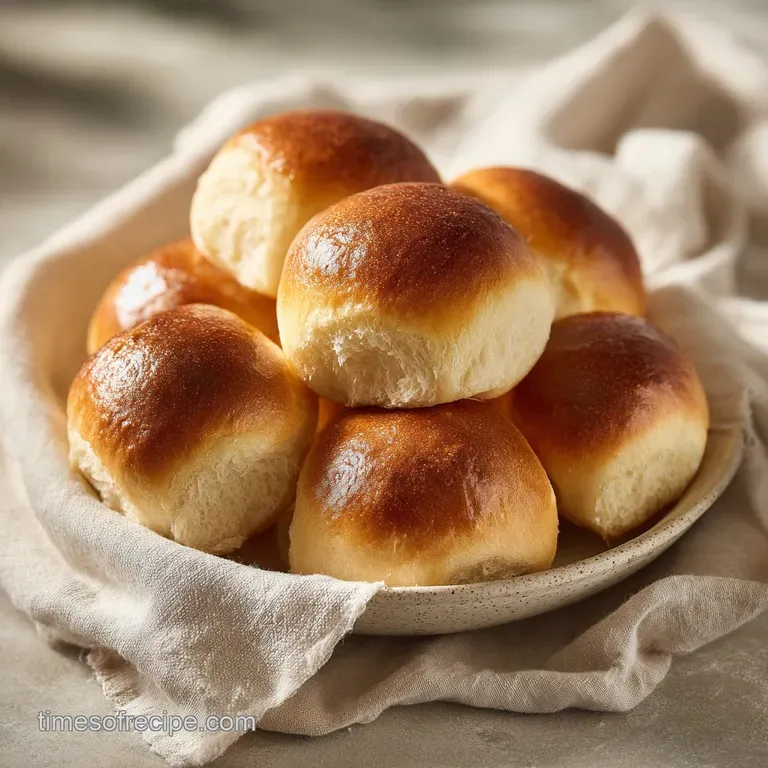
While you can absolutely knead these by hand, a stand mixer fitted with a dough hook makes the process much more consistent. It handles the sticky, enriched dough without requiring you to add too much extra flour, which is the number one reason rolls turn out dry.
Precise Temperature Control
An instant read thermometer is your best friend here. You need that milk to be exactly 105°F. If it's too cold, the yeast stays asleep. If it's over 120°F, you risk killing the yeast entirely, and nobody wants a tray of flat bread.
The Right Baking Pan
A 9x13 inch metal baking pan is standard. Metal conducts heat more efficiently than glass, helping the bottoms brown properly before the tops get too dark. If you use glass, you might need to add a few minutes to the bake time.
Creating Gold Crusted Clouds of Bread
- Whisk the 480g flour, 7g yeast, 50g sugar, and 6g sea salt in your mixer bowl. Note: Mixing dry first prevents yeast clumps.
- Combine the 240ml warm milk (105°F), 57g melted butter, and 1 egg in a separate jug.
- Pour the wet ingredients into the dry while the mixer runs on low speed.
- Knead for 5-7 minutes on medium low until the dough pulls away cleanly from the sides.
- Transfer to a greased bowl, cover with a damp cloth, and let rise in a warm spot for 30 minutes.
- Punch the dough down gently to release large air bubbles.
- Divide into 15 equal pieces (about 60g each) and roll into smooth, tight balls.
- Arrange the balls in a greased 9x13 pan, cover, and let rise for another 30 minutes until doubled and touching.
- Bake at 375°F for 15 minutes until the tops are deeply golden and sound hollow when tapped.
- Brush with the remaining 28g melted butter and sprinkle with flaky salt while steaming hot.
Chef's Tip: If you want that signature "Texas Roadhouse" look, place the dough balls so they are just barely touching before the second rise. This forces them to grow up rather than out, creating tall, pull apart sides.
Fixing Common Dough Related Problems
Why Your Rolls are Dense
If your rolls feel like bricks, the most common culprit is too much flour. It’s tempting to keep adding flour when the dough feels sticky, but resist that urge. Sticky dough leads to soft rolls. Also, check your yeast if it didn’t foam or bubble during the mix, it might be expired.
The Crust is Too Hard
A hard crust usually happens if the oven is too cold and the rolls have to stay in too long to brown, drying them out. Ensure your oven is fully preheated to 375°F. Brushing them with butter immediately after they leave the oven is the secret to softening that outer layer.
| Problem | Root Cause | Solution |
|---|---|---|
| No Rise | Dead yeast or cold milk | Use fresh yeast and check milk temp (105°F). |
| Sticky Center | Underbaked | Bake until internal temp reaches 190°F. |
| Dry Crumb | Too much flour | Weigh flour (480g) instead of using measuring cups. |
Common Mistakes Checklist
- ✓ Avoid using cold eggs; they can shock the yeast and slow the rise.
- ✓ Don't skip the second rise it's what creates the airy interior.
- ✓ Pat the dough balls into a tight skin to ensure a smooth top.
- ✓ Use unsalted butter so you can control the saltiness of the bread.
- ✓ Never use milk hotter than 115°F or you'll kill the leavening.
Customizing Your Golden Bread Rolls
| Original Ingredient | Substitute | Why It Works |
|---|---|---|
| Whole Milk | Oat Milk (Full Fat) | Similar protein/sugar levels for browning. |
| Granulated Sugar | Honey | Adds floral notes and moisture. Note: Browns faster. |
| Unsalted Butter | Vegan Butter Sticks | High fat content maintains the tender crumb. |
If you are looking for a more traditional, slightly denser roll with a cultural twist, you have to try this Pandesal Recipe. It uses a similar base but includes breadcrumbs for a unique texture.
Texas Roadhouse Honey Butter Twist
To get that famous restaurant vibe, add 1 tablespoon of honey and 1/2 teaspoon of cinnamon to the melted butter you brush on top. The sweetness against the warm bread is absolutely satisfying.
Small Batch Dinner Rolls
If you're only cooking for two, you can easily halve this recipe. Use half an egg by beating it in a small bowl first, then measuring out 2 tablespoons. Bake them in a standard 9 inch round cake pan instead of the 9x13.
Keeping Your Leftover Rolls Fresh
Storage: These stay soft for up to 2 days at room temperature if kept in an airtight container or a heavy duty Ziploc bag. For longer storage, keep them in the fridge for 5 days, though they may firm up slightly.
Freezing: This is my favorite holiday hack. You can freeze the baked rolls for up to 3 months. Wrap the entire pan in foil, then plastic wrap. To reheat, thaw at room temperature and pop them in a 300°F oven for 10 minutes to restore that "just baked" sizzle.
Zero Waste: If you have rolls that have gone a bit stale, don't toss them! They make the most incredible croutons or bread pudding. You can also pulse them in a food processor to make fresh breadcrumbs for a Chicken Pot Pie recipe topping.
Best Ways to Enjoy Bread
These rolls are the ultimate team players. I love serving them alongside a hearty roast or using them as the base for leftover turkey sliders the day after a big feast. If you're feeling adventurous, slice them in half, toast them with a bit more butter, and use them for breakfast sandwiches with a fried egg and sharp cheddar.
Debunking Bread Myths
Many people think you have to knead dough for 20 minutes to get a good rise. That's a myth. With this enriched dough, 5-7 minutes in a mixer is plenty to develop the gluten without making the bread tough. Another myth is that salt kills yeast on contact.
While high concentrations aren't great, mixing them into the flour together is perfectly safe and necessary for flavor.
If you want to go the extra mile, sprinkle some dried herbs like rosemary or thyme into the dough during the final minute of kneading. It adds a bold, aromatic layer that pairs beautifully with savory soups and stews.
Trust me, once you see your family's faces when you bring a warm tray of these to the table, you'll never go back to the store-bought ones. Let's crack on and get baking!

Recipe FAQs
What are the 4 ingredients in easy dinner rolls?
Flour, yeast, warm milk, and butter. These four form the backbone of the dough, with sugar, egg, and salt being standard additions for tenderness and flavor.
What makes rolls light and fluffy?
A vigorous, successful yeast rise combined with sufficient fat enrichment. The carbon dioxide produced by the yeast expands the gluten network, while the butter and milk keep the strands short and tender, resulting in maximum loft.
What makes a dinner roll perfect?
A deep golden crust that yields easily to a steamy, velvety interior. Perfection is achieved when the crumb is soft enough to tear apart with no resistance, balancing flavor and texture.
What flour is best for dinner rolls?
All-purpose flour is the best choice for tenderness. While bread flour offers more chew due to higher protein, AP flour prevents the rolls from becoming overly tough or bready, maintaining a delicate texture.
How do I ensure my yeast is active before mixing?
Proof the yeast in your warmed milk (at 105°F) with a pinch of sugar for 5-10 minutes. If it bubbles and foams up, it is active and ready to go; if nothing happens, the yeast is likely dead and needs replacement.
Is it true I must knead rolls for 15 minutes to develop gluten?
No, this is a common misconception when using a stand mixer. For this enriched dough, kneading for only 5 to 7 minutes on medium low speed is sufficient to develop structure without overworking the dough into a chewy texture.
How can I keep my baked rolls from drying out overnight?
Brush the hot rolls immediately after baking with melted butter and store them tightly wrapped in an airtight container at room temperature. The fat seals in the moisture, keeping them pliable until the next day; for longer storage, you can freeze them successfully, similar to how we recommend freezing dough for later use in our Pandesal recipe.
Soft Fluffy Dinner Rolls
Ingredients:
Instructions:
Nutrition Facts:
| Calories | 185 kcal |
|---|---|
| Protein | 4.2 g |
| Fat | 5.8 g |
| Carbs | 28.5 g |
| Fiber | 0.8 g |
| Sugar | 3.8 g |
| Sodium | 164 mg |
