Garlic Smashed Potatoes & Balsamic Asparagus
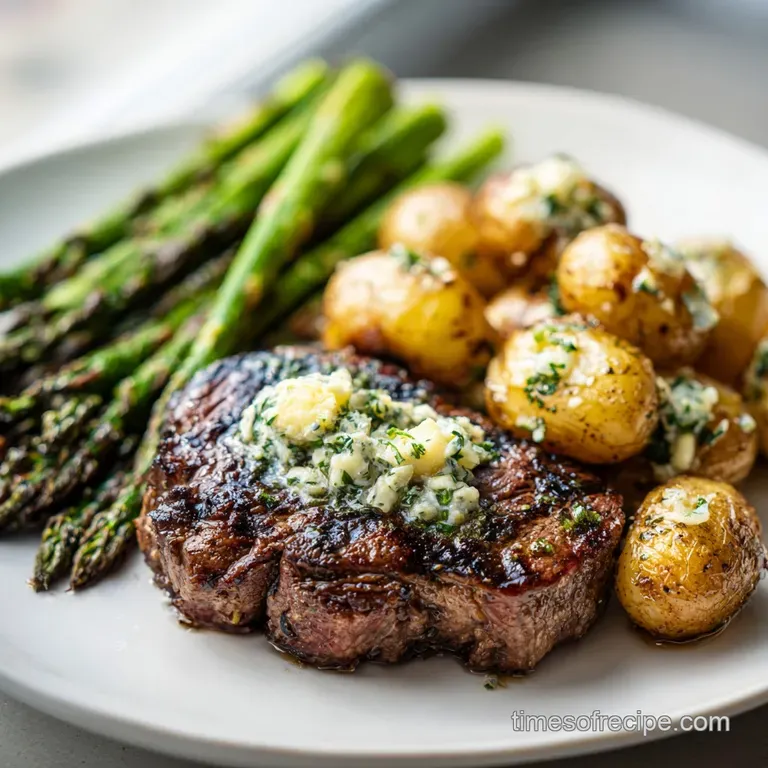
- Time: Active 15 minutes, Passive 35 minutes, Total 50 minutes
- Flavor/Texture Hook: Shattering potato crust with tender crisp balsamic stalks
- Perfect for: Hearty family dinners or a satisfying weekend feast
- Bold Flavors with this Side dishe for Steak
- Hearty Mechanics and why This Recipe Works
- Essential Specs for the Perfect Steak Pairing
- The Science of Flavorful Side Components
- Necessary Tools for Kitchen Success
- How to Make the Ultimate Steakhouse Sides
- Fixing Common Texture and Flavor Issues
- Scaling the Recipe for Large Crowds
- Debunking Side Dish Myths
- Storage and Sustainable Kitchen Tips
- Plating and Enhancing the Experience
- Side Dish FAQs for Steak
- 📝 Recipe Card
Bold Flavors with this Side dishe for Steak
We’ve all been there standing over a beautifully seared, salt crusted ribeye, only to realize the "side" is a sad, lukewarm pile of steamed broccoli or a grainy baked potato. It feels like a missed opportunity, doesn't it?
I remember a Saturday night when I spent a small fortune on a Prime grade T bone, only to serve it with a side that had zero personality. The meal felt unfinished, like a song without a bassline.
That was the day I decided that if the beef is the star, the side dish for steak needs to be the best supporting actor on the plate.
The kitchen was filled with the aroma of rendered beef fat, but I wanted something that would actually stand up to those bold, iron rich flavors. I started experimenting with the physics of a potato how to get that interior like velvet while making the skin so crispy it literally shatters when you bite into it.
I found that the secret wasn't just heat; it was surface area and a little bit of chemistry. By the time I added the balsamic glazed asparagus to the pan, the balance of rich fat and bright acidity was so satisfying we almost forgot to finish the meat.
This isn't about some light, dainty garnish that leaves you hungry an hour later. We are talking about a hearty, comfort focused plate that feeds the soul. These smashed Yukon Golds are drenched in a rosemary garlic butter that seeps into every crack and crevice created during the "smash" phase.
When you pair that with the snap of fresh asparagus and a sharp balsamic finish, you get a meal that feels like a celebration. Let's get into how we make this actually work in your home kitchen.
Hearty Mechanics and why This Recipe Works
To get that satisfying contrast between the rich beef and your sides, we rely on a few specific culinary principles. It isn't just about throwing vegetables in an oven; it's about managing moisture and maximizing the Maillard reaction.
- Alkaline Surface Breakdown: Parboiling the potatoes in salted water breaks down the external pectin, creating a starchy "mash" on the surface that crisps up into a glass like crust when roasted.
- Thermal Mass Sizzling: Using a preheated baking sheet ensures the potatoes start searing the moment they hit the metal, preventing them from absorbing too much oil and becoming greasy.
- Acidic Counterpoint: The balsamic glaze on the asparagus provides a necessary sharpness that cuts through the heavy fats of the steak and the buttered potatoes, refreshing your palate between bites.
- The Rosemary Infusion: Fat carries flavor, so melting the rosemary directly into the butter allows the herb's essential oils to permeate every inch of the potato.
| Fresh Ingredient | Shortcut Alternative | Flavor Impact |
|---|---|---|
| Fresh Rosemary | Dried Rosemary | More subtle, woody notes; lacks the bright piney aroma of fresh. |
| Whole Garlic Cloves | Jarred Minced Garlic | Significant loss of pungency; jarred versions often taste metallic or sweet. |
| Baby Yukon Golds | Frozen Roasted Potatoes | Texture is significantly softer; you lose the distinct "shatter" of a fresh smash. |
Preheating your roasting pan is the single most important step for achieving that bold, satisfying crunch. If you put cold potatoes on a cold pan, they will steam before they sear, and you'll end up with a soggy mess rather than the crispy New Years Eve recipe quality we are aiming for.
Essential Specs for the Perfect Steak Pairing
Before you even turn on the stove, you need to know exactly how these components will behave. Timing is everything when you’re trying to sync up your sides with a resting steak.
| Steak Thickness | Internal Target | Rest Time | Visual Finish |
|---|---|---|---|
| 2.5 cm (1 inch) | 54°C (Medium Rare) | 5 minutes | Warm red center, deep brown crust |
| 4 cm (1.5 inch) | 54°C (Medium Rare) | 8 minutes | Uniform pink through center |
| 5 cm (2 inch) | 54°C (Medium Rare) | 10 minutes | Juicy, tender, and deeply seared |
Chef's Note: For the potatoes, don't be afraid to push the roasting time. You want the edges to look almost too dark; that’s where all the satisfying flavor lives. If they look "golden," they need another five minutes to reach that "shatter" stage.
The Science of Flavorful Side Components
Selecting the right elements is the difference between a side that’s just "there" and one that people talk about for weeks. We use Yukon Golds specifically because their high starch content leads to a creamy interior that mimics mashed potatoes while the skin crisps like a fry.
| Component | Science Role | Pro Secret |
|---|---|---|
| Yukon Gold Potatoes | High starch to sugar ratio | Don't peel them; the skin is essential for structural integrity during the smash. |
| Unsalted Butter | Fat soluble flavor carrier | Use European style butter for a higher fat content and less water, which aids browning. |
| Balsamic Glaze | Sugar acid balance | Apply in the last 2 minutes of cooking to prevent the sugars from burning and turning bitter. |
| Fresh Garlic | Pungency and Umami | Crush into a paste with salt to release all the oils before mixing with the butter. |
Ingredients and Substitutions
- 680g Baby Yukon Gold potatoes
- The gold standard for a creamy yet-crisp result.
- Substitute
- Red bliss potatoes. They are waxy and hold together well, though slightly less creamy.
- 45ml Extra virgin olive oil
- Provides the initial crisping power.
- Substitute
- Avocado oil. It has a higher smoke point for very over high heat roasting.
- 56g Unsalted butter, melted
- Adds that bold, hearty flavor we crave. Why this? Butter contains milk solids that caramelize into a nutty, satisfying crust.
- Substitute
- Ghee or clarified butter for a dairy-free option with the same richness.
- 4 cloves Garlic, minced into a paste
- Essential for that classic steakhouse aroma.
- Substitute
- 1 tsp Garlic powder mixed into the butter if fresh isn't available.
- 5g Kosher salt
- Enhances every other flavor on the plate.
- 2g Coarsely ground black pepper
- Adds a subtle heat that complements the beef.
- Substitute
- Fresh green beans. They take roughly the same amount of time to roast.
- 15ml Extra virgin olive oil
- Ensures even roasting and heat distribution.
- 10ml Balsamic glaze
- For a concentrated punch of sweet and tangy acidity.
- 25g Shaved Parmesan cheese
- Adds a salty, umami rich finish. Why this? Parmesan's crystals provide a textural contrast to the tender asparagus.
- 1 pinch Red pepper flakes
- Just enough to wake up the palate without being "spicy."
Necessary Tools for Kitchen Success
You don't need a professional kitchen to make a world class side dish for steak, but having the right heavy duty gear helps maintain the consistent heat needed for roasting.
- Large Rimmed Baking Sheet: A heavy gauge aluminum pan prevents warping at high temperatures.
- Large Pot: For parboiling the potatoes.
- Heavy Bottomed Glass or Meat Pounder: Used for the "smash" technique to get that even surface area.
- Small Mixing Bowl: To whisk together your rosemary garlic butter.
- Silicone Pastry Brush: For painting the flavor onto every single potato.
How to Make the Ultimate Steakhouse Sides
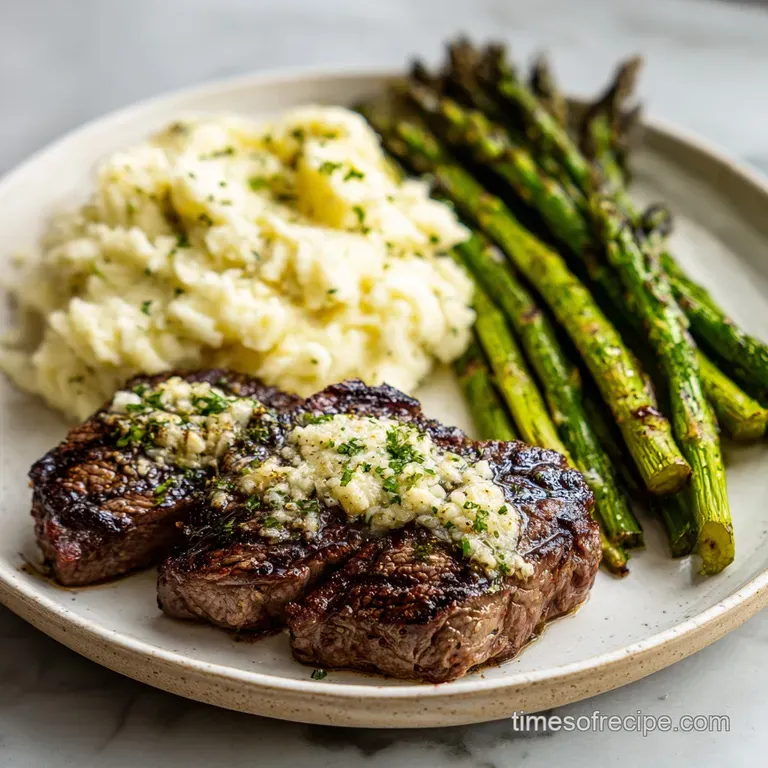
Success here is all about the sequence. We want the potatoes to be finishing their over high heat roast just as the asparagus goes in, so everything hits the table piping hot.
- Boil the potatoes. Place the 680g of Yukon Golds in a large pot of salted water. Bring to a boil and cook for 15-20 minutes until a knife slides in with zero resistance.Note: If they aren't soft enough, they will crumble rather than smash.
- Preheat and prep. While boiling, set your oven to 200°C (400°F). Place your empty baking sheet inside to get it screaming hot.
- Dry them out. Drain the potatoes and let them sit in the colander for 2 minutes. Watch for the steam to dissipate—dry potatoes are crispy potatoes.
- The Big Smash. Place potatoes on the hot, oiled baking sheet. Use a heavy glass to gently press down on each one until they are about 1cm thick.
- Seasoning layer one. Whisk the 56g melted butter, minced garlic, rosemary, salt, and pepper. Brush half of this mixture generously over the smashed potatoes.
- First Roast. Slide the potatoes into the oven for 20 minutes. You’re looking for the bottoms to start turning a deep, dark tan.
- Asparagus prep. Toss the 450g of asparagus with 15ml olive oil, salt, and red pepper flakes in a separate bowl.
- The Flip. Remove the potatoes, flip them carefully, and brush with the remaining butter mixture. Push them to one side of the pan and add the asparagus to the other side.
- The Final Sizzle. Roast everything for another 10-15 minutes until the potato edges are brown and shattering.
- Finishing touch. Drizzle the 10ml balsamic glaze over the asparagus and sprinkle with the 25g shaved Parmesan. Let it sit for 1 minute in the turned off oven to melt the cheese.
Fixing Common Texture and Flavor Issues
Even the most experienced home cooks run into trouble when the moisture levels in vegetables don't cooperate. Most problems with steak sides come down to steam.
Why Your Potatoes are Soggy
If your potatoes lack that satisfying crunch, they likely went into the oven with too much surface moisture. When water is present, it has to evaporate before browning can begin. By the time the water is gone, the potato is overcooked and mushy inside.
Why Your Garlic Tastes Bitter
Garlic burns much faster than potatoes roast. If you mince it too finely or put it on too early without enough fat to protect it, those tiny pieces turn black and acrid. Always mix your garlic into the butter or oil to act as a heat shield.
| Problem | Root Cause | Solution |
|---|---|---|
| Potatoes falling apart | Overboiled or wrong variety | Use Yukon Golds and stop boiling as soon as they are fork tender. |
| Asparagus is limp | Overcrowded pan | Ensure a single layer so the air can circulate and roast rather than steam. |
| No "Shatter" crust | Oven temperature too low | Verify your oven with a thermometer; it must be at least 200°C. |
Common Mistakes Checklist:
- ✓ Never skip the parboil; it’s the only way to get a creamy interior.
- ✓ Pat the potatoes dry with a paper towel if they still look wet after draining.
- ✓ Use a metal spatula to flip; plastic can't get under those crispy bits as effectively.
- ✓ Don't add the balsamic glaze at the beginning; it will burn and stick to the pan.
- ✓ Let the potatoes rest for 2 minutes after roasting to let the crust "set."
Scaling the Recipe for Large Crowds
When you're making this for a big family gathering, the "crowded pan" rule becomes your biggest hurdle. If you double the recipe, you cannot simply pile everything onto one sheet.
Scaling Down (Half Recipe): For 2 people, use 340g of potatoes and 225g of asparagus. You can use a smaller toaster oven pan, but keep the temperature at 200°C. Reduce the initial boiling time by about 3 minutes as smaller batches of water reach temperature faster.
Scaling Up (Double Recipe): When doubling to 1.3kg of potatoes, use two separate baking sheets. Swap the positions of the sheets halfway through the roasting time (top to bottom) to ensure even browning.
For spices and salt, increase to 1.5x the original amount rather than a full double to avoid over seasoning.
| Method | Best For | Texture Result | Time |
|---|---|---|---|
| Standard Oven | Most home cooks | Maximum crispness | 50 mins |
| Air Fryer | Small batches (1-2) | Very fast, extra dry | 30 mins |
| Convection | Large batches | Superior even browning | 40 mins |
Debunking Side Dish Myths
One of the biggest myths in the kitchen is that you need to soak potatoes for hours to get them crispy. While soaking removes surface starch, our "alkaline parboil" method actually uses that starch to our advantage.
By boiling first, we create a starchy slurry on the surface that fries in the oven fat, creating a much thicker, more satisfying crust than soaking ever could.
Another misconception is that fresh asparagus is always better than frozen. While fresh is ideal for roasting because it maintains its structural snap, "shortcut" frozen asparagus can be used in a pinch if you roast it from frozen at a higher temperature (220°C). However, you will lose that distinct "tender crisp" bite that makes the Ribeye Roast recipe experience so special.
Storage and Sustainable Kitchen Tips
If you happen to have leftovers (a rare occurrence in my house), you can transform them into a completely different meal the next day.
- Fridge: Store in an airtight container for up to 4 days.
- Reheating: Never use the microwave; it will make the potatoes gummy. Instead, toss them back into a hot pan with a tiny bit of butter for 5 minutes until the sizzle returns.
- Zero Waste Tip: Don't throw away those woody asparagus ends! Toss them into a freezer bag. Once you have a few handfuls, boil them with an onion and some stock, then blend and strain for a silky asparagus soup.
- Potato Scraps: If any potato bits fall off during the smash, roast them anyway. They become "potato croutons" that are incredibly satisfying as a snack or salad topper.
Plating and Enhancing the Experience
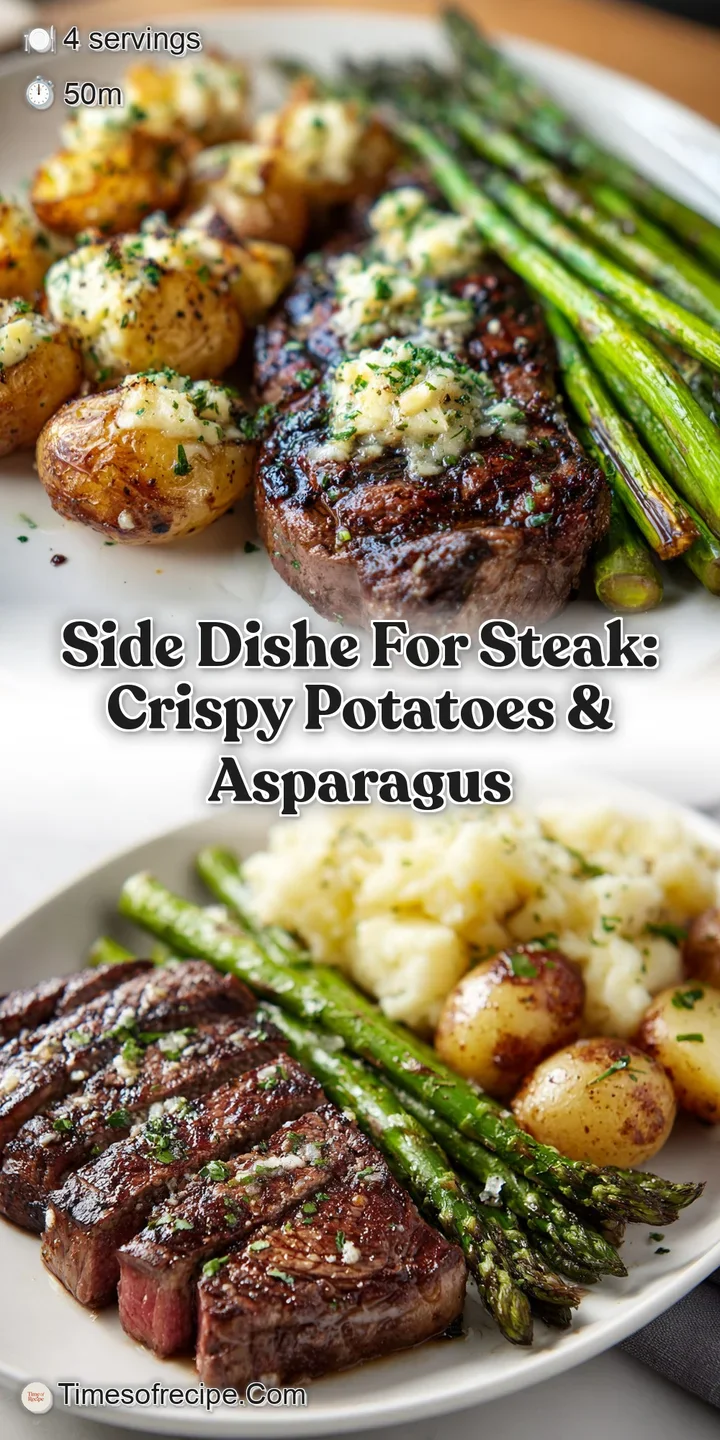
When you're ready to serve, think about the "flavor map." You want the rich, iron heavy flavor of the steak to be the center, with the bright, acidic asparagus on one side and the salty, buttery potatoes on the other.
- The Contrast Plate: Place the steak slightly off center. Nest the asparagus stalks in a neat row next to it, then pile the smashed potatoes on the other side. This mimics the presentation of high end steakhouses.
- The Family Style: If you're serving a crowd, lay the steak on a large wooden board and surround it with the potatoes and asparagus. It creates a visual feast that feels hearty and inviting.
- The Final Garnish: A final sprinkle of flaky sea salt (like Maldon) over the potatoes just before serving adds a tactile crunch that takes this side dish for steak to the next level.
For a truly memorable evening, try pairing this meal with the techniques found in our OnePan Steak Bite recipe. The garlic butter notes in both recipes create a cohesive flavor profile that will make your kitchen smell like a professional bistro. Trust me, once you master the "shatter" of these potatoes, you’ll never go back to basic fries again.
Side Dish FAQs for Steak
What are good sides with steak?
Yes, classic pairings like mashed potatoes or creamed spinach are excellent. For something contrasting, try tangy roasted vegetables like balsamic glazed asparagus to cut through the richness of the beef.
What is the 3-3-3 rule for steaks?
No, the 3-3-3 rule is not a recognized culinary standard for steak preparation. Culinary rules focus more on temperature (like resting time) or ingredient ratios, not a generalized 3-3-3 guideline for beef.
What's a surprising side for steak?
Try a savory bread pudding or a deeply caramelized onion tart. These offer an unexpected textural richness that complements a heavily seared crust, much like the buttery depth we achieve with smashed potatoes.
What appetizers go well with steak dinner?
Keep appetizers light, acidic, or savory to prepare the palate for the main event. Think shrimp cocktail, sharp blue cheese dip with endive, or classic beef carpaccio, which uses similar lean beef flavors found in our Beef Tips Recipe.
How do I prevent my roasted potatoes from getting soggy next to the steak?
Parboil them first, then ensure your roasting pan is screaming hot before adding the potatoes. Boiling breaks down the outer starches, allowing the dry heat of the oven to immediately begin frying the surface, achieving a shatteringly crisp crust.
Can I use a marinade on my side vegetables for steak?
Yes, but only use a light, acid forward marinade for quick roasting vegetables like asparagus. Avoid heavy oil-based marinades as they can inhibit crisping; instead, use a quick toss with olive oil and finish with a concentrated glaze, similar to the technique in our Marinade Sauce recipe, but applied post roast.
Is it true I should skip resting the steak if I serve it with cold sides?
False. Always rest your steak regardless of side temperature. Resting allows the internal muscle fibers to relax and reabsorb juices, ensuring tenderness; resting time should generally be 5 to 10 minutes, depending on thickness.
Steak Side Dishes Potatoes Asparagus
Ingredients:
Instructions:
Nutrition Facts:
| Calories | 418 calories |
|---|---|
| Protein | 8.0 g |
| Fat | 26.8 g |
| Carbs | 35.1 g |
| Fiber | 5.8 g |
| Sugar | 3.5 g |
| Sodium | 681 mg |
