Bourbon Glaze: the Classic Sticky Kentucky Recipe
- Crafting the Ultimate Sticky Bourbon Glaze: An Overview
- The Science of Stickiness: Why This Glaze is Superior
- Essential Components for Your Bourbon Glaze Recipe
- Bringing It All Together: Step-by-Step Glazing Method
- Mastering the Technique: Chef's Tips and Troubleshooting
- Maximizing Shelf Life: Storage and Preservation Guide
- Ultimate Pairings: Creative Ways to Use Your Bourbon Reduction
- Recipe FAQs
- 📝 Recipe Card
Crafting the Ultimate Sticky Bourbon Glaze: An Overview
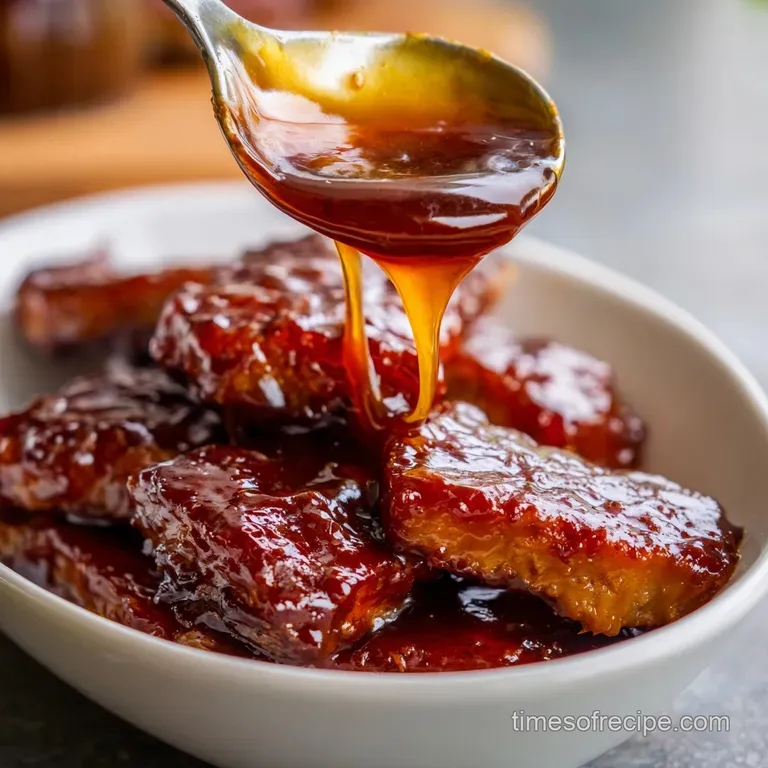
Walking into a kitchen when this Bourbon Glaze is simmering is a genuine experience. The air gets thick with the smell of rich, melting brown sugar, the oaky warmth of the bourbon, and a sharp, sweet tang of vinegar.
It transforms from liquid ingredients into a dark, glossy lacquer right before your eyes, ready to cling to anything beautiful you put on a plate.
Listen, we've all been there using bottled sauces that taste vaguely of chemicals and disappointment. But this homemade Bourbon Glaze recipe is the easiest, cheapest, and most flavor packed way to upgrade your dinner game instantly.
It takes maybe five minutes of prep and then it just hangs out on the stove, doing its thing while you sip a cold drink.
So, ditch the sad store-bought stuff and let’s crack on. This isn't just a sauce; it's a sophisticated, complex reduction designed to be your culinary secret weapon. Trust me, once you master this sticky Bourbon Glaze , you’ll never look back.
The Science of Stickiness: Why This Glaze is Superior
The brilliance of this particular glaze isn’t just the flavor it’s the perfect, almost lacquered texture. We aren't aiming for thin syrup here; we want a glaze that adheres aggressively to whatever it touches.
The Kentucky Hug: Defining the Glaze's Flavor Profile
Why does bourbon work so much better than other spirits? It’s the essential aging process in charred oak barrels that provides vanilla, caramel, and smokey notes right off the bat.
When the alcohol reduces out of the liquid, it leaves behind all those beautiful, complex compounds, giving this Bourbon Glaze that signature "Kentucky Hug" a warm, lingering finish.
Why You Need a Multipurpose Glaze in Your Kitchen
If I have to make two things, I choose the recipe that can be used on ten things, right? That’s why this Bourbon Glaze is a lifesaver. It’s absolutely mandatory for a show stopping bourbon glazed ham recipe at the holidays, but it’s just as brilliant brushed onto a humble chicken breast or used as the tangy binder for meatballs.
This versatile sticky bourbon glaze genuinely goes with everything.
Equipment Check: Tools for Glaze Success
You don't need fancy gadgets to whip up a batch of perfect Bourbon Glaze . However, one piece of gear is absolutely essential: a non-reactive saucepan. Since we’re using apple cider vinegar, a copper or aluminum pan can cause an off-flavor or even leach metal into the sauce.
Stick to stainless steel or enameled cast iron for this sticky reduction.
Achieving the Perfect Viscosity (The Lacquer Effect)
Viscosity is just a fancy word for thickness, and we achieve it here by heavy reduction combined with the natural binding power of maple syrup and brown sugar. Unlike simple syrup, which is just water and sugar, this Bourbon Glaze has complexity built in.
The goal is that rich, glossy finish a perfect lacquer that doesn't just run off your food.
Balancing Sweetness, Heat, and Oaky Notes
If you rely only on bourbon and brown sugar, you end up with something cloyingly sweet. The secret to an outstanding Bourbon Glaze is balance. That's why we rely on the punchy acidity of apple cider vinegar, the sharp tang of Dijon mustard, and the umami depth of Worcestershire sauce.
They cut right through the sweetness, making the overall flavor deep, savory, and compelling.
The Maillard Reaction and Deep Flavor Development
We aren't strictly frying things here, but the Maillard Reaction is still at play. By simmering the sugars and proteins (from the Worcestershire and Dijon) for 15- 20 minutes, they start to caramelize and bond, creating new, darker, more complex flavors.
This low and slow reduction ensures the bourbon glaze sauce develops a genuinely deep profile instead of tasting merely sweet and boozy.
Essential Components for Your Bourbon Glaze Recipe
You only need a few pantry staples, but paying attention to the quality of the main ingredients makes a massive difference in the final Bourbon Glaze .
Selecting the Right Spirit: Bourbon Quality Matters
I learned this the hard way: if you wouldn't drink it, don't cook with it. While you don’t need the top-shelf single malt, using a mid-range bourbon (something you’d happily pour into a Kentucky Mule: The Ultimate Bourbon Ginger Bliss Cocktail ) ensures the oaky notes are clean, not harsh. The bourbon is the backbone of this sticky bourbon glaze —choose wisely!
Sweeteners and Depth: Molasses vs. Brown Sugar
We use light brown sugar because it dissolves easily and provides caramel notes. The maple syrup, crucially, adds a non-crystallizing sweetness and increases the viscosity, helping the Bourbon Glaze adhere better when it cools. If you want a darker, smokier glaze, use dark brown sugar instead.
Acidity and Spice: Cutting Through the Richness
Don’t skimp on the Worcestershire or the Dijon. The Worcestershire provides that non-negotiable savory element, while the Dijon acts as an emulsifier, binding the liquids and fats together while adding a necessary sharpness.
These small elements prevent the finished Bourbon Glaze from tasting like candy.
Ingredient Swaps and Alcohol Free Alternatives
Sometimes you run out of something or need to serve those who prefer not to consume alcohol. No worries! This Bourbon Glaze recipe is surprisingly forgiving.
| Original Ingredient | Recommended Substitution | Notes |
|---|---|---|
| Bourbon | Chicken or Vegetable Stock + 1 tsp Vanilla Extract | This creates a complex, savory, non-alcoholic glaze base. |
| Light Brown Sugar | Honey or Molasses (use slightly less) | Honey yields a lighter color; Molasses yields a much darker, richer flavor. |
| Apple Cider Vinegar | Red Wine Vinegar or Lemon Juice | Lemon juice is sharper, so use ½ Tbsp less. |
| Worcestershire Sauce | Soy Sauce (for umami) | Soy sauce is saltier; adjust the added salt accordingly. |
| Dijon Mustard | Whole Grain Mustard | This will add texture, but the flavor profile remains similar. |
Bringing It All Together: step-by-step Glazing Method

This is genuinely simple, but timing is everything. Pay attention to the simmering stage, and you'll nail this every time.
Initial Combining and Preparing the Base
- Whisk It Up: Grab your medium non-reactive saucepan. Combine the brown sugar, bourbon, maple syrup, apple cider vinegar, Worcestershire sauce, Dijon mustard, garlic powder, pepper, and salt. Give it a good whisk over medium high heat until the sugar is totally dissolved you shouldn't feel grit at the bottom of the pan.
- Boil Time: Bring the mixture to a rapid boil. Quick safety note: The bourbon vaporizes alcohol quickly here, so make sure your kitchen is well ventilated.
The Critical Simmer: Reducing to the Nappe Stage
- Reduce Heat: Once boiling furiously, immediately drop the heat to medium low. You want a steady, lazy bubble, not a violent rumble. This controlled heat prevents the sugar from burning, which would result in a bitter Bourbon Glaze .
- Reduce Volume: Let the glaze simmer, uncovered, for 15 to 20 minutes. Stir occasionally. You are aiming to reduce the volume by about one-third. As it cooks, the color will deepen significantly, turning from pale amber to a beautiful dark mahogany.
Testing for Consistency (The Cold Plate Method)
- Test the Coat: After 15 minutes, it's time for the "nappe" test. Dip the back of a cold metal spoon into the liquid, coating it fully. Now, run your finger horizontally across the back of the spoon. If the line holds cleanly and the glaze doesn’t run back together, it's ready. Remember, it should still look slightly thinner than you want, as it will thicken dramatically when it cools.
Final Finishing Touches and Resting
- Butter Brilliance: Remove the saucepan from the heat immediately. Whisk in the cold unsalted butter. The butter does two important things: it stops the cooking process and it emulsifies the sauce, adding a professional gloss and luxurious, smooth finish to your finished Bourbon Glaze .
- Cool Down: Let the glaze cool for at least 10 minutes. This rest period is essential, as the residual heat will continue to thicken the sauce into that highly desirable, sticky consistency.
Mastering the Technique: Chef's Tips and Troubleshooting
Even the simplest recipes can go sideways if you rush them or ignore crucial cues. Here’s what I learned when making my first few tragic batches of Bourbon Glaze .
Preventing Crystallization and Burning
The biggest culprit in bitter glaze is high heat. Never boil aggressively during the reduction stage. Aggressive boiling evaporates the water too fast, spiking the sugar concentration and almost guaranteeing it will catch and burn on the bottom of the pan.
Keep that heat low and stir often to redistribute the sugar molecules evenly.
How to Rescue a Glaze That's Too Thin
If you've cooked the Bourbon Glaze for 20 minutes, tested it, and it still runs like water, don't panic. Simply return it to the heat and simmer for another 5 to 8 minutes, testing every few minutes.
Conversely, if it cools down and looks like concrete, gently reheat it with a tablespoon of water or bourbon until it loosens up.
Optimal Application Temperature
If you are using this as a bourbon glazed chicken basting sauce, apply it warm during the last 10– 15 minutes of cooking. This allows the heat of the oven or grill to further caramelize the sugars onto the meat.
However, if you are using it as a dipping sauce for appetizers or drizzling over bourbon glazed pork chops after they rest, use it at room temperature that's when it is at its stickiest best.
Chef’s Note: Remember to always reserve some of the glaze before you baste. Applying raw glaze to meat, dipping, and then re-applying it is a food safety no-no.
Maximizing Shelf Life: Storage and Preservation Guide
You made a full cup of this glorious stuff now what? Unlike many sauces, this sticky reduction holds up beautifully thanks to the high sugar and vinegar content.
Refrigerated Shelf Life of Homemade Sauces
Store your cooled Bourbon Glaze in an airtight container (a small Mason jar works perfectly) in the refrigerator. Because of the sugar concentration, it acts as a natural preservative, allowing the glaze to stay fresh and absolutely fine for up to two weeks .
It will thicken significantly into a solid, jelly like state when cold.
Best Practices for Freezing the Glaze
Yes, you can freeze this sticky bourbon glaze ! This is perfect if you’re batch cooking or prepping for the holidays. Pour the cooled glaze into ice cube trays for perfect single serving portions, or use a freezer safe zip-top bag, pressing out all the air before sealing.
It will maintain peak quality for up to six months.
Reactivating and Reheating Properly
When it's time to use your stored glaze, you must reheat it gently. For refrigerated glaze, transfer the desired amount to a small saucepan and reheat over low heat, stirring constantly until smooth and glossy.
If reheating frozen cubes, use the same low and slow approach in a saucepan avoid the microwave, as it often causes the sugars to burn unevenly.
Ultimate Pairings: Creative Ways to Use Your Bourbon Reduction
You might have come here just looking for a standard bourbon glaze recipe , but now that you have it, let's explore its full potential.
This glaze is practically mandatory when making that classic bourbon glazed salmon recipe . The sweetness works perfectly against the richness of the fish. But don't stop there.
Appetizer Game Changer
Brush the glaze onto skewers of grilled pineapple or use it as a finishing drizzle over goat cheese crostini. For a simple side dish, toss your cooked carrots or even some simple Canned Green Beans: Easy Side Dish with Smoky Bacon and Tangy Glaze with a spoonful of this glaze just before serving for a little sweetness and shine.
Dessert Drizzles
While this is fundamentally a savory glaze, its complexity works shockingly well in desserts. Try drizzling a small amount over vanilla bean ice cream or stirred into a warm apple crisp for an unexpected, oaky depth.
There you have it the ultimate, perfectly balanced, utterly reliable Bourbon Glaze . Go forth and glaze everything!
Recipe FAQs
Why is my Bourbon Glaze too thin and runny?
A thin glaze indicates that the liquid has not been sufficiently reduced. Continue simmering the glaze uncovered over low heat to allow more moisture to evaporate, which concentrates the sugars and creates the desired sticky consistency.
If you are in a rush, you can whisk in a teaspoon of cornstarch slurry (cornstarch mixed with cold water) and simmer for one minute to thicken it rapidly.
Can I make this glaze non-alcoholic?
Absolutely. To maintain the deep flavor profile without the alcohol, substitute the bourbon with an equal amount of strong, dark coffee or a high-quality non-alcoholic vanilla extract mixed with water.
This will mimic the complexity and depth that the dark spirit provides, ensuring the glaze still offers a robust taste.
My glaze is burning when I apply it to baked meat. What is the solution?
Glazes are very high in sugar and will burn easily if exposed to high heat for too long. Only apply the glaze during the last 15 to 20 minutes of your total cooking or baking time.
For long roasts like ham or turkey, baste with pan drippings or broth first, and then use the Bourbon Glaze only near the very end of the cooking process.
How should I store leftover Bourbon Glaze, and how long will it last?
Due to its high sugar and alcohol content, this glaze keeps very well and acts as a natural preservative. Store any unused portion in an airtight container in the refrigerator for up to 2 to 3 weeks. Always ensure you are not double dipping a basting brush used on raw meat back into the stored supply.
What is the ideal temperature to serve the Bourbon Glaze?
The glaze is typically best served warm or slightly above room temperature. Warming it gently helps relax the texture, enhancing its viscous, sticky quality and allowing the complex, oaky aromas of the bourbon to fully bloom.
If the glaze has solidified in the fridge, simply reheat it slowly on the stovetop or in the microwave.
Can I use different types of whiskey, like Rye or Scotch?
While Bourbon provides the classic, sweet, and caramel notes of Kentucky, you can certainly substitute other dark whiskies. Rye will give the glaze a spicier kick, while Scotch will impart a smokier or peatier flavor, depending on the type used.
Remember that the final flavor profile will change, so taste and adjust the sugar content accordingly.
Can I freeze leftover Bourbon Glaze?
Freezing is generally discouraged for thick, high sugar glazes because the texture often becomes grainy or separates upon thawing. If you must freeze it, ensure it is stored in a heavy duty container and, upon defrosting, whisk it vigorously while gently warming it to try and restore its smooth emulsified state.
Sticky Bourbon Glaze Recipe

Ingredients:
Instructions:
Nutrition Facts:
| Calories | 153 kcal |
|---|---|
| Protein | 0.4 g |
| Fat | 2.9 g |
| Carbs | 31.5 g |
