Turkish Chicken White Sauce: Velvety and Bold
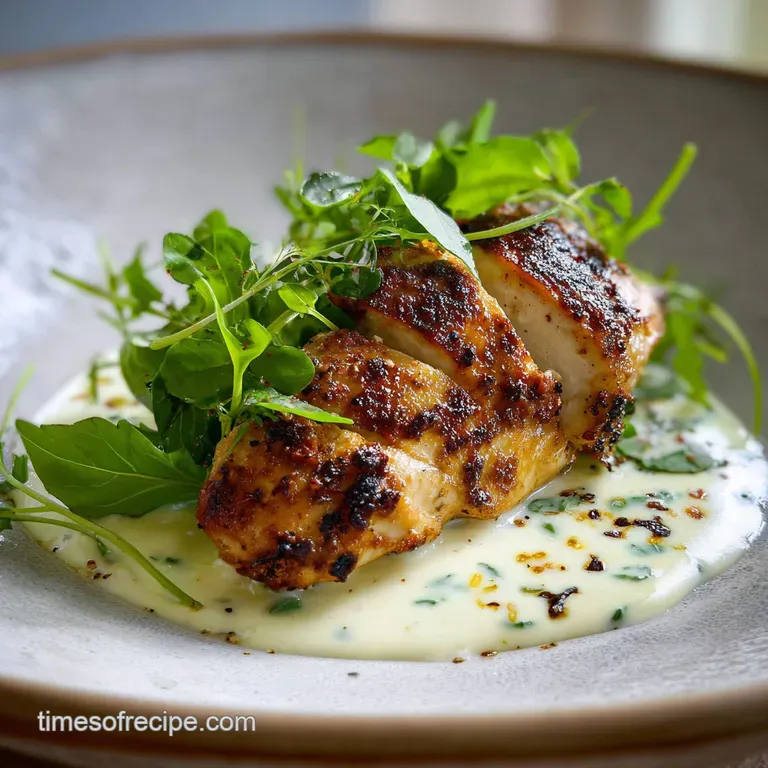
- Time: Active 10 minutes, Passive 20 minutes, Total 30 minutes
- Flavor/Texture Hook: Velvety cream and golden sear
- Perfect for: Hearty weeknight family dinners
- The Hearty Turkish Chicken White Sauce Guide
- Why This Hearty Meal Satisfies
- Recipe Specs and Timing
- Component Deep Dive and Science
- Essential Equipment for Success
- Building Bold Flavor Layers Together
- Fixing Common Kitchen Blunders
- Bold Variations and Creative Twists
- Storing and Reheating Your Leftovers
- Best Sides for Family Meals
- Recipe FAQs
- 📝 Recipe Card
The Hearty Turkish Chicken White Sauce Guide
The first time I stood over a hot pan in a cramped kitchen in Istanbul, the smell nearly knocked me sideways. It was the garlic hitting the shimmering olive oil, followed immediately by the sharp, earthy punch of Aleppo pepper.
I watched as the cook tossed cubes of chicken until they hissed and crackled, developing a deep, golden crust that looked almost like caramel. That sizzle is the sound of a good meal starting, and it is a sound I’ve tried to recreate in my own home ever since.
We often think of cream sauces as being strictly French, but this version has a soul that feels entirely different. It is heavier on the aromatics and relies on the balance between rich butter and the brightness of fresh parsley.
I’ve made the mistake of rushing the browning process before, resulting in pale, soggy meat. Trust me, you want that hard sear. It’s the difference between a flat dish and one that feels truly satisfying for a hungry family.
This recipe is one of those "back pocket" meals for me. It uses simple pantry staples but transforms them through a few specific techniques I've picked up over the years. We are going to build layers of flavor, starting with the fat and ending with a silky finish that makes you want to wipe the pan clean with a piece of crusty bread.
It’s hearty, it’s inviting, and it’s exactly what you need after a long day.
Why This Hearty Meal Satisfies
- The Maillard Reaction: Searing the chicken at high heat creates complex flavor molecules on the surface that provide a savory backbone to the entire dish.
- Fat Soluble Aromatics: Blooming the Aleppo pepper and oregano in butter releases essential oils that would otherwise stay trapped in the dried herbs.
- Emulsion Stability: Combining heavy cream with a touch of flour and chicken stock creates a thickened sauce that clings to the meat instead of pooling at the bottom of the plate.
- Acid Fat Balance: While not using lemon, the specific pungency of the garlic and the earthiness of the paprika cut through the richness of the heavy cream.
| Thickness | Internal Temp | Rest Time | Visual Cue |
|---|---|---|---|
| 1 inch cubes | 165°F | 3 minutes | Center is opaque and juices run clear |
| 0.5 inch strips | 165°F | 2 minutes | Firm to the touch with golden edges |
| Large chunks | 165°F | 5 minutes | Surface is deeply browned and matte |
The timing of your sear is the most critical part of this process. If you move the chicken too early, you lose that crust. If you wait too long, the breast meat turns into something resembling a pencil eraser.
I always aim for that sweet spot where the edges are just starting to crisp up before I even think about adding the liquids.
Recipe Specs and Timing
This recipe is designed to move quickly once the heat is on. You’ll want to have everything chopped and measured before you even turn on the burner. I’ve found that trying to mince garlic while the chicken is already sizzling leads to burnt bits and a lot of unnecessary stress.
- Prep time: 10 minutes
- Cook time: 20 minutes
- Total time: 30 minutes
- Yield: 4 servings
The beauty of this timeline is that it fits perfectly into a busy evening. While the sauce simmers and thickens, you have just enough time to set the table or toss a quick salad. It’s a satisfying rhythm that keeps the kitchen feeling like the heart of the home rather than a high pressure zone.
The Science of Creamy Emulsions
Mixing fat and water based liquids requires a bridge to prevent separation. The tiny amount of all purpose flour acts as a stabilizer, catching the fat droplets from the heavy cream and butter to create a uniform, velvety texture.
Chef's Tip: Freeze your butter for about 10 minutes before you start. Grating the cold butter directly into the flour for the roux creates a much more even distribution and prevents those annoying clumps.
Component Deep Dive and Science
| Ingredient | Science Role | Pro Secret |
|---|---|---|
| Heavy Cream | Provides the fat base for the velvety mouthfeel | Room temperature cream prevents the sauce from breaking when hitting the hot pan |
| Aleppo Pepper | Adds mild heat and fruity undertones | Bloom this in the butter for 30 seconds to wake up the oils |
| Chicken Stock | Thins the fat and adds umami depth | Use a low sodium version to have total control over the salt levels |
| All purpose Flour | Acts as the primary thickening agent | Cook the flour for at least 1 minute to remove the raw grain taste |
Choosing Your Ingredients
- 1.5 lbs chicken breast: Cut into 1 inch cubes. Why this? Cubes ensure maximum surface area for browning and even cooking.
- Substitute: Chicken thighs (boneless/skinless) for more moisture and a richer flavor.
- 2 tbsp extra virgin olive oil: For the over high heat sear. Why this? It has a better flavor profile than vegetable oil for Mediterranean dishes.
- Substitute: Avocado oil if you want an even higher smoke point.
- 2 tbsp butter, divided: Used for both searing and the roux. Why this? Butter adds the essential creamy flavor that oil lacks.
- Substitute: Ghee for a nuttier, lactose free alternative.
- 4 cloves garlic, minced: The aromatic heart. Why this? Fresh garlic provides a punch that powder can't replicate.
- Substitute: Garlic paste if you're in a massive rush.
- 1 cup heavy cream: The sauce foundation. Why this? It stands up to heat without curdling like milk might.
- Substitute: Full fat coconut milk for a dairy-free version (adds a nutty note).
- 0.5 cup chicken stock: To balance the richness. Why this? Adds a savory layer that water lacks.
- Substitute: Vegetable stock or even a dry white wine.
- 1 tbsp all purpose flour: The thickener. Why this? Reliable and creates a smooth finish.
- Substitute: Cornstarch (use half the amount mixed with water).
- 0.5 tsp Aleppo pepper (Pul Biber): Authentic Turkish heat. Why this? It’s less spicy and more flavorful than standard red flakes.
- Substitute: A mix of paprika and a tiny pinch of cayenne.
- 0.5 tsp dried oregano: Earthy notes. Why this? Holds up better to long simmering than fresh oregano.
- Substitute: Italian seasoning blend.
- 0.5 tsp paprika: For color and warmth. Why this? Gives the white sauce a beautiful golden hue.
- Substitute: Smoked paprika for a deeper, woodsy aroma.
- 0.25 cup fresh parsley: The finishing touch. Why this? Cuts through the cream with a grassy brightness.
- Substitute: Fresh cilantro or chives.
Essential Equipment for Success
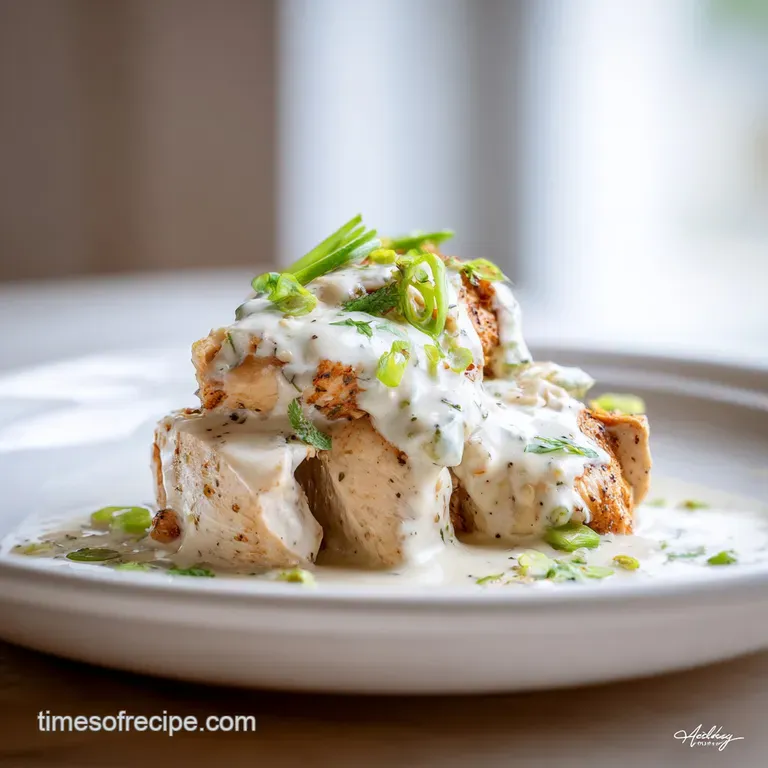
You don't need a professional kitchen to make a great Turkish Chicken White Sauce, but the right pan makes a world of difference. I highly recommend a large stainless steel or cast iron skillet. You want something that can hold heat and won't crowd the chicken.
If the pan is too small, the meat will steam in its own juices instead of searing, and you'll miss out on that bold, browned flavor.
A good whisk is also non negotiable. When you add the flour and then the liquids, you need to be able to stir vigorously to ensure the sauce stays velvety. I once tried to use a fork in a pinch, and I ended up with a lumpy mess that took forever to smooth out. Don't be like me; use the whisk.
Finally,, make sure you have a sharp chef's knife for cubing the chicken. When the meat is cut into uniform 1 inch pieces, it all finishes cooking at the same time. This prevents the small pieces from drying out while the big ones are still raw in the middle.
Consistency is the secret to a professional feeling home meal.
Building Bold Flavor Layers Together
- Prep the chicken. Pat the 1.5 lbs of chicken cubes completely dry with paper towels. Note: Moisture on the surface creates steam, which prevents browning.
- Heat the oil. Add 2 tbsp extra virgin olive oil to a large skillet over medium high heat. Cook until the oil shimmers and barely wisps of smoke appear.
- Sear the meat. Place the chicken in the pan in a single layer. Sizzle for 5-7 minutes without moving them until a deep golden crust forms on the bottom.
- Finish the sear. Toss the chicken and add 1 tbsp of the butter. Cook for another 3 minutes until the chicken is mostly opaque. Remove the chicken to a plate and keep it warm.
- Aromatic base. Lower the heat to medium. Add the remaining 1 tbsp of butter to the same pan. Stir in the 4 minced garlic cloves and cook for 1 minute until the aroma fills the room but the garlic hasn't browned.
- Bloom the spices. Sprinkle the 0.5 tsp each of Aleppo pepper, dried oregano, and paprika into the butter. Whisk for 30 seconds to release the oils.
- Create the roux. Dust the 1 tbsp of flour over the spices and garlic. Whisk constantly for 1 minute to cook out the raw flour taste.
- Whisk the liquids. Slowly pour in the 0.5 cup chicken stock while whisking, followed by the 1 cup heavy cream. Simmer for 3-5 minutesuntil the sauce thickens enough to coat the back of a spoon.
- Combine and finish. Return the chicken and its juices to the pan. Toss for 2 minutes to coat every piece in the velvety sauce.
- Final flourish. Season with salt and black pepper to taste. Stir in the 0.25 cup fresh parsley just before serving.
This method is very similar to the way I handle the sauce in my Creamy Mushroom Chicken recipe, where building that flavor base in the pan drippings is the key to success.
Fixing Common Kitchen Blunders
Why Sauce Breaks Down
A broken sauce looks oily or grainy instead of smooth. This usually happens if the heat is too high when the cream is added or if the cream is ice cold. If you see it starting to separate, don't panic. You can often save it by whisking in a tablespoon of warm chicken stock or water very quickly.
Dealing with Tough Chicken
If your chicken feels like rubber, it likely spent too much time in the pan. Chicken breast is lean and dries out the moment it passes that 165°F mark. The key is to sear it hard and fast, then let it finish gently in the simmering sauce. The carryover heat is your friend here.
Fixing a Bland Base
Sometimes you follow the recipe but it just feels "quiet." This usually means it needs a touch more salt or a tiny bit of acidity. While not in the main ingredients, a tiny squeeze of lemon or an extra pinch of Aleppo pepper can wake up all the other flavors.
| Problem | Root Cause | Solution |
|---|---|---|
| Flour Clumps | Flour added to liquid too fast | Whisk flour into fat first to create a smooth roux |
| Pale Chicken | Pan was overcrowded or not hot enough | Sear in batches and ensure oil is shimmering |
| Thin Sauce | Not enough simmering time | Let it bubble for an extra 2 minutes to evaporate moisture |
Common Mistakes Checklist
- ✓ Pat chicken completely dry before searing (prevents steaming)
- ✓ Preheat pan for 3 full minutes before adding oil
- ✓ Don't overcrowd the pan - work in batches if needed
- ✓ Let meat rest 3 minutes before serving to retain juices
- ✓ Bloom your spices in fat to maximize flavor impact
Bold Variations and Creative Twists
If you are looking for something even more traditional, you might try making a Circassian Chicken Turkish Recipe. This involves adding ground walnuts to the sauce, which provides a thick, nutty texture that is incredibly satisfying.
It changes the profile from a silky cream to a more rustic, textured dish that pairs beautifully with toasted bread.
For those who want to boost the vegetable count, I love throwing in some sun dried tomatoes or fresh spinach during the last two minutes of simmering. The spinach wilts into the cream and adds a lovely color, while the sun dried tomatoes provide a tangy chew that works well with the paprika.
It’s a great way to make the meal go further if you have extra mouths to feed.
If you prefer a different cooking method, you can start the chicken on the stovetop to get that sear, then transfer the whole skillet to the oven at 375°F for 10 minutes after adding the sauce.
This results in a slightly more "baked" flavor where the sauce thickens into a rich glaze. However, the stovetop method remains my favorite for that perfect, controlled emulsification.
| Method | Time | Texture | Best For |
|---|---|---|---|
| Stovetop | 20 mins | Silky and bright | Quick weeknight meals |
| Oven Finish | 30 mins | Thick and glazed | Hands off finishing |
| Slow Cooker | 4 hrs | Shredded and soft | Set it and forget it |
Storing and Reheating Your Leftovers
This dish keeps surprisingly well in the fridge for up to 3 days. I actually think the flavors meld together even more overnight. Just make sure to store it in an airtight container as soon as it cools down to room temperature.
When it comes to reheating, the microwave can be a bit harsh on cream sauces. It tends to make the oil separate from the cream. Instead, I suggest putting the leftovers in a small pan over low heat. Add a splash of chicken stock or milk to loosen the sauce back up, and stir it gently until it’s warmed through.
This keeps that velvety texture intact.
I don't recommend freezing this specific dish. Cream based sauces often take on a grainy, unappealing texture once thawed and reheated. If you must freeze it, do so without the cream, and add the cream fresh when you are ready to eat.
Zero Waste Tip: If you have leftover sauce but no chicken, don't throw it out! It makes an incredible base for a pasta dish the next day or a decadent topping for a baked potato.
Best Sides for Family Meals
To keep things hearty and traditional, I always serve this over a bed of buttery rice pilaf or with some warm pita bread. The bread is essential for soaking up every last drop of that garlic cream.
If you're looking for something lighter, a simple cucumber and tomato salad with a sumac dressing provides a refreshing contrast to the rich sauce.
For a complete Turkish experience, you could follow this meal with a Turkish Cuisine Desserts recipe. The sweetness of a traditional dessert like Şekerpare balances the savory, garlicky notes of the chicken perfectly. It turns a simple dinner into a full on family feast.
- Down (1/2)
- Use a smaller 8 inch skillet to prevent the sauce from evaporating too quickly. Reduce the simmering time by about 2 minutes.
- Up (2x)
- Work in two batches for the chicken sear to ensure they don't steam. Keep spices to 1.5x the original amount first, then adjust to taste sometimes doubling spices can be overwhelming.
- Baking (2x)
- If making a massive batch, sear the chicken on the stove, then move to a large baking dish. Pour the sauce over and bake at 350°F until bubbling.
The Myth of Boiled Cream One of the biggest myths in the kitchen is that you should never let cream boil. While you don't want a rolling, violent boil for long periods (which can cause separation), a gentle simmer is actually necessary to activate the flour and thicken the sauce.
The key is constant movement and keeping an eye on the bubbles think "gentle lava," not "ocean storm."
Another myth is that "searing seals in juices." Science tells us this isn't true; moisture still escapes. However, we sear for the flavor of the crust. That crust is what gives the "Turkish Chicken White Sauce" its signature bold character.
Without it, you're just eating boiled chicken in cream, and nobody wants that for dinner.
Recipe FAQs
What is the secret to a good creamy sauce?
Building a proper roux first. The secret lies in cooking the flour (the thickener) in the melted butter and fat for at least one minute before introducing any liquid. This removes the raw flour taste and ensures a smooth, stable emulsion when the cream is added.
What sauce is used in Turkish shawarma?
Often a yogurt based garlic sauce or tahini dressing, not typically this white cream sauce. Turkish chicken shawarma (Döner) relies on bright, tangy condiments to cut the richness of the heavily spiced meat. You can see a similar flavor balancing technique in our Mediterranean White Bean recipe.
What kind of cream is used for pollo a la crema?
Heavy cream (minimum 35% fat) is essential for this application. You need the high fat content to ensure the sauce remains velvety and doesn't break or curdle when it simmers with the chicken and stock.
What is tavuk sote exactly?
Tavuk Sote is Turkish sautéed chicken, often cooked with peppers and tomatoes. While the preparation style is similar (sautéing diced chicken), this White Sauce version skips the vegetables and focuses purely on a rich, garlic cream coating, making it heartier.
How do I prevent the heavy cream from separating when I add it to the hot pan?
Temper the cream slightly before adding it to the roux. While the roux is hot, remove the pan from the heat, then slowly whisk in about a quarter cup of the cream before adding the rest. This gradual temperature increase prevents thermal shock, which is the primary cause of separation.
Can I use leftover rotisserie chicken for this recipe?
Yes, but you must sear the shredded pieces lightly first. While you skip the initial cubing and searing time, lightly browning the pulled meat in the oil before making the sauce adds necessary texture. You could use the resulting sauce over a quick side dish, such as our Rotisserie Chicken Tostadas recipe, to use up everything.
Is it true that I must rest the chicken after searing before adding the sauce?
Yes, resting the seared chicken is crucial for juiciness. While the sauce simmers, let the cooked chicken cubes rest on a separate plate for at least three minutes.
This allows the internal muscle fibers to relax and redistribute their moisture, ensuring the meat stays tender when reintroduced to the heat.
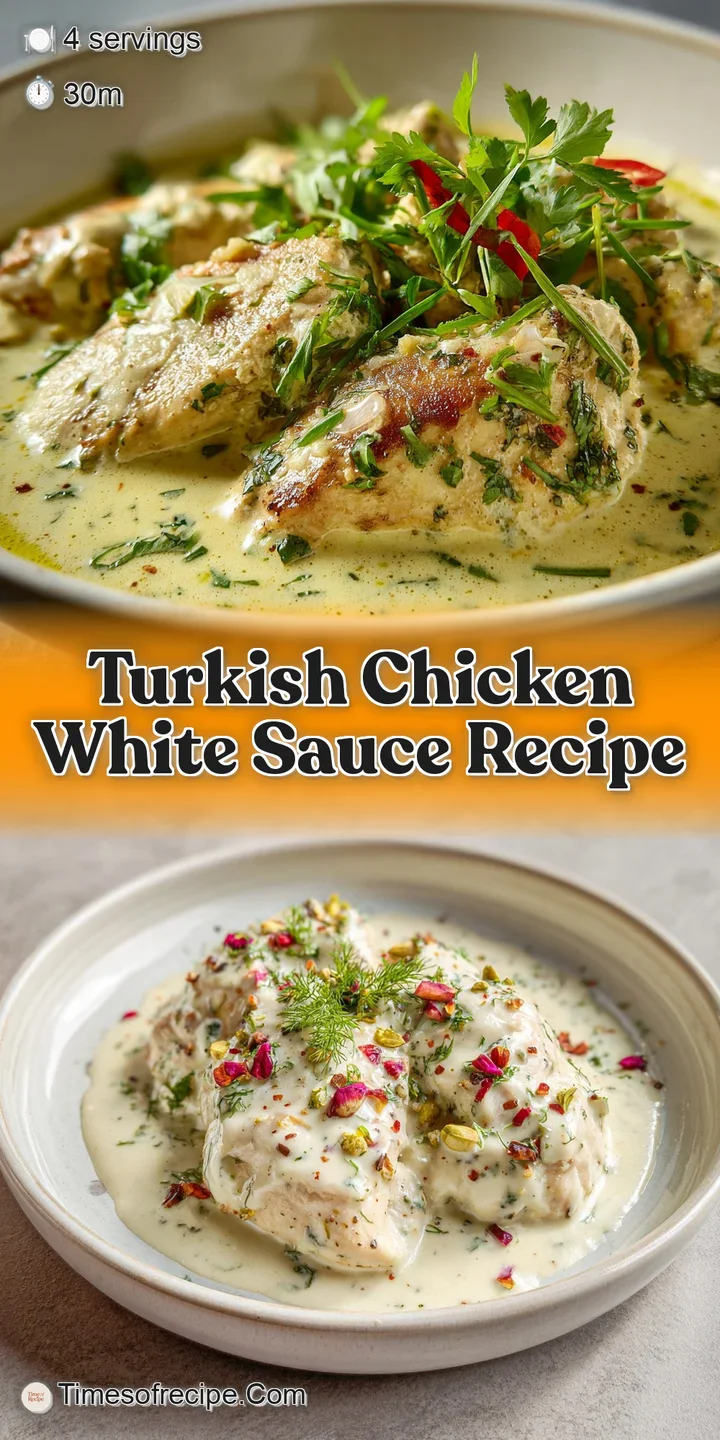
Turkish Chicken White Sauce
Ingredients:
Instructions:
Nutrition Facts:
| Calories | 618 kcal |
|---|---|
| Protein | 53.4 g |
| Fat | 42.1 g |
| Carbs | 6.2 g |
| Fiber | 0.4 g |
| Sugar | 1.8 g |
| Sodium | 560 mg |
