Veggie Dinner Dish with Roasted Vegetables
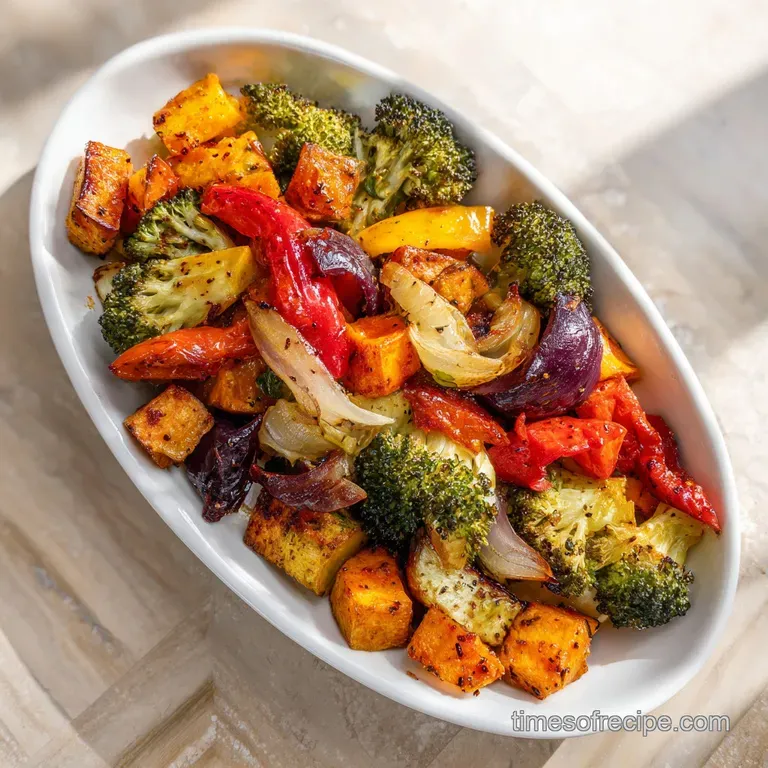
- Time: Active 15 minutes, Passive 25 minutes, Total 40 minutes
- Flavor/Texture Hook: Crispy edged sweet potatoes and shatter crisp kale
- Perfect for: Weeknight meal prep or a hearty vegetarian main
- Creative Veggie Dinner Dish with Roasted Vegetables
- Secrets Behind Mediterranean Roasting Methods
- Precision Metrics For Your Bake
- Essential Ingredients For Hearty Flavor
- Best Tools For Crispy Results
- Step By Step Roasting Method
- Fixing Common Roasting Mistakes
- Creative Ways To Change Flavors
- Storing And Using Your Leftovers
- Perfect Side Dishes To Serve
- Recipe FAQs
- 📝 Recipe Card
Creative Veggie Dinner Dish with Roasted Vegetables
Roasting vegetables is an ancient practice that stretches across the sun drenched landscapes of the Levant and the Mediterranean. Long before modern ovens, families gathered around communal hearths, sliding pans of spiced tubers and legumes into the dying embers.
The smell of charring red onions and the earthy perfume of cumin wafting through a kitchen is a sensory bridge to those old traditions. It is a method that honors the harvest by using intense heat to coax out hidden sugars, turning a simple garden haul into something deeply satisfying and hearty.
When you pull that tray out of the oven, the first thing you notice isn't just the color; it's the sound. There is a faint, musical sizzle as the moisture evaporates from the sweet potatoes, leaving behind a golden, caramelized crust. This Veggie Dinner Dish with Roasted Vegetables is not just a side thought.
It is a calculated balance of textures where the creamy interior of a 500 gram batch of sweet potatoes meets the brittle, salty snap of roasted kale. It reminds me of the bold, rustic meals my grandmother would pull together, where nothing was wasted and every ingredient had a purpose.
We are looking for that specific moment when the cauliflower florets transition from pale to scorched at the tips, giving off a nutty, toasted aroma. This isn't about steaming vegetables until they lose their soul; it's about the transformation that only happens at 220°C.
You'll find that the combination of smoked paprika and garlic powder creates a savory depth that makes you forget there isn't a piece of meat on the plate. It is pure comfort in a bowl, designed to be shared and lingered over.
Secrets Behind Mediterranean Roasting Methods
Roasting is essentially a dance between heat and hydration. To get that shatter crisp exterior on your 400g of chickpeas and 600g of cauliflower, we have to manage how the water leaves the vegetable.
- Surface Dryness: Moisture is the enemy of the crunch. By patting the chickpeas bone dry before they hit the oil, you ensure the heat fries the skin rather than steaming the interior.
- Thermal Mass: Preheating the baking sheet acts like a sear for the vegetables. The moment the 1 inch sweet potato cubes touch the hot metal, the cells on the bottom collapse and brown instantly, locking in the structure.
- Starch Conversion: High heat at 220°C breaks down the complex starches in the sweet potatoes into simpler sugars. This creates that sticky, velvety texture that contrasts so well with the sharp red onion wedges.
- Oil Conductivity: Using 3 tbsp of extra virgin olive oil isn't just for flavor. The fat acts as a heat conductor, surrounding each floret and cube to ensure the temperature is distributed evenly across every uneven surface.
| Thickness | Internal Finish | Total Bake Time | Visual Cue |
|---|---|---|---|
| 1/2 inch | Soft / Creamy | 18 minutes | Dark brown edges |
| 1 inch | Fluffy / Tender | 25 minutes | Golden with charred tips |
| 1.5 inches | Dense / Firm | 32 minutes | Light browning only |
The timing for this dish is precise because we are dealing with different densities. The sweet potatoes need the full 25 minutes to become tender, while the kale only needs the final 5 minutes to reach its peak crispness.
If you added the kale at the start, it would simply vanish into ash. This staggered approach is what ensures every bite has a different structural integrity, from the soft onion to the crunchy chickpea.
Precision Metrics For Your Bake
Understanding the components of this Veggie Dinner Dish with Roasted Vegetables requires a quick look at why these specific amounts matter. We aren't just tossing things in a pan; we are creating a balanced ecosystem of flavors.
| Component | Role in Dish | Pro Secret |
|---|---|---|
| Sweet Potatoes | Structural Base | Keep cubes uniform at 1 inch for even cooking. |
| Chickpeas | Protein & Crunch | Remove loose skins after rinsing for a crispier result. |
| Tahini | Fat & Emulsion | Whisk with warm water to prevent the sauce from seizing. |
| Lacinato Kale | Texture Contrast | Massage with a tiny bit of oil if you want it less brittle. |
The chickpeas provide a hearty bite that grounds the dish. When they roast at 220°C, the exterior becomes almost shell like while the inside remains slightly nutty. This is a classic trick used in many Daniel Fast roasted vegetables to keep the meal filling without adding heavy fats. The 1 tsp of smoked paprika provides a bridge between the sweetness of the potatoes and the bitterness of the kale, creating a rounded flavor profile that feels complete.
Essential Ingredients For Hearty Flavor
Choosing your produce is the most important step before you even turn on the oven. You want vegetables that can stand up to the heat without turning into mush.
- Cauliflower (600g): Look for a heavy, tight head. Why this? Dense florets hold their shape better during over high heat roasting.
- Sweet Potatoes (500g): Use the orange fleshed variety. Why this? They have higher sugar content for better caramelization.
- Red Onion (200g): Cut into thick wedges. Why this? Thick slices roast into sweet, jammy petals rather than burning.
- Lacinato Kale (150g): Also known as dinosaur kale. Why this? It's sturdier than curly kale and crisps up more predictably.
- Chickpeas (400g can): Standard canned chickpeas are fine. Why this? They are pre cooked, so roasting just focuses on the texture.
- Extra Virgin Olive Oil (3 tbsp): Use a high-quality oil. Why this? The fruity notes complement the earthy cumin and tahini.
- Hulled Tahini (3 tbsp): Look for a light, pourable brand. Why this? Hulled tahini is less bitter than unhulled versions.
| Original Ingredient | Substitute | Why It Works |
|---|---|---|
| Sweet Potatoes | Butternut Squash | Similar sweetness but slightly higher water content. |
| Lacinato Kale | Swiss Chard | Stems must be removed; leaves crisp up faster. |
| Tahini | Almond Butter | Provides the same creamy fat with a more toasted nut flavor. |
If you are looking to round out the meal with something even more indulgent, this dish pairs beautifully with a Broccoli Casserole recipe on the side. The creaminess of a casserole balances the dry, roasted textures of the veggies perfectly.
Best Tools For Crispy Results
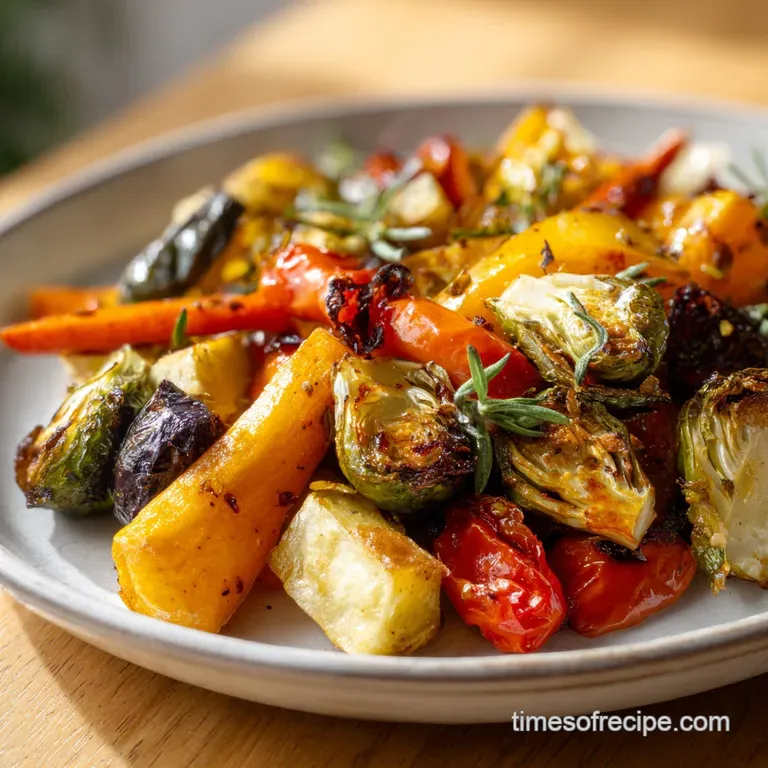
To execute this Veggie Dinner Dish with Roasted Vegetables correctly, your choice of equipment is just as vital as the ingredients. You need surfaces that promote airflow and heat retention.
- Extra Large Rimmed Baking Sheet: This is non negotiable. You need enough surface area so the 600g of cauliflower and 500g of potatoes aren't touching. If they are crowded, they will steam in their own juices.
- Large Mixing Bowl: You need space to toss the vegetables thoroughly with the 3 tbsp of olive oil and spices. A cramped bowl leads to uneven seasoning.
- Whisk: Essential for the dressing. Tahini is notorious for separating, and a vigorous whisking with warm water is the only way to get that velvety texture.
- Sharp Chef's Knife: Cutting the sweet potatoes into exact 1 inch cubes ensures they all finish cooking at the same 25 minute mark.
Chef's Tip: If your baking sheets are old and warped, they won't heat evenly. Use a heavy duty professional grade pan to prevent "hot spots" that burn the onions before the potatoes are soft.
step-by-step Roasting Method
- Preheat your oven to 425°F (220°C). Place an empty extra large rimmed baking sheet inside while the oven warms up. Note: This creates an immediate sear when veggies hit the pan.
- Prepare the vegetables by cutting 600g of cauliflower into uniform florets, peeling and cubing 500g of sweet potatoes into 1 inch pieces, and slicing 200g of red onion into thick wedges.
- Drain and rinse one 400g can of chickpeas. Use a clean kitchen towel to pat them completely dry. Smell the fresh, earthy aroma of the legumes.
- In a large mixing bowl, toss the cauliflower, sweet potatoes, onion, and chickpeas with 3 tbsp olive oil, 1 tsp smoked paprika, 1 tsp garlic powder, and 1/2 tsp cumin.
- Season the mix with 1 tsp kosher salt and 1/2 tsp cracked black pepper just before you are ready to roast.
- Carefully pull out the hot baking sheet and spread the vegetables in a single layer. Listen for the immediate sizzle as they touch the metal.
- Roast for 20 minutes. You should start to smell the sweet, toasted scent of caramelizing onions filling the room.
- Remove the pan and toss in 150g of torn kale pieces. Mix them slightly with the hot vegetables to coat them in the residual oil.
- Roast for an additional 5 minutes. The kale should be dark green and shatter crisp to the touch.
- Whisk 3 tbsp tahini, 1 tbsp lemon juice, 1 tsp maple syrup, and 2 tbsp warm water until velvety. Drizzle over the hot pan and serve.
Fixing Common Roasting Mistakes
Why Your Vegetables Turned Out Soggy
Sogginess usually happens because of "pan crowding." When you put too many vegetables on one sheet, the moisture they release has nowhere to go. It stays trapped between the florets and cubes, effectively boiling them.
To fix this, always use the largest sheet you have, or split the 600g of cauliflower and 500g of sweet potatoes between two pans. Another culprit is adding the salt too early in the prep process; salt draws out water, so only season right before the tray goes into the oven.
What if My Garlic Powder is Burning
Garlic powder has a very low burn point compared to the vegetables. If you find your spices are turning bitter and black, it might be that your oven's fan is too aggressive or the spices weren't properly incorporated into the oil. The oil should act as a protective barrier.
Make sure every piece of vegetable is glistening with that 3 tbsp of olive oil before it hits the tray.
| Problem | Root Cause | Solution |
|---|---|---|
| Burnt Kale | Added too early | Only add for the final 5 minutes of roasting. |
| Hard Potatoes | Cubes too large | Ensure 1 inch cubes for the 25 minute cook time. |
| Bitter Dressing | Tahini separated | Use warm water and whisk vigorously to emulsify. |
- ✓ Pat chickpeas completely dry with a towel to ensure they pop and crunch.
- ✓ Ensure the oven is fully preheated to 220°C before the pan goes in.
- ✓ Cut the red onion into thick wedges so they caramelize without dissolving.
- ✓ Don't skip the preheated baking sheet; it's the secret to the bottom crust.
- ✓ Use Lacinato kale rather than curly for a more consistent crisp.
Creative Ways To Change Flavors
You can easily adapt this Veggie Dinner Dish with Roasted Vegetables to suit different moods or pantry staples. If you want a Mediterranean flair, swap the smoked paprika for dried oregano and add a handful of Kalamata olives in the last 10 minutes of roasting.
The saltiness of the olives against the sweet potatoes is incredible.
For a more filling version, you can serve the entire roasted medley over a bed of quinoa or farro. The grains will soak up any extra tahini dressing, making it a complete power bowl. If you prefer a bit of heat, add a pinch of cayenne pepper to the initial spice mix.
The warmth of the cayenne plays beautifully with the 1 tsp of maple syrup in the dressing, creating a sweet and spicy finish that lingers.
When scaling this recipe for a larger family, remember the golden rule: don't just double the salt. If you double the vegetables to 1.2kg of cauliflower and 1kg of sweet potatoes, use 1.5x the salt and spices first, then taste.
You’ll also need to roast in batches or use two separate ovens to maintain that essential airflow.
Storing And Using Your Leftovers
Roasted vegetables are best eaten fresh, but they store surprisingly well if you follow a few rules. Place any leftovers in an airtight glass container and keep them in the fridge for up to 4 days.
The kale will lose its "shatter" crunch after a few hours, but you can bring it back to life by tossing the leftovers in a hot skillet for 2-3 minutes.
Avoid the microwave if possible, as it will make the sweet potatoes gummy. Instead, use a toaster oven or the main oven at 180°C for about 10 minutes to restore the textures. You can also freeze the roasted potatoes and cauliflower for up to 2 months.
To use them from frozen, don't thaw them; just toss them directly onto a hot baking sheet to prevent them from becoming watery.
To reduce waste, don't throw away the cauliflower leaves or the kale stems. The small, tender inner leaves of the cauliflower can be roasted right along with the florets they get incredibly crispy and sweet.
The kale stems can be finely chopped and sautéed with garlic for a quick omelet topping the next morning.
Perfect Side Dishes To Serve
While this dish is a powerhouse on its own, it plays well with others. If you are serving this as part of a larger spread, think about contrasting textures and temperatures. A cold, crisp cucumber salad with plenty of dill provides a refreshing break from the warm, roasted depth of the sweet potatoes and chickpeas.
- Creamy Polenta: Serve the roasted veggies right on top of a soft, buttery polenta for a rustic Italian vibe.
- Greek Yogurt: A dollop of cold, unsweetened Greek yogurt can stand in for the tahini dressing if you want more tang.
- Warm Pita: Use high-quality pita bread to scoop up the roasted bits, making it a handheld feast.
- Grilled Halloumi: The salty, squeaky cheese is a magnificent partner to the smoky paprika and sweet onions.
Whatever you choose, the key is to keep the focus on the vegetables. This recipe is a celebration of what happens when heat meets high-quality produce. It’s bold, it’s satisfying, and it’s a reminder that a meatless meal can be just as comforting as a Sunday roast.
Trust your oven, watch for those charred edges, and don't be afraid to let things get a little dark that's where all the flavor lives.
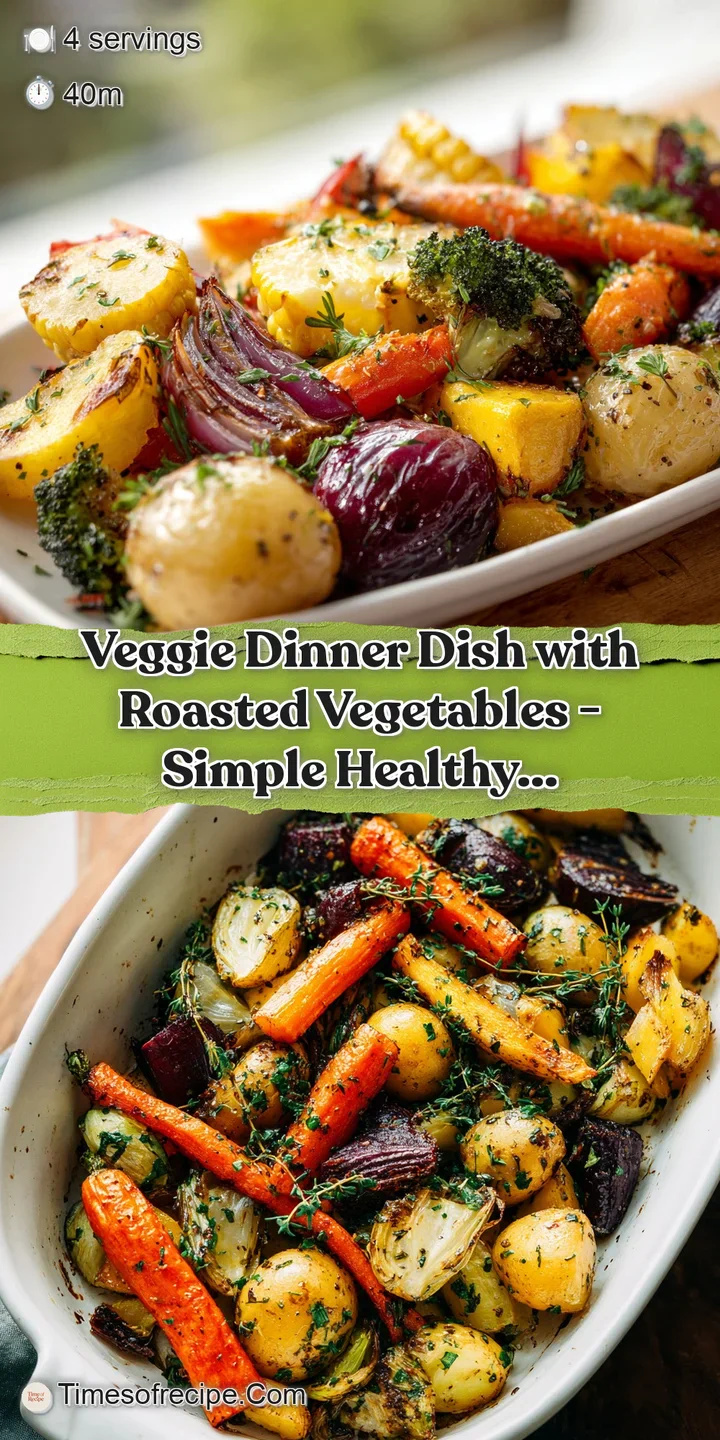
Recipe FAQs
How to ensure the vegetables get a crispy, caramelized texture?
Preheat your empty baking sheet inside the 425°F oven before adding the vegetables. This creates an immediate sear upon contact and ensures even browning without steaming the produce.
Is it necessary to remove the stems from the kale?
Yes, always remove the stems. Thick kale stems have a woody texture that remains tough even after roasting, whereas the leaves crisp up perfectly in the final five minutes.
Can I microwave the leftovers to reheat them?
No, avoid the microwave if possible. Microwaving causes the sweet potatoes to become gummy and destroys the texture of the crispy kale; use a hot skillet or oven instead to maintain the quality found in our hearty beef casserole reheating methods.
How to stop the chickpeas from popping in the oven?
Pat the rinsed chickpeas thoroughly dry with a clean kitchen towel. Excess surface moisture is the primary reason chickpeas pop; removing it ensures they roast to a crisp finish.
Is it true I should add the kale at the same time as the cauliflower?
No, this is a common misconception. Kale is much thinner than cauliflower and sweet potatoes, so it must be added during the final five minutes to prevent it from burning to a char.
How to fix the tahini dressing if it becomes too thick?
Whisk in additional warm water one teaspoon at a time. Tahini can seize when first mixed with lemon juice, but gradually adding warm water will bring it back to a smooth, pourable consistency.
How long can I keep the leftovers in the refrigerator?
Store them in an airtight glass container for up to four days. While the kale will lose its initial crispness, the flavors of the roasted vegetables and spices will continue to develop while refrigerated.
Veggie Dinner With Roasted Vegetables
Ingredients:
Instructions:
Nutrition Facts:
| Calories | 452 kcal |
|---|---|
| Protein | 14.2 g |
| Fat | 18.7 g |
| Carbs | 60.1 g |
| Fiber | 14.5 g |
| Sugar | 11.2 g |
| Sodium | 695 mg |
