Homemade Ketchup: Tangy and Velvety
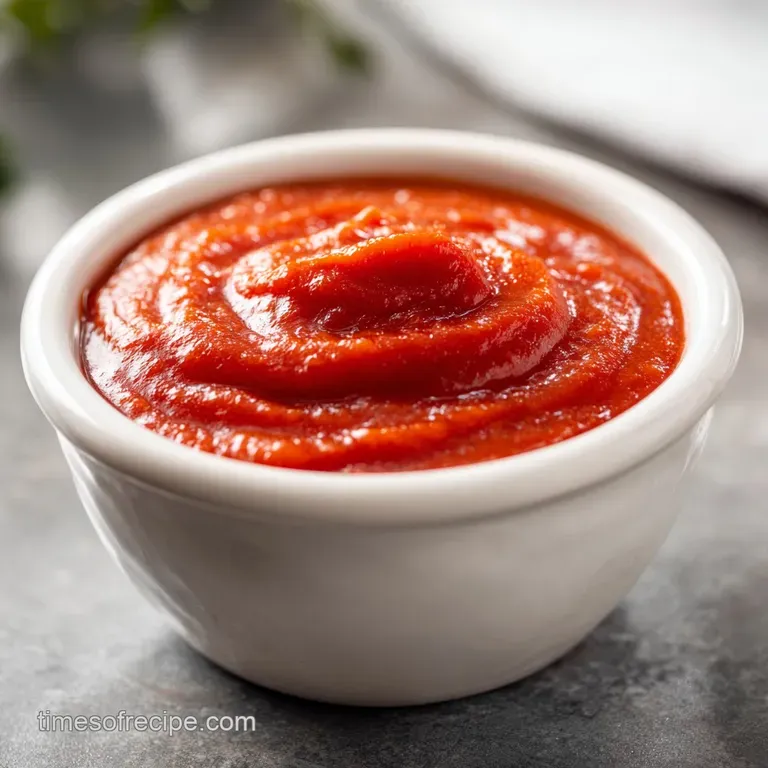
- Time: Active 15 minutes, Passive 1 hours 15 mins, Total 1 hours 30 mins
- Flavor/Texture Hook: Bold, tangy, and velvety smooth
- Perfect for: Family BBQs and weekend meal prep
Layers of Bold Flavor
Building a condiment from scratch is all about patience and evaporation. We aren't just heating up juice; we are driving off water to leave behind the pure essence of the tomato. By using both fresh fruit and concentrated paste, we get a head start on that satisfying, thick body that characterizes the best Homemade Ketchup.
It's a process of concentration that turns something simple into something truly bold.
The Chemistry of Simmer
Pectin Concentration: Simmering breaks down tomato cell walls, releasing natural pectin that binds with sugar to create a thick, stable gel. This prevents that annoying watery separation you often see in cheap, store-bought versions.
- Maillard Magic: Using dark brown sugar instead of white sugar introduces molasses, which undergoes a Maillard reaction during the long simmer to provide a deeper, toasted color.
- Acid Stabilization: The combination of apple cider and distilled vinegars acts as both a flavor brightener and a natural preservative, lowering the pH to keep the sauce fresh.
- Spice Infusion: Cloves and allspice contain oils that are fat soluble; simmering them with the tomato pulp ensures these flavors permeate the entire batch rather than staying in pockets.
| Method | Total Time | Final Texture | Best For |
|---|---|---|---|
| Stovetop | 1 hours 30 mins | Velvety and thick | Maximum flavor control |
| Slow Cooker | 6 hours | Dark and jammy | Hands off preparation |
| Instant Pot | 45 minutes | Slightly thinner | Busy weeknights |
This stovetop method remains my favorite because you can watch the reduction happen in real time. If you find yourself craving something salty to dip into this sauce, it pairs perfectly with my Steak Fries Recipe. The roasted exterior of the potato provides the perfect vessel for the tangy sauce we are building.
Essential Pantry Components
| Ingredient | Science Role | Pro Secret |
|---|---|---|
| Roma Tomatoes | Bulk and Pectin | Use Romas because they have less water and more "meat" |
| Dark Brown Sugar | Sweetener and Color | Don't swap for light sugar; you need the molasses for that deep red hue |
| Apple Cider Vinegar | Acidic Brightness | Adds a fruity complexity that plain white vinegar lacks |
| Tomato Paste | Concentration | Acts as an emulsifier to pull the fresh tomato juices together |
To get the most out of your Homemade Ketchup, you need to be specific with your ingredients. I always reach for sea salt rather than table salt because it has a cleaner finish.
- 4 lbs Ripe Roma Tomatoes, quartered Why this? Romas provide the highest pulp to liquid ratio for thickness. (Substitute: 2 cans of whole peeled San Marzano tomatoes)
- 6 oz Tomato Paste Why this? Provides instant body and a cooked down flavor base. (Substitute: Double the fresh tomatoes and simmer 1 hour longer)
- 1/2 cup Water Why this? Prevents the tomatoes from scorching before they release their own juices. (Substitute: Vegetable stock for extra savory notes)
- 2/3 cup Apple Cider Vinegar Why this? Adds a tangy, fermented depth. (Substitute: Red wine vinegar)
- 1/3 cup Distilled White Vinegar Why this? Provides the classic, sharp "ketchup" bite. (Substitute: Rice vinegar for a milder taste)
- 1/2 cup Dark Brown Sugar, packed Why this? The molasses content creates a rich, caramelized finish. (Substitute: Coconut sugar, though it will be less sweet)
- 1 tsp Sea Salt Why this? Enhances the natural umami of the tomatoes. (Substitute: Kosher salt)
- 1/2 tsp Onion Powder Why this? Distributes savory flavor without adding chunky textures. (Substitute: Very finely grated shallot)
- 1/4 tsp Garlic Powder Why this? Provides a background hum of aromatics. (Substitute: 1 clove of crushed fresh garlic)
- 1/8 tsp Ground Cloves Why this? The "secret" spice that makes it taste like real ketchup. (Substitute: A tiny pinch of nutmeg)
- 1/8 tsp Ground Allspice Why this? Adds warmth and bridges the gap between sweet and savory. (Substitute: Ground cinnamon)
- 1/8 tsp Celery Seed Why this? Provides an earthy, herbal undertone. (Substitute: Celery salt, but reduce the sea salt)
Essential Recipe Specifications
This recipe is designed to yield a significant amount because, believe me, it disappears fast. You are looking at 48 servings, roughly one tablespoon each. While the active prep is just 15 minutes of chopping, the real work happens in the pot.
You'll spend about 1 hour 15 mins watching it transform from a chunky soup into a smooth, dark crimson glaze.
If you are cooking for a smaller crowd, this recipe scales down easily. However, since it keeps so well, I usually make the full batch and give jars away to friends. It’s a satisfying feeling to hand someone a jar of something you actually spent time perfecting.
Required Kitchen Equipment
You don't need a high tech lab to make this, but a few specific tools make the texture much better. A heavy bottomed pot, like a Dutch oven, is non negotiable. Thin pots create hot spots that will scorch the sugar in the ketchup before the tomatoes are fully reduced.
Chef's Tip: Freeze your tomato paste for 10 minutes before opening the can; it helps the whole block slide out cleanly without leaving half of it stuck to the sides.
You will also need an immersion blender or a high speed blender. To get that iconic, silky mouthfeel, you have to break down the tomato skins and seeds. If you are really picky about texture, a fine mesh sieve is your best friend for a final strain.
step-by-step Instructions
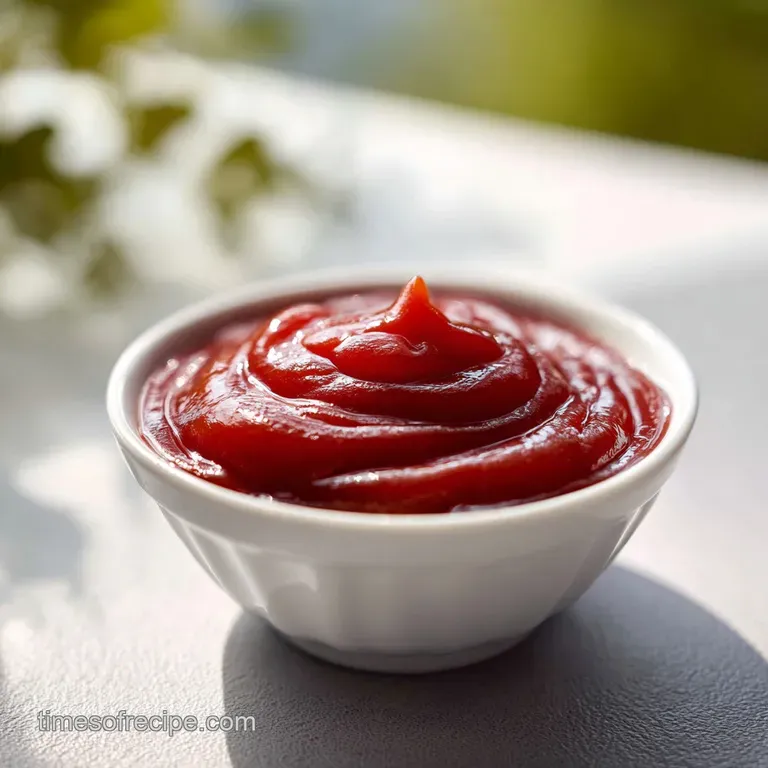
- Prep tomatoes. Quarter the 4 lbs of Roma tomatoes, keeping the skins on for extra pectin.
- Combine base. Place tomatoes in a large Dutch oven with 1/2 cup water and 6 oz tomato paste. Note: The water prevents sticking until the tomatoes release their liquid.
- Soft simmer. Cook over medium heat for 20 minutes until tomatoes are soft and falling apart.
- Initial blend. Use an immersion blender to process the mixture directly in the pot until no large chunks remain.
- Add aromatics. Stir in 2/3 cup ACV, 1/3 cup white vinegar, and 1/2 cup dark brown sugar.
- Season deeply. Whisk in the sea salt, onion powder, garlic powder, cloves, allspice, and celery seed.
- Reduce volume. Simmer uncovered over low heat for 45-60 minutes until the sauce has reduced by half.
- Final texture. Blend again for 2 full minutes until the sauce looks velvety and glossy.
- Strain carefully. Pour the mixture through a fine mesh sieve into a bowl, pressing with a spatula. Note: This removes any remaining seeds or skin fragments.
- Cool down. Let the sauce sit at room temperature for 1 hour until it thickens significantly.
Solving Common Kitchen Errors
The most frustrating thing that can happen is a "watery ring" around your ketchup on the plate. This usually happens if you didn't simmer it long enough or if the tomatoes weren't ripe enough. If you see this, don't panic; just put it back on the stove for another 15 minutes.
Another issue is bitterness. Sometimes, if the spices are old or the tomato skins were particularly thick, the sauce can have a sharp edge. A tiny pinch of baking soda can help neutralize excess acid, but use it sparingly!
Thin Sauce Solutions
If your sauce looks more like soup than condiment, you likely have too much moisture remaining. This is common if you used larger, juicier tomatoes instead of Romas.
| Problem | Root Cause | Solution |
|---|---|---|
| Watery separation | Incomplete reduction | Simmer for another 20 minutes uncovered |
| Grainy texture | Under blending | Process in a high speed blender for 3 minutes |
| Too acidic | Vinegar imbalance | Add 1 tablespoon of extra brown sugar |
Common Mistakes Checklist
- ✓ Never boil the mixture vigorously; a gentle simmer prevents the sugar from burning.
- ✓ Don't skip the straining step if you want that professional, smooth finish.
- ✓ Always use a non reactive pot (stainless steel or enameled) to avoid a metallic taste from the vinegar.
- ✓ Allow the ketchup to cool completely before judging the final thickness; it sets as it chills.
- ✓ Taste your tomatoes first; if they aren't sweet, you may need an extra tablespoon of sugar.
For a meal that really benefits from a perfect condiment, try serving this alongside a hearty bowl of soup. This sauce even complements the savory notes in my Broccoli Casserole recipe, especially if you like a bit of tang with your cheese.
Healthy Ingredient Adaptations
Making your own sauce means you control the sugar. Many people are looking for a "No Sugar Ketchup," and while sugar helps with preservation and texture, you can make adjustments. You can swap the brown sugar for honey or maple syrup, but keep in mind this will change the flavor profile significantly.
For those on a strict AIP or paleo diet, you can replace the nightshades entirely with beets and carrots, though that's a whole different recipe. For this specific version, sticking to the dark brown sugar provides the most "classic" experience that kids and adults alike will recognize.
Freezing and Reheating Guidelines
Homemade Ketchup stores beautifully. Because of the high acid and sugar content, it will stay fresh in an airtight jar in the fridge for about 3 weeks. If you’ve made a massive batch, you can actually freeze it!
- Fridge: Store in glass jars for up to 21 days.
- Freezer: Place in freezer safe containers (leave headspace for expansion) for up to 6 months.
- Thawing: Let it sit in the fridge overnight. You might need to give it a quick whisk to re emulsify.
- Zero Waste: Don't throw away the tomato skins and seeds from the sieve! Dehydrate them in a low oven to make a savory tomato powder for popcorn or stews.
Satisfying Serving Options
This isn't just for fries. I love using this as a base for a hearty meatloaf glaze or swirling it into a spicy BBQ sauce. It has a bold enough personality to stand up to grilled steaks or even as a tangy topping for a breakfast hash.
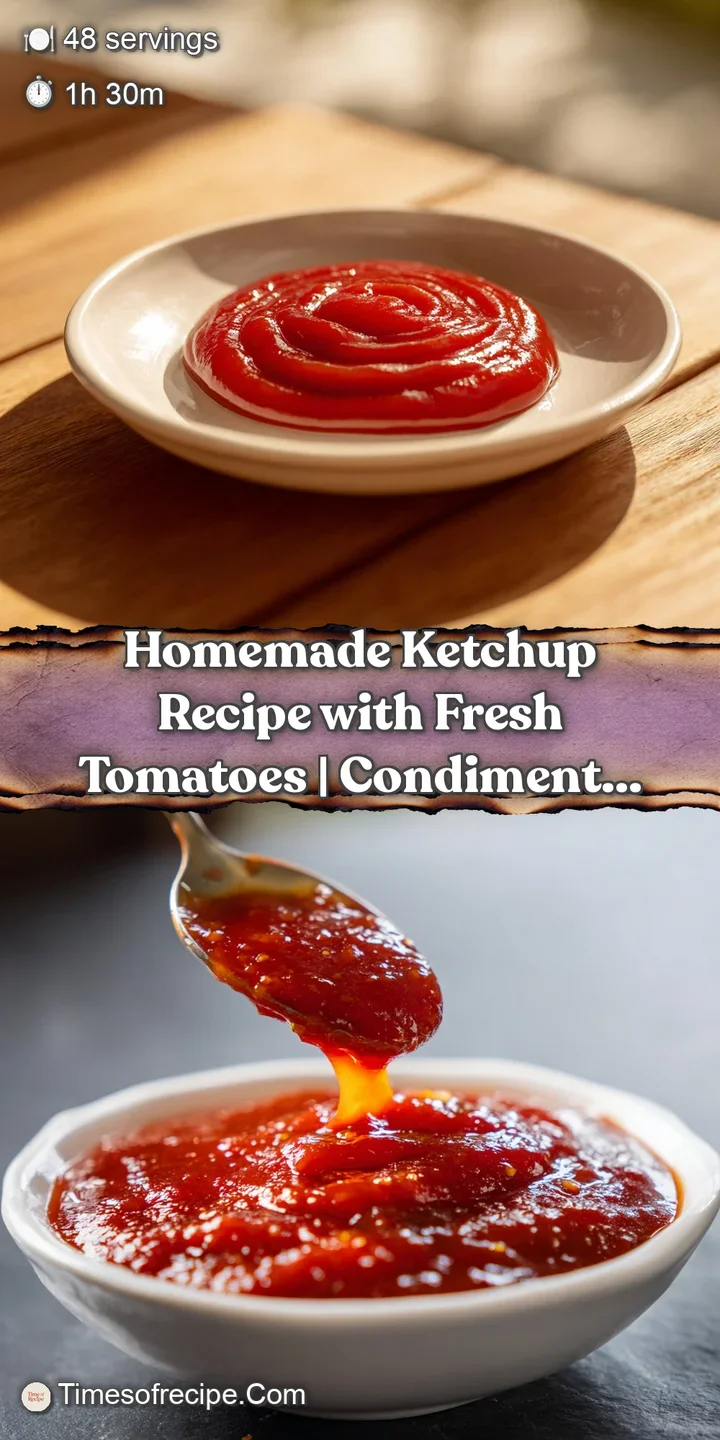
The depth of the cloves and allspice makes it feel much more like a "grown up" condiment. If you want to impress someone, serve this in a small ceramic crock instead of the bottle.
There’s something about seeing the dark, rich texture of a handmade sauce that makes the whole meal feel more intentional and comforting.
The Myth of Freshness
Many people think you shouldn't use tomato paste because it is "processed." In reality, tomato paste is just highly reduced tomatoes. Using it in this recipe isn't a shortcut; it provides a structural foundation that fresh tomatoes alone can't achieve without hours of extra cooking.
It adds that deep, savory umami that makes the sauce feel complete.
Another common misconception is that you need specialized canning equipment. While you can certainly process these jars for long term shelf storage, this recipe is designed as a "fridge jam" style condiment. As long as you keep it chilled, the vinegar and sugar do a fantastic job of keeping it fresh and bold for weeks.
Recipe FAQs
Is it worth making homemade ketchup?
Yes, absolutely. The depth of flavor achieved by reducing fresh tomatoes with real spices far surpasses commercial brands, offering a bolder, fresher taste.
What are the five main ingredients of ketchup?
Tomatoes, sweetener, vinegar, salt, and spices. In this recipe, that translates to Roma tomatoes, dark brown sugar, apple cider and white vinegars, sea salt, and a blend of allspice/clove.
How to make ketchup with 3 ingredients?
Combine crushed tomatoes, sugar, and vinegar. You must use a high ratio of sugar and vinegar relative to the tomatoes to achieve a decent preservation level and recognizable tang.
What's the secret to great ketchup?
Patience during the reduction phase and using dark brown sugar. Reducing the volume concentrates the natural pectin for thickness, while the molasses in the dark sugar provides a necessary depth of color and flavor.
Is it true you must strain homemade ketchup for texture?
No, you don't technically must, but it is highly recommended. Straining removes seeds and bits of skin, which is necessary to achieve that iconic, velvety mouthfeel found in restaurant quality condiments.
Does homemade ketchup last as long as store-bought?
No, it lasts significantly less time in the refrigerator. Because it lacks commercial stabilizers and preservatives, aim to consume refrigerated batches within three weeks, though you can freeze it for longer storage.
How do I ensure my homemade ketchup thickens properly without scorching the bottom?
Use a heavy bottomed pot and maintain a low, steady simmer. A thick pot distributes heat evenly, preventing hot spots that burn the sugar before the water evaporates. If you want to practice heat control on different foods, mastering this steady evaporation mirrors techniques used when creating perfect textures in Homemade Granola Clusters recipe.
Velvety Homemade Ketchup
Ingredients:
Instructions:
Nutrition Facts:
| Calories | 19 kcal |
|---|---|
| Protein | 0.5 g |
| Fat | 0.1 g |
| Carbs | 4.2 g |
| Fiber | 0.4 g |
| Sugar | 3.8 g |
| Sodium | 52 mg |
