Yorkshire Pudding Recipe: Towering Puffs
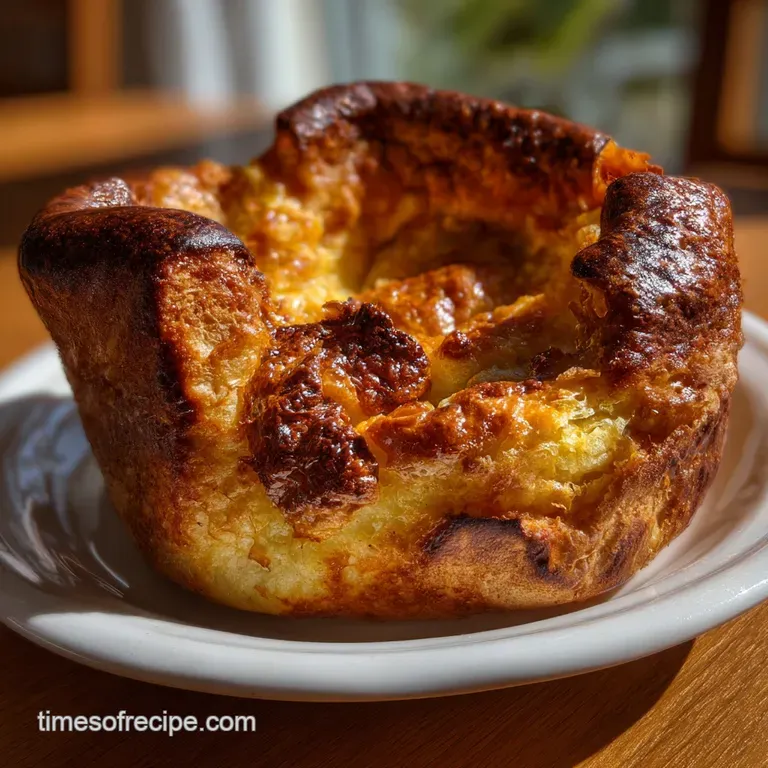
- Time: Active 10 minutes, Passive 20 minutes, Total 30 minutes
- Flavor/Texture Hook: Shatter-crisp exterior with a velvety, hollow center.
- Perfect for: Sunday roasts, holiday feasts, or satisfying weeknight comfort meals.
- Hearty Results You Will Love
- The Science of Why it Works
- Vital Stats and Timing
- Chemical Function of Each Ingredient
- Necessary Kitchen Equipment
- Actionable Instructions for Success
- Pro Tactics and Common Pitfalls
- Creative Flavor Customization
- Storage and Waste Solutions
- Serving and Pairing Guide
- Essential Troubleshooting and Clarification
- Frequently Asked Questions
- Recipe FAQs
- 📝 Recipe Card
Few things satisfy like the hiss of cold batter hitting a pool of shimmering, hot fat. I remember my first attempt - flat, heavy discs that looked more like sad pancakes than the lofty crowns my grandmother used to serve.
It's a common struggle for home cooks, but the solution lies in the chemistry of steam and the patience of the rest, which is central to any good yorkshire pudding recipe.
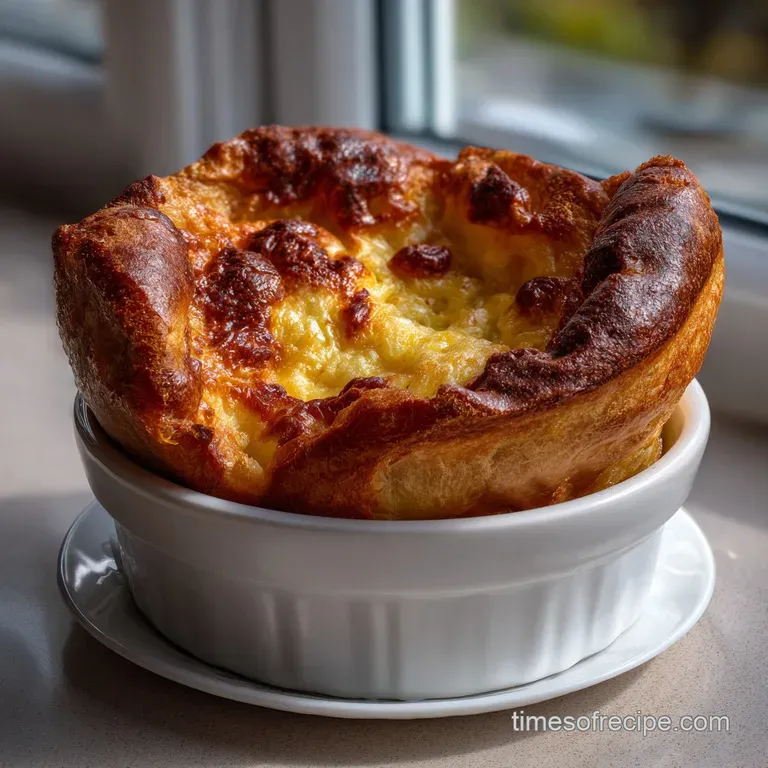
We’re aiming for that specific contrast: a rugged, mahogany colored rim that crunches between your teeth, giving way to a soft, airy middle that's ready to soak up every drop of rich gravy.
This isn't just a side dish; it's the anchor of a hearty table where everyone is reaching for seconds, making this yorkshire pudding recipe an essential addition to your repertoire.
By mastering the ratio of 200ml eggs to 120g flour, you're building a structural masterpiece. The science of this pudding yorkshire pudding recipe relies on precision and heat. Forget the "pudding" in the name - this is a savory, aerated bake that demands a hot oven and a steady hand.
Let's get into how we achieve that legendary rise with this yorkshire pudding recipe.
Hearty Results You Will Love
There is a primitive joy in watching a batter triple in size through the oven glass. This version of the yorkshire pudding recipe brings a sense of comfort that store-bought options simply can't replicate.
It turns a standard roast into a celebration, filling the kitchen with an aroma of toasted grain and savory fat that signals the meal is finally ready.
The beauty of this technique is its reliability. Once you understand the "why" behind the heat, you'll never settle for a soggy pudding again. It’s a satisfying skill to have in your locker, ensuring your Sunday table is always crowded with eager guests thanks to this reliable yorkshire pudding recipe.
The Science of Why it Works
The rise depends entirely on steam expansion, where the high moisture content in the eggs and milk evaporates rapidly at 220°C, pushing the gluten walls outward.
Simultaneously, protein coagulation from the eggs sets the structure permanently before the air can escape, preventing a mid-bake collapse. Unlike muffins which use chemical leaveners, this relies on physical leavening through heat and aeration the core mechanism of a perfect yorkshire pudding recipe.
Vital Stats and Timing
Before we start, let's look at the logistics. This is a over high heat, fast paced bake. You need to be ready to move quickly once that oil is hot to execute this yorkshire pudding recipe.
| Metric | Detail |
|---|---|
| Yield | 12 Servings |
| Active Prep | 10 minutes |
| Resting Time | 30 minutes (recommended) |
| Bake Time | 20 minutes |
| Oven Temp | 220°C / 425°F |
Checkpoint One: Temperature
Ensure your oven reaches a true 220°C before the tin goes in. A cold oven is the primary cause of "lead" puddings when attempting this yorkshire pudding recipe.
Checkpoint Two: The Rest
Letting the batter sit for 30 minutes allows starch granules to swell, resulting in a smoother, more stable structure essential for achieving height in the final product.
Checkpoint Three: The Seal
Never open the oven door during the first 15 minutes. Cold air will cause the steam to condense and the puddings to deflate instantly a common failure point in any yorkshire pudding recipe.
Chemical Function of Each Ingredient
Understanding the role of each element helps you troubleshoot and adapt with confidence when making this staple yorkshire pudding recipe.
| Ingredient | Chemical/Physical Role (Science) | The Pro Secret (Why This Matters) |
|---|---|---|
| Large Eggs (200ml) | Protein denaturation and emulsification | Provides the "elastic" structure that holds steam and adds rich color |
| All-purpose Flour (120g) | Starch gelatinization and gluten matrix | Why this? Lower protein than bread flour ensures a tender, not chewy, bite for your pudding. |
| low-fat 1% Milk (200ml) | Liquid for steam and lactose for browning | Why this? 1% milk provides a lighter lift than heavy cream which can weigh down batter. |
| Rapeseed Oil (4 tsp) | Heat transfer medium | Why this? High smoke point prevents burning at the 220°C temperature required for rise. |
Necessary Kitchen Equipment
To get that restaurant quality height, you need the right tools to handle the heat required for the yorkshire pudding recipe.
- 12 cup Non-stick Muffin Tin: A sturdy, dark coated tin absorbs heat efficiently.
- Stainless Steel Whisk: Essential for breaking down flour lumps and incorporating air.
- Large Glass Measuring Jug: This makes the "sizzling pour" into hot oil much safer and more accurate.
- Digital Scale: Precision in weighing flour is the difference between a light pudding and a dense one when executing the ultimate yorkshire pudding recipe.
Actionable Instructions for Success
Follow these steps precisely. The timing is just as important as the ingredients when following this yorkshire pudding recipe.
- Whisk 120g all-purpose flour and 0.5 tsp fine sea salt in a large bowl. Note: Aerating the dry ingredients prevents dense clumps.
- Create a well in the center of the flour. Note: This ensures the liquid incorporates from the center out for a smooth emulsion.
- Add 200ml large eggs (about 4 eggs) into the well. Note: Protein in eggs provides the initial structural bond.
- Pour in 200ml low-fat 1% milk gradually while whisking. Note: Slow addition prevents the flour from seizing into lumps.
- Whisk vigorously for 2 minutes until the batter is completely smooth and bubbles form on the surface.
- Transfer the batter to a jug and rest at room temperature for 30 minutes. Note: Starch gelatinization occurs here, strengthening the batter.
- Preheat oven to 220°C and place 1/3 tsp rapeseed oil into each of the 12 muffin tin holes.
- Heat the tin in the oven for 10 minutes until the oil is shimmering and slightly smoking. This step is non-negotiable for a successful yorkshire pudding recipe.
- Pour the rested batter into the hot oil quickly until each cup is half full and the oil sizzles loudly.
- Bake for 20 minutes until the puddings have tripled in height and are mahogany colored and firm to the touch. This is the glorious finish of a fantastic yorkshire pudding recipe.
Pro Tactics and Common Pitfalls
The difference between a good pudding and a great one is in the technique. I've found that using cold milk and room temperature eggs creates the best "shock" reaction for the rise in this yorkshire pudding recipe.
Chef's Note: If you want an even deeper flavor, substitute half the rapeseed oil with beef drippings. The animal fat has a unique savory profile that pairs beautifully with a Hoppin John recipe if you're serving a fusion style feast.
Fresh vs. Shortcut Comparison
| Feature | Fresh Batter | store-bought Frozen |
|---|---|---|
| Texture | Crisp shell, custard center | Uniformly dry or spongy |
| Rise | 3 4 inches | 1 2 inches |
| Flavor | Rich, eggy, toasted | Often bland or "freezer" taste |
Quantity Physics (Scaling Rules)
- Scaling Up (2x): Do not double the salt; use 1.5x instead. Double the eggs, flour, and milk exactly. Scaling a yorkshire pudding recipe requires precise adjustments.
- Scaling Down (1/2): Use exactly 100ml eggs and 60g flour. Reduce baking time by 3 4 minutes.
- Batch Expansion Logic: If cooking for a crowd, work in batches. Overcrowding the oven lowers the ambient temperature, which kills the rise.
Creative Flavor Customization
Once you have the base down, you can start experimenting with textures and flavors. Many people overlook that this base works for sweet too, but we are focusing on savory iterations of the yorkshire pudding recipe here.
Savory Herb Variations
Fold in 1 tablespoon of finely chopped fresh rosemary or thyme after the batter has rested. The oils in the herbs will infuse the batter during the bake. For a Southern inspired dinner, these herbed puddings are a great companion to a Try This Hearty recipe that features smoky meats.
Spicy Mustard Infusions
Add 1 teaspoon of Colman's English Mustard powder to the flour. It provides a sharp, pungent kick that cuts through the richness of a beef roast, a classic pairing for any high-quality yorkshire pudding recipe.
Substitution Table
| Original Ingredient | Substitute | Why It Works |
|---|---|---|
| Rapeseed Oil | Beef Drippings | Higher flavor profile. Note: Smokes earlier, so monitor the preheat carefully. |
| 1% Milk | Whole Milk | Creates a richer, denser custard center. Note: Puddings will be slightly heavier. |
| All-purpose Flour | Bread Flour | Provides more gluten. Note: Results in a much chewier, tougher pudding. |
Storage and Waste Solutions
Storage: These are best eaten fresh. However, you can store cooled puddings in a sealed bag in the fridge for 2 days or freeze for up to 3 months. Zero Waste: Don't throw away leftover batter! It’s essentially pancake batter.
Use it the next morning for savory crepes, or save it for tomorrow’s yorkshire pudding recipe. Transform: Stale puddings can be cut up and used as "croutons" in a hearty onion soup. The hollow structure traps the broth beautifully.
Reheating Protocol
To restore the "shatter crisp" texture, place them in a 200°C oven for 3 5 minutes. Avoid the microwave, which will turn them into rubbery sponges (protein denaturation in reverse).
Serving and Pairing Guide
Yorkshire puddings are the ultimate vessel for liquids. While traditional with roast beef, they are surprisingly versatile the most famous British side dish, in fact!
- The Classic: Fill the cavity with onion gravy and a slice of medium rare ribeye.
- The Modern: Use them as "sliders" by filling them with pulled pork and apple slaw.
- The Sweet: In my house, we sometimes sprinkle the leftovers with cinnamon sugar and a dollop of jam think of it as a British popover, a sweet cousin to the yorkshire pudding recipe.
Decision Shortcut
- If you want maximum height: Use 200ml eggs and rest the batter for 2 hours. This optimizes structure for the ultimate yorkshire pudding recipe.
- If you want a crispier base: Use more oil (1/2 tsp per hole) and ensure it’s smoking hot.
- If you want a softer center: Use whole milk instead of 1% and reduce bake time by 2 minutes.
Essential Troubleshooting and Clarification
Fixing Flat Deflated Puddings
- Problem
- The puddings didn't rise and stayed flat.
- Science
- This is usually due to "Thermal Failure." If the oil isn't hot enough, the steam doesn't generate fast enough to lift the gluten.
- Pro Protocol
- Use a laser thermometer to ensure oil is at least 210°C before pouring. A hot start is the secret to this yorkshire pudding recipe.
Quick Fix Table
| Problem | Cause | Fix |
|---|---|---|
| Lopsided Rise | Uneven oven heat | Rotate the tin halfway (only after 15 mins) |
| Soggy Bottoms | Too much moisture | Reduce milk by 10ml or bake 2 mins longer |
| Tough Texture | Over whisking | Whisk only until no large lumps remain |
Avoiding Gummy Interior Textures
A gummy middle happens when the starch hasn't fully cooked through or the ratio of liquid to flour is too high. Ensure you are using the precise 120g of flour. If you measure by volume, you might be under measuring, leading to a weak structure that collapses into a paste.
This confirms why precise measurements are key for a structurally sound yorkshire pudding recipe.
Myth: You must use only egg whites for a better rise. Truth: False. The fat in the yolks is necessary for the Maillard reaction (browning) and provides the flavor and "stretch" needed for a stable structure in your yorkshire pudding recipe.
Myth: The batter must be cold when it hits the oil. Truth: Room temperature batter actually rises better because the oven doesn't have to work as hard to bring it to the boiling point of steam.
Frequently Asked Questions
Can I make the batter in a blender? Yes, a blender is excellent for ensuring a lump free emulsion. Pulse for 30 seconds, but be careful not to over process, as too much gluten development will make the puddings tough rather than flaky.
Why do my puddings stick to the tin? This is usually caused by using a tin that isn't truly non-stick or not using enough oil. The oil creates a hydrophobic barrier that allows the pudding to "climb" the walls of the tin as it expands a critical step for any towering yorkshire pudding recipe.
Is it possible to make these gluten-free? You can substitute the flour with a high-quality 1 to-1 gluten-free flour blend. However, because gluten provides the "elasticity," the puddings will be slightly shorter and have a grainier texture.
Add an extra egg to help with the structural binding when adapting this yorkshire pudding recipe.
What is the best oil to use? Any oil with a high smoke point works. Rapeseed (Canola), Vegetable, or Sunflower oil are ideal. Avoid extra virgin olive oil or butter, as they will burn and turn bitter at 220°C.
Can I use this recipe for one giant pudding? Absolutely. Use a cast iron skillet. Heat 2 tablespoons of oil until smoking, pour in the entire batch, and bake for 25 30 minutes. It creates a "Dutch Baby" style savory pudding that is perfect for slicing at a crowded table.

Recipe FAQs
What oil is required for the best rise?
Rapeseed or Sunflower oil due to high smoke points. These oils tolerate the high heat required to flash vaporize the batter’s liquid content, ensuring maximum expansion. Too low a smoke point causes scorching before the structure sets.
Must the batter rest before baking?
Yes, resting allows starch gelatinization. Allowing the batter to sit hydrates the flour granules fully, strengthening the gluten network. This stabilized matrix traps steam more effectively, leading to taller puddings.
What happens if the oven door is opened early?
Cold air causes immediate structural collapse. The sudden drop in ambient temperature condenses the steam holding the pudding aloft, preventing protein coagulation from setting the risen shape.
- Never open door before 15 minutes
- Cold air drops internal temp drastically
- Steam is essential for physical leavening
Can I use heavy cream instead of 1% milk?
1% Milk for a lighter, airier lift. Heavy cream introduces too much fat, which weighs down the batter structure, inhibiting the explosive steam lift required for tall puddings. Lighter dairy promotes a higher, hollower interior.
Does using bread flour produce better results?
All-purpose flour provides the ideal tender crumb. Bread flour has a higher protein content, leading to excessive gluten development that results in a chewy, tough texture rather than the desired crisp exterior and soft interior. If you enjoyed mastering the high hydration batter technique here, see how we adapt that principle for stretch in our Pandesal Recipe: Softest Classic Filipino Bread Rolls.
Myth: You must use clarified butter for the fat.
Myth: You must use clarified butter for the fat. Reality: Clarified butter burns easily due to its low smoke point. High smoke-point vegetable oils are superior for reaching the necessary searing temperature.
Myth: Adding sugar makes them sweeter.
Myth: Adding sugar makes them sweeter. Reality: A small amount of sugar aids browning (Maillard reaction) but too much competes with egg proteins for water, resulting in a dense, sunken pudding base. If you are looking for sweet baked goods, try our Cinnamon Rolls: The Ultimate Fluffy Homemade Recipe.
Yorkshire Pudding Recipe Towering Puffs
Ingredients:
Instructions:
Nutrition Facts:
| Calories | 81 kcal |
|---|---|
| Protein | 3.7 g |
| Fat | 3.4 g |
| Carbs | 8.5 g |
| Fiber | 0.3 g |
| Sugar | 0.9 g |
| Sodium | 119 mg |
