Baba Ganoush: Smoky Roasted Eggplant Dip
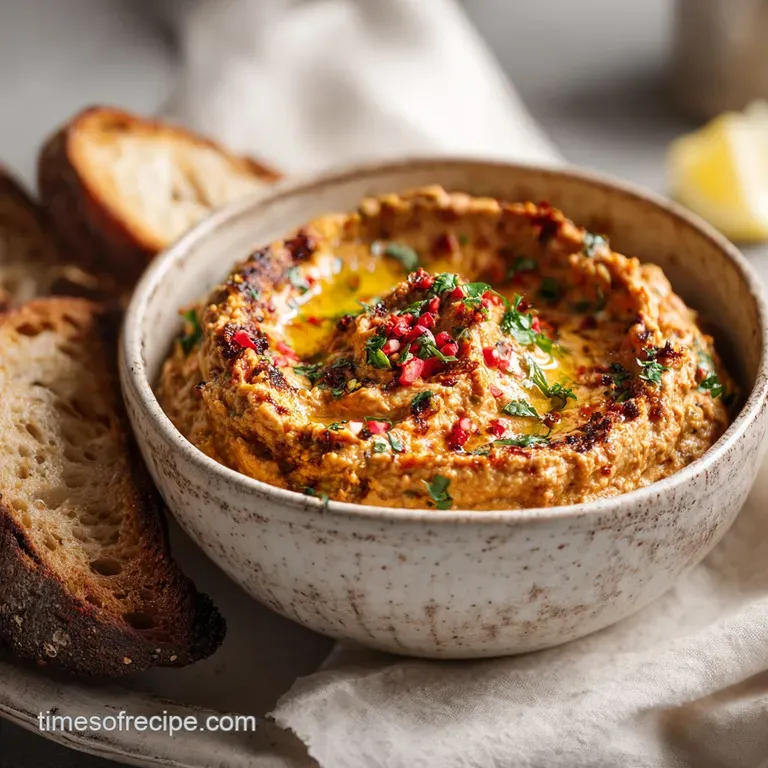
- Time: Active 10 minutes, Passive 20 minutes, Total 30 minutes
- Flavor/Texture Hook: Smoky, velvety, and intensely savory
- Perfect for: Healthy meal prep or a quick Mediterranean appetizer
- Make the Best Baba Ganoush Eggplant Dip
- Cultural Roots of Smoky Roasted Eggplant
- Why the Science of Ingredients Matters
- Essential Statistics for Better Meal Prep
- Minimal Tools for Maximum Efficiency Results
- Step-by-Step Guide to Charred Perfection
- Fixing Common Texture and Flavor Mistakes
- Smart Swaps for Healthy Dietary Needs
- Storing Your Healthy Meal Prep Batches
- Perfecting Your Mediterranean Mezze Platter Presentation
- Debunking Kitchen Myths
- Recipe FAQs
- 📝 Recipe Card
Make the Best Baba Ganoush Eggplant Dip
When you walk through the markets of Beirut or Damascus, the air often carries a heavy, nostalgic scent of charred vegetables. This isn't just burnt skin; it's the smell of tradition. Baba ganoush eggplant dip, often called the "spoiled daddy" in Arabic, is a staple of Levantine hospitality.
It’s a dish that demands patience during the roasting phase but rewards you with a flavor profile that feels ancient and deeply comforting. Growing up, I used to watch how the eggplants were placed directly onto gas burners until they looked like shriveled, black coals.
It felt wrong, but the result was always right.
I used to think this dip was just a "smoky hummus," but that’s a mistake many beginners make. While hummus relies on the starchy heartiness of chickpeas, this eggplant dip is all about the vegetable's silky, almost custard like interior.
The secret isn't just in the ingredients; it’s in the way you treat the moisture. Most people end up with a watery mess because they skip the draining step. We’re going to fix that today. I’ve made those soggy batches so you don’t have to.
This recipe is designed for the busy cook who wants that authentic, wood fired flavor without actually needing a backyard grill. We’re using the broiler to mimic that intense heat, giving us a charred exterior and a soft, smoky heart in just 20 minutes.
It's a healthy, fiber rich addition to your meal prep rotation that feels way more indulgent than it actually is. Let’s get into the specifics of why this technique actually delivers.
Cultural Roots of Smoky Roasted Eggplant
Char Induced Flavor: The high heat of the broiler triggers a specific reaction in the skin, creating carbonized notes that permeate the flesh without needing a smoker.
Osmotic Drainage: Salt draws out the excess "bitter water" from the eggplant cells, which prevents the final dip from becoming thin or watery.
Fat Emulsification: Whisking lemon juice into tahini creates a stable, creamy base that suspends the eggplant fibers for a velvety mouthfeel.
Allicin Mellowing: Roasting the garlic cloves in their skins softens their pungent bite into a sweet, nutty paste that blends seamlessly into the dip.
| Method | Time | Texture | Best For |
|---|---|---|---|
| Broiler | 20 minutes | Smooth & Smoky | Quick weeknight prep |
| Open Flame | 15 minutes | Intense Char | Authentic outdoor flavor |
| Oven Roast | 45 minutes | Sweet & Mild | Bulk meal prep without smoke |
Roasting in the oven at a lower temperature is fine if you're sensitive to smoke, but you'll lose that signature punch that defines an authentic lebanese baba ganoush. The broiler is the best middle ground for efficiency and quality.
Why the Science of Ingredients Matters
Understanding what each component does helps you adjust the dip to your personal taste. For example, if you find your dip is too bitter, it's often an issue with the tahini to acid ratio, not the eggplant itself.
| Ingredient | Science Role | Pro Secret |
|---|---|---|
| Globe Eggplant | Bulk & Texture | Use heavy ones; they have fewer seeds and more "meat." |
| Premium Tahini | Fat & Binding | Stir the jar thoroughly to incorporate settled oils before measuring. |
| Lemon Juice | Acidic Balance | It chemically "brightens" the smoke and cuts through the heavy fat. |
| Sea Salt | Moisture Extraction | Use fine grains to ensure even distribution during the 10 minute drain. |
The relationship between the lemon and the tahini is particularly interesting. If you’ve ever noticed tahini seize up when you add liquid, don't panic. That’s just the solids absorbing the water.
Keep whisking, and it will eventually turn into a pale, creamy emulsion that acts as the "glue" for your roasted vegetables.
Essential Statistics for Better Meal Prep
To get this right every single time, you need to look for specific visual and physical cues. It’s not just about the timer; it’s about the state of the vegetable. I always tell my friends that if the eggplant doesn't look like it’s completely given up on life, it’s not done yet.
It should be totally collapsed.
- Weight Check: You want exactly 900g of eggplant (usually two large ones). If they are too small, they’ll dry out before they char.
- Temperature Check: Your broiler should be on the "High" setting. If you’re using a standard oven, 200°C is your baseline, but the broiler is much faster.
- Drain Time: Do not cut the 10 minute draining period short. This is when the most bitter juices leave the party.
If you’re looking for a different vibe for your next gathering, this Boat Dip recipe is a fantastic, no cook alternative that’s ready in ten minutes, though it leans more into the creamy taco flavor profile than our smoky Mediterranean masterpiece here.
Minimal Tools for Maximum Efficiency Results
I’m a big fan of not washing fifty dishes after a quick cooking session. For this recipe, you don't even need a food processor. In fact, using a blender often turns the eggplant into a baby food consistency, which is a tragedy. We want texture. We want those little silky strands of roasted eggplant to be visible.
You’ll need a sturdy baking sheet, a fork for pricking, and a fine mesh sieve for the draining phase. A simple potato masher or even a heavy dinner fork is all you need to combine everything.
This "minimal tool" approach is actually how it’s traditionally made in many Middle Eastern households the rustic texture is a badge of honor.
Chef's Tip: If you want an extra layer of depth, toss your cumin seeds in a dry pan for 30 seconds before grinding them. The aroma will fill your kitchen and make the dip taste like it came from a high end bistro.
step-by-step Guide to Charred Perfection
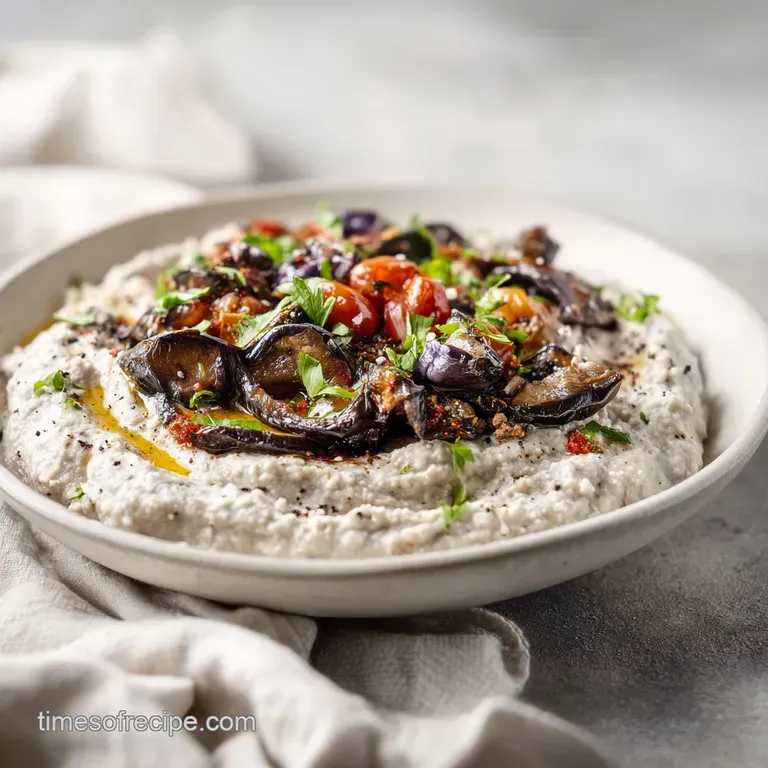
- Prep the skins. Prick the 2 Large Globe Eggplants (900g) several times with a fork. Note: This prevents them from exploding in your oven like a vegetable themed firework.
- Coat and load. Place them on a baking sheet and coat the skins with 1 tbsp Extra Virgin Olive Oil. Toss the 2 unpeeled Garlic Cloves on the same sheet.
- Apply high heat. Position the tray 4 5 inches under a broiler. Turn every 5 minutes until the skin is charred, papery, and the eggplant has completely collapsed. This usually takes 15-20 minutes.
- Purge the liquid. Once cool enough to handle, slit the eggplants open and scoop the flesh into a fine mesh sieve. Sprinkle with 1/2 tsp Sea Salt and wait 10 minutes while the bitter juices drain.
- Prepare the aromatics. Peel the roasted garlic and mash it into a smooth paste using the side of your knife or a fork.
- Create the emulsion. In a separate bowl, whisk the garlic paste, 1/4 cup Premium Tahini (60g), 3 tbsp Fresh Lemon Juice, and 1/4 tsp Ground Cumin until a thick, pale paste forms.
- Smash the eggplant. Roughly mash the drained eggplant with a fork. You want it to be broken down but still have visible structure.
- The final fold. Incorporate the eggplant and 2 tbsp finely chopped Fresh Parsley into the tahini mixture.
- Rest and serve. Let it sit for a few minutes to allow the flavors to meld. Serve at room temperature for the best flavor release.
Fixing Common Texture and Flavor Mistakes
The most common issue I hear about is the dip being too "earthy" or bitter. Usually, this comes down to the eggplant seeds. In larger globe eggplants, the seeds can be quite prominent. If you notice a lot of dark seeds while scooping out the flesh, try to leave the densest clusters behind.
The flavor is in the silky white flesh, not the seeds.
Why Your Dip Is Runny
If you skipped the sieve step, your dip will likely separate within an hour. The water trapped inside eggplant is substantial. If it’s already mixed and too runny, you can fold in an extra tablespoon of tahini to help bind the excess moisture, though this will make the flavor richer and more caloric.
Handling Excessive Bitterness
Eggplants can be temperamental. If yours was particularly bitter, an extra teaspoon of lemon juice or a tiny pinch of coconut sugar can help neutralize the harshness. Don't go overboard; you want to enhance the eggplant, not hide it.
| Problem | Root Cause | Solution |
|---|---|---|
| Tastes "flat" | Not enough acid | Add lemon juice 1/2 tsp at a time. |
| Grainy texture | Low quality tahini | Whisk tahini with lemon juice before adding eggplant. |
| No smoky flavor | Under charred skin | Broil until the skin is actually turning to grey ash in spots. |
If you're dealing with a seafood loving crowd and find yourself needing something even more velvety, my Crab Dip recipe uses a similar emulsion technique but with a totally different flavor profile that's perfect for celebrations.
Common Mistakes Checklist:
- ✓ Didn't prick the eggplant? You'll be cleaning eggplant guts off your oven ceiling.
- ✓ Forgot to roast the garlic? Raw garlic will overpower the delicate smoke of the eggplant.
- ✓ Squeezed the eggplant? Don't press it through the sieve; let gravity do the work so you don't lose the pulp.
- ✓ Served it cold? Refrigeration mutes the flavors. Always bring it to room temp before the party.
Smart Swaps for Healthy Dietary Needs
One of the reasons I love making homemade roasted eggplant dip is how naturally inclusive it is. It's vegan, gluten-free, and keto friendly right out of the gate. However, sometimes you're out of tahini or need to avoid seeds. Here is how I handle those situations without ruining the integrity of the dish.
| Original Ingredient | Substitute | Why It Works |
|---|---|---|
| Premium Tahini | Greek Yogurt (full fat) | Adds creaminess and tang. Note: Not vegan/authentic but very delicious. |
| Lemon Juice | Apple Cider Vinegar | Provides the necessary acidity. Note: Use slightly less as it's sharper. |
| Ground Cumin | Smoked Paprika | Enhances the smoke. Note: Changes the color to a reddish hue. |
If you are looking for an authentic lebanese baba ganoush, stick to the tahini. If you use yogurt instead, the dish technically becomes "Moutabal." Both are fantastic, but the tahini version is much more storage stable and has that specific nutty finish that people crave.
For a spicy Mediterranean kick, I sometimes fold in a teaspoon of Harissa paste. It adds a slow burn heat and a beautiful vibrant color that looks stunning on a mezze platter. If you're out of parsley, fresh mint is a bold, cooling alternative that works surprisingly well with the smoky eggplant.
Storing Your Healthy Meal Prep Batches
Because we've drained the excess water, this dip actually keeps quite well. It’s an efficient meal prep option because the flavors actually deepen after 24 hours in the fridge. I often make a double batch on Sundays to use as a spread for wraps or a dip for raw veggies throughout the week.
- Fridge: Keep it in an airtight glass container for up to 4 days. The top might darken slightly due to oxidation; just give it a quick stir.
- Freezer: I don't recommend freezing the finished dip because the tahini emulsion can break, leaving you with a grainy texture. However, you can freeze the roasted and drained eggplant pulp for up to 3 months.
- Zero Waste Tip: Don't throw away the eggplant skins if they aren't totally incinerated. You can actually dehydrate them or fry them quickly for a "smoky salt" topping, though most people just compost them. If you have leftover tahini mixture, it makes a killer salad dressing with a little extra water and honey.
Perfecting Your Mediterranean Mezze Platter Presentation
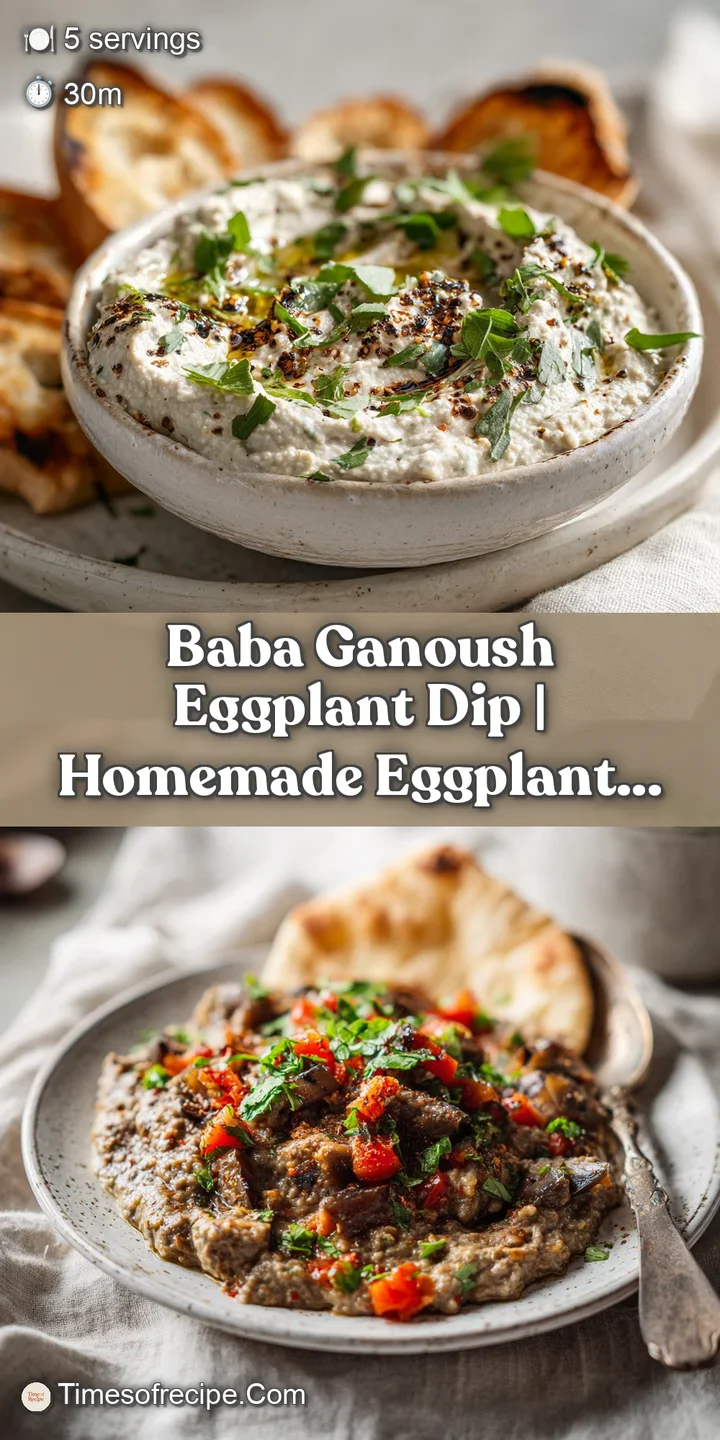
Texture is everything here. When you're ready to serve, don't just dump it in a bowl. Use the back of a spoon to create a deep well or "swirl" in the center of the dip. This isn't just for looks it creates a reservoir for your high-quality olive oil.
The classic way to enjoy this is with warm, fluffy pita bread. If you're keeping things low carb, sliced cucumbers, radishes, and bell pepper strips are the perfect crunchy vessels.
I also love serving this alongside grilled chicken or lamb; the smokiness of the eggplant acts almost like a healthy, creamy sauce for the meat.
- For a crunch factor
- Top with toasted pine nuts or pomegranate seeds.
- To add heat
- A sprinkle of Urfa Biber (Turkish chili flakes) adds a raisin like sweetness and a mild kick.
- For freshness
- Extra parsley and a light dusting of sumac give it a professional finish.
Debunking Kitchen Myths
There is a long standing myth that you must salt and sweat eggplants before roasting them to remove bitterness. While this is true for frying, when you are roasting them whole under a broiler, it’s unnecessary. The bitterness is concentrated in the juices, which we drain after cooking.
Save yourself the 30 minutes of prep time and just get them straight into the heat.
Another common misconception is that baba ganoush vs hummus is a fair fight. They aren't rivals; they are teammates! Hummus provides the protein and weight, while baba ganoush provides the smoky, vegetable forward lightness. If you're hosting, serve both. They balance each other perfectly on a platter.
Finally, some people think you need a charcoal grill for that "authentic" flavor. While it’s true that wood smoke is superior, the broiler technique we used today achieves 90% of that flavor profile with 10% of the effort. For a busy home cook, that’s a trade off I’m willing to make every single time.
Trust the char don't be afraid when the skins look like they're ruined. That's where the magic happens.
Recipe FAQs
Is eggplant dip the same as baba ganoush?
No, the terms are often used incorrectly. While many dips use roasted eggplant, true baba ganoush specifically requires a tahini based emulsion to achieve its signature creamy, nutty profile.
What is baba ganoush made of?
It is a blend of simple, high-quality pantry staples. The recipe relies on 2 large globe eggplants, premium tahini, fresh lemon juice, garlic, extra virgin olive oil, sea salt, ground cumin, and fresh parsley.
Is baba ghanoush unhealthy?
No, it is considered a nutrient dense food. Each serving contains only 144 kcal and is rich in fiber and healthy fats from the tahini and olive oil.
Can I leave skin on eggplant for baba ganoush?
Yes, but only the charred parts. After broiling for 15-20 minutes, the skin becomes papery and adds a deep, smoky flavor, but you should scoop out the inner flesh and discard the toughest, burnt pieces before mashing.
How to avoid bitter tasting baba ganoush?
Drain the roasted flesh in a fine mesh sieve for 10 minutes. Removing the excess liquid after scooping the eggplant is the most effective way to eliminate bitter juices and ensure a balanced final flavor.
How to achieve the perfect creamy texture?
Whisk the tahini, lemon juice, garlic, and cumin into a thick emulsion before adding the eggplant. If you enjoyed mastering this stable silky dipping sauce technique, you will find that creating this base first ensures the dip remains uniform and smooth when the eggplant is folded in.
How to store baba ganoush for the best flavor?
Keep it in an airtight glass container in the refrigerator for up to 4 days. Allowing it to rest for at least 24 hours often improves the taste, as the flavors have more time to meld together.
Authentic Baba Ganoush Dip
Ingredients:
Instructions:
Nutrition Facts:
| Calories | 144 kcal |
|---|---|
| Protein | 3.9 g |
| Fat | 9.4 g |
| Carbs | 14.2 g |
| Fiber | 6.6 g |
| Sugar | 1.0 g |
| Sodium | 232 mg |
