Biscoff Coffee Cheesecake Recipe
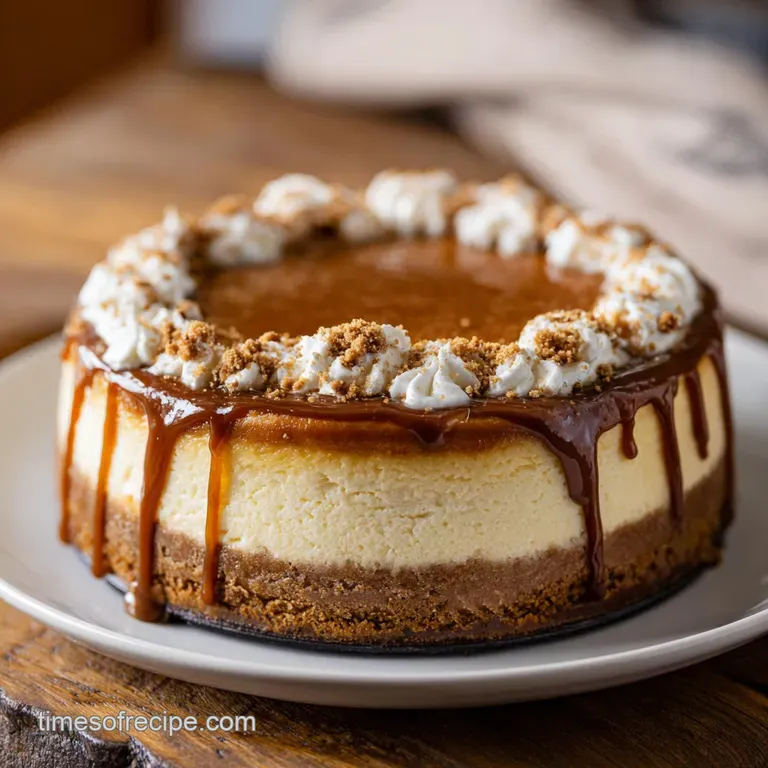
- Time: Active 30 minutes, Passive 6 hours, Total 6 hours 30 mins
- Flavor/Texture Hook: A shattering biscuit base topped with silk smooth espresso cream.
- Perfect for: Afternoon coffee dates or a stunning weekend dinner party finale.
- Creating the Best Biscoff Coffee Cheesecake
- Science Behind the Perfect Setting
- Component Analysis and Ingredient Breakdown
- Essential Ingredients and Simple Substitutes
- Necessary Tools for Silky Results
- Assembling the Layers Step by Step
- Resolving Soft and Runny Textures
- Scaling Recipe Portions Successfully
- Special Dietary and Allergy Adaptations
- Storage Tips and Zero Waste
- Serving Styles and Elegant Presentation
- Recipe FAQs
- 📝 Recipe Card
Creating the Best Biscoff Coffee Cheesecake
The first time I attempted a coffee flavored dessert, I made the classic rookie error of pouring a piping hot shot of espresso straight into my cold cream cheese. It was a disaster.
The cheese curdled instantly, leaving me with a grainy, soupy mess that looked nothing like the elegant treats I saw in my favorite Belgian bakeries. I stood there in my kitchen, staring at the wasted ingredients, and realized that the magic of a Biscoff Coffee Cheesecake isn't just in the flavors, it's in the temperature and the timing.
After weeks of testing, I found that the secret to that coffee shop aroma is using cold brew coffee. It provides a clean, deep caffeine hit without the acidity or heat that ruins the dairy.
When you pair that with the spiced, caramelized snap of a Biscoff biscuit, you get something that tastes like a cozy morning in liquid gold form. This version is my absolute favorite because it isn't cloyingly sweet, the Greek yogurt provides a subtle tang that lets the espresso powder really sing.
We aren't just making a cake here, we're building layers of sensory experience. From the first "snap" of the biscuit base to the velvety molten spread on top, every bite should feel like a discovery. If you have ever tried my Tiramisu Cheesecake Recipe, you know I take my coffee desserts seriously. This one, however, has a crunch that keeps you coming back for more.
Science Behind the Perfect Setting
Protein Stabilization: The lactic acid in the strained Greek yogurt reacts with the cream cheese proteins to create a tighter, more stable structure without needing gelatin. This ensures a clean slice that holds its shape while remaining creamy on the tongue.
Emulsification Control: Mixing the Biscoff spread into the cheese at room temperature prevents the fats from separating, which keeps the filling from becoming greasy. By folding in the cold brew coffee slowly, you maintain a stable emulsion that traps air for a lighter mouthfeel.
Cook Method Comparison
| Method | Time | Texture | Best For |
|---|---|---|---|
| No Bake (Standard) | 6 hours | Silky and light | Summer days or quick prep |
| Baked Base Only | 15 minutes | Extra crunchy base | Maximum texture contrast |
| Fully Baked | 1 hour 15 mins | Dense and New York style | Traditionalists who like heavy cakes |
Many people skip the short bake for the crust, but I highly recommend it. It toasts the spices in the Biscoff biscuits, making them smell incredible and preventing the butter from making the base soggy.
Component Analysis and Ingredient Breakdown
Understanding your ingredients is the difference between a "good" cake and a "how did you make this?" cake. We are using low-fat cream cheese here because it actually has a slightly higher moisture content which, when paired with the thick Greek yogurt, creates a more spreadable, velvety finish.
| Ingredient | Science Role | Pro Secret |
|---|---|---|
| Biscoff Spread | Fat & Flavor Binder | Heat it for 10 seconds to make it pourable for the top glaze. |
| Coconut Sugar | Texture & Sweetness | The earthy, toasted notes of coconut sugar mimic the caramel in the biscuits. |
| Cold Brew Coffee | Flavor Liquid | Use a concentrate to get maximum flavor with minimum liquid volume to prevent runs. |
| Espresso Powder | Flavor Intensifier | Sift it into the dry sugar first to prevent dark clumps in the white cheese. |
The coffee component is vital. I find that a Brown Sugar Syrup recipe can sometimes be used as a sweetener if you want an even deeper, molasses like undertone, but the coconut sugar in this recipe is truly the star for balance.
Essential Ingredients and Simple Substitutes
This recipe relies on specific textures, but I know how it goes when you’re halfway through and realize the cupboard is bare. Here is what I use and how you can pivot if needed.
- 250g Biscoff biscuits: These are the backbone. Why this? The unique speculoos spice blend provides a caramelized crunch that standard graham crackers lack.
- Substitute: Ginger snaps or digestive biscuits with a pinch of cinnamon.
- 50g unsalted butter, melted: Why this? It acts as the glue for the crust without adding extra salt.
- Substitute: Salted butter (just omit the extra sea salt).
- 500g low-fat cream cheese: Why this? Provides the structure while keeping the dessert feeling lighter.
- Substitute: Full fat cream cheese for a richer, denser result.
- 200g strained Greek yogurt (2% fat): Why this? Adds a necessary tang to cut through the heavy sugar.
- Substitute: Sour cream or labneh.
- 100ml strong cold brew coffee: Why this? Intense coffee flavor without the bitterness of hot brewed dregs.
- Substitute: 2 shots of cooled espresso.
- 250g Biscoff spread (divided): Why this? It’s the glue and the flavor profile all in one.
- Substitute: Cookie butter or creamy peanut butter (though the flavor will change).
- 80g coconut sugar: Why this? Low glycemic index and a wonderful toasted flavor.
- Substitute: Light brown sugar.
- 1 tsp vanilla bean paste: Why this? The little black flecks look elegant and taste superior to extract.
- Substitute: Vanilla extract.
- 1 tsp fine espresso powder: Why this? It boosts the "coffee" identity without adding moisture.
- Substitute: Very finely ground instant coffee.
Chef's Tip: Freeze your butter for 10 minutes before melting it. It sounds counterintuitive, but it helps the butter retain a bit more of its milk solid structure, which results in a crisper base after it bakes and cools.
Necessary Tools for Silky Results
You don't need a professional bakery to pull this off, but a few specific tools will make your life much easier. First, a 9 inch springform pan is non negotiable. Trying to lift a cheesecake out of a standard cake tin is a recipe for heartbreak.
Next,, a stand mixer or a high-quality hand mixer is essential for getting the cream cheese perfectly smooth. If you have lumps in your cheese at the beginning, they will stay there until the end.
I also love using a small offset spatula for the Biscoff topping to get that "mirror like" finish that makes people think it's store-bought.
Finally,, have a fine mesh sieve on hand. Sifting the espresso powder and the coconut sugar ensures that the filling remains perfectly ivory with only the beautiful brown swirls of the Biscoff spread.
Assembling the Layers step-by-step
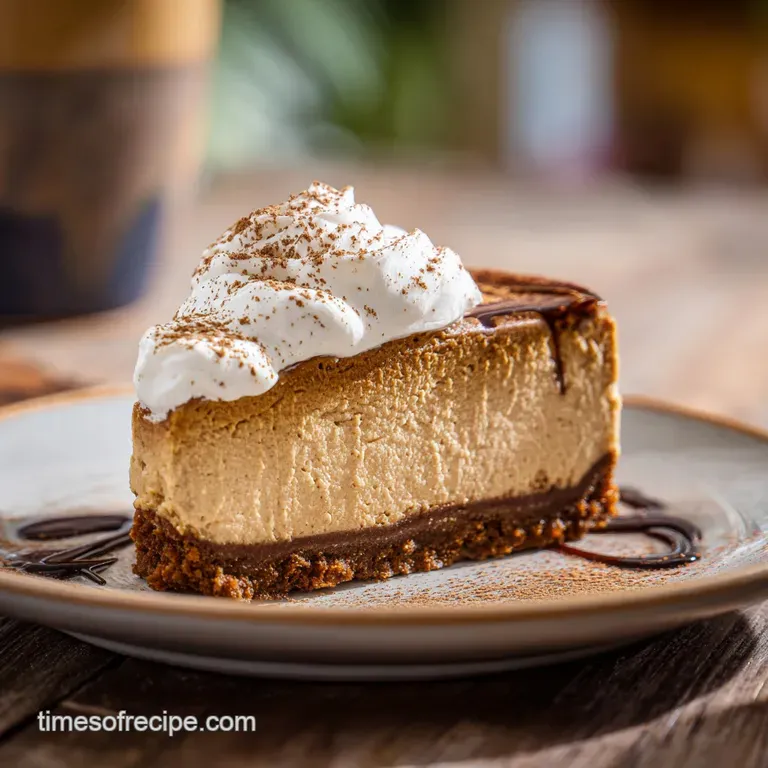
Phase 1: Creating the Coffee Essence
Mix the 100ml of cold brew coffee with the 1 tsp of espresso powder. Note: Stirring these together beforehand ensures the powder is fully dissolved so you don't end up with bitter bursts of coffee in the filling. Set this aside to let the flavors meld.
Phase 2: Building the Shattering Crust
Pulse 250g of Biscoff biscuits in a food processor until they look like fine sand. Mix with 50g of melted butter and 0.5 tsp of sea salt. Press this firmly into the bottom of your springform pan.
Bake at 350°F (180°C) for 15 minutes until the kitchen smells like a gingerbread house. Let it cool completely.
Phase 3: Aerating the Coffee Cream Filling
Beat 500g of room temperature cream cheese with 80g of coconut sugar and 1 tsp vanilla bean paste until silky. Add 200g of Greek yogurt and 150g of Biscoff spread. Note: The yogurt adds air, while the spread adds stability.
Phase 4: The Final Setting and Glaze
Slowly pour in the coffee mixture while the mixer is on low. Once combined, pour the filling over the cooled crust. Smooth the top and chill for at least 4 hours. Melt the remaining 100g of Biscoff spread and pour it over the top, tilting the pan to cover the surface.
Decorate with the 4 reserved biscuits and chill for 2 more hours until the top is set and glossy.
Resolving Soft and Runny Textures
The biggest heartbreak in the cheesecake world is a cake that won't stand up. Usually, this happens because the ingredients were too warm when combined or the coffee was too watered down.
Troubleshooting the Set
| Problem | Root Cause | Solution |
|---|---|---|
| Filling is runny | Coffee was hot or too much liquid added | Chill for an extra 4 hours or add a bit more Biscoff spread. |
| Base is crumbly | Not enough butter or not pressed hard enough | Use the bottom of a flat glass to pack the crumbs tightly. |
| Lumpy cheese | Cream cheese was too cold | Let it sit at room temperature for 2 hours before mixing. |
Common Mistakes Checklist
- ✓ Always use room temperature cream cheese to avoid "tiny white dots" in your filling.
- ✓ Don't overmix once the yogurt is in, or you'll lose the aeration that keeps it light.
- ✓ Sift your sugar and espresso powder to ensure a professional, velvety texture.
- ✓ Pat the crust down hard use more force than you think you need!
- ✓ Let the baked base cool completely before adding the filling, or you'll melt the fats.
But what about the sogginess? We'll get to that. The bake time for the crust is what prevents the coffee in the filling from migrating into the biscuit layer. If you skip the bake, your base will be soft within 24 hours. Trust me on this one.
Scaling Recipe Portions Successfully
If you’re making this for a big crowd, you can easily double the recipe. However, when doubling, don't just double the salt and espresso powder. Use 1.5x the amount of salt and 1.5x the espresso powder first, then taste. Spices can become overwhelming when scaled linearly.
For a smaller "date night" version, you can halve the recipe and use a 6 inch pan. If you're halving and need half an egg (though this recipe is no bake), you'd beat it and measure. Here, you just halve the weights exactly.
For the coffee, reduce it slightly more than half (about 40ml) to ensure the smaller volume sets firmly.
If you are looking for a completely different scale of effort, something like a Strawberry Cheesecake Dump Cake recipe is a great alternative for when you want the flavor without the precision of a springform pan.
Special Dietary and Allergy Adaptations
This recipe is surprisingly flexible. If you need to avoid dairy, you can swap the cream cheese for a firm vegan cream cheese (like almond or cashew based) and use a thick coconut cream instead of the Greek yogurt. The Biscoff spread itself is actually vegan!
For a gluten-free version, you'll need to swap the Biscoff biscuits for a gluten-free speculoos alternative. While they aren't as common, many specialty stores carry them. You can also use gluten-free ginger snaps to maintain that spiced flavor profile.
Decision Shortcut
- If you want Maximum Crunch: Bake the base for 18 minutes instead of 15.
- If you want Extra Coffee Kick: Increase espresso powder to 2 teaspoons.
- If you want Less Sweetness: Use 50g of coconut sugar and add a pinch more salt.
Storage Tips and Zero Waste
Your Biscoff Coffee Cheesecake will stay fresh in the fridge for up to 5 days. Keep it covered with plastic wrap or in an airtight container to prevent it from absorbing fridge odors nothing ruins a coffee cake faster than the smell of leftover onions.
If you have leftover biscuit crumbs, don't toss them! Toast them in a pan with a little butter and sprinkle them over yogurt or ice cream the next morning. Leftover coffee can be frozen into ice cubes for your next iced latte.
If the cheesecake hasn't been finished within 5 days, you can slice it and freeze the individual pieces. They taste like a gourmet ice cream bar when eaten straight from the freezer!
Serving Styles and Elegant Presentation
When you're ready to serve, run a thin knife under hot water, wipe it dry, and then slide it around the edge of the springform pan. This heat helps release the Biscoff topping without it tearing or sticking to the sides.
For the most elegant look, crush the 4 decoration biscuits into uneven shards. Place them in the center of the cake or one on each slice. A light dusting of cocoa powder or extra espresso powder can add a professional touch.
I love serving this with a small glass of cold brew on the side or a dollop of unsweetened whipped cream to balance the intensity of the Biscoff.
Right then, you're all set. This Biscoff Coffee Cheesecake is going to be the star of your next gathering. It’s elegant, it’s punchy, and that velvety texture is honestly a dream. Let's crack on and get baking!
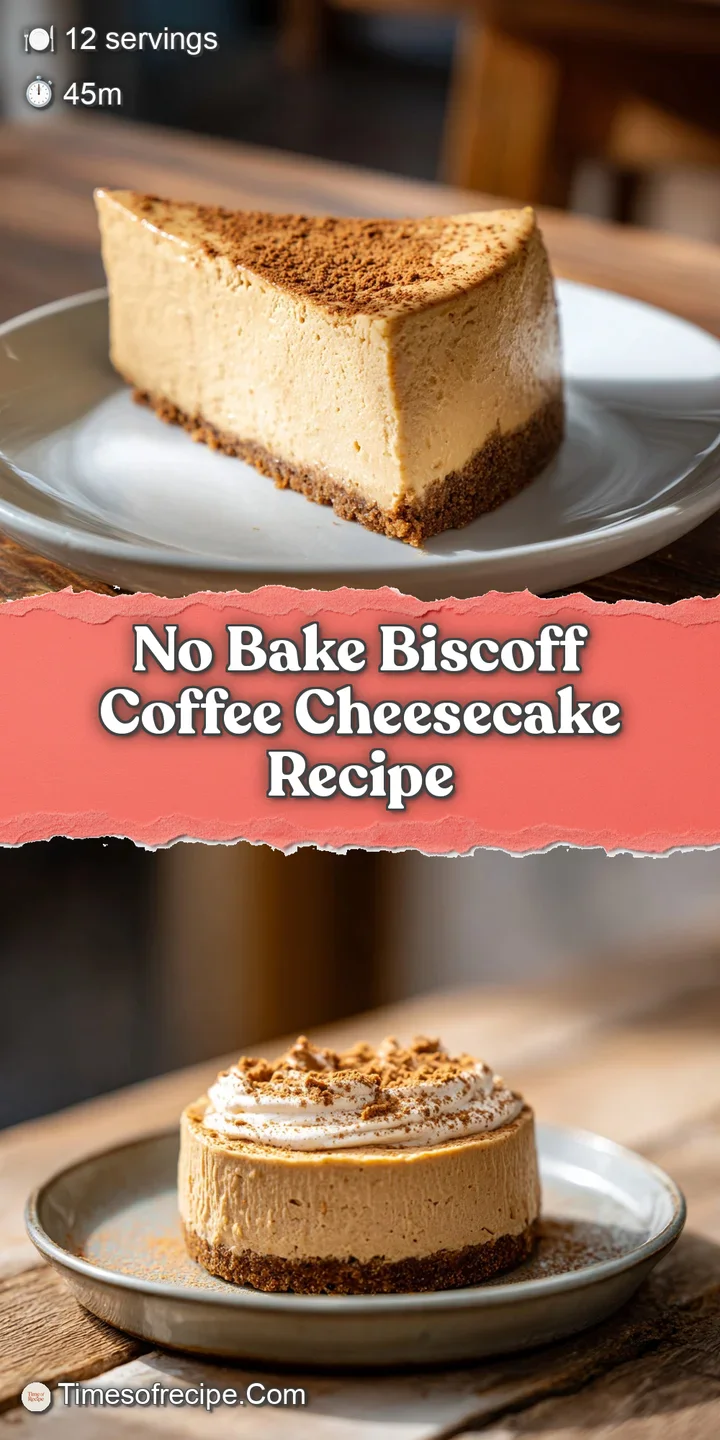
Recipe FAQs
Do Biscoff and coffee go together?
Yes, they are a classic pairing. The deep, slightly bitter notes of coffee cut through the sweetness and warm spice of the caramelized Biscoff cookies beautifully.
What is so special about Basque cheesecake?
Basque cheesecake is special for its burnt, caramelized top. It is intentionally baked at a very high temperature to create a deeply browned exterior, contrasting sharply with its custard like, often underdone, interior.
What does Biscoff cheesecake taste like?
It tastes like a sophisticated, spiced coffee treat. You get the deep, roasted flavor of espresso balanced by the brown sugar and cinnamon notes from the Biscoff, all held in a very smooth, tangy cream filling.
Can you use Biscoff biscuits for a cheesecake base?
Yes, absolutely, they make an excellent base. They provide a unique, spiced crunch that is superior to plain graham crackers when paired with coffee or caramel flavors.
Is it true you must use gelatin for a no-bake cheesecake to set?
No, this is a common misconception. This recipe relies on the protein structure from the combination of high fat cream cheese and thick Greek yogurt to achieve a stable, silky set.
How to prevent my cream cheese from curdling when adding liquid coffee?
Ensure the coffee liquid is completely cool, preferably cold brew. Pour the liquid in very slowly while the mixer is running on the lowest speed to maintain a stable emulsion between the fats and the liquid.
How to ensure the biscuit base is extra crunchy and not soggy?
Bake the crust alone for 15 minutes before cooling. This process toasts the crumbs and solidifies the butter, creating a barrier that prevents moisture migration from the filling.
Biscoff Coffee Cheesecake
Ingredients:
Instructions:
Nutrition Facts:
| Calories | 386 kcal |
|---|---|
| Protein | 7.1g |
| Fat | 22.3g |
| Carbs | 39.5g |
| Fiber | 0.8g |
| Sugar | 25.2g |
| Sodium | 285mg |
