Dandelion Wine: the Golden Nectar Recipe for a Classic 1-Gallon Batch
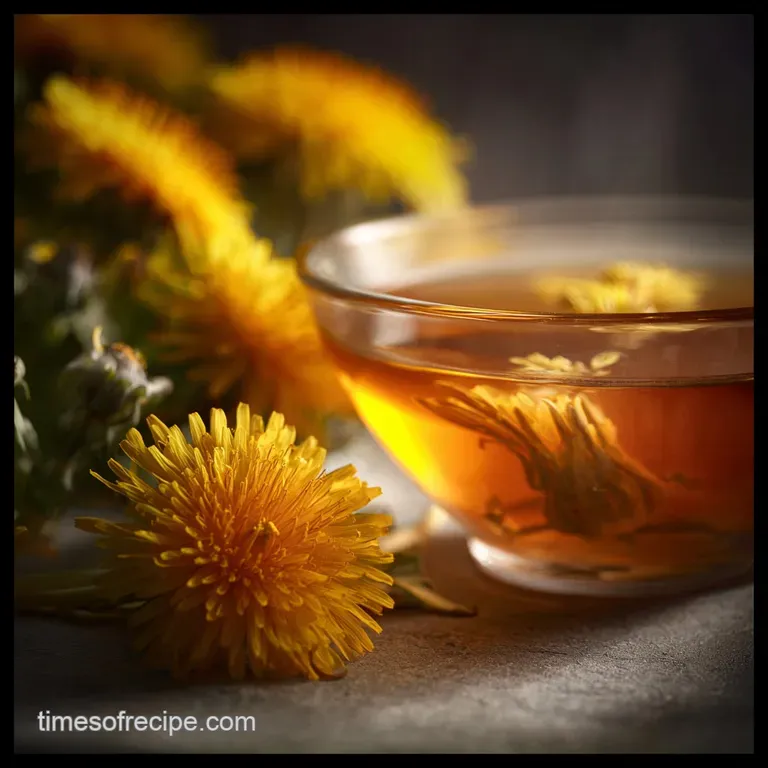
- The Golden Nectar: Classic Country Dandelion Wine (A Seasonal Tradition)
- Essential Gear and Ingredients for a 1 Gallon Batch
- Mastering the Fermentation: Step-by-Step Dandelion Wine Directions
- The Science of Sunshine: Why Quality Dandelion Wine Requires Precision
- Troubleshooting and Expert Tips for Clear, Potent Dandelion Wine
- Recipe FAQs
- 📝 Recipe Card
The Golden Nectar: Classic Country Dandelion Wine (A Seasonal Tradition)
Have you ever opened a bottle and smelled pure sunshine? That’s what dandelion wine tastes like, honest to goodness. It’s got this incredible, delicate floral aroma, almost like late summer honey mixed with bright, crisp citrus.
You’d never guess that something so refined comes from those cheerful little yellow 'weeds' popping up everywhere.
This recipe is seriously a lifesaver for the budget and the soul. We are transforming the cheapest, most abundant resource on your lawn into a high proof, sophisticated country wine.
It’s a slow burn, requiring patience rather than complex technique, and the cost per bottle is basically pennies once you factor in the free flowers.
Now, homemade wine demands respect and precision, especially when you’re dealing with wild ingredients. We aren't just making some easy lemonade here. This guide will walk you through the careful process, ensuring your first 1 gallon batch is clear, potent, and totally delicious.
The Literary Legacy of Homemade Wine
Maybe I’m a romantic, but I love that Ray Bradbury wrote a whole novel about this stuff. Dandelion Wine captures that feeling of bottling a specific moment in time pure summer nostalgia.
My own grandmother used to brew hers in huge stone crocks down in the cellar, and I still remember the sweet, yeasty smell permeating the house when she poured off the must.
This traditional English country recipe respects that legacy by focusing on simple ingredients and thorough preparation. You don't need fancy grape presses or complicated additives; just clean tools and good patience. Trust me, the result is truly a bottled vacation.
What Part of the Dandelion Flower Do We Use?
CRITICAL WARNING: We only use the yellow petals! The number one beginner mistake is tossing the whole head in there. The little green sepals and the base of the flower contain bitter alkaloids that will absolutely ruin your delicate wine, turning it into something far too vegetal and harsh to drink.
You need to sit down, maybe watch a silly movie, and meticulously separate those sunny petals from the green parts.
Essential Sanitation Practices for Home Brewing
Sanitation isn't optional; it's the absolute boss of homebrewing. You are creating a perfect environment for yeast to thrive, but guess what? Bacteria and wild yeast love that environment too. If you get lazy here, you’re making vinegar or, worse, a cloudy mess that tastes like gym socks.
Always sanitize every piece of equipment —the pots, the spoons, the fermenters, the siphons, and especially the airlocks with a proper brewing sanitizer like Star San. I learned this the hard way when a batch of elderflower mead went south because I just "rinsed" the bucket.
Never again.
Essential Gear and Ingredients for a 1 Gallon Batch
Why This Recipe Works (The Science of Sunshine)
The real magic here is the combination of highly fermentable sugar, the acid from the citrus, and the robust yeast. Dandelions themselves offer delicate flavour but no bulk nutrients, which is why we add yeast nutrient and high levels of sugar (3 lbs for 1 gallon is serious).
The yeast we use a super tough strain like EC-1118 eats all that sugar, giving us a higher alcohol content (ABV) and a dry finish, which balances the floral sweetness beautifully.
Selecting the Best Dandelion Petals (Gathering Strategy)
Timing is crucial for perfect dandelion wine. Go petal picking on a dry, sunny day, ideally mid-morning after the dew has evaporated and the flowers are wide open. Never pick dandelions from areas treated with pesticides or near busy roads where exhaust fumes settle.
Use 4 packed cups of pure yellow petals for this 1 gallon recipe.
The Role of Yeast and Nutrient in Primary Fermentation
You absolutely cannot use bread yeast here; it will give up halfway through and leave you with cloyingly sweet, low-alcohol sludge. Wine yeast strains like Lalvin EC-1118 are high alcohol tolerant.
The yeast nutrient is just as important, acting like vitamins to keep the yeast healthy and working hard, which prevents those dreaded "stuck fermentations."
Specialized Equipment for Successful Winemaking
You need more than just a bucket; you need tools that measure progress and keep oxygen out. A hydrometer is your best friend it tells you exactly how much sugar is in the must, meaning you can track the alcohol percentage and ensure fermentation is truly finished.
The airlock keeps contamination out while allowing CO2 gas to escape.
Chef's Note: Invest in an Auto Siphon now. It makes 'racking' (moving the wine) so easy and dramatically reduces the risk of disturbing the sediment, which keeps your finished product brilliantly clear.
Sourcing Water and Citrus Alternatives
Always use filtered, distilled, or spring water for winemaking. Tap water can sometimes contain chlorine or chloramine, which might inhibit your yeast. We use fresh lemons and oranges for both acid (necessary for yeast health) and zest (for bright aroma).
| Ingredient | Primary Use | Substitution Tip |
|---|---|---|
| Purified Water | Base | If using tap water, let it sit uncovered for 24 hours to let chlorine dissipate. |
| Lemons/Oranges | Acidity & Aroma | Use 1/4 cup of concentrated lemon juice and some dried orange peel if fresh citrus isn't available. |
| Raisins (Golden) | Tannins & Body | Use dried apricots or prunes, roughly chopped, if you hate raisins. |
Mastering the Fermentation: step-by-step Dandelion Wine Directions
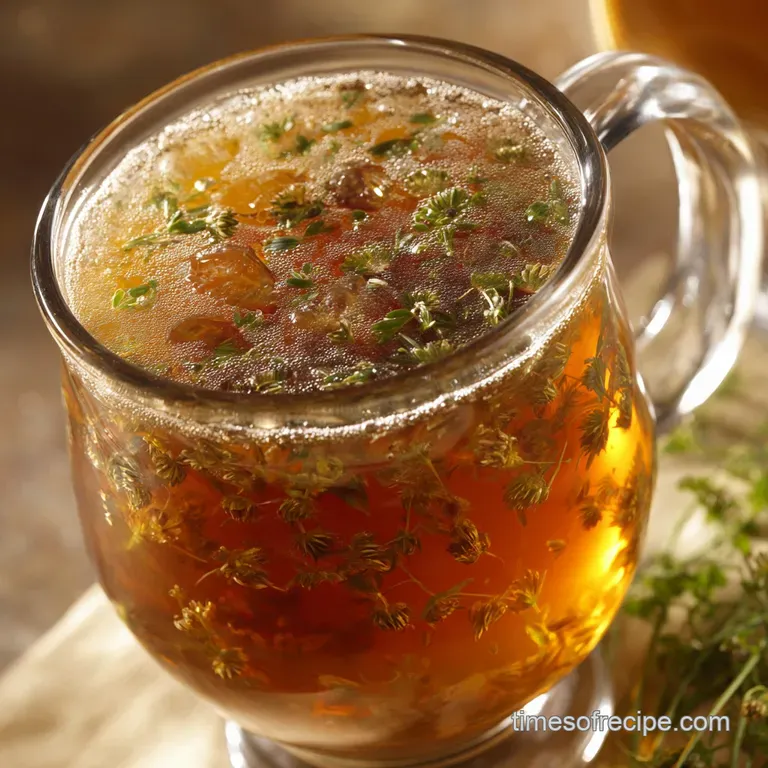
Primary Stage: Creating the Dandelion Must
- Sanitize the Scene: Start by sanitizing absolutely every piece of equipment that will touch the liquid, especially the large pot and the primary fermenter.
- Boil the Base: Combine 1 gallon of purified water and 3 lbs of sugar in your pot. Bring this mixture to a rolling boil, stirring until the sugar is totally dissolved, then simmer gently for five minutes.
- Steep the Sunshine: Turn off the heat. Immediately add the 4 cups of pure dandelion petals, the zest and juice of the lemons and oranges, the sliced ginger (if using), and the cup of raisins. Give it a good stir. Cover the pot tightly and leave it alone to steep and cool for 24 hours. The petals will infuse beautifully.
- Strain and Measure: Strain the must through a fine mesh sieve into your sanitized primary fermenter, discarding all the solids. Crucially, check the temperature! It must be below 75°F (24°C) before moving on.
Airing and Pitching the Yeast Safely
Oxygen is bad for finished wine, but it’s great for yeast at the start. Give the cooled must a vigorous stirring for a minute or two to introduce oxygen. While stirring, dissolve the yeast nutrient into the must.
Activate your wine yeast according to the packet instructions; usually, this involves sprinkling it over a small amount of warm water for 15 minutes until it looks foamy. Pitch the activated yeast directly into the must, stir gently, and secure the lid and airlock.
Now, find a dark place where the temperature stays stable 65°F to 75° F is ideal.
Racking and Secondary Fermentation Explained
Fermentation should start bubbling vigorously within 48 hours. When the bubbling slows dramatically (usually 5 7 days), the primary stage is over. This is when we rack the wine.
- Racking: Use your sanitized auto siphon to transfer the wine from the primary bucket into the smaller, sanitized glass carboy (the secondary fermenter). Be careful not to disturb or suck up the thick layer of sediment (the lees) at the bottom.
- Wait and Watch: Refit the airlock. Now the long wait begins. Secondary fermentation allows the remaining yeast to clean up the flavours, and the sediment to drop out, leading to crystal clarity. You will need to rack the wine again every 6 8 weeks, leaving the sediment behind each time, until you stop seeing sediment form.
Stabilizing and Clarifying the Wine for Crystal Results
Once the wine is clear and your hydrometer reading has been stable for two weeks (meaning fermentation is finished), you can stabilize it if you wish to back sweeten. If you prefer a dry wine (my personal favorite), skip stabilizing and go straight to bottling.
The Science of Sunshine: Why Quality Dandelion Wine Requires Precision
The difference between amazing homemade wine and cloudy disappointment is entirely down to precision in sanitation and measurement. You must ensure the initial sugar level (Original Gravity) is high enough to reach your desired ABV, and you must use a strong yeast that won't die off too early.
Preventing Bitterness: Extracting Flavor Without the Green Parts
I cannot stress this enough: The green part is the villain. If you were lazy gathering your petals, you will notice a grassy, bitter undertone in your finished wine. The only way to prevent this is by taking the time to meticulously pluck only the yellow petals before the must preparation phase.
It takes ages, but it is 100% worth it.
Troubleshooting and Expert Tips for Clear, Potent Dandelion Wine
Achieving Optimal Alcohol Content (ABV) through Specific Gravity Readings
We aim for an Original Gravity (OG) around 1.100. If your final gravity (FG) settles at 0.998, a quick calculation tells you the wine is roughly 13% ABV a great, potent country wine! If you didn't measure your OG, you're guessing, and that’s a bad game to play in brewing.
Dealing with Stuck Fermentations
If the airlock stops bubbling early but your hydrometer still shows high sugar (e.g., above 1.015), your fermentation might be stuck. This usually happens because the temperature dropped too low or the yeast ran out of nutrients.
Fix it fast: Warm the fermenter slightly (up to 75°F) and add a half dose of yeast nutrient. Sometimes, adding a small amount of new, activated yeast (a starter culture) is needed to kickstart it again.
Avoiding Oxidation During Siphoning
Oxygen is your enemy after fermentation starts. Exposure to air can cause the wine to oxidize, leading to a flat, sherry like flavour not what we want. Always rack gently , ensuring the siphon outlet is placed near the bottom of the receiving carboy to minimize splashing.
The Importance of Aging: When is Dandelion Wine Ready to Drink?
Look, technically, you can drink it a month after bottling, but it will taste harsh and unbalanced. Dandelion wine absolutely needs aging. The delicate floral notes only truly integrate and mellow after six months.
If you can wait a full year, the difference is shocking; the wine transforms from "okay homebrew" to "sophisticated golden nectar."
Recommended Food Pairings and Temperature
Because dandelion wine is so bright and often finishes dry, it acts beautifully like a light Sauvignon Blanc. Serve it well chilled, around 45°F (7°C). It’s perfect with light summer fare.
- Pairings: Soft goat cheese, lightly grilled fish (like cod or sole), or even a delicate chicken salad sandwich.
- Avoid: Heavy red meats or super spicy curry; the bold flavours will totally overwhelm the gentle floral notes.
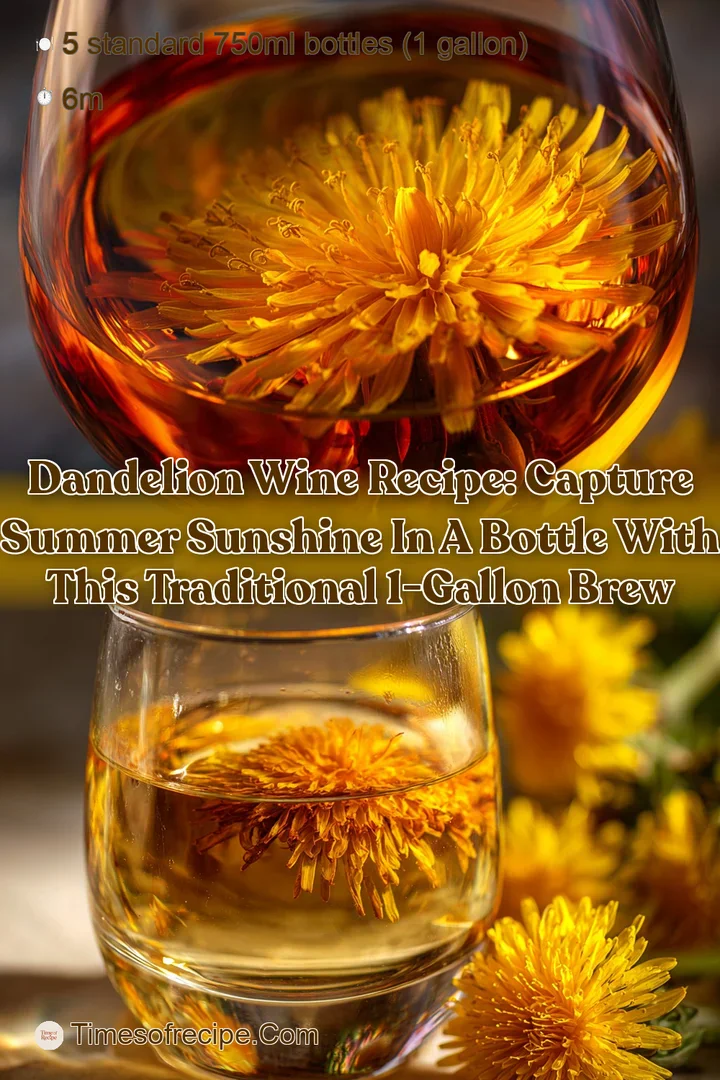
Recipe FAQs
Why is it crucial to use only the dandelion petals, and not the green parts?
The green sepals and bases of the dandelion flower contain bitter alkaloids that will ruin the delicate, floral flavor of your wine. Carefully ensure you only harvest the golden petals, removing all green material before the steeping process begins.
My finished wine is cloudy (hazy) how can I clarify it?
Cloudiness is often caused by suspended yeast or pectin and is common in country wines. After fermentation is fully complete, rack the wine gently, then consider adding a specialized fining agent like Bentonite or Pectic Enzyme to help precipitate the solids.
How long must the dandelion wine age before it reaches its optimal flavor?
While technically drinkable after clearing (usually 3 to 4 months), this wine truly benefits from patience. Optimal flavor integration and mellowing of the floral notes typically occur after 6 to 12 months stored in the bottle.
My fermentation seems stuck or very slow what are the common causes?
Yeast activity can stall if the temperature drops too low (below 65°F/18°C) or if the must lacks sufficient nutrients. Ensure your batch is maintained within the ideal temperature range, and consider rousing the yeast gently or adding a yeast nutrient supplement.
Can I use different types of citrus fruit or add spices for variation?
Yes, variations are highly encouraged once you have the basic recipe mastered; citrus zest is essential for balancing acidity, but you can swap standard lemon for lime or grapefruit for a tangier profile. Try adding a cinnamon stick or a few cloves during the boil for a warmer, spicier flavor profile.
How important is sanitation in home winemaking?
Sanitation is the single most critical step in successful home brewing; without it, you risk contamination leading to bacterial spoilage, mold, or the production of vinegar (acetobacter). Always use a specialized, no-rinse sanitizer on every piece of equipment that touches the must or finished wine.
What is the best way to store bottled dandelion wine for long term aging?
Store bottled wine lying on its side in a cool, dark environment with a consistent temperature, ideally between 50°F and 65°F (10 18°C). This horizontal storage ensures the cork remains wet, maintaining a proper seal and preventing unwanted oxidation.
Classic 1 Gallon Dandelion Wine
Ingredients:
Instructions:
Nutrition Facts:
| Calories | 150 kcal |
|---|---|
| Fat | 0 g |
| Fiber | 0 g |
