Sugar Cookie: the Ultimate Cutout Recipe
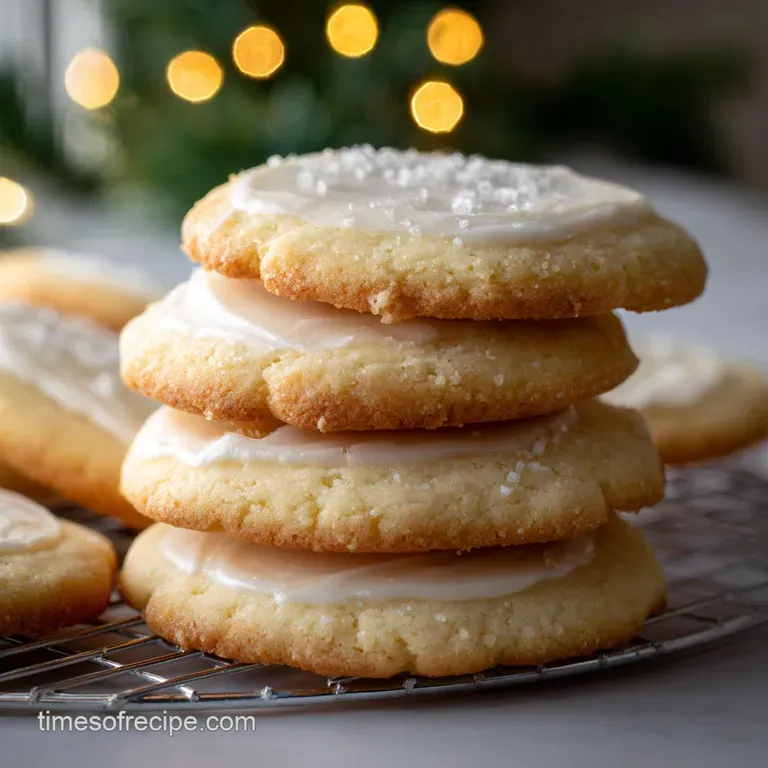
- The Definitive Non-Spreading Cut-Out Sugar Cookie Recipe
- Mastering the Science of Zero Spread and Tender Centres
- The Essential Pantry List for Classic Cookies
- A Proper Bake: Step-by-Step Guide to Shaping and Cutting
- Troubleshooting Your Dough: Expert Tips from the Test Kitchen
- Maximizing Shelf Life: Storage, Freezing, and make-ahead Strategies
- Serving and Pairing Suggestions for Your Sugar Cookies
- Recipe FAQs
- 📝 Recipe Card
The Definitive Non-Spreading Cut-Out Sugar Cookie Recipe
There is no better scent in the entire world than fresh vanilla and butter baking gently in the oven. It just screams comfort, doesn't it? A truly perfect Sugar Cookie is more than just a sweet treat; it’s a blank canvas waiting for your creativity.
This recipe delivers those crisp, defined edges every single time, meaning your gingerbread man will actually look like a man, and not a spreading blob of sadness.
I know what you're thinking: isn't a plain Sugar Cookie a bit boring? Absolutely not. This recipe is your reliable workhorse, fast to mix up and incredibly cheap.
It saves the day when the kids spontaneously decide they need cookies right now , or when you realize you forgot to bake something for the office party tomorrow.
We are not aiming for thin, brittle biscuits here; we want a Sugar Cookie that is sturdy enough to hold Royal Icing but still soft and tender on the inside. So let’s crack on and talk about the simple secrets to non-spreading success.
Mastering the Science of Zero Spread and Tender Centres
If you have ever made a batch of gorgeous Sugar Cookie dough only to have it melt into an unrecognizable puddle in the oven, you know the pain. The secret to a perfect, non-spreading cookie lies not in some secret ingredient, but in mastering temperature and ratios.
These two things are everything.
Why Precision Matters for Perfect Edges
Baking is chemistry, and when you are dealing with a recipe meant for detailed cut-outs, precision is crucial. We need exact control over how the fat melts and how the dough holds its shape.
Too much liquid or too soft butter, and the Sugar Cookie will spread before the flour has a chance to set the structure.
The Historical Sweetness of the Sugar Biscuit
Did you know the classic Sugar Cookie originated with German settlers in Pennsylvania in the mid-1700s? They called them Nazareth Cookies . These simple, buttery biscuits have stood the test of time because they are universally beloved and utterly versatile.
It’s hard to beat that classic flavour profile.
A Medium Bake: Understanding the Technique Required
This is not a drop cookie, so we skip ingredients that encourage excessive spread, like lots of brown sugar or large amounts of baking soda. We use just enough baking powder for a soft lift, ensuring the Sugar Cookie stays slightly puffy without losing those crisp edges.
We bake until just set, keeping the middle gorgeously tender.
The Creaming Method and Aeration Explained
Creaming is the process of whipping softened butter and sugar together until light and fluffy. This incorporates air trapped in tiny bubbles which gives the dough structure and lightness. Don't rush this step.
If you mess up the creaming process, your Sugar Cookie will suffer greatly because the air pockets won't be evenly distributed.
Achieving Perfect Dough Temperature with Chilled Ingredients
We use cold ingredients and subject the dough to an intense chilling period. Chilling solidifies the fat (butter) and gives the flour time to fully hydrate, meaning the dough won’t melt the second it hits the oven heat. That two-hour chill is mandatory if you want those sharp lines.
How Ratio of Fat to Flour Prevents 'Puffing'
This recipe uses a specific ratio of flour (more) to fat (less) compared to a typical chewy cookie, like my recipe for [Chocolate Chip Cookies: Bakery Style Chewy Crispy Recipe]. This high flour ratio limits the ability of the butter to lubricate and relax the gluten strands too quickly, forcing the Sugar Cookie to hold its shape until the structure sets.
The Essential Pantry List for Classic Cookies
Always use good quality ingredients when making a base like the classic Sugar Cookie . Since there are only a few ingredients, each one really matters.
The Best Butter for Baking (Salted vs. Unsalted Debate)
I always, always use unsalted butter in baking. Why? Because it lets me control the salt content precisely. If you must use salted butter, omit the 1/2 tsp of salt listed in the recipe. Ensure your butter is softened but not greasy.
It should leave a slight indentation when pressed, but your finger shouldn't sink right through.
| Ingredient | Substitute |
|---|---|
| Unsalted Butter | high-quality shortening (results in slightly drier cookie) or vegan butter sticks. |
| Large Egg | 1/4 cup applesauce or a flax egg (1 tbsp ground flax + 3 tbsp water, rested 5 mins). |
| Vanilla Extract | Almond extract or vanilla bean paste for a richer flavour. |
Understanding Powdered vs. Granulated Sugar in Dough
We use granulated sugar here because its sharp edges help cut through the butter during the creaming process, incorporating maximum air. Using powdered sugar would result in a very tender, almost sandy cookie texture that spreads a bit more than we want for cut-outs. Powdered sugar is better saved for the icing!
Flour Types and Measuring Accurately
Use standard All-Purpose (plain) flour. The biggest mistake people make is using too much flour. Do not scoop directly from the bag; this compacts the flour. Instead, lightly spoon the flour into your measuring cup and then level it off with a knife.
If you pack the flour, you will end up with a dry, crumbly Sugar Cookie dough.
Egg Temperature: Why We Use It Cold
While the butter needs to be softened, I often use a slightly colder egg straight from the fridge in this specific recipe. This helps keep the overall dough temperature lower during the mixing process, which is the first step in preventing spread.
If you use a room temperature egg, the dough will warm up much faster when mixing, often leading to stickiness.
A Proper Bake: step-by-step Guide to Shaping and Cutting
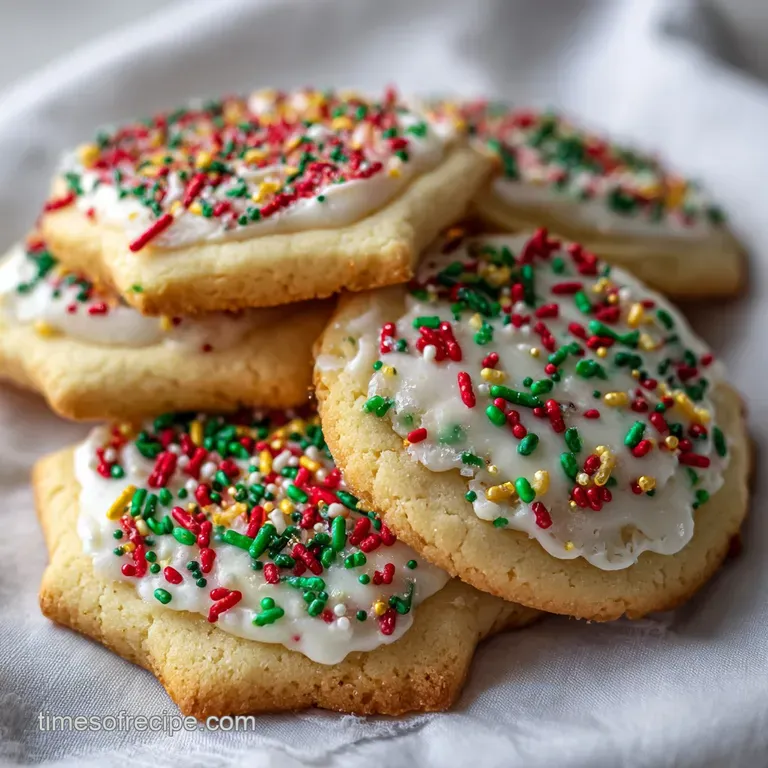
Following these instructions to the letter will give you the finest cut-out Sugar Cookie you’ve ever made. Remember, mixing is just the start; the shaping is half the battle.
The Crucial Chilling Period for Optimal Handling
Once the dough is wrapped, pop it straight into the fridge for at least two hours. If you can leave it overnight, even better! This long chilling process ensures the dough is firm and easy to handle without becoming sticky, which means you won't need to add excess flour later when rolling.
Chef's Note: If you are in a rush and cannot chill for the full two hours, you must at least chill the final, cut shapes on the baking tray for 10 minutes before baking. Cold dough is the secret weapon against spread!
Rolling Out: Uniform Thickness is Key
Consistency is paramount. If you roll some cookies to 1/8 inch and others to 1/4 inch, the thin ones will burn long before the thick ones are done. I highly recommend using a rolling pin with thickness guides. Roll the dough between two pieces of parchment paper.
This eliminates the need for flouring the surface, which is brilliant.
Baking Temperature and Visual Doneness Cues
Bake the Sugar Cookie dough at 350°F (180°C). This medium heat allows the exterior to set quickly. Check the cookies around the 10 minute mark. You are looking for edges that are barely turning a light, pale gold not brown!
The centre should look set, not wet, and feel firm when gently tapped.
Cooling Down and Transferring Gently
Give the cookies a full five minutes to cool and set up on the baking sheet before attempting to move them. They are fragile when piping hot, and you don’t want to ruin your perfectly crisp edges by rushing the transfer. Move them gently to a wire rack to cool completely.
Troubleshooting Your Dough: Expert Tips from the Test Kitchen
I’ve made every mistake in the book when baking cut-out cookies, so I can save you the heartache. Here are the common failures and how we fix them.
Dealing with Sticky Dough (When to Add More Flour)
If your dough is warm or sticky, your first instinct is to dump a load of flour on the surface, right? Resist! That will result in tough, dry cookies. If the dough is too sticky to roll (even after adequate chilling), place the whole disc back in the freezer for 10 minutes.
If you absolutely must add flour, do so sparingly with a pastry brush, dusting only what is needed.
Avoiding Cookie Over Browning or Dryness
Over baking is the death of a tender Sugar Cookie . If the cookies are brown, they are dry. Period. You must check them often and remember they continue to cook on the sheet once removed from the oven.
If your edges keep burning before the centre sets, try lining your baking trays with silicone mats instead of parchment paper; the extra insulation helps prevent burnt bottoms.
Maximizing Shelf Life: Storage, Freezing, and make-ahead Strategies
This recipe is fantastic for make-ahead prep. Why do all the work the day you need the cookies when you can spread the effort out?
Preparing the Dough Ahead of Time
The Sugar Cookie dough can be prepared, wrapped tightly, and stored in the fridge for up to 5 days. Just remember to let it sit at room temperature for about 15 minutes before attempting to roll it out otherwise, it will crack and shatter.
Freezing Baked vs. Unbaked Cookies
You can freeze this Sugar Cookie recipe baked or unbaked! For unbaked, cut the shapes, place them on a parchment lined tray, and freeze until solid. Transfer the frozen shapes to a freezer bag or container, layered with parchment.
Bake them straight from frozen, adding 2– 3 minutes to the baking time.
Baked cookies freeze beautifully, too. Wait until they are fully cooled (and ideally undecorated). Layer them between parchment and freeze for up to three months. Thaw completely at room temperature before decorating.
This is a brilliant trick, similar to making large batches of [Snickerdoodle Cookies: Tangy, Chewy, and Perfectly Crinkled] ahead of time.
Best Practices for Storing Decorated Biscuits
If you have decorated your Sugar Cookie with Royal Icing, ensure the icing is completely rock hard dry before storing (this can take 12– 24 hours). Store them in an airtight container at room temperature.
Do not stack them if they are heavily decorated, or you risk breakage. They will keep well for about 5 7 days.
Serving and Pairing Suggestions for Your Sugar Cookies
This particular Sugar Cookie dough is so versatile, it demands proper attention when it comes to serving. It’s your edible canvas, after all.
Choosing the Right Icing or Glaze
For detailed work, like tiny eyes or intricate florals, you simply must use Royal Icing. It dries completely hard and shiny. If you just want a quick, soft finish and a beautiful shimmer, use a basic powdered sugar glaze mixed with milk and a touch of vanilla.
You can even create a beautiful sticky sheen by adding my [Brown Sugar Syrup: Sticky Rich Recipe for Coffee Drinks] to a simple glaze mix.
Beverage Pairings: From Rosie Lee to Espresso
A perfectly plain Sugar Cookie pairs beautifully with a strong, hot drink. We Brits love it with a cup of strong English Breakfast tea (Rosie Lee), but it also works wonderfully with a strong espresso or a rich hot chocolate in the winter.
The slight saltiness in the cookie dough cuts through the sweetness of the drink.
Elevating the Blank Canvas: Presentation and Decorating Ideas
The whole point of a sturdy cut-out Sugar Cookie is the decoration! Get creative. Dust them with edible glitter after applying a light glaze, or use cookie stamps before baking for a vintage look.
If you are looking for the absolute best guide on decorating, check out my full tutorial on [Sugar Cookies: The Best Cut-Out Recipe for Decorating]. Every Sugar Cookie deserves to shine!
Recipe FAQs
Why did my cut-out sugar cookies spread out too much while baking?
Spreading is usually caused by warm dough or an imbalance of fat/liquid versus flour. Ensure your butter is cold (not just softened) and your rolled out dough is thoroughly chilled (at least 30 minutes) before cutting and baking.
Additionally, measure your flour precisely using the spoon and-level method, as too little flour allows the cookies to slump prematurely in the heat.
My dough is very crumbly and hard to roll. What went wrong?
Crumbly dough typically indicates an excess of flour or insufficient binding liquid. If the dough won't come together, try adding a half teaspoon of milk or cream at a time while mixing until it forms a cohesive mass that is not sticky.
Ensure you do not over mix once the flour is incorporated, as excessive mixing develops gluten, leading to tough cookies.
How long do I need to chill the dough, and why is this step essential?
The minimum chilling time is one hour, though rolling and cutting chilled dough often works better after an overnight rest. Chilling is crucial as it solidifies the fat, preventing the cookies from spreading immediately when they hit the oven heat. This ensures your cut-out shapes remain sharp, defined, and crack free.
Can I substitute butter with margarine or shortening in this recipe?
While shortening will result in less spread, it sacrifices the buttery flavor essential for a classic sugar cookie. Margarine contains more water than butter, which can lead to excessive steaming and tough cookies. For the best flavor and structure that holds a clean cut, use high-quality unsalted butter.
What is the best way to store or freeze the sugar cookie dough?
Unbaked dough can be wrapped tightly in plastic wrap (either as a disk or pre-rolled slabs) and frozen for up to three months. Thaw frozen dough overnight in the refrigerator before rolling or cutting. Baked and undecorated cookies can be stored in an airtight container at room temperature for up to a week.
How do I ensure my sugar cookies have soft centers but crisp edges?
The key is precise baking time and temperature. Bake at 350°F (175°C) and pull the cookies immediately when the edges are set and just barely starting to turn light gold. The center should look pale and slightly underdone upon removal, as they will finish setting beautifully on the hot baking sheet.
Can I successfully adapt this recipe to be gluten-free?
Yes, sugar cookies adapt very well to gluten-free baking. Substitute the standard flour with a high-quality 1:1 gluten-free baking blend that contains xanthan gum. You may need to increase the chilling time slightly, as GF doughs tend to be stickier, but the overall structure should remain intact.
Classic Cut Out Sugar Cookie Recipe

Ingredients:
Instructions:
Nutrition Facts:
| Calories | 100 kcal |
|---|---|
| Protein | 1.0 g |
| Fat | 4.5 g |
| Carbs | 14.0 g |
