Classic Lemon Meringue Pie Recipe
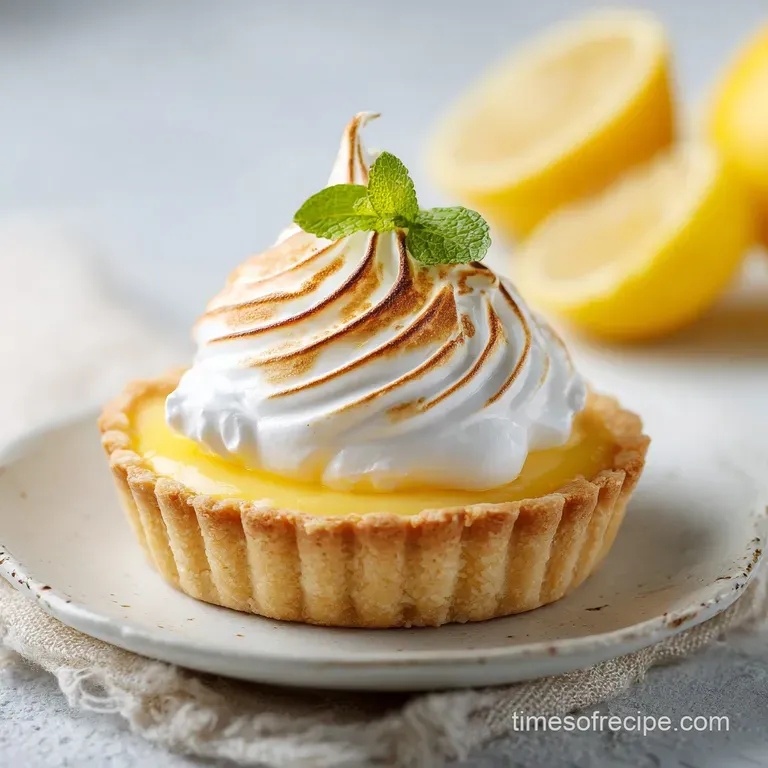
- Time: Active 30 minutes, Passive 25 minutes, Total 55 minutes
- Flavor/Texture Hook: Velvety lemon curd with a shattering pastry crust
- Perfect for: Elegant dinner parties or a stunning Sunday centerpiece
- Essential Recipe Specs and Key Timing
- Ingredient Deep Dive for Flavor Layers
- Professional Equipment for the Best Results
- Bringing the Layers Together with Precision
- Troubleshooting Common Texture and Moisture Issues
- Creative Flavor Variations and Modern Twists
- Adjusting the Recipe Volume
- Why Kitchen Myths Persist
- Effective Freezing and Fridge Reheating Guide
- Elegant Presentation Tips for Stunning Pies
- Recipe FAQs
- 📝 Recipe Card
Imagine the first time you slice into a fresh pie and the meringue doesn't slip, but instead offers a soft, marshmallowy resistance before hitting that bright yellow core. I remember my first attempt years ago; it was a literal puddle because I didn't understand the magic of starch.
Now, when I pull this out of the oven, the citrus aroma fills the kitchen like a sunbeam, and those toasted peaks look like miniature golden mountains.
We’ve all been there, staring at a "weepy" pie that’s shedding sugar tears on the plate. It’s frustrating, right? But once you nail the temperature of the filling when the whites go on, it’s a total transformation.
You're about to make a version that actually holds its shape and tastes like pure, concentrated sunshine without being cloyingly sweet.
It's all about the layers of flavor and the chemistry of the eggs. This isn't just a dessert; it's a bit of kitchen sorcery that turns simple staples into something truly elegant. Let's get into the nitty gritty of why this works so you can stop worrying about the "soggy bottom" and start enjoying the "shatter" of that perfect crust.
The Physics of the Rise
Protein Stretching: Beating egg whites creates a foam by uncurling proteins that trap air bubbles, while sugar stabilizes these walls to prevent collapse. The acid from cream of tartar reinforces these protein bonds, ensuring the peaks stay stiff and tall during the bake.
| Method | Time | Texture | Best For |
|---|---|---|---|
| Stovetop | 15 minutes | Silky and spreadable | Precise curd consistency |
| Oven Finish | 10 minutes | Set and toasted | Creating stable meringue peaks |
| Torch Finish | 2 minutes | Deeply charred | Modern, professional look |
The stovetop method allows you to watch the cornstarch hydrate in real time, ensuring you never end up with a runny center. If you’re looking for other ways to use your citrus skills, this zest heavy filling reminds me of the aromatic notes in my Turkish Cuisine Desserts recipe.
Essential Recipe Specs and Key Timing
To achieve that professional finish, you need to hit three specific numeric checkpoints. First, ensure your lemon filling reaches 175°F before you pull it off the stove; this is the sweet spot where the cornstarch is fully activated.
Second, the meringue should be spread over the filling while the curd is still at least 160°F to "anchor" the layers together. Finally, cool the finished pie at room temperature for exactly 2 hours before moving it to the fridge to prevent the crust from becoming tough.
Component Analysis
| Ingredient | Science Role | Pro Secret |
|---|---|---|
| Egg Yolks | Emulsifier | Use yolks from cold eggs for easier separation, then let them warm |
| Cornstarch | Thickening Agent | Whisk into cold sugar first to prevent any starchy lumps |
| Cream of Tartar | pH Stabilizer | Never skip this; it prevents the egg whites from over beating |
Ingredient Deep Dive for Flavor Layers
For the Shattering Crust
- 1.5 cups All purpose flour: Why this? Provides the structure needed for a crisp, flaky base.
- 0.5 cup Unsalted butter, chilled and cubed: Use frozen lard for half the butter for extra flakes.
- 0.5 tsp Fine sea salt: Enhances the buttery notes in the pastry.
- 4 tbsp Ice cold water: Keep it freezing to prevent the butter from melting.
For the Zesty Lemon Filling
- 1.5 cups Granulated sugar: Balances the intense acidity of the lemon.
- 0.33 cup Cornstarch: Why this? The primary thickener that gives the pie its "slice ability".
- 1.5 cups Water: Use filtered water to keep the lemon flavor bright and clean.
- 0.5 cup Freshly squeezed lemon juice: Bottled juice is too flat; fresh is non negotiable.
- 1 tbsp Lemon zest, finely grated: Adds the essential oils for a deeper aroma.
- 5 Large egg yolks: Adds richness and a velvety mouthfeel.
- 2 tbsp Unsalted butter: Whisk in at the end for a high gloss finish.
For the Stable Meringue
- 5 Large egg whites, room temperature: Why this? Room temp whites expand much better than cold ones.
- 0.5 tsp Cream of tartar: Keeps the foam from collapsing.
- 0.5 cup Granulated sugar: Adds structure and sweetness to the peaks.
- 0.5 tsp Vanilla extract: Softens the "eggy" scent of the whites.
| Original Ingredient | Substitute | Why It Works |
|---|---|---|
| Lemon Juice | Lime Juice | Same acidity level. Note: Creates a sharper, tropical profile. |
| Butter (in crust) | Shortening | Higher melting point. Note: Flakier but lacks the rich butter flavor. |
| Granulated Sugar | Superfine Sugar | Dissolves faster in meringue. Note: Reduces risk of graininess in peaks. |
Professional Equipment for the Best Results
You'll want a glass or ceramic 9 inch pie plate for even heat distribution. A heavy bottomed saucepan is vital for the filling to prevent the egg yolks from curdling on the bottom. For the meringue, a stand mixer such as a KitchenAid is a lifesaver, but a hand mixer works if you have the patience.
Chef's Tip: Use a metal or glass bowl for the egg whites. Plastic bowls often retain invisible fat residues that can prevent your meringue from ever reaching stiff peaks.
If you enjoy the process of making syrups and curds from scratch, you might find the technique similar to making a homemade Orgeat Syrup Recipe, where temperature control is everything.
Bringing the Layers Together with Precision
The Classic Crust Base
- Pulse ingredients. Combine 1.5 cups flour, 0.5 cup butter, and salt in a processor until it looks like coarse crumbs.
- Add water. Drizzle 4 tbsp ice water until the dough just barely holds together.
- Chill dough. Wrap and refrigerate for 30 minutes Note: This relaxes the gluten.
- Blind bake. Roll out, fit to a 9 inch pan, and bake at 400°F for 15 minutes until pale gold and set.
The High Gloss Filling
- Whisk thickeners. Mix 1.5 cups sugar, cornstarch, water, and lemon juice in a saucepan until no lumps remain.
- Boil mixture. Cook over medium heat, whisking constantly until thick and translucent.
- Temper yolks. Whisk a ladle of hot liquid into the 5 yolks, then pour back into the pan.
- Finish curd. Cook for 2 more minutes, then stir in 2 tbsp butter and zest until silky and glossy.
The Peak Form Meringue
- Whip whites. Beat 5 whites with cream of tartar until soft, floppy peaks form.
- Add sugar. Slowly rain in 0.5 cup sugar while beating until peaks stand straight and shine.
- Assemble and bake. Spread hot meringue over hot filling, sealing the edges, and bake at 350°F (180°C) for 10 minutes until tips are bronzed.
Troubleshooting Common Texture and Moisture Issues
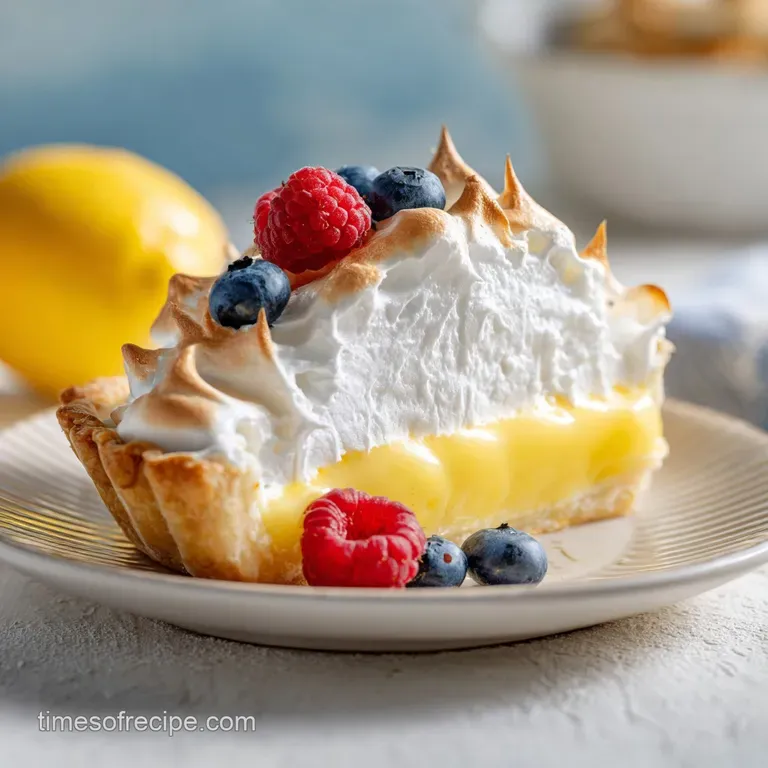
Preventing the Soggy Bottom
A soggy crust usually happens when the filling is poured into an underbaked shell. Always ensure the crust is fully "blind baked" before adding the lemon layer. If the crust looks wet after the first bake, give it another 5 minutes.
Fixing a Weepy Meringue
Weeping is caused by sugar not dissolving or the meringue being shocked by cold filling. Ensure you add the sugar one tablespoon at a time while whipping. Spreading the meringue on the filling while it is still piping hot helps cook the bottom of the meringue instantly.
Managing a Lumpy Filling
Lumps happen if the cornstarch isn't fully incorporated into the sugar before the liquid is added. If you see lumps forming, remove from heat and use an immersion blender or a fine mesh sieve to smooth it out immediately.
| Problem | Root Cause | Solution |
|---|---|---|
| Meringue Shrinking | Not sealed to crust | Spread meringue all the way to the pastry edges to "lock" it. |
| Runny Filling | Cornstarch not activated | Ensure the mixture boils for at least 1 minute after thickening. |
| Gritty Meringue | Sugar not dissolved | Use superfine sugar or beat longer at a medium speed. |
Common Mistakes Checklist
- ✓ Never use a plastic bowl for whipping egg whites (fat residue kills volume).
- ✓ Don't skip the "tempering" step for yolks or you'll end up with scrambled eggs.
- ✓ Avoid making this pie on a very humid day, as the meringue will absorb moisture.
- ✓ Always seal the meringue to the very edge of the crust to prevent pulling.
- ✓ Let the pie cool completely at room temperature before refrigerating.
Creative Flavor Variations and Modern Twists
The Meyer Lemon Twist
If you can find Meyer lemons, use them! They are sweeter and more floral. Reduce the filling sugar by 2 tablespoons to compensate for their natural sweetness. This creates an incredibly elegant dessert that feels a bit more "boutique" than the standard diner version.
The Graham Cracker Shortcut
If you’re in a rush, a graham cracker crust is a delicious alternative. It adds a honey like sweetness that pairs beautifully with the tart lemon. Just make sure to press the crumbs very firmly into the pan so they don't migrate into the curd. For a similar sweet and crunchy vibe, check out my Blueberry French Toast recipe.
- If you want a Mile High look, use 7 egg whites instead of 5 for a massive dome.
- If you want more tang, add a teaspoon of citric acid to the filling.
- If you want a stable foam, use "Meringue Powder" as a backup stabilizer.
Adjusting the Recipe Volume
Scaling Down
To make a 6 inch mini pie, halve all ingredients. Use 3 small egg yolks and 3 small whites. Reduce the bake time for the crust by 5 minutes and keep a close eye on the filling as it will thicken much faster in a small pan.
Scaling Up
For two 9 inch pies, double everything. However, whisk the fillings in two separate batches. It is very difficult to get the cornstarch to hydrate evenly in a double sized pot without it burning on the bottom.
For the meringue, spices like ginger or cardamom should only be increased to 1.5x to avoid overpowering the lemon.
Why Kitchen Myths Persist
Many people believe that cold egg whites whip better, but that's actually a myth. While cold eggs are easier to separate, room temperature whites have less surface tension, meaning they can expand much further and create a loftier, more velvety meringue. Another myth is that you must use a copper bowl.
While copper does help stabilize the proteins, cream of tartar in a glass bowl achieves the exact same result for a fraction of the cost.
Effective Freezing and Fridge Reheating Guide
Storage: This pie is best eaten the day it's made. However, you can keep it in the fridge for up to 2 days. Be aware that the meringue will eventually start to "bead" (small sugar droplets forming on top) due to the moisture in the refrigerator.
Freezing: I do not recommend freezing a fully assembled lemon meringue pie. The curd becomes grainy when thawed, and the meringue will collapse into a rubbery mess. You can, however, freeze the blind baked crust for up to 3 months.
Zero Waste: Don't throw away those lemon peels! After zesting, you can toss the remaining rinds into a jar of white vinegar for a natural kitchen cleaner, or candy them in sugar syrup for a beautiful garnish on your next cake.
Elegant Presentation Tips for Stunning Pies
The Spoon Swirl Technique
Instead of just smoothing the top, use the back of a large spoon to create deep "craters" and high ridges. When you bake it, the ridges will catch the heat and turn dark brown while the valleys stay white, creating a gorgeous marbleized effect.
Fresh Garnish
Just before serving, grate a tiny bit of fresh lime zest over the top of the meringue. The green flecks look stunning against the golden peaks. If you’re feeling fancy, a few edible violas or pansies tucked around the edge of the plate can make this look like it came straight from a high end bakery. For another sophisticated treat, you might enjoy the velvety texture of a Pistachio Martini recipe alongside your slice.

Recipe FAQs
What are common lemon meringue pie mistakes?
The most common mistakes are weeping meringue and a soggy bottom crust. Weeping occurs when the sugar doesn't fully dissolve or the meringue isn't sealed properly to the hot filling. A soggy bottom results from pouring the liquid filling into an underbaked crust shell.
What was Bill Clinton's favorite pie?
Yes, cherry pie was famously his favorite. While lemon meringue is a classic, Clinton often requested cherry pie during his presidency. This is a great example of how a sharp, flavorful fruit dessert can be elevated; if you enjoy sharp fruit flavors, you might find the technique of balancing acidity here useful for mastering our Chicken Bryan recipe.
What are the three rules for making a successful meringue?
Use room temperature whites, ensure the bowl is completely grease free, and add sugar very slowly. Room temperature whites reach greater volume, clean bowls prevent deflation, and slow sugar incorporation stabilizes the protein structure so the foam holds its shape.
Is cream of tartar or cornstarch better for meringue?
Cream of tartar is essential for the meringue structure; cornstarch is for the filling. Cream of tartar stabilizes the egg white foam by reinforcing protein bonds, preventing shrinkage. Cornstarch, conversely, is the main thickening agent in the lemon curd to ensure it sets properly.
How to prevent the meringue from shrinking after baking?
Seal the meringue completely to the crust edge while spreading. Ensure the hot lemon filling anchors the bottom layer of the meringue; then, bake until the peaks are just set and slightly bronzed.
Can I use bottled lemon juice instead of fresh for the curd?
No, using bottled juice results in a flat, dull flavor. Freshly squeezed juice provides the necessary essential oils from the zest and a brighter, more authentic tartness that defines this pie. If you want to practice high flavor intensity in a quick manner, see how similar principles apply when creating the frosting for our Royal Icing Recipe.
What temperature should the lemon filling be when the meringue is added?
The filling must still be hot, ideally between 160°F and 175°F. Adding the meringue to a hot base helps to instantly cook the bottom layer of the egg whites, creating a thermal bond that prevents separation during cooling.
Classic Lemon Meringue Pie
Ingredients:
Instructions:
Nutrition Facts:
| Calories | 475 kcal |
|---|---|
| Protein | 6.4 g |
| Fat | 17.6 g |
| Carbs | 73.2 g |
| Fiber | 0.6 g |
| Sugar | 50.1 g |
| Sodium | 155 mg |
