Crab Shrimp Bisque: Silky and Creamy
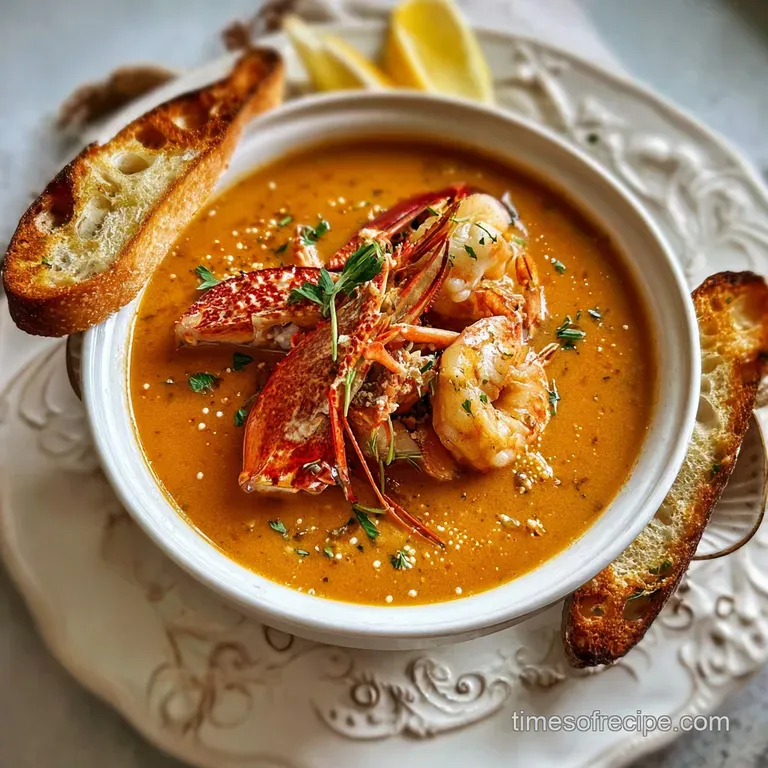
- Time: Active 15 minutes, Passive 30 minutes, Total 45 minutes
- Flavor/Texture Hook: Silky, cream based broth with chunks of tender seafood
- Perfect for: Cold weekend nights or a hearty family gathering
- Master This Hearty Crab Shrimp Bisque
- The Science of Shell Infusion
- Practical Recipe Specs and Metrics
- Deep Dive into Component Roles
- Choosing Ingredients and Smart Substitutes
- Essential Tools for Silky Results
- How to Cook This Bisque
- Fixing Common Texture and Flavor Issues
- Scaling and Creative Flavor Twists
- Guidelines for Storage and Reheating
- Best Ways to Garnish Bowls
- HIGH in Sodium
- Recipe FAQs
- 📝 Recipe Card
Master This Hearty Crab Shrimp Bisque
The sound of the raw shrimp shells hitting the hot butter in my heavy pot is a specific kind of magic. It starts as a high pitched sizzle, and within seconds, that sharp, briny aroma fills the kitchen, signaling that we’re building something far more complex than just a soup.
I used to make the mistake of tossing those shells right into the bin, thinking they were just waste. But honestly, once I learned that the secret to a deep, soulful bisque lives in those discarded bits, my cooking changed forever.
We’ve all had those thin, watery soups that claim to be bisques but taste like little more than warm milk and sadness. This version is the opposite. It’s thick enough to coat the back of a spoon, rich enough to feel like a full meal, and carries a bold, oceanic depth that balances the sweetness of the lump crab meat.
We’re going for a texture so velvety it feels like a luxury, but with a hearty, comforting soul that makes you want to scrape the bowl clean with a piece of crusty sourdough.
In this guide, I’m showing you how to balance that rich, heavy cream base with the bright acidity of dry sherry and the smoky kick of Old Bay seasoning. We’ll look at why we grate the carrots instead of chopping them and how to ensure your cream never breaks, even when the heat gets high.
It’s about creating a contrast between the silky broth and the meaty texture of the shrimp and crab.
The Science of Shell Infusion
Chitin Extraction: Sautéing shrimp shells in butter triggers a chemical reaction that releases fat soluble flavor compounds and carotenoids into the fat.
Starch Gelatinization: The flour in our roux absorbs the seafood stock and expands, creating a stable network that prevents the fat from separating.
Extracting Maximum Shell Flavor
When you heat the shells of crustaceans, you aren't just making "shrimp water." You are literally pulling oils out of the shell that carry the most concentrated seafood flavor possible.
If you skip the sauté and go straight to boiling, you lose the Maillard reaction that browning process that adds a nutty, savory layer to the background of your Crab Shrimp Bisque.
| Thickness | Internal Temp | Rest Time | Visual Cue |
|---|---|---|---|
| Large Shrimp | 145°F | 2 mins | Opaque and pink |
| Jumbo Shrimp | 145°F | 3 mins | C shape curl |
| Lump Crab | 165°F (Pre cooked) | N/A | Flaky and white |
While most people focus on the meat, the real work happens in the first ten minutes of this recipe. The butter turns a gorgeous orange gold color as it absorbs the essence of the shrimp shells. This liquid gold becomes the base for our roux, ensuring every single drop of the final soup tastes like the ocean.
Practical Recipe Specs and Metrics
Cooking this dish is a lesson in patience and layering. You want to make sure your 1 lb of raw shrimp is peeled carefully so you don't lose any of that precious shell material. The 8 oz of lump crab should be drained well; you don't want the canning liquid thinning out your carefully crafted base.
The flavor map here is a journey from the smoky warmth of the 1 tsp of Old Bay to the bright, vegetal sweetness of a diced leek. Much like the base used in our Bun Rieu recipe, the goal is to extract every bit of umami from the seafood before introducing the dairy. The contrast between the savory leek and the sweet seafood creates a profile that is satisfying without being overly heavy.
Deep Dive into Component Roles
Understanding why we use specific ingredients helps you become a better cook. For instance, the leek offers a much softer, more sophisticated sweetness than a standard yellow onion, which can sometimes overpower the delicate crab.
| Ingredient | Science Role | Pro Secret |
|---|---|---|
| Dry Sherry | Solvent | Releases alcohol soluble flavors in the tomato paste |
| Tomato Paste | Umami Booster | Adds color and a deep savory "bass note" |
| Half and Half | Emulsifier | Provides enough fat to stabilize without being cloying |
The 1/2 cup of dry sherry is non negotiable for me. It provides an acidic "zip" that cuts right through the richness of the 2 tbsp of butter and the cream. Without it, the bisque feels flat and one dimensional.
The alcohol burns off during the simmer, leaving behind a nutty, complex aroma that ties the seafood and the cream together.
Choosing Ingredients and Smart Substitutes
I always suggest buying the best seafood you can afford, but I know that lump crab can be a budget breaker. If you're looking for a similar vibe with a different seafood profile, you might enjoy the techniques found in our Crab Dip Recipe. For this bisque, we want ingredients that hold their shape.
- 1 lb raw shrimp (shell on): Why this? The shells provide the entire flavor foundation for the broth.
- 8 oz lump crab meat: Why this? Offers huge, meaty chunks that feel satisfying to eat.
- 1/2 cup dry sherry: Why this? The acidity balances the heavy fats of the cream and butter.
- 1 large leek: Why this? Provides a mild, buttery onion flavor that won't mask the crab.
- 1 cup half and half: Why this? Lighter than heavy cream but richer than whole milk.
| Original Ingredient | Substitute | Why It Works |
|---|---|---|
| Dry Sherry (1/2 cup) | Dry White Wine + Lemon | Provides necessary acidity. Note: Lacks the nutty depth of sherry |
| Lump Crab (8 oz) | Claw Meat | More affordable. Note: Smaller pieces and slightly stronger "fishy" taste |
| Half and Half (1 cup) | Heavy Cream + Milk | Mimics the fat content perfectly for a velvety finish |
Using the right fat to acid ratio is what keeps this soup from feeling greasy. If you find the half and half is too rich, you can go with whole milk, but you'll lose that signature silky mouthfeel that makes a Crab Shrimp Bisque so iconic.
Essential Tools for Silky Results
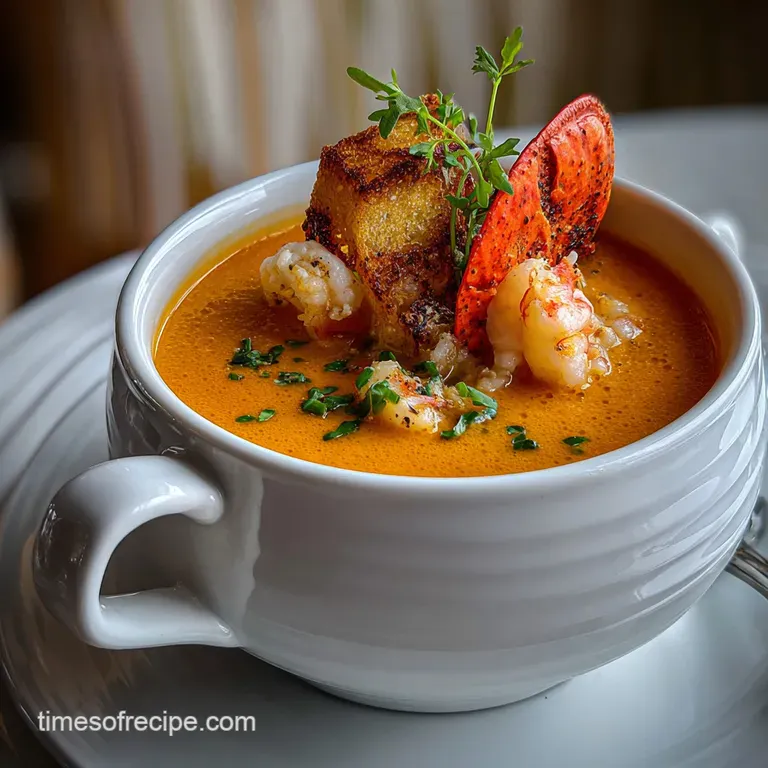
To get that restaurant style texture, you need a few specific tools. A heavy bottomed Dutch oven (like a Le Creuset) is my favorite because it holds heat evenly, which is vital when you're making a roux with 3 tbsp of flour.
You also need a fine mesh strainer. After we've squeezed every bit of flavor out of those shrimp shells and thyme sprigs, we need to get rid of the solids. Nothing ruins a velvety soup faster than a stray bit of shell or a woody thyme stem.
Finally,, an immersion blender is a total time saver for pureeing the carrot and leek base into a smooth consistency before you add the seafood back in.
How to Cook This Bisque
Phase 1: Shell Infusion
Melt 2 tbsp unsalted butter in a large pot over medium heat. Add the shrimp shells and 1 sprig of fresh thyme. Sauté for 5 minutes until the shells are bright pink and the butter is fragrant. Remove the shells and thyme with a slotted spoon and discard.
Phase 2: The Base
Add the diced leek and grated carrot to the infused butter. Sauté for 6 minutes until the vegetables are soft and translucent. Add 2 cloves of minced garlic and 2 tbsp tomato paste, cooking for another 2 minutes until the paste turns a deep brick red.
Phase 3: The Roux
Sprinkle 3 tbsp all purpose flour over the vegetables. Stir constantly for 2 minutes to cook out the raw flour taste. Note: This prevents the soup from tasting like paste later.
Phase 4: Deglazing
Slowly pour in 1/2 cup dry sherry while scraping the bottom of the pot. Cook for 2 minutes until the liquid has mostly evaporated and the mixture is thick.
Phase 5: The Simmer
Whisk in 4 cups seafood stock and 1 tsp Old Bay seasoning. Bring to a boil, then reduce heat and simmer for 15 minutes. Use an immersion blender to puree the base until completely smooth and velvety.
Phase 6: Finishing Touches
Stir in 1 cup half and half and 1/2 tsp salt. Add the raw shrimp meat and 8 oz lump crab. Simmer for 3-5 minutes until the shrimp are opaque and curled.
Chef's Tip: Freeze your butter for 10 minutes before grating it if you're doubling the recipe; it helps the roux incorporate much faster without clumping.
Fixing Common Texture and Flavor Issues
One of the biggest heartbreaks is a "broken" bisque where the fat separates from the liquid. This usually happens if the soup boils too vigorously after the dairy is added. Keep it at a gentle simmer never a rolling boil once that half and half is in the pot.
Fixing a Broken Sauce
If you see little oily droplets on the surface, your emulsion has broken. You can often fix this by whisking in a splash of cold cream or taking a small amount of the liquid and blending it at high speed before stirring it back in.
| Problem | Root Cause | Solution |
|---|---|---|
| Grainy Texture | Flour didn't cook long enough | Simmer for 5 extra minutes before pureeing |
| Thin Consistency | Too much stock added | Simmer uncovered to reduce or add a cornstarch slurry |
| Bitter Aftertaste | Garlic or tomato paste burnt | Balance with a pinch of sugar or extra cream |
Common Mistakes Checklist
- ✓ Don't skip the shell sauté; it's where 70% of the flavor lives.
- ✓ Strain the broth through a fine mesh sieve if you don't have a high power blender.
- ✓ Add the crab at the very last second to prevent the delicate lumps from breaking apart.
- ✓ Use dry sherry, not "cooking sherry," which is loaded with excess salt.
Scaling and Creative Flavor Twists
If you're cooking for a crowd, this Crab Shrimp Bisque scales up beautifully. Just remember that when doubling the recipe, you only need to increase the spices like Old Bay to about 1.5x the original amount, otherwise, the salt can become overwhelming.
dairy-free Customization
If you need to avoid dairy, swap the butter for olive oil and the half and half for full fat coconut milk. Note: This will add a slight tropical nuttiness to the dish, but it still feels incredibly rich and satisfying.
For an Ultra Luxe Version
If you want to pull out all the stops, replace 1 cup of the seafood stock with clam juice. This adds a "briny" punch that makes the soup taste like it came straight off a fishing boat in Maine.
Guidelines for Storage and Reheating
Bisque is actually one of those dishes that tastes even better the next day because the flavors have time to meld. However, seafood is delicate, so you have to be careful with the timeline.
- Fridge: Store in an airtight container for up to 2 days. The fats might solidify, but they will melt back down upon heating.
- Freezer: I don't recommend freezing this specific recipe because the half and half tends to separate and become grainy when thawed. If you must freeze it, do so before adding the cream and seafood.
- Reheating: Always reheat on the stovetop over low heat. If you microwave it, the shrimp will turn rubbery and the cream might break.
- Zero Waste: Save your extra shrimp shells in a freezer bag. They make a fantastic base for a quick seafood stock later in the month.
Best Ways to Garnish Bowls
Presentation is everything with a dish this rich. A bowl of brown orange soup can look a bit dull, so we need to add some visual "pop." I always save a few of the best looking shrimp to place right on top of the pile of crab meat in the center of the bowl.
A "Sherry Float" adding a tiny teaspoon of fresh sherry right before serving is a trick I learned from an old coastal chef. It provides a hit of raw acidity that wakes up all the heavy fats. Finish with a sprinkle of fresh chives or a dash of extra Old Bay for color.
Serve it with a heavy, thick crusted bread that can stand up to the weight of the broth. You want something that can soak up every last drop of that Crab Shrimp Bisque without falling apart.

HIGH in Sodium
845 mg mg of sodium per serving (37% % of daily value)
The American Heart Association recommends limiting sodium intake to about 2,300mg per day.
Sodium Reduction Tips for Your Shrimp Bisque
-
Broth Swap-30%
Ensure you are using unsalted or homemade seafood stock. Many store-bought versions are very high in sodium. Making your own from the reserved shrimp shells can drastically reduce sodium.
-
Salt Reduction-25%
Reduce the added salt by at least half, or eliminate it altogether. Taste as you cook to adjust seasoning. Remember that Old Bay seasoning also contains salt.
-
Crab Selection-20%
Ensure the crab meat is fresh and not pre-seasoned, as some prepared crab meat can have high sodium content. Check the label carefully.
-
Spice it Up!
Experiment with sodium free herbs and spices to enhance the flavor profile without adding sodium. Smoked paprika, white pepper, or a pinch of cayenne can add depth.
-
Herb Power
Use a variety of fresh herbs, such as dill, parsley, and chives, to boost the flavor of your bisque naturally without adding any salt.
Recipe FAQs
What is the key to a flavorful Crab Shrimp Bisque?
Sautéing the shrimp shells first. This step is crucial for extracting maximum flavor and color from the shells, creating a deep, briny foundation for the bisque.
Can I substitute heavy cream for half and half?
Yes, but be mindful of richness. Heavy cream will make the bisque even richer and silkier, but using too much can make it cloying. You can also thin it slightly with milk if needed.
Why does my bisque taste flat?
You likely need more acidity or seasoning. A splash of dry sherry or a squeeze of lemon juice can brighten the flavors, and ensure you've seasoned generously with salt and Old Bay seasoning.
How do I prevent the bisque from breaking after adding cream?
Simmer gently, never boil, after adding dairy. High heat can cause the fats in the cream to separate from the liquid, leading to a broken emulsion. Keep it at a low, gentle simmer.
Can I make Crab Shrimp Bisque dairy-free?
Yes, with substitutions. Swap butter for olive oil and use full fat coconut milk or a dairy-free creamer in place of half and half. This will alter the flavor profile slightly.
What is the best way to reheat Crab Shrimp Bisque?
On the stovetop over low heat. Microwaving can cause the shrimp to become rubbery and the cream to separate. Gentle stovetop reheating preserves texture and flavor best.
How long can I store leftover Crab Shrimp Bisque?
Up to 2 days in the refrigerator. Bisque is best consumed fresh, but leftovers can be stored in an airtight container. Avoid freezing if possible, as the cream may separate upon thawing.
Crab Shrimp Bisque

Ingredients:
Instructions:
Nutrition Facts:
| Calories | 305 kcal |
|---|---|
| Protein | 24.5 g |
| Fat | 11.2 g |
| Carbs | 16.8 g |
| Fiber | 1.8 g |
| Sugar | 4.6 g |
| Sodium | 845 mg |
