Garlic Lemon Butter Shrimp with Pan-Seared Finish

- Total40 Mins
- Servings4
- Calories253 kcal
- Prep & Cook: 10 min active + 15–20 min thaw + 10 min cook
- Taste & Texture: Zesty, buttery, and snappy
- Ideal for: Simple weeknight meals
Quick Garlic Lemon Butter Shrimp
Forget the idea that searing "seals in juices." That's a common myth. Searing is actually about flavor, creating those brown, savory bits in the pan that make the sauce taste deep and rich.
You can make this garlic lemon butter shrimp in a single pan without any fuss. It's all about the timing so you don't end up with rubbery seafood.
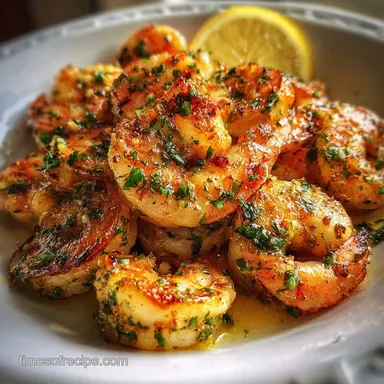
The result is a hearty, satisfying plate where the lemon cuts through the butter, leaving a bright finish that makes the whole dish pop.
Recipe Specs
This meal is designed for speed. Since shrimp cook so fast, you need everything prepped and ready before the heat goes on.
A 12-inch skillet is your best friend here. If the pan is too small, the shrimp crowd each other and steam instead of searing.
What These Ingredients Do
- 1 lb large shrimp, peeled and deveined
- 1 tbsp olive oil
- 1/2 tsp kosher salt
- 1/4 tsp cracked black pepper
- 4 tbsp unsalted butter, cubed
- 4 cloves garlic, finely minced
- 1/4 cup vegetable broth
- 1 tbsp fresh lemon juice
- 1 tbsp fresh parsley, chopped
- 1/4 tsp red pepper flakes
The key to this dish is the interplay between fat and acid. The butter creates a luxurious foundation, while the lemon juice ensures the flavor remains bright and balanced.
| Ingredient | Role | If You Don't Have It |
|---|---|---|
| Unsalted Butter | Adds richness and body | Salted butter (reduce the added salt) |
| Lemon Juice | Provides brightness and acidity | Lime juice (similar, but use a smaller amount) |
| Vegetable Broth | Adds depth and moisture | Water with a pinch of salt |
| Garlic | Bold, aromatic flavor | Garlic powder (roughly 1 tsp) |
Necessary Gear
You'll want a 12-inch stainless steel or cast-iron skillet. These hold heat better than non-stick, which helps you get that rich brown sear on the shrimp.
A pair of tongs is a must for flipping the shrimp quickly, and a fine grater or knife for the garlic.
The Cooking Process
Preparing the Shrimp
Thaw the frozen shrimp in cold water for 15–20 minutes, then pat them thoroughly dry using paper towels. Note: Dry shrimp sear better. In a small bowl, toss the shrimp with 1/4 tsp cracked black pepper and 1/2 tsp kosher salt.

Searing the Shrimp
Set a 12-inch stainless steel or cast-iron pan over medium-high heat and add 1 tbsp olive oil, warming until it shimmers. Arrange the shrimp in a single layer. Cook for 2 minutes without moving them until they develop a golden-brown crust.
Flip the shrimp and cook for an additional 1–2 minutes until they are opaque, form a 'C' shape, and reach 145°F (63°C). Immediately move the shrimp to a plate.

Crafting the Sauce
Turn the heat down to medium and add 4 tbsp cubed butter. Once it melts and foams, stir in 4 cloves minced garlic and 1/4 tsp red pepper flakes. Sauté for 30–60 seconds until fragrant but not brown. Add 1/4 cup vegetable broth with lemon juice and 1 tbsp fresh lemon juice.
Simmer for 2 minutes to reduce slightly.
Finishing the Dish
Place the seared shrimp back in the pan and toss gently for 30 seconds to coat them in the sauce. Remove from heat and stir in 1 tbsp chopped fresh parsley.

If Something Goes Wrong
The biggest risk is overcooking the shrimp. They go from tender to rubbery in seconds. If they curl into a tight "O" shape, they've stayed in the heat too long.
If your sauce is too thin, simmer it for an extra minute before adding the shrimp back. If it's too thick, a splash more broth will loosen it up.
Fixing Rubbery Texture
Shrimp are delicate. The carry-over heat finishes the cooking once they hit the plate.
Handling Burnt Garlic
Garlic burns quickly at high heat. Always lower the temperature before adding the butter and garlic.
| Problem | Fix |
|---|---|
| Rubbery shrimp | Remove from heat as soon as they hit a "C" shape |
| Bitter sauce | Ensure garlic doesn't brown; start with fresh butter |
| Watery sauce | Simmer the broth and lemon juice longer to reduce |
Swaps and Variations
You can tweak this garlic lemon butter shrimp to fit what's in your pantry. Using a different fat or adding a pinch of sugar can shift the profile slightly.
| Original Ingredient | Substitute | Why It Works |
|---|---|---|
| Unsalted Butter | Ghee | Similar flavor, higher smoke point |
| Vegetable Broth | Chicken Stock | Adds a saltier, more savory depth |
| Fresh Parsley | Fresh Cilantro | Gives it a brighter, slightly herbal twist |
Chef: For a deeper flavor, use a microplane to grate your garlic. It creates a paste that blends into the butter more smoothly.
Storing Your Leftovers
Store any leftover shrimp in a sealed tub in the refrigerator for 3 to 4 days, as per the USDA guide on leftovers.
To reheat, use a skillet over low heat with a small knob of butter. Heat only until warmed through. For safety, ensure leftovers reach 165°F (74°C). Avoid the microwave, as it often makes shrimp tough.
When reheating cooked leftovers, check with a food thermometer that the center reaches 165°F (74°C); the appliance temperature and time alone do not confirm this.
Best Side Dish Pairs

This dish is great over a bed of fluffy white rice or tossed with linguine for a classic scampi style. I like serving it with a crusty baguette to soak up every drop of the buttery sauce.
If you love this bold garlic profile, you might also like my Escargot Garlic Sauce for other appetizers.
Why the Steps Matter
The Pat-Dry Technique: Patting the shrimp dry prevents them from steaming, ensuring a proper sear. Excess moisture lowers the pan's temperature, which hinders browning.
Two-Step Cooking: Taking the shrimp out before preparing the sauce prevents overcooking. This preserves their snappy texture while the sauce reduces.
Single-Layer Searing: A large skillet prevents overcrowding. Spreading the shrimp out ensures they hit the hot oil directly for a uniform crust.
Common Questions
Do you put lemon juice on shrimp before or after cooking?
Add it after searing the shrimp to prevent the acid from toughening the meat.
Tip: add the fresh lemon juice to the simmering sauce before returning the shrimp.
How to make lemon butter and garlic sauce?
Melt butter over medium heat, sauté minced garlic and red pepper flakes, then simmer with vegetable broth and lemon juice.
Tip: keep the heat at medium to avoid browning the garlic.
What is the recipe for a garlic lemon shrimp marinade?
This recipe uses a pan-sauce technique instead of a marinade.
Tip: pat the shrimp thoroughly dry before seasoning to achieve a better sear.
Can frozen (already cooked) shrimp be used, and how should it be added?
Yes, but add them only during the final tossing step to prevent overcooking.
Tip: thaw and pat them dry first to avoid watering down the butter sauce.
How do you keep the shrimp from overcooking while the sauce finishes?
Remove the seared shrimp from the skillet and set them on a plate while you simmer the sauce.
Tip: return them to the pan only for the final 30 seconds of coating.
What do you do when the sauce gets too thick or does not thicken?
Stir in a small amount of vegetable broth to thin it or simmer longer to reduce.
Tip: use a wider skillet to help the liquid reduce more efficiently.
What if the sauce tastes too lemony or bland?
Balance excess acidity with a pinch of salt or add a bit more vegetable broth for a milder taste.
Tip: taste the sauce before returning the shrimp to the pan.
Does it matter whether the shrimp have tails on, and how should they be prepared?
Tails may be left on for presentation or removed for easier eating.
Tip: ensure they are peeled and deveined before cooking.
Garlic Lemon Butter Shrimp
Ingredients:
Instructions:
Try These Next

Escargot Garlic Sauce
Finely minced shallots and parsley create a rich, buttery base.

Lemon Pepper Seasoning Recipe - Homemade & Best
Discover the best lemon pepper seasoning recipe for chicken, fish, and more.

Homemade Apple Bread with Shredded Apple: Oven-Only
Make Homemade Apple Bread with Shredded Apple using our step-by-step guide.
