Rich and Buttery Creamy Garlic Shrimp with Rice
- Time: Active 10 minutes, Passive 20 minutes, Total 30 minutes
- Flavor/Texture Hook: Silky butter garlic sauce with snappy, pan seared shrimp
- Perfect for: A hearty family weeknight dinner or impressive weekend comfort meal
- Rich and Buttery Creamy Garlic Shrimp with Rice Full of Flavor
- Why This Flavor Layering Works
- Component Analysis for Deep Flavor
- Essential Elements for a Satisfying Meal
- Tools for a Perfect Meal
- Step-by-Step Flavor Layering Guide
- Fixing Common Cooking Stumbles
- Adjusting Portions and Scaling
- Debunking Kitchen Butter Myths
- Storage and Zero Waste Tips
- Best Sides for This Dish
- Very High in Sodium
- Recipe FAQs
- 📝 Recipe Card
Have you ever walked into a kitchen and the smell of garlic hitting bubbling butter just stopped you in your tracks? Last Tuesday, I was exhausted, but as soon as those 6 cloves of minced garlic hit the skillet, the whole mood shifted.
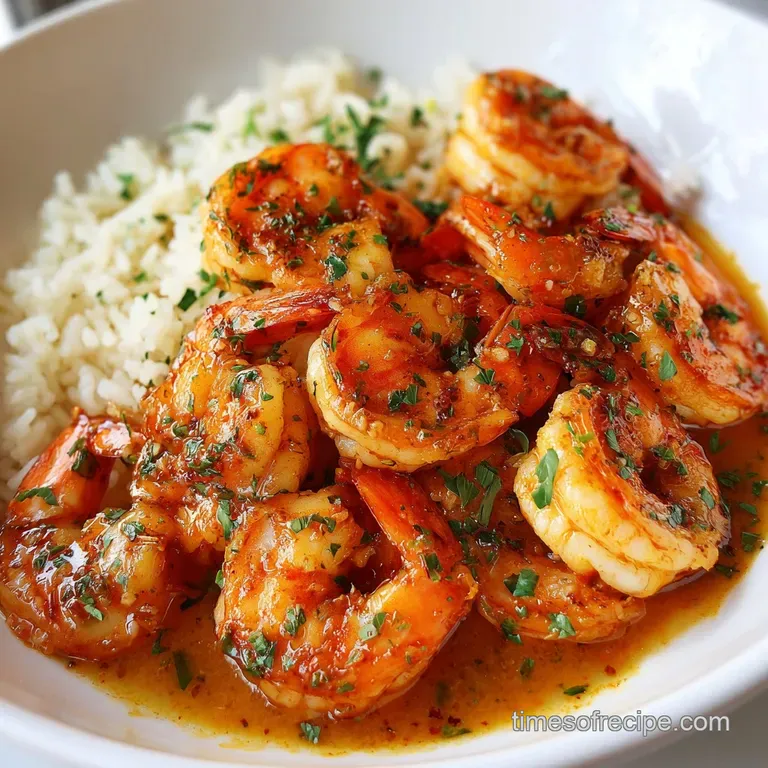
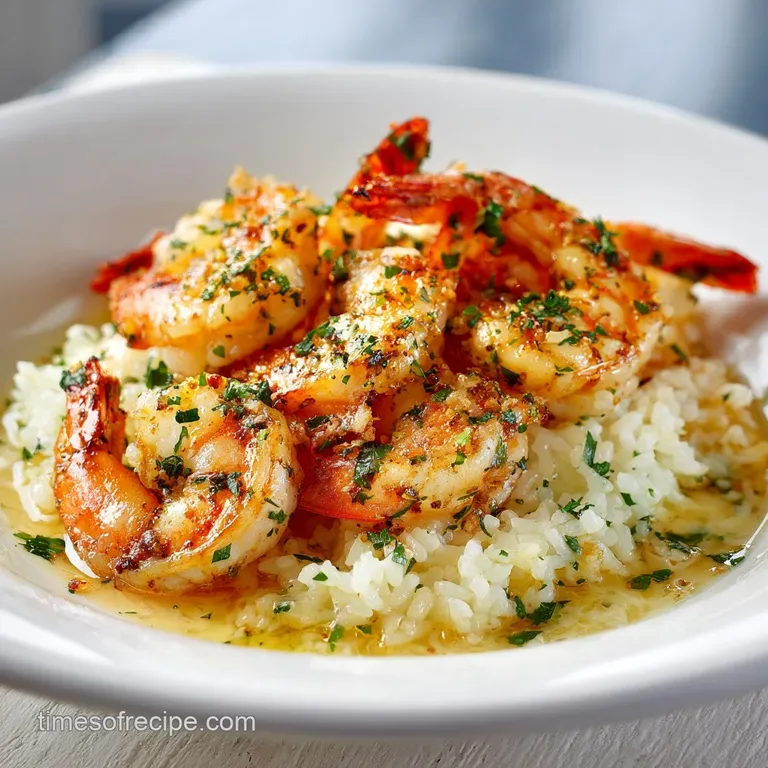
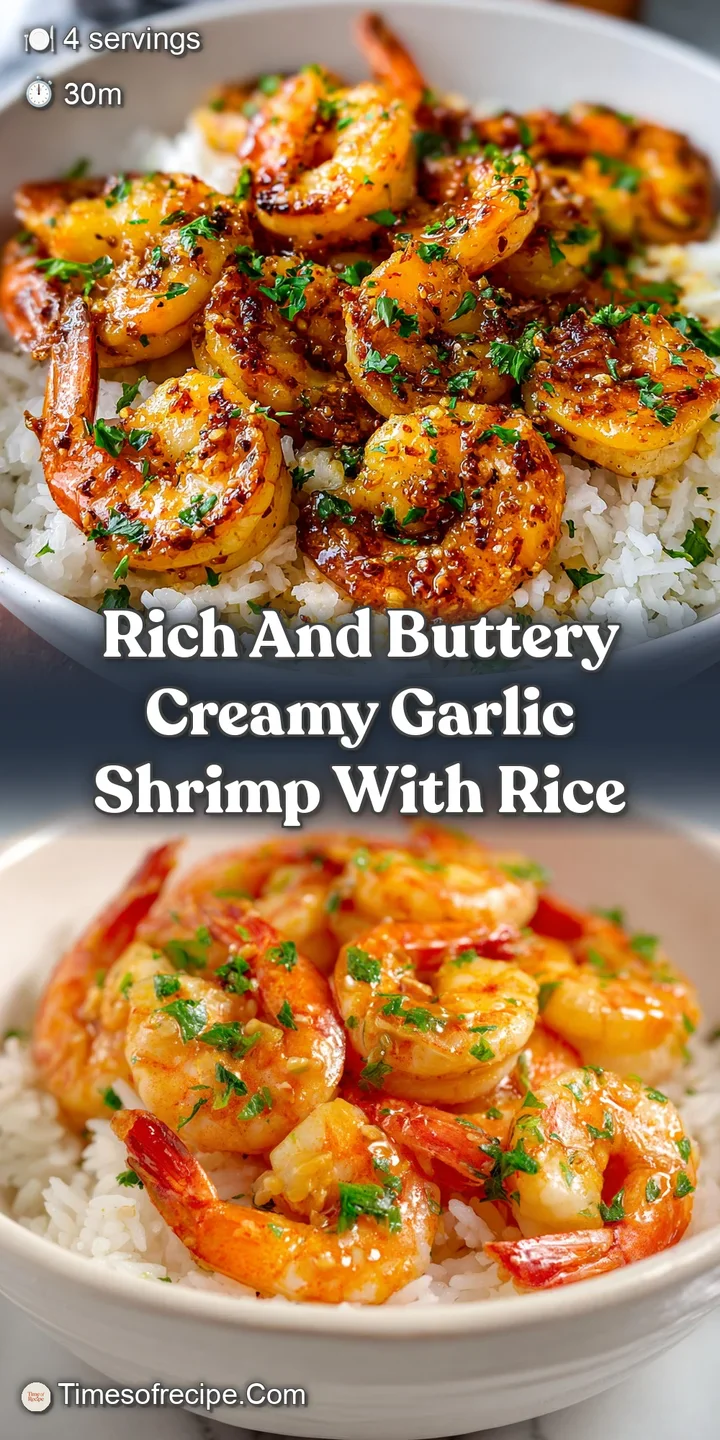
This recipe delivers rich and buttery creamy garlic shrimp with rice full of flavor for a satisfying meal. It is the kind of dish that makes you want to scrape the bottom of the pan with a piece of crusty bread just to get every last drop of that velvety sauce.
I used to think that "creamy" just meant dumping a carton of heavy cream into a pan and hoping for the best. I was wrong. I ended up with a greasy mess more times than I care to admit.
But after a few experiments with bone broth and cold butter emulsification, I figured out how to get that bold, restaurant style finish at home. We are talking about layers of flavor that start with the rice and end with a bright splash of lemon juice to cut through all that wonderful fat.
Rich and Buttery Creamy Garlic Shrimp with Rice Full of Flavor
Success with this dish comes down to timing and temperature control. We are using 1.5 lbs of large shrimp, and if you overcook them by even 30 seconds, they turn from snappy and juicy to rubbery erasers. It's a tragedy I've lived through so you don't have to.
The secret is searing the shrimp fast and hot, then pulling them out while you build the sauce. They’ll finish cooking in the residual heat of the heavy cream, staying plump and tender.
The Physics of the Velvety Emulsion
Fat Stabilization: By whisking cold butter into the warm heavy cream and Parmesan, we create a stable emulsion where fat droplets are suspended in liquid. This prevents the sauce from breaking or looking oily on the plate.
| Premium Ingredient | Budget Alternative | Flavor Impact | Savings |
|---|---|---|---|
| Large 16-20 Shrimp | Frozen Medium Shrimp | Smaller bites, slightly less "snap" | Save $5-7 |
| Chicken Bone Broth | Bouillon Cube + Water | Less body/protein, higher salt | Save $3 |
| Fresh Parmesan | Pre shredded Parm | Grittier texture due to cellulose | Save $2 |
The rice isn't just a sidekick here; it's the foundation. We are simmering 1.5 cups of long grain white rice in 3 cups of chicken bone broth with smashed garlic. This infuses every single grain with a savory depth that water just can't touch.
If you have ever felt like your rice was "boring," this bone broth trick will change your life. It turns a simple starch into a hearty, stand alone component of the meal.
Why This Flavor Layering Works
- Aromatic Infusion: Sashing three garlic cloves into the rice water releases essential oils that permeate the grains as they swell.
- Maillard Reaction: Searing the shrimp in 2 tbsp of butter creates those golden brown bits (fond) on the bottom of the pan which form the base of our sauce.
- Acidity Balance: The 1 tbsp of fresh lemon juice added at the very end acts as a chemical "brightener," lifting the heavy fats of the 1 cup of cream.
- Starch Suspension: The rice releases a tiny amount of starch into the sauce as they are tossed together, acting as a natural thickener for a silk like finish.
Building flavor is like building a house; you need a solid foundation before you put up the curtains. Similar to the technique used in our Butter Chicken with recipe, we focus on the fat to acid ratio to ensure the meal feels indulgent but never heavy.
Component Analysis for Deep Flavor
| Ingredient | Science Role | Pro Secret |
|---|---|---|
| Unsalted Butter | Fat Carrier | Use divided portions to sear and then emulsify at the end. |
| Heavy Cream | Emulsifier | Never boil vigorously; a gentle simmer prevents the proteins from curdling. |
| Garlic (9 cloves) | Aromatic Base | Smashed cloves for rice offer subtle sweetness; minced for shrimp give sharp pungency. |
| Large Shrimp | Protein Structure | Keep tails on during cooking to extract extra "shrimp butter" flavor from the shells. |
Chef's Tip: To get a professional sear on your shrimp, pat them bone dry with paper towels before they hit the pan. Moisture is the enemy of the crust. If they are wet, they will steam instead of sizzle, and you'll miss out on that beautiful golden color.
Essential Elements for a Satisfying Meal
To get this recipe exactly right, stick to these specific quantities. Each measurement is designed to balance the 1.5 lbs of shrimp without drowning the rice.
- 1.5 cups Long grain white rice: This provides the perfect texture fluffy but distinct.
- 3 cups Low sodium chicken bone broth: Why this? Adds collagen and deep savory notes that plain water lacks. (Sub: Vegetable broth).
- 6 tbsp Unsalted butter, divided: We use 2 tbsp for searing and 4 tbsp for the sauce base. (Sub: Ghee).
- 9 cloves Garlic, divided: 3 smashed for the rice, 6 minced for the shrimp. (Sub: 2 tsp garlic powder in a pinch).
- 1 tsp Sea salt: To sharpen all the other flavors.
- 1.5 lbs Large shrimp (16-20 count): Why this? They stay juicy longer than small shrimp during the over high heat sear. (Sub: Scallops).
- 1 cup Heavy cream: The source of that velvety, luxurious mouthfeel. (Sub: Full fat coconut milk).
- 0.5 cup Freshly grated Parmesan cheese: Acts as both a seasoning and a thickener.
- 0.5 tsp Red pepper flakes: Adds a tiny hum of heat to balance the richness.
- 1 tbsp Fresh lemon juice: Cuts through the fat.
- 0.25 cup Fresh parsley: For a pop of color and earthy freshness.
Tools for a Perfect Meal
You don't need a professional kitchen, but a high-quality skillet makes a world of difference. I recommend a heavy bottomed stainless steel pan or a seasoned cast iron skillet (like Lodge).
These hold heat better than thin aluminum pans, which is vital when you are trying to sear 1.5 lbs of shrimp without the pan temperature dropping.
You'll also need a fine mesh strainer to rinse your rice. Don't skip the rinse! Removing excess surface starch prevents the rice from turning into a gummy block. You want those grains to be individual and fluffy so the creamy garlic sauce can coat each one perfectly.
A microplane is also helpful for grating that half cup of Parmesan fresh trust me, the stuff in the green can won't melt the same way.
step-by-step Flavor Layering Guide
- Rinse the rice under cold water until the water runs clear. Note: This prevents a "mushy" texture.
- Boil the broth in a medium pot with 3 smashed garlic cloves and the 1.5 cups of rice. Simmer 15-18 minutes until all liquid is absorbed.
- Dry the shrimp thoroughly with paper towels and season with sea salt and red pepper flakes.
- Melt 2 tbsp butter in your large skillet over medium high heat until it begins to foam and sizzle.
- Sear the shrimp for 1-2 minutes per side until they turn opaque and pink. Remove them from the pan immediately.
- Saute the minced garlic in the remaining 4 tbsp of butter for about 30 seconds until fragrant but not brown.
- Whisk in heavy cream and bring to a very gentle simmer. Note: Bubbles should be small, not a rolling boil.
- Stir in Parmesan cheese slowly, whisking constantly until the sauce is silky and thickened.
- Combine everything by adding the shrimp and the cooked rice (remove the smashed garlic cloves first) back into the skillet.
- Finish with lemon juice and parsley, tossing gently to coat every grain of rice in the buttery sauce.
Fixing Common Cooking Stumbles
Even the best of us have bad days in the kitchen. If your sauce looks weird or your shrimp feel like rubber, don't panic. Most of these issues are easily fixed with a little bit of heat or a splash of liquid.
If the Sauce Breaks or Looks Oily
This usually happens if the heat was too high or you used pre shredded cheese with anti caking agents. The fat separates from the liquid. To fix it, remove the pan from the heat and whisk in a tablespoon of cold heavy cream or bone broth very vigorously. The cold liquid helps re emulsify the fats.
If the Shrimp Feel Tough
This is a classic case of overcooking. If you’ve already overcooked them, the best thing to do is make sure the sauce is extra "rich and buttery" to provide moisture. Next time, use a timer. As soon as the shrimp form a "C" shape, they are done. If they form an "O", they are overcooked.
| Problem | Root Cause | Solution |
|---|---|---|
| Gummy Rice | Too much starch left on grain | Rinse rice 3 times before boiling |
| Bland Sauce | Not enough acidity | Add an extra teaspoon of lemon juice |
| Thin Sauce | Cream didn't reduce enough | Simmer for 2 more mins before adding cheese |
Common Mistakes Checklist:
- ✓ Never add cold cream to a boiling hot pan; let the pan cool slightly first to prevent curdling.
- ✓ Don't overcrowd the skillet when searing shrimp; work in two batches if necessary.
- ✓ Use a Marinade Sauce recipe technique by seasoning the shrimp 10 minutes before cooking to lock in salt.
- ✓ Avoid low-fat milk; it doesn't have the fat content needed to hold the emulsion with the Parmesan.
Adjusting Portions and Scaling
When cutting this recipe in half, use a smaller skillet. A large pan will cause the heavy cream to evaporate too quickly, leaving you with a sticky residue rather than a velvety sauce. For the rice, use a small 1 quart pot to ensure the broth to rice ratio stays consistent during the simmer.
If you are doubling this for a crowd (8 people), cook the shrimp in three separate batches. Adding 3 lbs of cold shrimp to a pan at once will drop the temperature so much that they will boil in their own juices. Also, when doubling the salt and red pepper flakes, only increase them by 1.5x initially.
You can always add more salt at the end, but you can't take it out once it's in there!
Debunking Kitchen Butter Myths
One common misconception is that you should use salted butter to save a step. I always recommend unsalted. Why? Because different brands have wildly different salt levels. Using unsalted butter gives you total control over the seasoning of the dish.
Another myth is that you can't sear in butter because it burns. While butter has a lower smoke point than oil, the 6 tbsp we use is plenty to buffer the heat. As long as you keep the pan at medium high and don't leave it unattended, the milk solids in the butter will brown beautifully, creating a nutty flavor that oil simply cannot replicate.
Storage and Zero Waste Tips
This dish is best eaten fresh because cream based sauces can sometimes "tighten" or separate when chilled. However, you can store leftovers in an airtight container in the fridge for up to 2 days. When reheating, do it on the stovetop over low heat. Add a splash of bone broth or water to loosen the sauce back up.
Avoid the microwave if possible, as it tends to turn shrimp into rubber.
For a zero waste approach, don't toss those shrimp shells if you bought them peel on! You can throw the shells into a pot with some water and veggie scraps to make a quick seafood stock for your next meal.
Also, if you have leftover parsley stems, chop them finely and add them to the rice water while it simmers for an extra hit of herbal flavor.
Best Sides for This Dish
Since this is a "rich and buttery" meal, you want sides that offer a bit of crunch or bitterness to cleanse the palate. A simple arugula salad with a balsamic vinaigrette works wonders. The peppery bite of the greens cuts right through the heavy cream and Parmesan.
If you want more vegetables, roasted asparagus or steamed broccoli are great choices. The florets act like little sponges for any extra garlic butter sauce left on your plate. For those looking for a different spin on a seafood dinner, you might also enjoy comparing this to a gluten-free Shrimp recipe which focuses more on citrus than cream.
Decision Shortcut: If you want it extra decadent, stir in an extra tablespoon of cold butter right before serving. If you want it spicier, double the red pepper flakes and add a dash of cayenne. If you want it lighter, swap half the heavy cream for additional bone broth and a teaspoon of cornstarch.
Very High in Sodium
1180 mg mg of sodium per serving (51% % of daily value)
The American Heart Association recommends limiting sodium intake to about 2,300mg per day for overall cardiovascular health.
Sodium Reduction Tips for Shrimp and Rice
-
Broth Swap-30%
Use no-sodium chicken broth or homemade broth to significantly cut sodium. This substitution can greatly impact the overall sodium content of the dish.
-
Cheese Control-15%
Reduce the amount of Parmesan cheese by half, or substitute with a lower sodium cheese option like fresh mozzarella (use sparingly). Parmesan is a significant source of sodium in this recipe.
-
Salt Awareness-25%
Eliminate the added sea salt. Taste the dish after cooking and add a very small pinch of salt if absolutely needed. You can always add more, but you can't take it away!
-
Flavor Boost-10%
Enhance the dish's flavor with more lemon juice and red pepper flakes instead of salt. The acidity and spice will add complexity and reduce the need for salt.
-
Herb Power
Increase the amount of fresh parsley and consider adding other herbs like dill or chives to enhance the flavor naturally without adding sodium.
Recipe FAQs
Is it necessary to use bone broth instead of water for the rice?
Yes, it significantly improves flavor. Bone broth infuses the rice grains with savory depth that plain water cannot achieve during the simmer.
How to prevent the heavy cream sauce from splitting or looking oily?
Remove the pan from direct heat before adding the Parmesan. Gently whisking cold butter or a splash of cold cream into the warm sauce base helps stabilize the fat and liquid, ensuring a silky emulsion.
How to ensure the shrimp stay tender and not rubbery?
Sear the shrimp quickly over high heat until just pink, then immediately remove them from the pan. They will finish cooking gently in the residual heat of the warm sauce later, preserving their snap.
Can I substitute unsalted butter for salted butter in this rich recipe?
No, stick with unsalted butter for precise seasoning. Using unsalted butter allows you to control the exact salt level, which is crucial when balancing the heavy cream and Parmesan.
How to adjust the heat level if I want less spice?
Reduce the red pepper flakes to just a pinch or omit them entirely. You can still achieve a nice flavor base by ensuring you sear the garlic properly for aromatic depth, similar to techniques in our Brazilian Diet Recipe.
What is the best way to reheat leftovers of this creamy shrimp and rice?
Reheat gently on the stovetop over very low heat. Add a small splash of chicken broth or water to help loosen the sauce, as cream sauces tend to tighten when chilled.
How to maximize the garlic flavor profile in the rice component?
Smash three cloves of garlic and add them directly to the bone broth while the rice is simmering. This method infuses a subtle, sweet garlic note into every grain without the harshness of raw or sautéed garlic.
Creamy Garlic Shrimp With Rice
Ingredients:
Instructions:
Nutrition Facts:
| Calories | 857 kcal |
|---|---|
| Protein | 50.8 g |
| Fat | 46.3 g |
| Carbs | 56.4 g |
| Fiber | 1.2 g |
| Sugar | 2.1 g |
| Sodium | 1180 mg |
