Creamy Parmesan Orzo: Velvety Fast Dinner
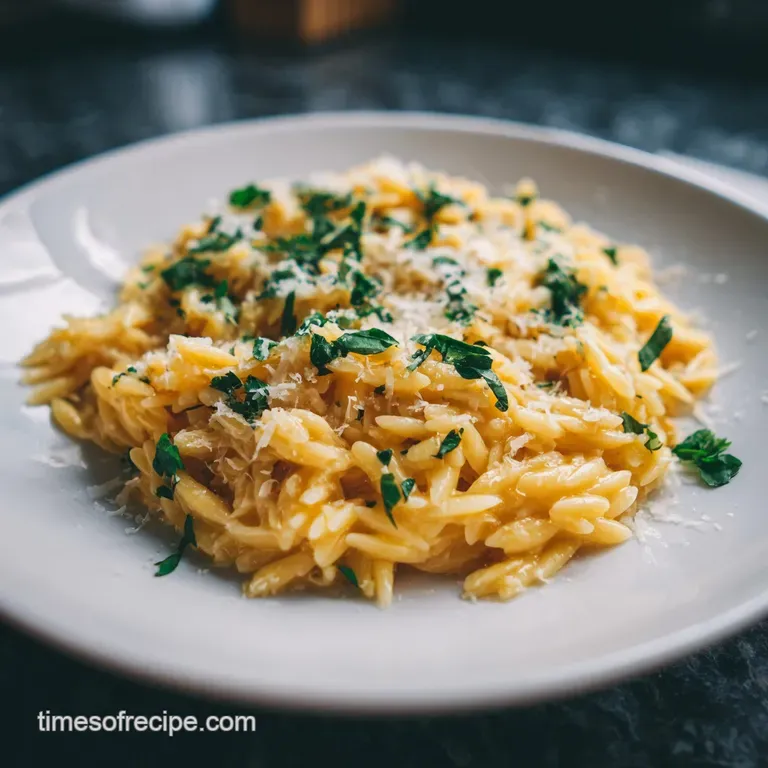
- Time: Active 5 mins, Passive 10 mins, Total 15 mins
- Flavor/Texture Hook: Silky, nutty, and bright
- Perfect for: Stressful weeknights or a fancy feeling side dish
You know those nights when you’re craving something that feels like a warm hug, but you also have exactly zero patience for standing over a stove? That was me last Tuesday. I had a bag of orzo tucked in the back of the pantry and a block of Parmesan that was begging to be used.
I started by melting a thick knob of butter, and the second that garlic hit the pan, the whole kitchen smelled like a dream.
I’ve spent years trying to get that perfect "restaurant style" finish on pasta at home. I used to think you needed a ton of heavy cream to make things decadent, but I’ve learned the hard way that it actually dulls the flavor. The trick is all in how you handle the starch and the cheese.
This dish isn't just about mixing things together; it’s about building layers of flavor that actually stick to your ribs.
We’ve all had those pastas that are either too soupy or so thick they turn into a brick five minutes after serving. This version stays silky. It’s become my absolute go to because it’s basically foolproof once you understand how the liquids and the pasta interact.
Trust me, once you see how easy this is, you’ll never go back to those boxed sides again.
Building Bold Flavor Layers
Starch Abrasion: Toasting dry orzo creates tiny surface fissures that release starch quickly into the broth for a natural thickening effect.
Carryover Emulsification: Adding Parmesan off heat prevents the proteins from tightening and turning stringy or oily in the sauce.
Acidic Brightness: Lemon juice breaks through the heavy cream's fat molecules, preventing a "heavy" or muted mouthfeel.
Liquid Absorption: Simmering in low sodium broth instead of water seasons the pasta from the inside out as the grains swell.
| Technique | Fast (Orzo) | Classic (Risotto) | Result Difference |
|---|---|---|---|
| Prep Time | 5 minutes | 15 minutes | Orzo requires zero chopping of rice base veg |
| Cooking | 10 minutes | 25-30 minutes | Orzo is faster due to smaller grain surface area |
| Texture | Velvety/Soft | Al dente/Chewy | Orzo is smoother; Risotto has more "bite" |
If you're looking for a protein to serve alongside this, it goes beautifully with a simple seared chicken breast. I actually find it quite similar to the flavor profile in my Creamy Mushroom Chicken recipe, where the earthy mushrooms and cream play off the same salty Parmesan notes we’re using here.
Essential Recipe Statistics
Starch Release Through Toasting
Before you even think about adding liquid, you have to toast the pasta. It might feel like an extra step, but skipping it is a huge mistake. When you hit that dry pasta with the hot butter and garlic, you’re creating a Maillard reaction on the surface of the grain.
This adds a nutty, deep flavor that you simply can't get from boiling alone. You’re looking for a light golden hue don't let it go to dark brown or it will taste burnt once the liquid is added.
Optimizing the Emulsion
The "creaminess" here doesn't actually come entirely from the heavy cream. It’s a chemical bond between the pasta starch and the fats. If you add the cheese while the pan is still over a roaring flame, the cheese will seize.
By pulling it off the heat, you allow the Parmesan to melt into the residual warmth of the broth and cream. This creates a stable emulsion that stays glossy rather than becoming a clumpy mess on your plate.
Balancing Fat with Citric Acid
Lemon is the unsung hero of this dish. Without it, the butter, cream, and cheese can feel a bit overwhelming and heavy. The citric acid in the lemon juice acts as a palate cleanser. It cuts right through the richness and highlights the saltiness of the Parmesan.
I always zest the lemon first because those essential oils in the skin provide a fragrant aroma that juice alone can't replicate.
The Quality Ingredient List
- 2 tbsp unsalted butter: Provides the fat base for toasting. Why this? Allows you to control the total salt content of the dish.
- 3 cloves garlic, minced: The primary aromatic layer. Why this? Fresh garlic provides a sharp bite that jarred versions lack.
- 1.5 cups dry orzo pasta: The canvas for our sauce. Why this? Small shape ensures a high surface area to sauce ratio.
- 3 cups low sodium chicken broth: The cooking medium. Why this? Infuses the pasta with savory depth rather than just plain water.
- 1/2 cup heavy cream: Adds the signature velvety finish. Why this? Provides enough fat to stabilize the cheese emulsion.
- 1 cup freshly grated Parmesan cheese: The heart of the flavor. Why this? Freshly grated melts much smoother than the pre shredded bagged stuff.
- 1 tsp lemon zest: Adds floral, citrus notes.
- 1 tbsp fresh lemon juice: Brightens the entire flavor profile.
- 1 cup fresh baby spinach, roughly chopped: Adds color and a hit of iron.
- 1/2 tsp sea salt: Enhances all individual components.
- 1/4 tsp cracked black pepper: Provides a subtle, earthy heat.
| Ingredient | Science Role | Pro Secret |
|---|---|---|
| Orzo | Starch source | Toast until it smells like popcorn for maximum depth |
| Parmesan | Emulsifier/Salt | Use the rind in the broth for extra umami |
| Lemon Juice | Surfactant | Add it at the very end to keep the flavor vibrant |
| Chicken Broth | Hydration | Keep it warm before adding to prevent temperature drops |
When I’m making this for my family, I often think about how it stacks up against other bold, one pan meals. It reminds me a bit of the spice layering in my One Pot Cajun recipe, although the flavor profile here is much more mellow and comforting. Both recipes rely on that single vessel technique to keep all the starch and flavor locked in the pan.
Kitchen Tools You'll Need
- Large Non Stick Skillet: A wide pan allows for even evaporation and better toasting of the orzo grains.
- Microplane Grater: Essential for getting that fluffy, fine zest and super fine Parmesan that melts instantly.
- Wooden Spoon: Perfect for scraping up those toasted bits (the fond) from the bottom of the pan.
- Measuring Cups: Precision matters when balancing the broth to pasta ratio to ensure it isn't too dry.
Cooking the Perfect Orzo
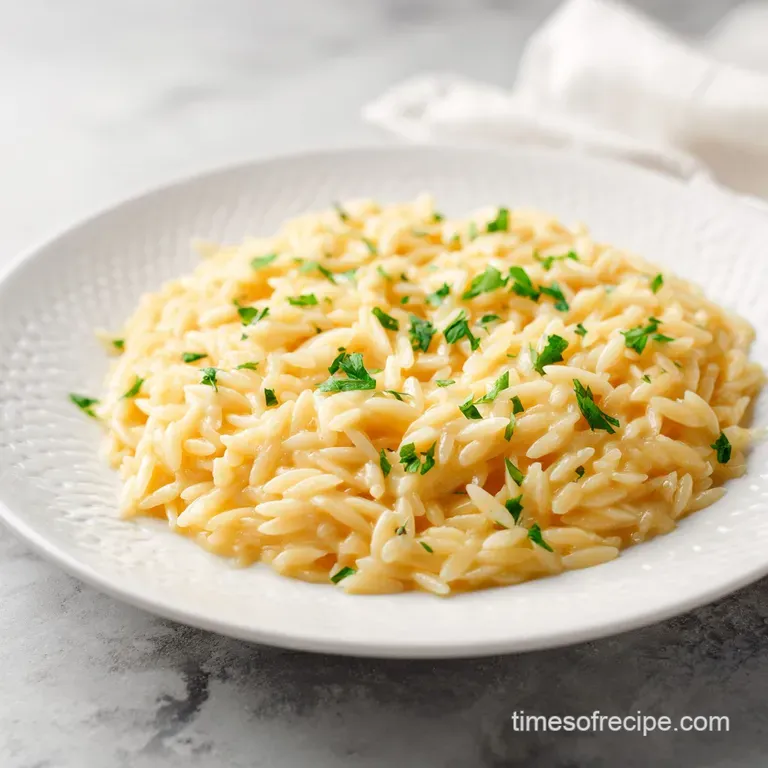
- Melt the butter. Place your skillet over medium heat and drop in the 2 tbsp unsalted butter. Note: Wait for it to stop foaming before adding aromatics.
- Sauté the garlic. Add the 3 cloves of minced garlic and cook for 1 minute until fragrant and translucent.
- Toast the pasta. Toss in the 1.5 cups of dry orzo and stir frequently. Cook for 2-3 minutes until the grains are golden.
- Deglaze and simmer. Pour in the 3 cups of low sodium chicken broth and the 1/2 tsp sea salt. Note: Scraping the bottom of the pan releases the toasted flavor into the liquid.
- Boil the grains. Bring the mixture to a gentle boil, then reduce heat to a simmer. Cook for 8-10 minutes until liquid is mostly absorbed.
- Incorporate the cream. Stir in the 1/2 cup of heavy cream and 1/4 tsp black pepper. Simmer for 1 minute until the sauce thickens slightly.
- Wilt the greens. Add the 1 cup of roughly chopped baby spinach. Stir until the leaves are bright green and soft.
- Final flavor fold. Remove the pan from the heat. Fold in the 1 cup Parmesan, lemon zest, and lemon juice until silky.
Chef's Note: If the sauce looks too thick before you add the cheese, splash in an extra tablespoon of broth. The cheese will naturally tighten the sauce, so you want it slightly "looser" than your desired final result before the Parmesan goes in.
Fixing Common Cooking Errors
Why Your Orzo Is Mushy
If you find the texture is more like porridge than pasta, you likely had the heat too low or used too much liquid. Pasta needs a gentle but consistent simmer to cook through while the surface starch releases. If it sits in lukewarm water for too long, the exterior disintegrates before the center is cooked.
Always stick to the 2:1 liquid to pasta ratio for this specific method.
Fixing a Broken Cream Sauce
Sometimes, if the heat is too high when you add the cheese or cream, the fat will separate, leaving you with an oily mess. If this happens, don't panic. Remove it from the heat immediately and add one tablespoon of very hot water (or broth) and whisk vigorously.
The extra moisture and mechanical action can often "pull" the emulsion back together.
| Problem | Root Cause | Solution |
|---|---|---|
| Grains sticking | Not enough stirring | Stir every 2 minutes to keep starch moving in the pan |
| Bland flavor | Used plain water | Use high-quality broth and don't skip the lemon juice |
| Stringy cheese | Added to boiling liquid | Remove pan from heat before folding in the Parmesan |
Common Mistakes Checklist
- ✓ Avoid using pre shredded cheese; the potato starch coating prevents a smooth melt.
- ✓ Don't rinse the orzo before cooking; you need that surface starch for the sauce.
- ✓ Use a wide skillet rather than a deep pot to encourage even cooking.
- ✓ Wait to add the lemon juice until the very end to prevent it from curdling the cream.
- ✓ Let the dish sit for 2 minutes after cooking; the sauce will thicken as it cools slightly.
Smart Ingredient Alternatives
| Original Ingredient | Substitute | Why It Works |
|---|---|---|
| Heavy Cream | Full fat Greek Yogurt | Adds a tangier profile. Note: Sauce will be much thicker and less glossy |
| Fresh Baby Spinach | Frozen Spinach (thawed/squeezed) | Similar nutritional value. Note: Texture is softer; ensure all water is squeezed out |
| Chicken Broth | Vegetable Broth | Makes the dish vegetarian friendly without losing the savory base |
Honestly, don't even bother with low-fat Parmesan or those shaker cans. The flavor is mostly salt and filler, and it won't give you that velvety finish we're after. If you want to change things up, try using some pecorino romano for a sharper, saltier kick, but go easy on the added sea salt if you do.
Storing and Using Leftovers
This dish is definitely best served immediately, but life happens. You can store leftovers in an airtight container in the fridge for up to 3 days. When you go to reheat it, you'll notice it has turned into a solid block this is just the starch and fat setting.
To bring it back to life, add a splash of milk or broth before microwaving or heating on the stovetop. It will loosen right back up into that creamy state.
For a zero waste tip, if you have lemon halves left over, don't toss them! Toss the spent rinds into a jar of white vinegar for a few weeks to make a natural, citrus scented kitchen cleaner.
Also, if you have tiny bits of Parmesan leftover that are too small to grate, throw them into your next batch of soup or broth for a massive hit of savory umami.
Winning Side Dish Pairings
Protein Packed Additions
While this is a "hearty" meal on its own, it plays very well with others. If you want to turn this into a full feast, I highly recommend serving it with some garlic butter shrimp or a sliced Italian sausage. The spices in the sausage complement the lemon beautifully.
If you're looking for another side to round out the table, a crisp arugula salad with a balsamic glaze provides a sharp contrast to the creamy pasta.
Downsizing for Two
If you're cooking for a smaller household, you can easily halve this recipe. Use a smaller skillet and reduce the cooking time by about 2 minutes, as the liquid will evaporate faster in a smaller volume.
Since it uses half an egg in many recipes, for this one, simply use 1/4 cup of cream and keep the ratios consistent.
Exposing Traditional Cooking Myths
One of the biggest myths is that you need to cook pasta in a massive gallon of water. For a dish like this, "shallow poaching" in exactly the amount of broth needed is actually superior because it concentrates the starch. Another myth is that adding oil to the water prevents sticking.
In reality, oil just makes the pasta slippery so the sauce can't cling to it. Toasting the orzo in butter is a much more effective way to keep the grains distinct while adding flavor.
This Creamy Parmesan Orzo is a total lifesaver in my kitchen. It’s simple, it’s fast, and it always tastes like I spent an hour on it. It’s perfect for those nights when you want something that feels special but you only have the energy for one pan.
Let’s crack on and get cooking you’re going to love how this one turns out!
Recipe FAQs
Can I substitute arborio rice for orzo in this recipe?
No, you cannot directly substitute arborio rice. Orzo cooks in about 10 minutes, whereas traditional arborio rice requires closer to 25 minutes of constant stirring to release starch.
How to ensure the Parmesan cheese melts smoothly without clumping?
Remove the pan completely from the heat source before adding the cheese. The residual heat in the broth and cream is enough to melt the Parmesan into a stable emulsion; direct heat will cause the proteins to seize.
How to make this recipe richer, perhaps adding a meat component?
Sauté browned sausage or shredded chicken before toasting the orzo, then set aside. Return the cooked protein during step 6 when adding the heavy cream; this layering technique ensures maximum flavor integration, similar to our OnePan Steak Bite recipe.
Is it true that rinsing the orzo prevents a creamy sauce?
Yes, rinsing the orzo is counterproductive for this dish. You need the natural starch clinging to the outside of the dry grains to emulsify with the fat and liquid to create the velvety texture.
What liquid should I use if I want to make this dish vegetarian?
Use high-quality vegetable broth exclusively. Ensure the broth is low sodium so you can control the seasoning balance, as the flavor profile relies heavily on the liquid base.
How to properly build flavor in the broth instead of using plain water?
Toast the orzo grains in butter until lightly golden before adding the broth. This technique enhances the nutty flavor profile significantly, a principle similar to developing fond in pan sauces. If you enjoyed mastering the flavor depth here, see how the same principle of surface browning is used in our Turkey Tetrazzini with recipe for that base layer.
How to reheat leftovers without the orzo becoming too dry or clumpy?
Reheat slowly on the stovetop or in the microwave with a splash of extra liquid. Add one tablespoon of milk or chicken broth per cup of leftovers before heating gently to rehydrate the starches.
Creamy Parmesan Orzo Fast
Ingredients:
Instructions:
Nutrition Facts:
| Calories | 527 kcal |
|---|---|
| Protein | 20.4 g |
| Fat | 23.8 g |
| Carbs | 56.4 g |
| Fiber | 2.6 g |
| Sugar | 2.2 g |
| Sodium | 713 mg |
