Crockpot Beef and Broccoli
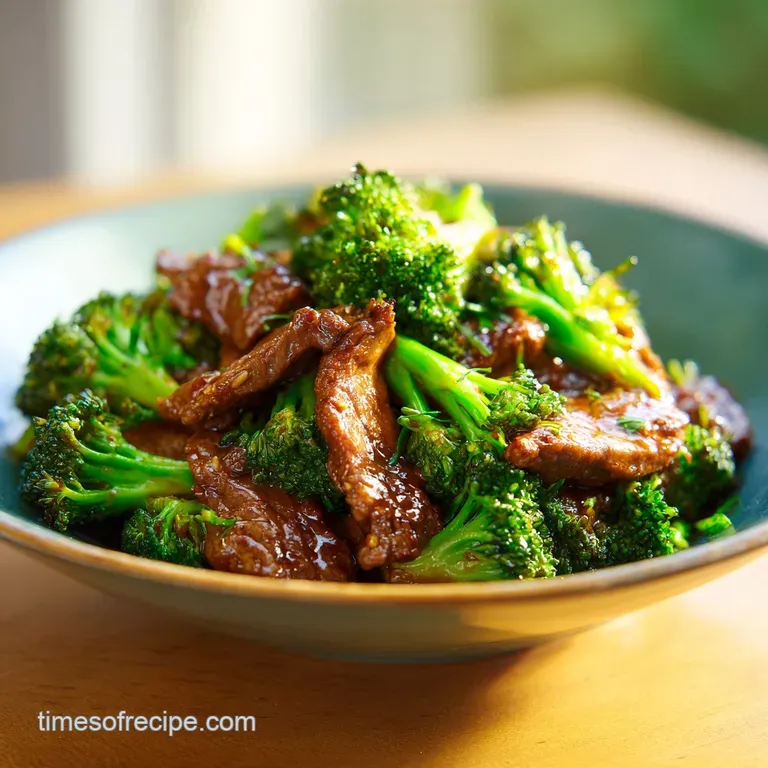
- Time: Active 15 minutes, Passive 4 hours, Total 255 minutes
- Flavor/Texture Hook: Savory sweet umami glaze with tender crisp greens
- Perfect for: Busy weeknights where you need a hearty family win
- The Hearty Comfort of Crockpot Beef and Broccoli
- Why This Savory Slow Cooked Dish Works
- Ingredients for a Satisfying Umami Punch
- Tools for This Bold Beefy Meal
- Steps for Silky Beef and Broccoli
- Fixing Common Beef and Broccoli Hurdles
- Bold Variations for Spicing Things Up
- Searing and Liquid Myths
- Storing Leftovers for Satisfying Future Meals
- Hearty Pairings for This Comfort Classic
- Very High in Sodium
- Recipe FAQs
- 📝 Recipe Card
The Hearty Comfort of Crockpot Beef and Broccoli
Imagine walking through your front door after a long, rainy afternoon and being hit by the warm, heady scent of toasted sesame oil and pungent ginger. There is something profoundly satisfying about a meal that cooks itself while you are busy elsewhere.
I remember the first time I tried making this; I was so worried the beef would turn into flavorless mush, but instead, it emerged from the slow cooker as these incredibly tender, savory ribbons that just clung to the sauce.
It is the kind of bold, comforting meal that makes everyone at the table go quiet for a few minutes while they just enjoy that first bite.
We aren't looking for a light or dainty stir fry here. This is a hearty, filling version of the classic that leans into the deep, rich flavors of a slow cooked beef roast. It’s a family favorite because it feels like a treat like you ordered from that great place downtown but it’s much more satisfying because you know exactly what went into that velvety mahogany sauce.
You get that perfect contrast between the rich, salty soy and the sweet hit of brown sugar, all balanced by the bright, earthy crunch of the broccoli florets.
This recipe is designed to be a total win for anyone who loves big flavors but doesn't have the time to stand over a flaming wok on a Tuesday night. We are going to use the slow cooker to do the heavy lifting, breaking down those tough beef fibers until they are practically buttery.
It is a bold, no nonsense approach to comfort food that has saved my sanity more times than I can count. Trust me, once you see how that cornstarch slurry turns a thin broth into a glossy, restaurant quality glaze, you’ll be hooked on this method.
Why This Savory Slow Cooked Dish Works
- Collagen Transformation: The low, steady heat converts the tough connective tissue in chuck roast into gelatin, creating a silky mouthfeel and incredibly tender meat.
- Residual Heat Steaming: Adding the broccoli in the final 30 minutes uses the trapped steam to cook it to a "tender crisp" state, preventing the soggy, grey mess often found in slow cooker stews.
- Osmotic Balancing: The salt in the soy sauce seasons the beef deeply over the four hour cook time, while the brown sugar prevents the salt from becoming overwhelming.
- Starch Gelatinization: Whisking the cornstarch with cold water first ensures it dissolves completely, allowing it to thicken the sauce into a glossy glaze without forming lumps when it hits the hot liquid.
| Feature | Fresh Beef and Broccoli | Shortcut (Frozen/Pre cut) |
|---|---|---|
| Beef Texture | Superior; hand sliced across grain | Can be chewy or irregularly sized |
| Broccoli Snap | Crisp and vibrant green | Often softer and releases more water |
| Sauce Depth | Bold, fresh ginger and garlic punch | Milder; pre cut garlic loses pungency |
Getting the texture right is really the secret to making this feel like a high end meal. If you put the broccoli in at the beginning, it would basically dissolve into the sauce, which is a mistake I definitely made the first time.
By waiting until that final window, you keep that beautiful contrast that makes the dish so appealing to look at and eat.
| Ingredient | Science Role | Pro Secret |
|---|---|---|
| Beef Chuck Roast | Fat and collagen source | Slice while semi frozen for perfect 2 inch strips |
| Brown Sugar | Carmelization and balance | Pack it tight to ensure the full 0.33 cup volume |
| Cornstarch | Emulsification and thickening | Never add directly to hot liquid; always use a cold slurry |
While the beef is simmering away, the ginger and garlic are working overtime to infuse every single fiber of the meat. This isn't just a surface level seasoning; it’s a deep, soulful flavor profile that only comes from time. If you’re looking for another way to use that slow cooker for deep beefy flavor, you might really enjoy this Beef Tips Recipe which uses a similar low and slow approach to achieve that fall apart texture we all crave.
Ingredients for a Satisfying Umami Punch
- 1.5 lbs beef chuck roast: Sliced into thin 2 inch strips. Why this? Chuck has the fat and marbling needed to stay juicy during long cooking.
- Substitute: Flank steak (but reduce cook time by 1 hour as it's leaner).
- 1 cup low sodium beef broth: The base for our sauce. Why this? Provides depth without making the final dish a salt bomb.
- Substitute: Chicken broth or even water with a teaspoon of beef base.
- 0.5 cup low sodium soy sauce: The primary savory element. Why this? Traditional umami flavor that pairs perfectly with beef.
- Substitute: Tamari for a gluten-free option with similar richness.
- 0.33 cup brown sugar: Packed for sweetness. Why this? Creates that sticky, finger licking glaze and balances the soy.
- Substitute: Honey or coconut sugar for a more floral sweetness.
- 1 tbsp toasted sesame oil: For a nutty aroma. Why this? A little goes a long way in providing that authentic takeout smell.
- Substitute: Peanut oil or any neutral oil, though you'll lose the nuttiness.
- 3 cloves garlic: Minced finely. Why this? Essential aromatic for building a bold flavor foundation.
- Substitute: 1 teaspoon of garlic powder in a pinch.
- 1 tbsp fresh ginger: Grated. Why this? Adds a bright, spicy zing that cuts through the rich beef fat.
- Substitute: 0.5 teaspoon of ground ginger, though fresh is much better.
- 2 large heads of broccoli: Cut into bite sized florets. Why this? The fresh green crunch is the perfect foil for the savory beef.
- Substitute: Sliced bok choy or frozen broccoli (thawed and drained).
- 3 tbsp cornstarch: Our thickening agent. Why this? Creates a clear, glossy sheen on the sauce rather than a cloudy one.
- Substitute: Arrowroot powder for a similar thickening effect.
- 0.25 cup cold water: To mix with the starch. Why this? Prevents the starch from clumping instantly.
- Substitute: Cold beef broth for even more flavor depth.
Tools for This Bold Beefy Meal
You really don't need a kitchen full of gadgets for this one, but a few specific items will make your life much easier. First and foremost, a reliable 6 quart slow cooker is the star of the show.
I’ve used several brands over the years, and a standard crockpot with a programmable timer is a lifesaver if you're not going to be home exactly when the four hours are up. It ensures the beef doesn't overcook and become dry.
A sharp chef’s knife is also non negotiable. Slicing 1.5 lbs of chuck roast into thin, uniform strips is so much easier when your blade isn't struggling. If your knife is a bit dull, the meat will tear rather than slice, and you won't get those clean edges that look so good in the finished dish.
Also, grab a microplane or a fine grater for that ginger. It turns the fibrous root into a paste that melts right into the sauce, distributing that spicy flavor evenly throughout the pot.
Finally, have a good whisk and a small bowl handy for your cornstarch slurry. You want to make sure that mixture is completely smooth before it touches the hot liquid in the slow cooker.
If you just stir it with a fork, you might end up with little white "pearls" of starch in your sauce, which isn't the vibe we're going for. A small whisk ensures every bit of starch is hydrated and ready to thicken that beautiful mahogany glaze.
Steps for Silky Beef and Broccoli
1. Preparing the Beef
Slice the 1.5 lbs beef chuck roast across the grain into thin 2 inch strips. Note: Cutting across the grain shortens the muscle fibers, making the beef much easier to chew once cooked. Aim for consistent thickness so every piece reaches that fork tender stage at the same time.
2. Mixing the Braising Liquid
Place the beef strips into the slow cooker. In a separate bowl, whisk together 1 cup beef broth, 0.5 cup soy sauce, 0.33 cup brown sugar, 1 tbsp toasted sesame oil, 3 cloves minced garlic, and 1 tbsp grated ginger. Pour this fragrant mixture over the beef, ensuring all the meat is submerged or well coated.
3. The Long Simmer
Cover the slow cooker and set it to High for 4 hours. If you have more time, you can cook it on Low for 6 hours. Cook until the beef is fork tender and yields easily when pressed with a spoon. The aroma at this stage should be intensely savory and sweet.
4. Creating the Slurry
About 30 minutes before you're ready to eat, whisk together 3 tbsp cornstarch and 0.25 cup cold water in a small bowl. This should look like a smooth, milky liquid. Stir this slurry directly into the hot liquid in the slow cooker, moving the beef aside to make sure it incorporates fully.
5. Adding the Greens
Place the 2 heads of broccoli florets right on top of the beef. Don't worry if they aren't fully submerged; the steam will do the work. Cover the pot again and continue cooking for the remaining 30 minutes.
6. The Final Check
Cook until the broccoli is bright green and tender crisp. If you like your broccoli softer, you can go an extra 10 minutes, but be careful not to overdo it. The sauce should now be thick enough to coat the back of a spoon.
7. Finishing and Serving
Give everything a gentle toss to coat the broccoli in that glossy sauce. Serve immediately while the steam is still rising. The beef should look dark and rich, contrasting beautifully with the vibrant green vegetables.
Chef's Tip: If you want an even deeper flavor, sear the beef strips in a hot pan for 2 minutes before adding them to the slow cooker. This adds a crusty, caramelized layer that really stands out in the final sauce.
Fixing Common Beef and Broccoli Hurdles
Why Your Sauce Is Too Thin
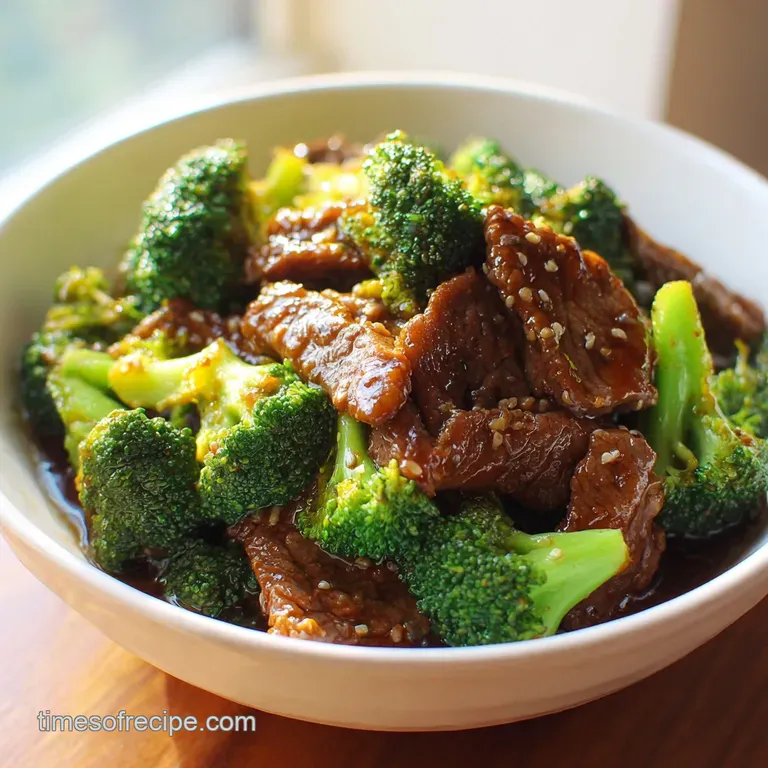
If you open the lid and the sauce looks more like a watery soup than a glaze, don't panic. This usually happens if the cornstarch wasn't measured correctly or if the liquid didn't get hot enough to activate the thickening power of the starch.
Cornstarch needs to hit a near boiling temperature to actually work its magic.
| Problem | Root Cause | Solution |
|---|---|---|
| Tough Beef | Cut with the grain or undercooked | Cook for another 30 mins; always slice across the grain |
| Bland Sauce | Old ginger or weak broth | Add a splash of fish sauce or more fresh ginger at the end |
| Mushy Broccoli | Added too early in the process | Add fresh florets 30 mins before serving only |
Another reason for a thin sauce could be the moisture content of the beef itself. Some roasts release more liquid than others during the slow cooking process. If it's still thin after the 30 minute mark, you can whisk up another teaspoon of cornstarch with a splash of water and stir it in, then leave the lid off for the last 10 minutes to let some of that extra moisture evaporate.
Common Mistakes Checklist
- ✓ Always slice the beef across the grain to ensure it shatters easily when eaten.
- ✓ Never skip the "cold" part of the cold water slurry; warm water will make it clumpy.
- ✓ Don't add the broccoli at the start of the 4 hours, or you'll end up with green mush.
- ✓ Use low sodium soy sauce to prevent the dish from becoming an undrinkable salt lick.
- ✓ Pat the beef dry if you decide to sear it first to get a better crust.
If you find that your broccoli is always coming out a bit too soft for your liking, you might want to try a different vegetable technique. For instance, my Gai Lan Chinese Broccoli recipe focuses on getting that perfect restaurant style texture that holds its own against a heavy sauce.
Bold Variations for Spicing Things Up
Creating a Spicy Kick
If your family loves a bit of heat, this recipe is incredibly easy to adapt. You can add 1 to 2 tablespoons of Sriracha or sambal oelek to the braising liquid at the very beginning. The heat mellows slightly during the four hour cook but leaves a wonderful, lingering warmth on the back of the palate.
Alternatively, tossing in a teaspoon of crushed red pepper flakes will give it a more sharp, immediate spice that cuts through the sweetness of the brown sugar.
Keeping it Low Carb
For those watching their sugar or carb intake, you can swap the brown sugar for a brown sugar style erythritol blend. It mimics the molasses flavor quite well without the glycemic hit.
Instead of cornstarch, which is pure starch, you can use a half teaspoon of xanthan gum whisked into the sesame oil before adding the other liquids. It won't give you that same crystal clear glossy finish, but it will thicken the sauce beautifully for a keto friendly version of this comfort classic.
| Serving Size | Beef Amount | Broccoli Amount | Cook Time (High) |
|---|---|---|---|
| 2 People | 0.5 lb | 1 small head | 3.5 hours |
| 4 People | 1 lb | 1.5 heads | 4 hours |
| 6 People | 1.5 lbs | 2 heads | 4 hours |
| 10 People | 2.5 lbs | 3 heads | 5 hours |
If you are scaling this up for a big family gathering, remember that the slow cooker will take longer to come up to temperature when it's packed to the brim. For a 10 person serving, I usually add an extra hour to the cook time and make sure I’m using at least an 8 quart cooker so there’s enough room for the steam to circulate around the broccoli at the end.
Searing and Liquid Myths
One of the biggest myths in the cooking world is that searing meat "seals in the juices." Science has shown us that moisture loss happens regardless of whether you sear or not. However, searing is still worth the extra five minutes because it creates a complex array of new flavor compounds on the surface of the beef.
It doesn't trap juice, but it absolutely adds a deeper, more "roasted" flavor to the final sauce that you just can't get from simmering alone.
Another misconception is that you need to completely submerge the meat in liquid for it to cook properly in a slow cooker. In reality, because the lid creates a tight seal, very little moisture escapes. The meat will actually release its own juices as it cooks, often increasing the liquid level by an inch or more.
If you start with too much broth, you'll end up with a watery sauce that even a large cornstarch slurry can't save. Trust the measurements the 1 cup of broth is plenty.
Storing Leftovers for Satisfying Future Meals
Storage Guidelines
This dish is actually one of those rare recipes that might taste even better the next day. As it sits in the fridge, the beef continues to absorb the ginger and garlic from the sauce. You can store leftovers in an airtight container in the refrigerator for up to 4 days.
When reheating, I recommend doing it on the stove over medium heat with a tiny splash of water or broth to loosen the sauce, as the cornstarch can make it quite firm when cold.
Freezing and Zero Waste
If you want to freeze this, it stays good for about 3 months. However, be warned that the broccoli will lose its "snap" and become quite soft upon thawing and reheating. If I'm planning to freeze a batch, I sometimes pull out the beef and sauce and freeze those together, then just add fresh steamed broccoli when I’m ready to serve it.
For a zero waste tip, don't throw away those broccoli stalks! Peel off the tough outer skin, slice the tender inner core into matchsticks, and throw them in with the beef at the beginning of the 4 hour cook. They’ll soften up and add extra bulk and nutrition to the meal without costing a cent.
Hearty Pairings for This Comfort Classic
To really lean into the comfort aspect of this meal, you have to consider what's going to soak up all that incredible mahogany glaze. A simple bed of fluffy white jasmine rice is the traditional choice, and for good reason it acts like a sponge for the savory sauce. If you want something a bit more substantial, you could serve this alongside some Garlic Beef Chow Mein, which brings a different noodle texture to the plate and doubles down on that bold garlic flavor we’ve already built into the beef.
If you’re looking for a side that isn't a grain, a simple smashed cucumber salad with a splash of rice vinegar and chili oil provides a cold, acidic contrast that refreshes the palate between those rich, beefy bites.
The brightness of the vinegar cuts right through the fat of the chuck roast, making the whole meal feel balanced. Whether you go with rice, noodles, or a fresh salad, the goal is to have something that lets the bold, umami packed beef and broccoli remain the undisputed star of the dinner table.

Very High in Sodium
1083 mg 1083 mg (47% 47%)
The American Heart Association recommends limiting sodium intake to no more than 2,300mg per day, with an ideal limit of less than 1,500mg per day for most adults.
Tips to Reduce Sodium
-
Swap Soy Sauce-20%
Replace half of the low-sodium soy sauce with a low-sodium coconut aminos or a sodium free soy sauce alternative. This can significantly cut down the sauce's sodium content.
-
Dilute Beef Broth-15%
Use half the amount of low-sodium beef broth (0.5 cup instead of 1 cup) and supplement the rest with water. Ensure you still have enough liquid for braising.
-
Boost with Herbs and Spices
Increase the fresh garlic and ginger. Consider adding other aromatics like finely chopped onions, red pepper flakes, or a pinch of black pepper to enhance flavor without adding sodium.
-
Fresh Aromatics-5%
Ensure you use fresh minced garlic and grated ginger as specified. These provide strong flavors that can help compensate for reduced sodium.
Recipe FAQs
What is the secret to good beef and broccoli?
The secret is the texture contrast. You must slice the beef chuck roast across the grain into thin 2 inch strips, then reserve the broccoli until the final 30 minutes of cooking to keep it tender crisp rather than mushy.
What are the common mistakes when making beef broccoli?
Adding broccoli too early is the biggest error. Putting the florets in at the start of the 4-hour cycle results in overcooked, unappealing vegetables. If you enjoyed Gravy in 25 Minutes recipe found in our other steak recipes, you will appreciate how timing the broccoli adds that necessary bite.
What cut of meat is best for beef and broccoli?
Beef chuck roast is the ideal choice. This cut has the perfect amount of marbling and connective tissue, which breaks down during the 4-hour slow cooking process to create a fork tender, melting texture.
What are common mistakes in slow cooking beef?
Using high sodium ingredients is a frequent pitfall. Always use low-sodium beef broth and low-sodium soy sauce; otherwise, the long reduction time concentrates the salt, making the final dish unpleasantly aggressive.
How to ensure the sauce thickens correctly?
Whisk the cornstarch into cold water to create a smooth slurry before adding it to the slow cooker. Stir this mixture into the liquid 30 minutes before serving to achieve a glossy, coating consistency without any lumps.
Is it true I should sear the beef before slow cooking?
No, this is a common misconception. While you can sear the beef for extra depth, you must pat the strips completely dry first; otherwise, they will steam instead of brown, failing to create the desired crust.
How to keep the beef tender?
Slice the meat against the grain into thin 2 inch strips. This physical preparation cuts the muscle fibers short, ensuring the beef shatters easily and stays tender after the long, 4-hour cook on High.
Crockpot Beef And Broccoli

Ingredients:
Instructions:
Nutrition Facts:
| Calories | 334 kcal |
|---|---|
| Protein | 33.2 g |
| Fat | 11.3 g |
| Carbs | 21.7 g |
| Fiber | 2.5 g |
| Sugar | 11.8 g |
| Sodium | 1083 mg |
