Fluffy Cottage Cheese Bread: Light and Delicious
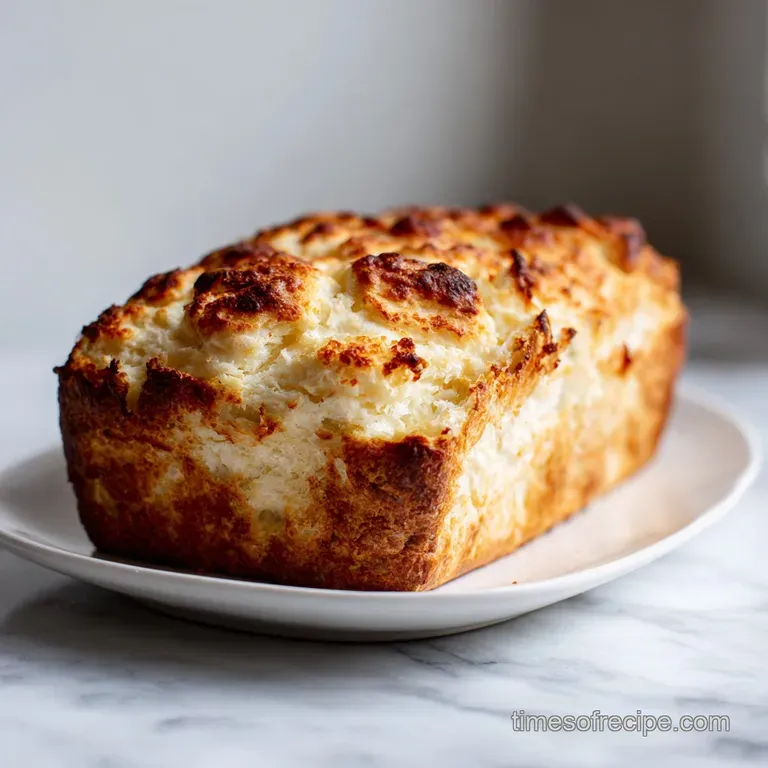
- Time: Active 15 minutes, Passive 45 minutes, Total 1 hour
- Flavor/Texture Hook: Airy, golden brown, and delicately honey sweet
- Perfect for: Elegant brunches or a stunning afternoon snack
- Fluffy Light and Delicious Cottage Cheese Bread Loaf Recipe
- The Magic Behind the Loaf
- Component Analysis of Ingredients
- The Elements of Baking Bliss
- Necessary Tools for Success
- Baking Your Golden Masterpiece
- Solving Common Baking Riddles
- Elegant Twists and Variations
- Myths Regarding Cottage Cheese Baking
- Preserving Your Stunning Creation
- Elegant Pairings for Serving
- Recipe FAQs
- 📝 Recipe Card
Fluffy Light and Delicious Cottage Cheese Bread Loaf Recipe
The aroma of a warming oven is one of the most comforting magic tricks a home can perform. There is something truly stunning about watching a simple, liquid batter transform into a towering, golden masterpiece that fills every corner of the house with a scent that is both sweet and wholesome.
I remember the first time I pulled this loaf from the heat; the crust was a deep, elegant mahogany, and the center had a slight, enticing wobble that promised the most delicate texture. Discover the simple secret to a fluffy, light, and delicious cottage cheese bread loaf with this standout recipe.
We often think of bread making as a tedious journey involving hours of kneading and waiting for yeast to wake up, but this method is delightfully different. It is about the gentle harmony between common ingredients and a high speed blender.
You don't need to be a professional baker to achieve a result that looks like it came from a high end boutique. This loaf is designed for those moments when you want something impressive without the heavy labor, turning a simple tub of cottage cheese into something light and whimsical.
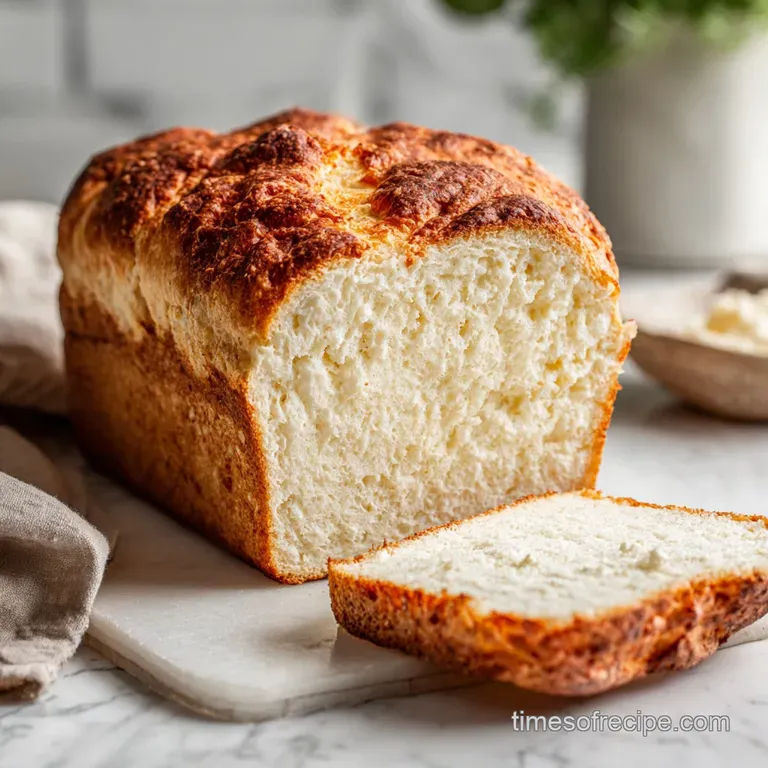
What you can expect here is a crumb that is remarkably moist and airy, thanks to the unique way we process the ingredients. It isn't dense or heavy like some protein focused bakes can be. Instead, it maintains an elegant structure that holds up beautifully to a smear of butter or a drizzle of honey.
We are going to walk through the steps together, ensuring your kitchen stays clean and your spirit stays bright as we create this stunning loaf.
The Magic Behind the Loaf
- Aeration Magic: Blending the eggs and cottage cheese on high speed creates thousands of tiny bubbles that expand during the baking process for a cloud like lift.
- Moisture Retention: The high water content in full fat cottage cheese turns into steam inside the oven, keeping the interior of the loaf incredibly tender.
- Chemical Reaction: The acidity in apple cider vinegar reacts immediately with the baking soda, creating a foaming action that pushes the batter upward.
- Protein Structure: While we use all purpose flour for softness, the concentrated protein from the cheese and eggs provides the "scaffolding" needed to hold that height.
| Method | Total Time | Final Texture | Effort Level |
|---|---|---|---|
| This Fast Method | 1 hour | Airy and moist | Minimal (Blender) |
| Classic Yeast Bread | 3 hours 30 mins | Chewy and yeasty | High (Kneading) |
| Standard Quick Bread | 1 hour 15 mins | Dense and cake like | Medium (Mixing) |
The comparison above shows just how much time we save by utilizing the blender to create a high protein slurry rather than relying on slow yeast fermentation or heavy fat based crumbs.
Component Analysis of Ingredients
| Ingredient | Science Role | Pro Secret |
|---|---|---|
| Cottage Cheese | Provides the structure and moisture base | Use full fat (4%) for the most elegant, rich crumb. |
| Honey | Acts as a humectant and browning agent | It creates that stunning mahogany crust via caramelization. |
| Apple Cider Vinegar | Triggers the leavening agents | Don't worry, the vinegar scent completely vanishes during baking. |
| Baking Powder | Provides the primary vertical lift | Ensure it is fresh; old powder leads to a flat, sad loaf. |
Choosing the right components is essential for the magic to happen. I always suggest using large eggs at room temperature because they emulsify much more smoothly with the cheese. If the eggs are too cold, the honey might seize up into tiny, stubborn clumps, which prevents that even, golden glow we are looking for.
The Elements of Baking Bliss
To create this stunning loaf, you will need the following items gathered on your counter. Each piece plays a specific role in ensuring the texture is light and the presentation is elegant.
- 2 cups full fat cottage cheese (450g): Why this? Provides the essential protein and moisture for a wobbly, tender crumb.
- Substitute: Greek yogurt (full fat) - It offers a similar tang but results in a slightly denser loaf.
- 3 large eggs: Why this? They act as the "glue" that holds the airy structure together.
- Substitute: Liquid egg whites (3/4 cup) - This keeps the loaf lighter in color but less rich.
- 1 tbsp honey: Why this? Adds a hint of sweetness and helps the crust brown beautifully.
- Substitute: Maple syrup - Adds a lovely autumnal depth to the flavor profile.
- 1 tsp apple cider vinegar: Why this? The catalyst that makes the baking soda react for a high rise.
- Substitute: Lemon juice - Provides the necessary acidity with a bright, citrusy note.
- 2.25 cups all purpose flour (280g): Why this? Provides the soft, classic bread texture everyone loves.
- Substitute: Whole wheat pastry flour - Makes the loaf heartier while keeping it relatively light.
- 1 tbsp baking powder: Why this? Our main engine for growth in the oven.
- Substitute: 1 tsp baking soda plus 1/2 tsp cream of tartar.
- 0.5 tsp baking soda: Why this? Works with the vinegar for an extra boost of fluffiness.
- Substitute: An additional 1.5 tsp of baking powder.
- 1 tsp fine sea salt: Why this? Sharpens all the other flavors so the bread doesn't taste flat.
- Substitute: Kosher salt (use 1.5 tsp) - Adds a cleaner salt finish.
Necessary Tools for Success
You won't need a heavy stand mixer for this adventure. Instead, we rely on tools that favor speed and gentleness. A high speed blender (like a Vitamix or Ninja) is the star of the show here. It pulverizes the cottage cheese curds until they are a silky, frothy liquid.
If you only have a food processor, that works too, though it might take an extra minute to get that perfectly smooth consistency.
A 9x5 inch loaf pan is the standard size for this recipe. If you use a smaller pan, the batter might overflow like a whimsical volcano, and a larger pan will result in a flatter, less impressive slice. I also highly recommend using parchment paper.
Leaving a bit of an "overhang" or "sling" on the sides allows you to lift the loaf out effortlessly once it's finished, preventing any tragic sticking.
Chef's Tip: Before you start, weigh your flour if you can. Scooping with a cup can pack the flour down, leading to a dry loaf. 280 grams is the magic number for the most elegant results!
Baking Your Golden Masterpiece
- Preheat your oven to 350°F (175°C). Line a 9x5 inch loaf pan with parchment paper, leaving an overhang on the sides for easy removal.
- In a high speed blender or food processor, combine the cottage cheese, eggs, honey, and apple cider vinegar.
- Blend on high for 45 60 seconds until the mixture is completely smooth and slightly frothy. Note: This aeration is vital for the "light" part of the recipe.
- In a large mixing bowl, whisk together the all purpose flour, baking powder, baking soda, and sea salt.
- Pour the blended liquid mixture into the dry ingredients.
- Use a spatula to fold the ingredients together until just combined. Note: Stop the moment you see no more dry flour streaks to keep it fluffy.
- Transfer the batter to the prepared loaf pan and smooth the top with the back of a spoon.
- Bake for 45 minutes until the top is deep mahogany and a toothpick comes out clean.
- Remove from the oven and let it sit in the pan for 10 minutes to set its structure.
- Transfer to a wire rack and cool completely until the loaf feels firm to the touch before slicing.
Solving Common Baking Riddles
Even the most stunning recipes can encounter a few hiccups. One common issue is a sunken middle. This usually happens if the oven door is opened too early, causing a sudden drop in temperature before the protein structure has fully set.
If you see the center dipping, try to resist the urge to peek until at least 35 minutes have passed.
Another riddle is a dense crumb. This almost always comes back to the "gentle fold." When you mix the wet and dry ingredients, you are creating a delicate network of bubbles. If you stir too vigorously, you pop those bubbles, and the magic vanishes. Think of it as folding a silk ribbon rather than stirring a pot of soup. For a festive display alongside your bread, check out the Christmas Tree Cheese Platter.
For a Cloud Like Texture
The secret is the blending time. If you see small curds of cheese in your batter, the bread will have a "spotted" texture rather than a uniform, airy crumb. Make sure that liquid is as smooth as heavy cream before it hits the flour.
To Prevent a Sunken Middle
Ensure your baking powder hasn't been sitting in the pantry since the last decade. To test it, drop a pinch into hot water. If it doesn't fizz like crazy, it's time for a new tin.
| Problem | Root Cause | Solution |
|---|---|---|
| Loaf is too wet | Underbaked or too much honey | Bake for 5 more mins; use exact honey measurements. |
| Crust is too dark | Oven runs hot or honey levels | Tent with foil at 30 mins; use an oven thermometer. |
| Bread is crumbly | Overbaked or sliced too hot | Let cool completely; check doneness at 40 mins. |
- ✓ Always pat your measuring cups if not using a scale (but don't pack them!).
- ✓ Use full fat cottage cheese to ensure the crumb stays moist and elegant.
- ✓ Double check that your oven is fully preheated before the batter goes in.
- ✓ Let the bread cool entirely; cutting it hot releases steam that should stay inside.
- ✓ Lightly tap the loaf pan on the counter before baking to remove large air pockets.
Elegant Twists and Variations
If you want to move away from the classic version, there are so many stunning ways to customize this loaf. For a savory leaning twist (though we avoid that word usually!), you can fold in a tablespoon of fresh chopped rosemary or thyme.
The herbs become suspended in the light batter, creating a beautiful visual appeal when sliced.
For those who love a bit of crunch, topping the batter with a handful of sunflower seeds or "everything" seasoning before it goes into the oven adds a delightful texture contrast. The seeds toast while the bread bakes, releasing a nutty aroma that is absolutely intoxicating. If you adore the aroma of warm spices, you might enjoy my Cinnamon Roll Cake.
- If you want a sweeter treat, add 1/2 cup of dried cranberries to the batter.
- If you want more texture, sprinkle rolled oats over the top before baking.
- If you want a citrus kick, add the zest of one lemon to the blender.
| Servings | Ingredient Adjustments | Pan Size | Cook Time |
|---|---|---|---|
| 6 People | Half all ingredients (use 1.5 eggs) | 8x4 inch pan | 35 minutes |
| 12 People | Use quantities exactly as listed | 9x5 inch pan | 45 minutes |
| 24 People | Double all ingredients | Two 9x5 pans | 50 minutes |
Note: For 1.5 eggs, whisk two eggs in a bowl and use exactly half of the liquid weight.
Myths Regarding Cottage Cheese Baking
One persistent myth is that cottage cheese bread will taste like cheese. In reality, the blender completely transforms the curds, and the flavor becomes neutral and slightly milky, much like a high-quality brioche. The "cheese" flavor disappears, leaving only the structural benefits behind.
Another misconception is that you can't use low-fat cottage cheese. While you can technically use it, the result will be much drier and less elegant. The fat in the 4% cottage cheese is what provides that silky mouthfeel and prevents the bread from feeling like a sponge.
Trust the full fat version for the most stunning results.
Preserving Your Stunning Creation
This loaf is at its most magical on the day it is baked, but it keeps remarkably well if handled with care. To store it, wait until it is completely cool to the touch. Wrapping a warm loaf in plastic will create condensation, making the crust soggy and sad.
Once cool, wrap it snugly in parchment paper and then plastic wrap.
- Fridge: Keep for up to 5 days. It actually makes for wonderful toast when it's a few days old!
- Freezer: Slice the loaf first, then freeze with small pieces of parchment between the slices for up to 3 months.
- Zero Waste: If you find yourself with the heels of the loaf that no one wants to eat, don't toss them! Cut them into cubes, toss with a little melted butter and cinnamon sugar, and bake them at 300°F for 15 minutes to make the most elegant dessert croutons for yogurt or ice cream.
Elegant Pairings for Serving
Serving this bread is an opportunity to create a stunning table. Because it has a delicate honey sweetness, it pairs beautifully with a thick layer of salted butter and a touch of apricot jam. The contrast between the cold butter and a lightly toasted slice is pure bliss.
For a more sophisticated presentation, serve a slice alongside a bowl of fresh berries and a dollop of whipped mascarpone. The light, wobbly texture of the bread complements the creaminess of the cheese, making for a breakfast that feels like a celebration.
It also holds up surprisingly well to being transformed into French toast, as the high protein content helps it stay structural rather than turning to mush in the egg wash. Enjoy your baking magic!

Recipe FAQs
How to ensure the bread has a light and airy texture?
Blend your liquid ingredients for the full 60 seconds to incorporate maximum air into the cottage cheese and egg mixture. When folding in your dry ingredients, use a gentle hand to keep those air bubbles intact, as overmixing will collapse the batter and lead to a dense loaf.
Can I use low-fat cottage cheese instead of full fat?
No, stick to full fat cottage cheese for the best results. The fat content is essential for creating that signature moist, tender crumb and keeping the loaf from drying out during the 45-minute bake.
How to prevent the bread from sticking to the loaf pan?
Line your 9x5 inch pan with parchment paper, making sure to leave an overhang on the long sides. This creates convenient "handles" that allow you to lift the finished loaf out safely once it has cooled slightly on a wire rack.
How to tell when the bread is fully baked?
Look for a deep mahogany crust and insert a toothpick into the center to confirm it comes out clean. If you enjoyed learning these sensory doneness cues, apply the same visual and tactile checks to our Pumpkin Cream Cheese Muffins for perfect results every time.
Is it true the bread needs to rise before baking?
No, this is a common misconception. This recipe uses baking powder and baking soda for its lift, meaning it goes straight into the 350°F oven without any proofing time required.
How to store leftovers to maintain freshness?
Wrap the cooled loaf tightly in plastic wrap or store it in an airtight container at room temperature for up to two days. If you need to keep it longer, slice it and freeze the pieces so you can toast them as needed.
How to substitute the honey in this recipe?
Use an equal amount of maple syrup if you prefer not to use honey. It provides a similar level of sweetness and liquid consistency that won't disrupt the balance of the batter.
Fluffy Cottage Cheese Bread
Ingredients:
Instructions:
Nutrition Facts:
| Calories | 145 kcal |
|---|---|
| Protein | 8.1 g |
| Fat | 3.1 g |
| Carbs | 20.5 g |
| Fiber | 0.8 g |
| Sugar | 2.7 g |
| Sodium | 425 mg |
