Cinnamon Rolls: Ultimate Fluffy Sunday Morning Recipe
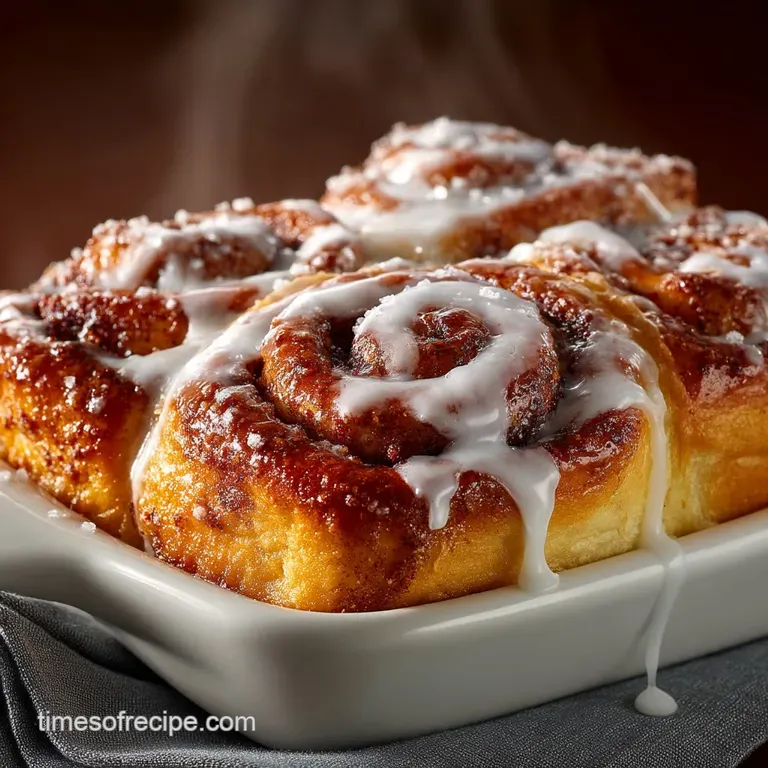
- The Ultimate Fluffy Sunday Morning Cinnamon Rolls with Tangy Cream Cheese Glaze
- Achieving Bakery-Style Perfection: An Overview
- The Science Behind the Softest Rolls
- Essential Ingredients for Dough, Filling, and Glaze
- Blueprint for Success: Detailed step-by-step Method
- Expert Techniques and Troubleshooting Common Roll Failures
- Extending the Freshness of Your Homemade Pastries
- Perfect Pairings to Elevate Your Brunch Spread
- Recipe FAQs
- 📝 Recipe Card
The Ultimate Fluffy Sunday Morning Cinnamon Rolls with Tangy Cream Cheese Glaze
Seriously, is there anything better than the smell of baking cinnamon rolls wafting through the house on a lazy Sunday morning? That gooey, sticky centre and the plush, cloud like dough it’s pure magic. We are aiming for that bakery quality spiral, the one that unwinds perfectly.
For years, I struggled, creating rolls that were hard and disappointingly dry in the middle. This recipe changed everything for me, unlocking the secret to softness. It’s slightly time intensive, yes, but the payoff is professional grade bakery treats, made cheaper and with zero questionable ingredients.
This isn't just another generic recipe off the internet. This is the culmination of years of failed attempts and late night research into yeast science. Trust me, these are the light and fluffy cinnamon rolls you’ve been dreaming of. Let’s crack on.
Achieving Bakery Style Perfection: An Overview
These are not the quick cinnamon rolls recipe no yeast you sometimes see floating around; those are fine, but they lack that deep, yeasted flavour. This is a true benchmark recipe for any home baker aiming for bakery quality results.
Our goal is to achieve maximum lift, a rich filling that doesn't leak out, and a bright, tangy glaze to cut through the sweetness. Making these fluffy cinnamon rolls at home is entirely achievable if you follow the golden rules of yeast handling and temperature control.
The Science Behind the Softest Rolls
You can’t just throw ingredients together and expect masterpiece cinnamon rolls ; we need science on our side. The real secret here is ensuring that every part of the roll from the dough structure to the filling consistency works together to maximize tenderness.
The Magic of Enriched Yeasted Dough
We use milk, butter, and eggs, which classifies this as an enriched dough. That added fat and sugar slows down gluten development during the kneading phase. This is why the finished product is tender and never tough, unlike lean doughs used for things like baguettes.
It’s the essential difference between a hard piece of toast and cloud like cinnamon rolls .
A Labor of Love: Estimated Time Commitment
Yes, this requires patience. We need two separate proofs, and there’s no getting around that time commitment. If you rush the first rise (bulk fermentation), your texture will be dense, robbing the rolls of flavour development.
Planning for the full three hours of total time is crucial for developing deep flavour and maximizing fluffiness.
Yield and Essential Equipment Needed
This recipe makes 12 massive rolls, which fits perfectly into a standard 9x13 inch baking dish. While hand kneading is entirely possible, a stand mixer makes quick work of this sticky, rich dough.
Do not skip the floss trick to cut the rolls; it’s an essential piece of "equipment" we will discuss later.
The Key to a Pillowy Crumb: Mastering Fat Content
We use butter in the dough, the filling, and the glaze. The butter for the dough is melted, but cooled. The butter for the filling, however, must be very soft like spreadable mayonnaise.
This ensures the filling spreads easily without tearing the fragile dough and melts perfectly during baking, keeping the centre gooey.
Proofing for Maximum Height and Tenderness
Proofing is a game of warmth, not heat. Yeast dies above 140°F (60°C). If your kitchen is cold (a common British winter issue!), place the covered bowl in a slightly warm (but switched off) oven.
A proper second proof is what allows the shaped rolls to spring up high, giving you those bakery level cinnamon rolls you crave.
Why a Tangy Glaze Balances the Sweetness
Too many recipes use a simple sugar glaze, which just makes the whole thing saccharine. But a true cream cheese glaze provides the essential tang. The slight acidity cuts through the intense sweetness of the brown sugar filling, making the entire batch of cinnamon rolls taste balanced and professional.
Essential Ingredients for Dough, Filling, and Glaze
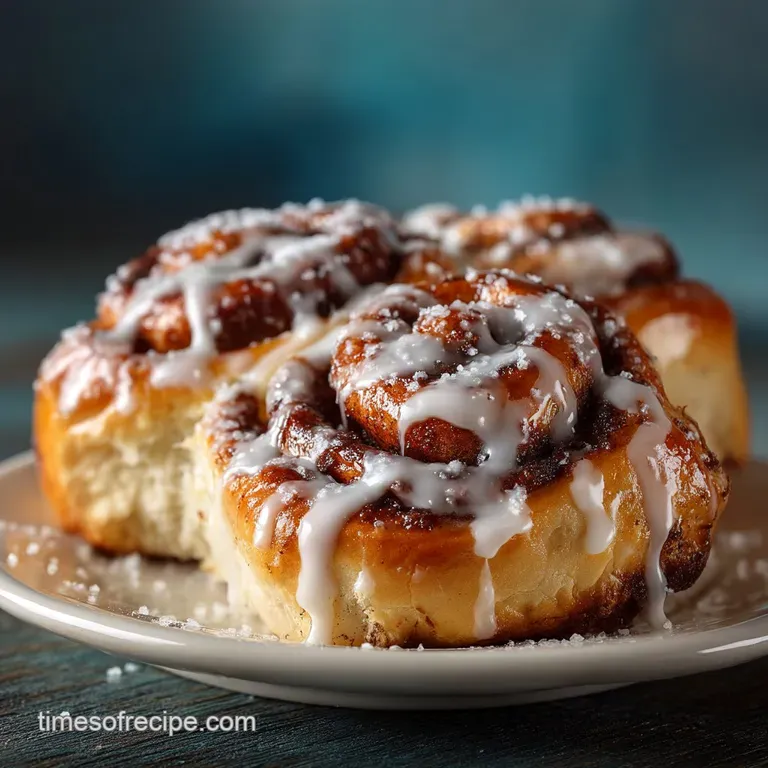
These are the components that build the best cinnamon rolls . Quality matters here, especially when it comes to the spices and dairy.
Selecting the Right Flour and Yeast for Lift
All-purpose flour works perfectly here, offering a good balance of chew and tenderness. If you only have bread flour, reduce the total quantity slightly, as it absorbs more liquid and can lead to a slightly tougher roll. Always check your active dry yeast expiration date; old yeast guarantees flat, sad results.
Making the Signature Brown Sugar and Spice Filling
Don't skimp on the cinnamon quality. Saigon cinnamon is potent, warm, and spicy perfect for gooey cinnamon rolls . Use dark brown sugar for deeper molasses flavour, making the filling stickier and richer.
If you prefer a milder flavour, Ceylon cinnamon works, but you might need to use a little more.
Ingredient Swaps: Creating dairy-free or Vegan Variations
Need to cater to dietary restrictions? No problem! Making vegan cinnamon rolls is surprisingly easy now with modern alternatives. Substitute all the dairy with high fat, unsweetened alternatives, and use a flax egg replacer for the structure the eggs provide.
| Ingredient | Substitute | Notes |
|---|---|---|
| Whole Milk | Oat milk or Soy milk | Ensure it is unflavored and warmed appropriately for yeast. |
| Eggs | Flax egg (1 Tbs flax meal + 3 Tbs water per egg) | Works best for enriched dough; may slightly reduce lift. |
| Unsalted Butter | Plant based Butter Sticks | Use a solid stick variety for structure and flavor. |
| Cream Cheese | Vegan Cream Cheese Alternative | Look for brands specifically designed for baking. |
Our Secret Weapon: Getting the Tangy Cream Cheese Right
The cream cheese and butter for the glaze must be at room temperature, but not melted. If they are cold, they won't emulsify and the glaze will be lumpy and grainy, not smooth and luscious.
We want a smooth, pipeable consistency that melts beautifully over the warm cinnamon rolls .
Blueprint for Success: Detailed step-by-step Method
Ready to roll? Follow this step-by-step guide to baking incredibly light and fluffy cinnamon rolls .
Phase I: Kneading the Enriched Dough and First Rise
I used to think the dough had to be perfectly smooth right away, but that's misleading. The initial dough is sticky and shaggy. Knead for the full 8– 10 minutes until it barely sticks to your fingers; this is where the gluten develops strength.
Remember the bowl should be lightly oiled, preventing the dough from sticking when it’s time to shape those lovely cinnamon rolls . This long, slow rise is essential for flavour development.
Phase II: Spreading the Filling and Rolling the Log
The secret to perfect spirals is even spreading. Get that super soft filling right to the edges of the 12x18 inch rectangle, leaving only a tiny margin on the final rolling edge to seal the seam. When rolling, pull the dough tight initially, ensuring there are no air gaps inside the log.
This tightness guarantees defined, beautiful spirals in your finished cinnamon rolls .
Phase III: The Critical Second Proof and Baking Temperature
The second proof is non-negotiable; let them get puffy, nearly touching in the pan. We bake at a slightly high temperature (375°F / 190°C) initially to set the structure quickly and encourage a deep golden brown crust. If you loved working with this style of enriched dough, you should definitely check out my Pandesal Recipe: Softest Classic Filipino Bread Rolls next!
Phase IV: Whipping Up the Tangy Cream Cheese Glaze
Whip the softened cream cheese and butter until they are truly light and airy. It should look bright white and fluffy before you add the sifted icing sugar and vanilla. We want the glaze thick enough to sit on top of the cinnamon rolls but loose enough to drip down the sides for that classic, sticky appearance.
Expert Techniques and Troubleshooting Common Roll Failures
We’re fixing the common issues that sabotage otherwise perfect cinnamon rolls .
Preventing Dry Dough: Checking Internal Temperature
Mistake: Baking too long. Fix: Use a meat thermometer! Dry, over baked dough is the number one tragedy of home baking. Pull the pan from the oven the second the centre registers 200 205°F (93 96°C); the residual heat will finish them off beautifully without drying them out.
The Trick to Perfectly Uniform Slices
If your rolls are oval or squashed, you are using the wrong tool. A knife, especially a serrated one, drags the soft, enriched dough. Unflavored dental floss gives you a sharp, clean cut and preserves the spiral shape of all 12 gorgeous cinnamon rolls. Slide, cross, and pull. It's effortless.
What to Do If Your Dough Isn't Rising
If your dough hasn’t doubled in size after 90 minutes, your kitchen might be too cold, or your yeast might be dead. Did you check the milk temperature? Try moving the bowl to a warmer location, like on top of a running dryer or in a warm oven (under 80°F).
Give it another 30 minutes before declaring defeat.
Chef’s Note: Never add the sugar and salt directly onto the yeast/milk mixture when blooming. Salt inhibits yeast activity, and sugar can overfeed it and exhaust the yeast prematurely. Always mix dry ingredients separately!
Extending the Freshness of Your Homemade Pastries
Baked cinnamon rolls are, undeniably, best served fresh and warm. But here is how to keep them soft and enjoyable past the first day.
Freezing Unbaked Rolls (Overnight Prep Method)
This is my favourite trick for overnight prep. Shape the rolls and place them in the baking dish. Cover the dish tightly with two layers of plastic wrap and freeze immediately. The night before baking, transfer them to the fridge to thaw slowly overnight.
In the morning, let them proof at room temperature for about 90 minutes before baking as directed.
Best Practices for Storing Leftovers
Store glazed cinnamon rolls in an airtight container at room temperature for up to two days, or refrigerated for up to four days. If you haven't glazed them yet, they store slightly better unglazed, retaining their moisture longer. Always ensure the container is airtight to prevent staling.
Reheating Baked Cinnamon Rolls Without Drying Them Out
Reheating can ruin perfect rolls if done wrong, turning them into tough bricks. For single rolls, wrap loosely in aluminum foil and reheat in a 300°F (150°C) oven for 10 minutes.
The foil traps the moisture that gets released, resulting in gooey, soft cinnamon rolls just like they were fresh.
Perfect Pairings to Elevate Your Brunch Spread
These decadent cinnamon rolls deserve great company.
The Coffee Contrast
The intense sweetness of the brown sugar filling and the glaze requires a strong, bitter partner. A robust dark roast coffee or a straight shot of espresso is essential to cut through the richness. That perfect balance allows you to enjoy three rolls instead of just two!
A Savoury Bite
Don't forget the salty balance that brunch requires! A few strips of crispy, thick cut bacon or perhaps a small, flavourful sausage patty works wonders alongside the sweet swirls. If you're looking for another fun, hand held recipe contrast, my recipe for Cheesy Philly Cheesesteak Egg Rolls: Crispy Game Day Appetizers offers a perfect savoury counterpoint.
Fresh Fruit and Acidity
A simple fruit salad, heavy on the tart fruits like raspberries, blueberries, or kiwi, is the perfect, bright accompaniment. The acidity wakes up your palate after all that buttery goodness and makes the indulgence feel slightly less guilty.
These fluffy cinnamon rolls are a project, absolutely. But when you pull that golden pan from the oven and the incredible scent hits you, you realize the effort was entirely worth it. Go forth and conquer the enriched dough.
You deserve the best, gooiest homemade cinnamon rolls imaginable.
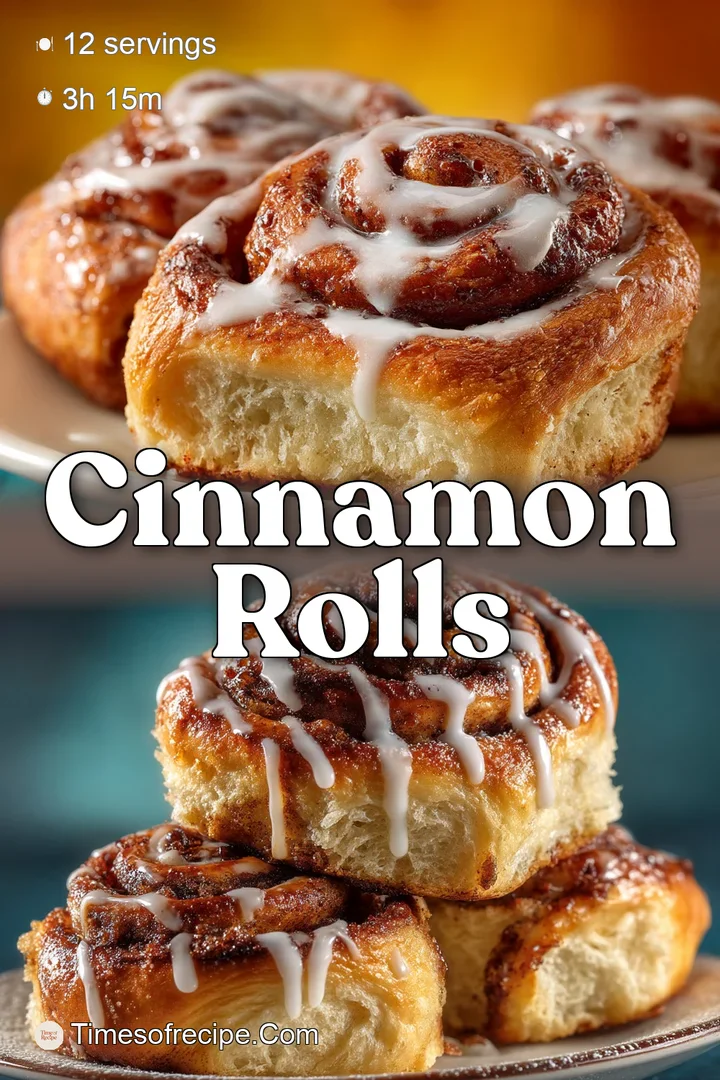
Recipe FAQs
Why are my finished cinnamon rolls dry or tough?
This is typically due to over mixing the dough, which develops too much gluten, or over baking. Ensure you remove the rolls from the oven just when the edges are golden, and the centers still look slightly soft to preserve moisture.
Over flouring during the rolling process can also incorporate too much dry flour into the final product, absorbing essential liquids.
My dough isn't rising properly. What went wrong?
The most common culprit is inactive yeast, often because the milk temperature was too hot (above 130°F/55°C) and killed the yeast. Alternatively, your proofing environment might be too cold; try placing the covered dough in an oven that has been turned off but previously warmed slightly to create a consistent, low-heat environment.
Always check the expiration date on your yeast for reliable activation.
Can I prepare the cinnamon rolls overnight?
Absolutely. After the final shaping and slicing, place the rolls in the baking pan, cover them tightly, and refrigerate immediately for a cold proof. The slow, cold fermentation develops a richer flavor profile.
In the morning, allow them to sit at room temperature for 60 90 minutes before baking to ensure they are light and properly proofed.
How do I freeze cinnamon rolls, and should they be baked first?
For optimal texture, it is best to freeze them unbaked. Place the cut, unproofed rolls in the baking pan, wrap tightly in plastic wrap and foil, and freeze for up to six weeks. When you are ready to use them, transfer the frozen pan directly to the fridge overnight to thaw slowly, then proceed with the final proof and baking instructions.
What is the best technique for slicing the dough log evenly?
The cleanest and most effective method is using unflavored dental floss or kitchen twine, rather than a knife. Slide a long piece of floss underneath the rolled log, cross the ends over the top where you want the cut, and pull quickly.
This prevents the delicate, soft dough from being squashed, perfectly preserving the spiral shape.
Can I substitute the butter and milk to make this recipe dairy-free?
Yes, this enriched dough adapts well to dairy substitutions. Use a high-quality plant based butter (preferably in stick form) and substitute the whole milk with full fat oat milk or cashew milk for similar richness and moisture.
Note that the cream cheese glaze will also need to be modified using dairy-free cream cheese alternatives.
Fluffy No Yeast Cinnamon Rolls
Ingredients:
Instructions:
Nutrition Facts:
| Calories | 220 kcal |
|---|---|
| Protein | 4.0 g |
| Fat | 7.0 g |
| Carbs | 36.0 g |
