Garlic Shrimp Scampi: Velvety Butter Finish
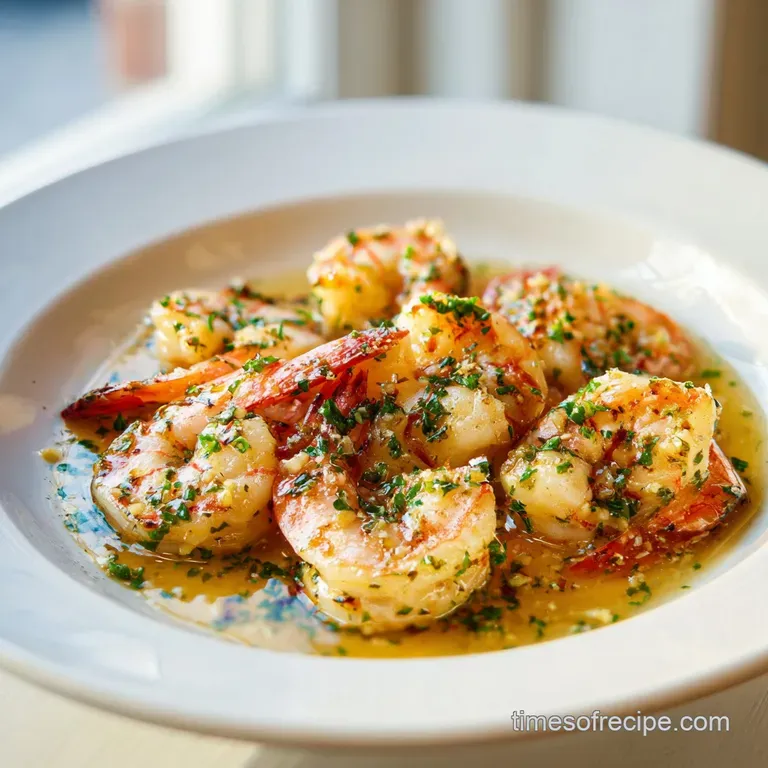
- Time: Active 5 minutes, Passive 5 minutes, Total 10 minutes
- Flavor/Texture Hook: Zesty garlic punch with a buttery, velvety finish
- Perfect for: Bold family dinners or satisfying weeknight meals
- The Secret to Making Hearty Garlic Shrimp Scampi
- Bold Results through Temperature Control
- Scientific Analysis of Primary Components
- Essential Elements and Bold Substitutions
- Strategic Execution of the Cooking Process
- Solving Common Scampi Performance Issues
- Adjusting Volume for Family Gatherings
- Debunking Kitchen Narratives
- Preservation and Waste Reduction
- Creative Serving Architecture
- Recipe FAQs
- 📝 Recipe Card
The Secret to Making Hearty Garlic Shrimp Scampi
The moment the sliced garlic hits the hot oil, the entire house changes. It’s that sharp, punchy aroma that signals a serious meal is coming. I remember the first time I tried to make this for my brothers; I was so worried about overcooking the seafood that I ended up with a pale, watery mess.
I learned the hard way that you need confidence and a screaming hot pan to get that savory, browned edge on the shrimp.
We’re going for a dish that feels substantial and unapologetic. This isn’t a delicate appetizer; it’s a hearty Garlic Shrimp Scampi meant to be served with a big loaf of crusty bread to soak up every drop of that golden sauce.
By layering the heat from the red pepper and the richness of cold butter, we create a depth of flavor that lingers long after the plates are cleared. It’s about that satisfying thrum of garlic and the bright snap of lemon working together.
Bold Results through Temperature Control
Success with this recipe relies on two specific thermal events that happen in the pan. We aren't just heating things up; we are transforming proteins and fats into something far more complex than the sum of their parts.
- Maillard Reaction: High heat creates a savory brown crust on the exterior of the shrimp, adding deep umami notes that raw or steamed seafood lacks.
- Fat Emulsification: Adding cold butter to the warm wine reduction creates a stable, thickened sauce rather than a broken, greasy puddle.
- Aromatic Infusion: Slow toasting the sliced garlic in oil before deglazing ensures the flavor permeates the entire fat base without burning the cloves.
Timing for Optimal Doneness
| Shrimp Size | Searing Time | Internal Temp | Visual Cue |
|---|---|---|---|
| Large (16/20) | 2 mins per side | 145°F (63°C) | Opaque and "C" shaped |
| Jumbo (11/15) | 3 mins per side | 145°F (63°C) | Flesh turns pearly white |
| Medium (31/40) | 1 min per side | 145°F (63°C) | Tail curls toward the head |
This timing ensures the center remains succulent while the exterior develops a satisfying bite. Overcooking leads to an "O" shape, which usually means the proteins have tightened too much and become rubbery.
Scientific Analysis of Primary Components
To understand why this Garlic Shrimp Scampi hits so hard, we have to look at how the Shrimp Scampi Ingredients interact under pressure. Every component serves a structural or chemical purpose in the final emulsion.
| Component | Science Role | Pro Secret |
|---|---|---|
| Large Shrimp | Protein structure | Dry them with paper towels to ensure the sizzle doesn't turn into a steam. |
| Garlic Cloves | Flavor volatile base | Slice thinly rather than mincing to prevent burning while maximizing surface area. |
| Dry White Wine | Acidic deglazer | The alcohol helps bridge the gap between water soluble and fat soluble flavor compounds. |
| Cold Butter | Emulsifying agent | Keep it in the fridge until the very second you need it to ensure a velvety texture. |
Using cold butter is non negotiable here. If the butter is room temperature, it melts too quickly and the milk solids separate from the fat. We want those milk solids to stay suspended to give us that rich, satisfying mouthfeel that makes this the Best Shrimp Scampi Recipe in your rotation.
Essential Elements and Bold Substitutions
For this recipe, we are using 1.5 lbs large shrimp, peeled and deveined. This provides enough protein for a family of four. We also need 0.5 tsp kosher salt and 8 cloves garlic, which we will thinly slice to create a beautiful visual and a mellowed flavor.
The 1 tsp red pepper flakes provide the heat, while 2 tbsp extra virgin olive oil handles the over high heat searing.
The liquid base consists of 0.5 cup dry white wine and 1 tbsp fresh lemon juice. To finish, we use 0.25 cup unsalted butter (cold and cubed) and 0.25 cup fresh parsley, chopped.
- Large Shrimp: 1.5 lbs. Why this? Provides a meaty texture that holds up to the over high heat searing process.
- Substitute: Scallops. They offer a similar sweetness but require a shorter sear.
- Garlic Cloves: 8 cloves. Why this? Slicing them creates a "garlic chip" effect that is less bitter than minced garlic.
- Substitute: Shallots. Use 2 large ones for a sweeter, more subtle aromatic base.
- Dry White Wine: 0.5 cup. Why this? Cuts through the richness of the butter and deglazes the pan bits.
- Substitute: Chicken stock with an extra squeeze of lemon for a non alcoholic version.
- Unsalted Butter: 0.25 cup. Why this? Cold cubes create a thick, glossy sauce through mechanical emulsification.
- Substitute: Ghee. It won't emulsify the same way but offers a rich, nutty flavor.
If you are looking for a variation that skips the stovetop entirely, you might enjoy the technique used in a Rich Creamy Garlic recipe where the sauce is built differently for rice pairings.
Strategic Execution of the Cooking Process
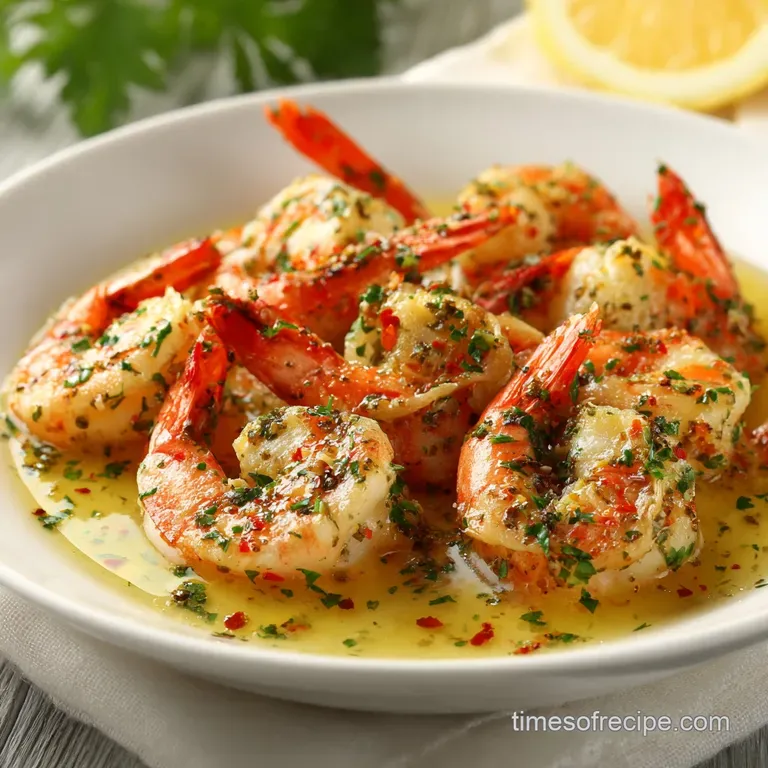
Building the layers of flavor in this Easy Garlic Shrimp Scampi requires moving fast. You want your mise en place (everything in its place) ready before the pan even touches the flame.
- Pat 1.5 lbs large shrimp completely dry with paper towels. Note: Excess moisture prevents the Maillard reaction from creating a savory crust.
- Season the shrimp with 0.5 tsp kosher salt.
- Heat 2 tbsp extra virgin olive oil in a large skillet over medium high heat until it shimmers and wisps of smoke appear.
- Add the shrimp in a single layer and sear for 2 minutes until the edges are pink and golden brown. Remove shrimp and set aside.
- Lower heat to medium and add 8 thinly sliced garlic cloves and 1 tsp red pepper flakes. Note: This infuses the oil with bold spice and aromatic oils.
- Sauté for 1 minute until the garlic is fragrant and light golden. Do not let it turn dark brown or it will taste bitter.
- Pour in 0.5 cup dry white wine. Scrape the bottom of the pan to release the flavorful browned bits.
- Simmer the wine for 2 minutes until the liquid reduces by half.
- Whisk in 0.25 cup cold, cubed butter one piece at a time. Note: Constant agitation creates a velvety, thick sauce.
- Return the shrimp to the pan along with 1 tbsp lemon juice and 0.25 cup chopped parsley. Toss for 30 seconds until the seafood is coated and glossy.
The Science of Dry Searing
When you place a wet shrimp into a hot pan, the energy of the heat is first used to evaporate the water. This creates steam, which "boils" the exterior of the seafood, leaving it grey and rubbery. By drying the surface thoroughly, the heat immediately begins caramelizing the proteins.
This is why a stainless steel or cast iron pan is often better than non stick for this Homemade Garlic Shrimp Scampi; it allows for better heat retention and "fond" (browned bits) development.
The Cold Butter Emulsification Method
This is a classic French technique called monter au beurre. By whisking cold fat into a hot, acidic liquid, you are creating a temporary emulsion. The cold temperature of the butter prevents it from melting instantly, allowing the milk solids to act as an emulsifier.
This results in a Shrimp Scampi with Garlic Butter Sauce that is thick enough to cling to pasta or bread, rather than just running off.
Solving Common Scampi Performance Issues
The most common complaint with a Garlic Shrimp Scampi Recipe is that the sauce is too thin or the garlic tastes burnt. These are usually results of timing errors rather than ingredient quality.
Overcoming Textural Challenges
If your sauce looks like yellow oil at the bottom of the bowl, the emulsion has "broken." This happens if the pan is too hot when the butter is added or if the butter wasn't cold enough. To fix it, remove the pan from the heat entirely, add a splash of water or wine, and whisk vigorously.
Quick Fix Troubleshooting
| Problem | Root Cause | Solution |
|---|---|---|
| Bitter Aftertaste | Garlic was sautéed too long or at too high a heat. | Add a pinch of sugar or extra lemon to balance the bitterness. |
| Rubbery Seafood | Shrimp remained in the pan during the wine reduction. | Always remove shrimp after the initial sear and return at the very end. |
| Thin/Watery Sauce | Wine didn't reduce enough before adding butter. | Simmer the wine until it looks syrupy before whisking in the fat. |
For those managing dietary restrictions, the process is very similar to a gluten-free Shrimp recipe where we focus on maximizing the natural juices of the seafood.
Common Mistakes Checklist
- ✓ Forgetting to devein the shrimp (this leaves a gritty, unpleasant texture).
- ✓ Using bottled lemon juice (the preservatives lack the bright, floral acidity of fresh fruit).
- ✓ Adding the butter all at once (this drops the pan temp too fast and prevents a smooth emulsion).
- ✓ Crowding the pan (work in batches if your skillet isn't large enough to keep the shrimp in a single layer).
- ✓ Using "cooking wine" (these are often loaded with salt; use a wine you would actually drink).
Adjusting Volume for Family Gatherings
Scaling this recipe is straightforward, but you must be careful with the aromatics. Doubling the garlic doesn't always mean doubling the flavor sometimes it just makes the dish harsh.
- Scaling Down (2 Servings): Use a smaller 8 inch skillet. Reduce the wine to 1/4 cup but keep the lemon juice the same to maintain brightness. Cook times remain identical.
- Scaling Up (8 Servings): Do not try to cook 3 lbs of shrimp at once. Sear the shrimp in three separate batches to ensure they get that golden crust. Increase the wine to 3/4 cup (not a full cup) to prevent the sauce from becoming too thin.
If you find yourself needing to feed a crowd with a more complex seafood profile, a Crab Rangoon Recipe can be a great satisfying appetizer to serve alongside the scampi.
| Method | Total Time | Resulting Texture | Best For |
|---|---|---|---|
| Traditional Skillet | 10 mins | Crispy edges, velvety sauce | Ultimate flavor depth |
| Sheet Pan | 15 mins | Tender, poached texture | Feeding 6+ people at once |
| Air Fryer | 8 mins | Very crispy, drier sauce | Quick snack or topping |
Debunking Kitchen Narratives
One persistent myth is that you must use expensive wine for a Shrimp Scampi with Garlic Butter Sauce. The truth is that the subtle nuances of a $50 bottle are lost once you add eight cloves of garlic and red pepper flakes. A clean, crisp $10 Pinot Grigio or Sauvignon Blanc is perfect.
Another misconception is that "fresh is always better" when it comes to shrimp. In reality, most "fresh" shrimp at the grocery store was previously frozen and thawed in the display case.
Buying high-quality frozen shrimp (IQF - Individually Quick Frozen) often gives you a better result because they are frozen within hours of being caught, preserving their snap and sweetness.
Preservation and Waste Reduction
This Garlic Shrimp Scampi Quick meal is best enjoyed immediately because the butter sauce will solidify as it cools. However, if you have leftovers, they can be salvaged with the right technique.
- Fridge Storage: Store in an airtight container for up to 2 days. The shrimp will continue to toughen slightly the longer they sit in the acid.
- Reheating: Do not use the microwave. Instead, place a skillet over low heat with a tablespoon of water or broth. Add the leftovers and stir gently just until the butter melts and the shrimp is warm.
- Zero Waste Tip: Save the shrimp shells in a freezer bag. When you have a few handfuls, simmer them with water, onion scraps, and parsley stems to create a quick seafood stock for your next risotto or soup. The parsley stems themselves have more flavor than the leaves; mince them very finely and sauté them right along with the garlic.
Creative Serving Architecture
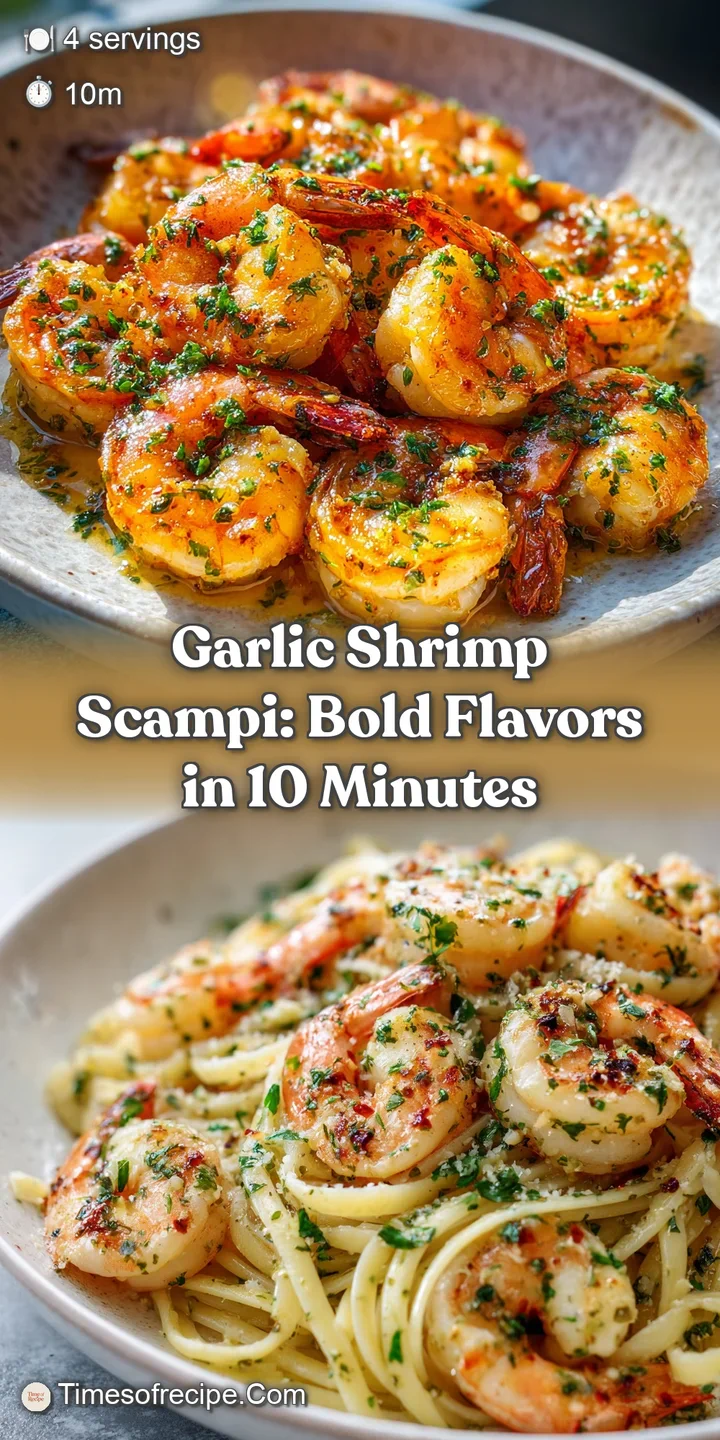
While Garlic Butter Shrimp Scampi Pasta is the classic choice (linguine or angel hair work best), there are heartier ways to plate this.
- The Classic Noodle: Toss the scampi directly with al dente pasta. Add a splash of pasta water to the pan as you toss; the starch helps the butter sauce bind even more tightly to the noodles.
- The Low Carb Alternative: Serve the shrimp and its bold sauce over a bed of sautéed zoodles or roasted spaghetti squash. The squash strands act like sponges for the garlic butter.
- The Bistro Style: Serve the shrimp in a shallow bowl with a thick slab of sourdough bread that has been charred on the grill. This is my favorite way to eat it there's something so satisfying about dipping bread into that pool of garlic infused fat.
Whatever you choose, make sure your plates are warm. A cold plate will break the butter emulsion instantly, turning your beautiful sauce into a solid coating. This is a meal meant for big flavors, loud conversation, and the inevitable fight over who gets the last piece of bread to wipe the pan clean.
Recipe FAQs
What are some common mistakes to avoid when making shrimp scampi?
Crowding the pan and overcooking the shrimp. If you crowd the pan, the temperature drops, causing the shrimp to steam rather than sear, resulting in a pale, rubbery texture.
What are the ingredients in garlic shrimp scampi?
Large shrimp, garlic, butter, dry white wine, lemon juice, olive oil, and parsley. These components build the foundational bold flavor and the signature emulsified sauce.
What's the secret to a flavorful scampi?
Using cold cubed butter added off the heat to create a stable emulsion. Whisking cold fat into the hot wine reduction creates a velvety sauce that coats every piece of seafood beautifully; see how this same principle creates rich texture in our Honey Garlic Meatballs recipe.
What is the best way to cook garlic shrimp?
Sear the shrimp quickly over medium high heat until just opaque, then remove immediately from the pan. This prevents the protein from tightening up while you build the sauce base with aromatics.
Why is my scampi sauce thin and oily?
The butter was added while the pan was too hot, or the wine did not reduce sufficiently. The goal is to whisk cold butter into a warm, slightly syrupy reduction to achieve a stable emulsion.
Can I substitute the white wine with something else?
Yes, you can substitute with chicken stock plus extra lemon juice for a non-alcoholic base. The wine primarily acts as an acid to deglaze the pan and cut through the fat.
Is it true that using previously frozen shrimp ruins scampi texture?
No, this is a common misconception. high-quality, Individually Quick Frozen (IQF) shrimp often retains better texture than so-called "fresh" shrimp that has been thawed for days.
Garlic Shrimp Scampi Recipe
Ingredients:
Instructions:
Nutrition Facts:
| Calories | 341 kcal |
|---|---|
| Protein | 31.4 g |
| Fat | 20.2 g |
| Carbs | 3.8 g |
| Fiber | 0.4 g |
| Sugar | 0.6 g |
| Sodium | 585 mg |
