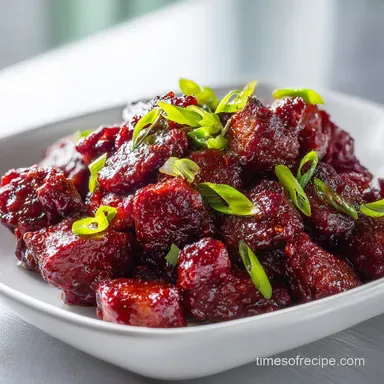
General Tso's Chicken: Better Than Takeout
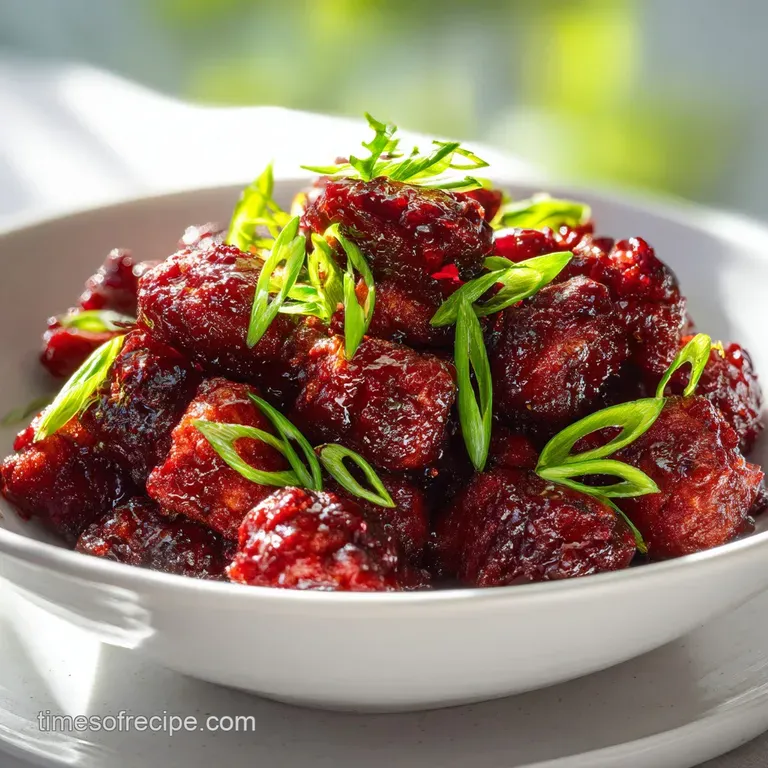
- Time: 15 min active + 15 min cook = Total 30 minutes
- Flavor/Texture Hook: Shatter crisp exterior with a velvety, mahogany glaze
- Perfect for: A fast weeknight dinner that beats takeout
- The Secret to That Shatter Crunch
- Essential Recipe Details
- Everything You'll Need
- Necessary Kitchen Tools
- Step by Step Cooking Guide
- Handling Common Cooking Hiccups
- Twists and Swaps
- Saving and Warming Leftovers
- The Best Ways to Serve
- Debunking Common Kitchen Myths
- High in Sodium
- Recipe FAQs
- 📝 Recipe Card
That sudden, sharp hit of toasted sesame and garlic hitting a screaming hot pan is a smell that instantly takes me back to rainy Tuesday nights. I used to crave that specific, sticky sweet heat from the local spot, but the delivery always arrived lukewarm and the chicken had lost its crunch.
I remember the first time I tried to replicate it at home, I rushed the process and threw everything in the pan at once. I ended up with a soggy, brown mess that tasted more like sweet soy soup than actual dinner.
My grandmother just shook her head and told me to slow down and treat the cornstarch like a shield. She taught me that the magic isn't in the sauce, but in how you protect the protein from the sauce. Once I stopped rushing and started focusing on the sizzle, everything changed.
Now, this General Tso's Chicken is my go to when I want something hearty and satisfying without spending two hours in the kitchen. It's a bold, comforting dish that feels like a treat but comes together in a flash.
Trust me on this, once you get that mahogany glaze just right, you'll never call the delivery place again.
The Secret to That Shatter Crunch
Most people treat the coating as an afterthought, but it's actually the most important part of the dish. If the chicken doesn't have a proper barrier, the sauce just penetrates the meat, leaving you with a mushy texture.
By using cornstarch instead of flour, we create a thinner, crispier shell that can withstand the heat of the wok.
The Starch Shield: Cornstarch creates a tighter seal than flour, which prevents moisture from escaping the chicken. This keeps the inside juicy while the outside gets that signature snap.
Heat Management: Searing the meat in a single layer ensures the oil stays hot. If you crowd the pan, the temperature drops and the chicken steams instead of frying, which is the fastest way to ruin the texture.
The Glaze Bond: Adding the cornstarch slurry at the very end transforms a thin liquid into a thick syrup. This syrup coats the chicken in a thin layer rather than soaking into it, preserving the crunch.
Chef's Note: If you want an even deeper crunch, try freezing your cornstarch for 30 minutes before coating the chicken. It helps the powder stay separate and creates a lighter, airier crust.
Essential Recipe Details
When you're making General Tso's Chicken, you have a choice between the "fast" way and the "classic" way. The fast way, which we're using here, focuses on efficiency without sacrificing the bold flavor profile.
The classic way often involves deep frying the chicken twice, which is great but takes way more time and leaves your kitchen smelling like a fry cooker for three days.
The goal here is a balanced heat. We aren't looking for "burn your tongue" spicy, but rather a slow, warming heat that builds as you eat. This comes from the combination of dried red chilies and the pungent kick of fresh ginger.
| Method | Time | Texture | Best For |
|---|---|---|---|
| Fast Sear | 30 mins | Crispy & Glazed | Weeknight dinners |
| Classic Double Fry | 60 mins | Hard Crunch | Special occasions |
| air-fried | 40 mins | Lighter Crisp | Healthier options |
Right then, let's talk about the balance. The rice vinegar provides a sharp contrast to the brown sugar, and the hoisin adds a fermented depth that you just can't get from soy sauce alone. It's all about that tug of-war between sweet, sour, and spicy.
Everything You'll Need
For the best results, don't even bother with low-fat substitutes. The fat in the oil and the sugars in the sauce are what create those bold, comforting notes. Using high-quality soy sauce makes a huge difference here, as a cheap, overly salty brand can overpower the ginger.
| Ingredient | Science Role | Pro Secret |
|---|---|---|
| Cornstarch | Texture Barrier | Use it for both the coating and the thickening slurry |
| Rice Vinegar | Acid Balance | Cuts through the sugar to prevent the sauce from being cloying |
| Brown Sugar | Caramelization | Creates the glossy, mahogany sheen on the finished dish |
| Hoisin Sauce | Umami Depth | Adds a complex, salty sweet base that mimics restaurant flavors |
The Main Components
- 1.5 lbs boneless skinless chicken breast, cubed into 1 inch pieces Why this? Uniform size ensures every piece cooks at the same rate
- 1/2 cup cornstarch Why this? Essential for that shatter crisp exterior
- 1 tsp salt
- 1/2 tsp black pepper
- 2 tbsp vegetable oil Why this? High smoke point prevents burning
- 1/4 cup low sodium soy sauce Why this? Allows you to control the salt levels
- 3 tbsp rice vinegar Why this? Adds a bright, tangy zip
- 2 tbsp brown sugar Why this? For a rich, molasses like sweetness
- 1 tbsp hoisin sauce Why this? Provides that deep, savory "X factor"
- 1 tbsp fresh ginger, minced Why this? Fresh is non negotiable for the aroma
- 3 cloves garlic, minced
- 1 tsp sesame oil Why this? Added at the end for a nutty finish
- 1 tsp cornstarch dissolved in 1 tbsp water (the slurry)
- 4 dried red chilies, chopped Why this? Provides a smoky, controlled heat
- 2 stalks green onions, sliced
- 1 tsp toasted sesame seeds
Necessary Kitchen Tools
You don't need a professional kitchen to make a killer General Tso's Chicken, but a few specific tools help. A carbon steel wok is the gold standard because it distributes heat unevenly, allowing you to sear in one spot and toss in another. However, a large non stick skillet works just as well for most home cooks.
I always suggest using a wide mixing bowl for the chicken. You want plenty of room to toss the pieces without knocking the cornstarch coating off. A small whisk is also handy for the slurry, as any lumps of cornstarch will leave white streaks in your beautiful mahogany glaze.
Finally,, have a paper towel lined plate ready. When you pull the chicken out of the pan, you want to drain the excess oil immediately. If the chicken sits in its own oil, the bottom pieces will turn soggy before they even hit the sauce.
Step by step Cooking Guide
Let's crack on. The key here is timing. You want the sauce to be thick and bubbling exactly when the chicken is ready to go back in. If the sauce overcooks, it becomes a gluey paste; if it's undercooked, it'll slide right off the meat.
Preparing the Chicken
- Toss the cubed chicken breast with salt, pepper, and cornstarch in a bowl until evenly coated. Note: Make sure there are no dry flour pockets
- Let the chicken sit for 5 minutes. Wait until the powder looks slightly damp. This allows the cornstarch to bond with the meat, so the coating doesn't slide off during frying.
Achieving the Golden Crunch
- Heat vegetable oil in a large wok or non stick skillet over medium high heat until shimmering.
- Sear chicken in a single layer for 3-4 minutes per side until golden brown and firm. You should hear a constant, aggressive sizzle.
- Remove the chicken to a paper towel lined plate. Let it rest for a moment to let the crust set.
Crafting the Glaze
- In the same pan, sauté minced garlic, ginger, and dried chilies for 30 seconds. Wait until the garlic smells fragrant but isn't brown.
- Stir in soy sauce, rice vinegar, brown sugar, and hoisin sauce. Simmer for 2 minutes until the sugar has completely dissolved.
- Whisk in the cornstarch slurry. Continue stirring for about 1 minute until the sauce thickens into a glossy, translucent glaze.
Finishing the Dish
- Return the crispy chicken to the pan. Toss rapidly over high heat for 60 seconds until every piece is coated in a velvety layer of sauce.
- Remove from heat immediately. Garnish with sliced green onions and toasted sesame seeds.
Chef's Note: Don't over toss! If you leave the chicken in the sauce for too long, the crust will absorb the liquid and lose that shatter crisp quality. 60 seconds is plenty.
Handling Common Cooking Hiccups
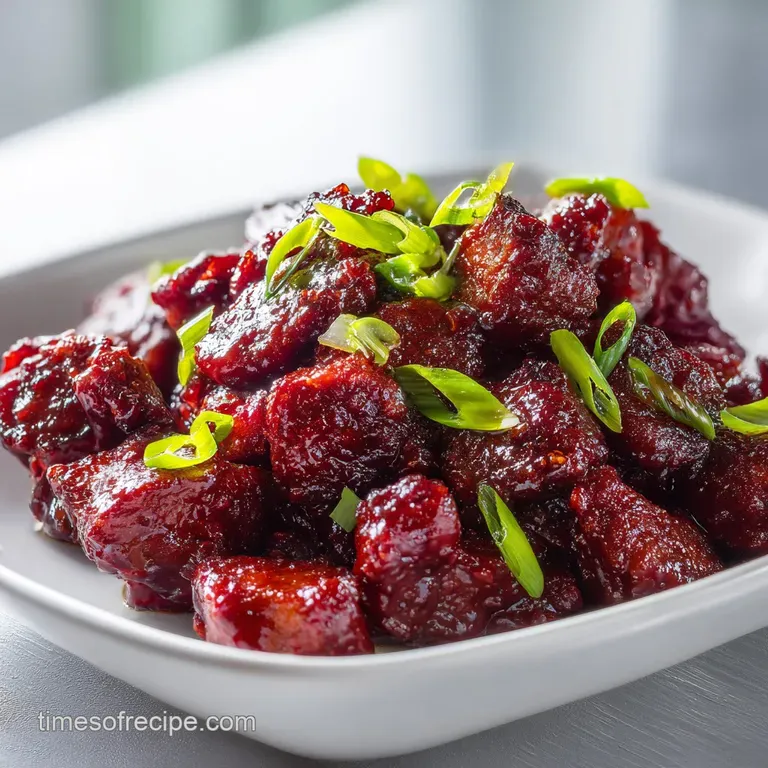
Even the best of us hit a snag now and then. The most common issue with General Tso's Chicken is the "soggy factor." This usually happens because of temperature drops or too much sauce. If your sauce is too thin, it will soak into the breading like a sponge.
Why Your Chicken Is Soggy
If the chicken loses its crunch, it's usually because the pan wasn't hot enough or the chicken was crowded. When the meat releases moisture and can't evaporate quickly, it steams. This ruins the starch barrier we worked so hard to build.
| Problem | Root Cause | Solution |
|---|---|---|
| Soggy Coating | Pan too crowded | Cook in two smaller batches |
| Sauce is too thin | Slurry not whisked | Simmer 1 min longer before adding chicken |
| Burnt Garlic | Heat too high | Add aromatics just before the liquid ingredients |
Another common problem is the sauce becoming too sweet. This often happens if the brown sugar is unevenly distributed or if you use a hoisin brand that is sugar heavy. A splash of extra rice vinegar can usually pull it back into balance.
Common Mistakes Checklist
- ✓ Avoid using frozen chicken without thawing it completely.
- ✓ Don't skip the 5 minute rest after coating the chicken.
- ✓ Ensure the oil is shimmering before adding the meat.
- ✓ Only toss the chicken in the sauce for 60 seconds max.
- ✓ Use a slurry, not just dry cornstarch, to thicken the sauce.
Twists and Swaps
One of the best things about this recipe is how flexible it is. While the traditional version uses chicken breast, you can easily adapt it to your preferences. If you're looking for something with a different vibe, you might enjoy my Thai Peanut Chicken Stir Fry, which swaps the soy vinegar base for a creamy, nutty sauce.
For those who want to cut back on the meat, cauliflower is a fantastic substitute. Just toss the florets in the same cornstarch mixture and roast them at 400°F (200°C) for 20 minutes before tossing them in the glaze.
| Original Ingredient | Substitute | Why It Works |
|---|---|---|
| Brown Sugar (2 tbsp) | Honey (2 tbsp) | Similar sweetness. Note: Makes the glaze stickier and slightly floral |
| Chicken Breast | Chicken Thighs | Higher fat content. Note: More juicy, but takes 1-2 mins longer to sear |
| Dried Red Chilies | Sriracha (1 tbsp) | Fresh heat. Note: Less smoky flavor, more vinegary kick |
| Soy Sauce | Tamari (GF) | Similar saltiness. Note: Essential for gluten free General Tso's Chicken |
If you find the heat from the dried chilies too intense, you can simply remove the seeds from the chilies before chopping them. This keeps the aroma and color but removes the sharp sting. For those who love a real fire, adding a teaspoon of red pepper flakes during the sauté step will give it that extra punch.
Saving and Warming Leftovers
General Tso's Chicken is great for meal prep, but reheating is where most people go wrong. If you microwave it, the cornstarch breaks down and the chicken becomes rubbery. The best way to revive it is in the oven or an air fryer.
Storage Guidelines Store leftovers in an airtight container in the fridge for up to 3 days. If you're freezing it, I recommend freezing the cooked chicken and the sauce separately. This prevents the chicken from becoming a soggy block of ice. It'll stay good in the freezer for about 2 months.
Reheating for Crunch Preheat your oven to 350°F (180°C). Spread the chicken on a baking sheet and heat for 5-8 minutes. This helps the fats in the coating re solidify, bringing back some of that original snap.
If you have an air fryer, 3 minutes at 375°F (190°C) is the absolute gold standard for reheating.
Zero Waste Tips Don't throw away the green onion roots! Soak them in a bit of water on your windowsill to regrow them, or toss them into a homemade veggie stock. If you have leftover glaze, it makes an incredible marinade for grilled tofu or a glaze for roasted carrots.
The Best Ways to Serve
To really do justice to the bold flavors of General Tso's Chicken, you need the right sidekicks. The acidity and sweetness of the glaze demand something neutral to balance the palate.
The Classic Pairings Steamed jasmine rice is the obvious choice because it absorbs the extra sauce without competing for attention. For a bit of freshness, serve it alongside steamed broccoli or snap peas. The bitterness of the greens cuts right through the rich, sugary glaze.
If you're feeling fancy, try serving it over a bed of sautéed bok choy. The juicy stems of the bok choy act like a natural sponge for the mahogany sauce. If you're in the mood for something completely different, you could pair it with a light salad dressed in a ginger lime vinaigrette.
For those who want a variety of flavors on the table, this dish works well as part of a spread. If you're serving a larger group, you might consider adding a creamy element to the meal, similar to the richness found in Chicken Bryan, to provide a contrast to the spicy sweet profile of the Tso's.
Debunking Common Kitchen Myths
There are a few things people tell you about Chinese American cooking that just aren't true. Let's set the record straight so you can cook with confidence.
Myth: You must deep fry the chicken Many people think you need a vat of oil to get that restaurant crunch. While deep frying is traditional, a over high heat sear with cornstarch gets you 90% of the way there with a fraction of the oil.
It's a healthier trade off that still delivers the shatter crisp texture.
Myth: Searing "seals in" the juices You'll often hear that searing the chicken "locks in" the moisture. In reality, searing doesn't create a waterproof seal. What it actually does is create a flavorful crust and a structural barrier that prevents the sauce from making the meat mushy.
Myth: More cornstarch means more crunch It's tempting to dump in extra cornstarch, but too much actually creates a thick, gummy layer that tastes like raw flour. The goal is a thin, translucent veil that crisps up, not a heavy breading. Stick to the measurements for that perfect, light snap.
Whether you're making this as a quick weeknight fix or a special treat for the family, remember that the joy of General Tso's Chicken is in the process. Listen for the sizzle, smell the ginger hitting the oil, and watch that sauce turn into a glossy glaze.
It's a hearty, bold dish that brings a bit of restaurant magic right into your own kitchen. Happy cooking!
High in Sodium
1120 mg 1,120 mg of sodium per serving (49% 49% of daily value)
The American Heart Association recommends a daily sodium limit of 2,300 mg, with an ideal limit of 1,500 mg for most adults to reduce the risk of cardiovascular disease.
Tips to Reduce Sodium
-
Swap Soy Sauce-30%
Replace the low-sodium soy sauce with coconut aminos, which typically contains significantly less sodium while maintaining a similar savory profile.
-
Omit Added Salt-25%
Remove the 1 tsp of salt used for dredging the chicken; the sodium in the glaze is sufficient to season the meat.
-
Reduce Hoisin Sauce-15%
Reduce the hoisin sauce by half or substitute it with a mixture of honey and a pinch of five-spice powder.
-
Enhance with Aromatics
Increase the amount of fresh ginger and garlic, or add a squeeze of fresh lime juice to provide a flavor punch without adding sodium.
Recipe FAQs
What are the ingredients for General Tso's chicken?
It requires chicken breast, cornstarch, soy sauce, rice vinegar, brown sugar, hoisin, ginger, garlic, sesame oil, and dried chilies. Finish the dish with sliced green onions and toasted sesame seeds for garnish.
How does General Tso's chicken differ from Kung Pao chicken?
General Tso's is primarily a sweet and spicy glazed dish. Kung Pao typically features a more savory profile and includes peanuts, which are not used in this recipe.
What is the secret ingredient in General Tso's chicken?
Hoisin sauce provides the characteristic depth. It adds a rich, salty-sweet complexity to the glaze. If you loved the sweet-savory balance in this recipe, see how we use similar flavor balancing in our butter chicken recipe.
Why should the coated chicken sit for 5 minutes before cooking?
Allow the cornstarch to adhere. This short resting period ensures the coating bonds to the meat, preventing the crust from peeling off during the searing process.
How to prevent the chicken from becoming soggy?
Toss rapidly over high heat for only 60 seconds. Adding the chicken back to the pan for too long will cause the crispy exterior to absorb the sauce and soften.
How to thicken the sauce if it remains too watery?
Whisk in the cornstarch slurry. Stir the cornstarch and water mixture into the simmering sauce and continue heating until it transforms into a glossy glaze.
Is it true that General Tso's chicken must be deep fried in a vat of oil?
No, this is a common misconception. You can achieve a professional crispy crust by searing the chicken in a single layer in a wok or non-stick skillet using just 2 tablespoons of oil.
General Tso's Chicken in 30 Minutes