Healthy Greek Yogurt Lemon Loaf: Moist and Tangy
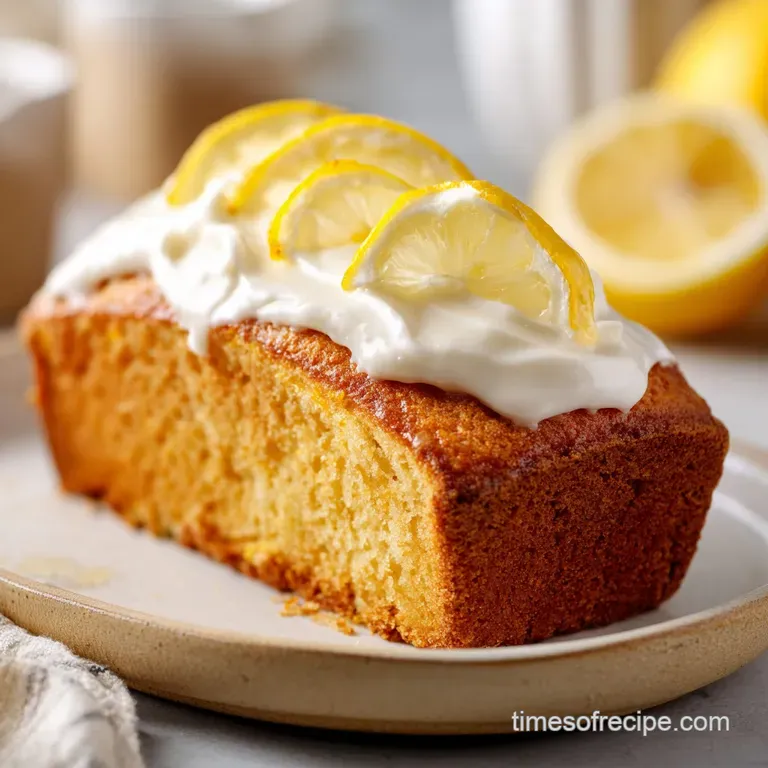
- Time: Active 15 minutes, Passive 55 minutes, Total 70 minutes
- Flavor/Texture Hook: Zesty, tangy, and incredibly moist with a shatter thin lemon glaze
- Perfect for: Elegant weekend brunches or a sophisticated afternoon tea treat
- Crafting the Irresistible Healthy Greek Yogurt Lemon Loaf
- Essential Specs for Your Occasion Ready Bake
- Why This Velvety Low Sugar Crumb Works
- Component Analysis of Your Healthy Citrus Pantry
- Primary Tools for Your Elegant Baking Session
- Master the Golden Bake with These Steps
- Troubleshooting Your Loaf for a Flawless Result
- Creative Flavor Twists for Your Citrus Loaf
- Preservation Secrets for a Lasting Moist Crumb
- How to Serve and Enjoy Your Creation
- Recipe FAQs
- 📝 Recipe Card
Crafting the Irresistible Healthy Greek Yogurt Lemon Loaf
The air in my kitchen currently smells like a sun drenched lemon grove in Sorrento, and it is entirely the fault of this batter. There is something truly magical about the moment you rub fresh lemon zest into granulated sweetener.
The friction releases those tiny pockets of essential oils, turning the white crystals into a damp, fragrant, neon yellow sand that perfumes the entire house before the oven is even warm.
I remember the first time I tried a Healthy Greek Yogurt Lemon Loaf Cake Recipe with Lemon Glaze. I was skeptical about swapping butter for yogurt and olive oil, fearing it would turn out rubbery or, worse, bland. But then the first slice slid out of the pan.
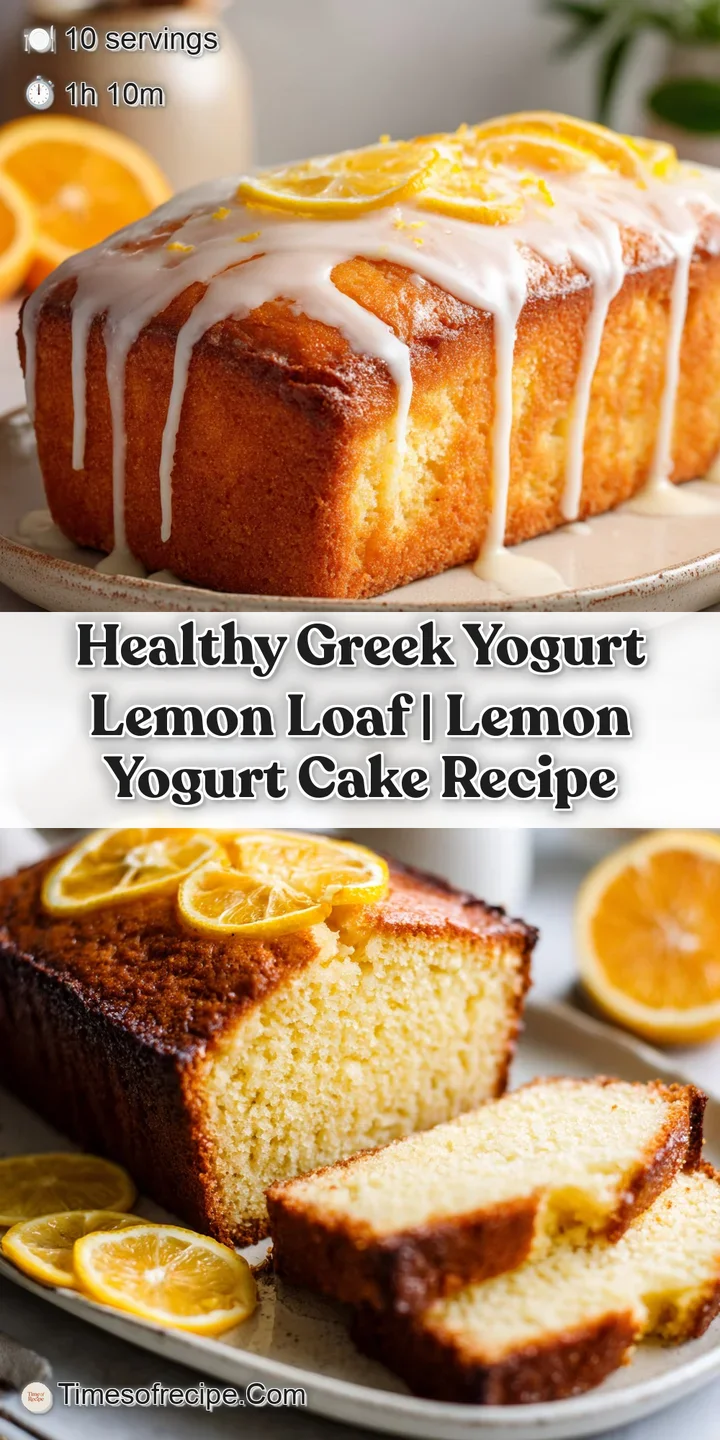
It was stunning, with a tight, velvety crumb that felt elegant rather than heavy. It had that specific wobbly tenderness that only comes from high protein yogurt. This article features our standout Irresistible Healthy Greek Yogurt Lemon Loaf Cake Recipe with Lemon Glaze.
We are aiming for a cake that feels like a celebration but won't leave you feeling sluggish. It’s a sophisticated balance of tart and sweet, and honestly, the lemon glaze is non negotiable. It creates this thin, sweet tart shell that snaps when you bite into it, contrasting beautifully with the soft cake beneath.
If you've been looking for a bake that feels light but tastes like pure luxury, you’ve found it.
Essential Specs for Your Occasion Ready Bake
When you are preparing for a gathering, timing is everything. This loaf is incredibly forgiving, making it a reliable choice for when you have guests. Because of the Greek yogurt, the moisture is locked into the structure, meaning you don't have to worry about it drying out if it sits on a serving platter for a few hours.
| Method | Time | Texture | Best For |
|---|---|---|---|
| Standard Bake | 55 minutes | Velvety, tight crumb | Afternoon tea, elegant brunch |
| Mini Loaf Pans | 25 minutes | Crispy edges | Gifting, individual portions |
| Muffin Tin | 18 minutes | Airy and light | Quick snacking, kids' lunchboxes |
This Irresistible Healthy Greek Yogurt Lemon Loaf Cake Recipe with Lemon Glaze is designed to be versatile. If you are serving a larger crowd, the mini loaf option is a total winner because everyone gets those coveted corner pieces.
For a more formal setting, the standard 9x5 inch loaf provides beautiful, uniform slices that look stunning when fanned out on a white ceramic plate.
Choosing the right pan is half the battle. I prefer a light colored metal pan over glass or dark non stick. Dark pans tend to brown the edges too quickly before the center is set, which can lead to a dry exterior. If you only have a dark pan, just keep a close eye on it around the 40 minute mark.
Why This Velvety Low Sugar Crumb Works
- Acidic Activation: The lactic acid in the Greek yogurt reacts with the baking soda to create carbon dioxide bubbles, ensuring a lift without heavy fats.
- Oil Emulsification: Olive oil stays liquid at room temperature, unlike butter, which means the loaf remains incredibly soft even after being refrigerated.
- Zest Infusion: Rubbing zest into the sweetener uses physical abrasion to burst oil glands, distributing flavor more deeply than just stirring it in.
- Tenderizing Protein: The high protein content in Greek yogurt strengthens the crumb, allowing it to hold moisture without becoming gummy or collapsing.
The chemistry here is quite clever. We are using monk fruit, which is a fantastic swap for sugar because it doesn't impact blood sugar levels, but it can sometimes be a bit drying. That is where the olive oil and yogurt come in to save the day. They provide the necessary fat and hydration to keep the crumb supple. If you're interested in more yogurt based bakes, you might also enjoy my OneBowl Yogurt Blueberry Muffins.
But what about the texture? We've all had those "healthy" cakes that feel like a sponge. This isn't that. By sifting the flour and gently folding it, we keep the gluten development to a minimum. This results in a cake that is dense in a good way, like a high end pound cake, rather than a bread like loaf.
Component Analysis of Your Healthy Citrus Pantry
Every ingredient in this Irresistible Healthy Greek Yogurt Lemon Loaf serves a specific purpose in the architecture of the bake. We aren't just tossing things in; we're building layers of flavor and texture.
| Ingredient | Science Role | Pro Secret |
|---|---|---|
| Greek Yogurt | Moisture + Acidity | Use full fat or non fat, but ensure it is plain and thick. |
| Monk Fruit | Sweetness | Rub into zest first to maximize the citrus aroma. |
| Extra Virgin Olive Oil | Fat + Silkiness | Use a mild oil to avoid an overpowering peppery taste. |
| Lemon Zest | Essential Oils | Microplane only the yellow part; the white pith is bitter. |
The choice of lemon juice is also vital. Always, and I mean always, use fresh lemons. The bottled stuff has a metallic aftertaste that will ruin the delicate balance of the yogurt. Plus, you need the zest anyway, so why not use the whole fruit?
| Original Ingredient | Substitute | Why It Works |
|---|---|---|
| Monk Fruit (150g) | Coconut Sugar (150g) | Similar sweetness but adds a caramel hue and slight nutty flavor. |
| Extra Virgin Olive Oil (120ml) | Melted Coconut Oil (120ml) | High fat content; note it will make the loaf firmer when cold. |
| All Purpose Flour (190g) | GF 1 to-1 Flour (190g) | Good structure; ensure the blend contains xanthan gum. |
When you swap monk fruit for coconut sugar, the Loaf Cake Recipe with Lemon Glaze will take on a much darker, golden brown color. It is still delicious, but it loses that bright, sunny yellow look that we usually associate with lemon treats.
Trust me on this, if you want that classic look, stick with the monk fruit or a white granulated sweetener.
Primary Tools for Your Elegant Baking Session

You don't need a kitchen full of gadgets, but a few specific tools will make your life much easier. First, a high-quality 9x5 inch loaf pan is essential. I also highly recommend a fine mesh sifter.
Sifting the flour directly over the wet ingredients ensures there are no clumps, which is the secret to that velvety texture we are after.
A silicone spatula is your best friend during the folding phase. It allows you to scrape the bottom of the bowl effectively without over working the batter. Over mixing is the enemy of a tender Healthy Greek Yogurt Lemon Loaf Cake. Once that flour hits the wet ingredients, you want to be as gentle as a cloud.
Finally,, a Microplane or a very fine grater is non negotiable. You want the zest to be so fine that it almost dissolves into the batter, providing flavor without adding a chewy texture. If you have a larger zester, run your knife through the zest a few times before adding it to the sweetener.
Master the Golden Bake with These Steps
- Preheat your oven to 175°C and line a 9x5 inch loaf pan with parchment paper, leaving an overhang on the sides for easy removal.
- Place 150g of granulated monk fruit sweetener and 2 tablespoons of fresh lemon zest in a large glass bowl.
- Rub the zest into the sugar using your fingertips for about 2 minutes until the sugar is damp and intensely fragrant. Note: This step is crucial for flavor depth.
- Whisk in 245g of Greek yogurt, 3 large eggs, 120ml of olive oil, 2 tablespoons of lemon juice, and 1 tsp of vanilla extract until the mixture is glossy and smooth.
- Hold a sifter over the bowl and add 190g of flour, 2 tsp baking powder, 0.5 tsp baking soda, and 0.5 tsp salt.
- Sift the dry ingredients directly into the wet until a snowy mound forms on top.
- Use a silicone spatula to gently fold the mixture together 3-4 times, stopping as soon as the last streak of flour disappears.
- Pour the batter into the prepared pan and bake for 45-55 minutes until the top is golden and a skewer comes out clean.
- Whisk 60g of powdered erythritol with 1 tablespoon of lemon juice until it reaches a thick, pourable consistency.
- Drizzle the glaze over the loaf once it has cooled for at least 20 minutes to prevent the glaze from soaking in completely.
The folding process is where most people go wrong. You want to cut through the center of the batter with your spatula, scrape along the bottom, and fold it over the top. Rotate the bowl as you go. This keeps the air in the batter and ensures the baking powder can do its job properly. If you're looking for a quick dinner before you start baking, check out my Healthy Weeknight Dinners.
Wait for the cooling! I know it is tempting to slice into a warm loaf, but the structure needs time to set. If you cut it too early, the steam escaping will make the crumb feel gummy. Let it sit in the pan for 10 minutes, then move it to a wire rack.
Troubleshooting Your Loaf for a Flawless Result
Why Your Loaf Sinks in the Middle
A sunken center is usually caused by one of two things: under baking or opening the oven door too early. When you open the door, the temperature drops, and the internal structure of the cake hasn't solidified enough to hold its own weight. Another culprit could be expired baking powder.
Always check the date on your leavening agents!
To Avoid a Gummy Texture
Gummy textures often happen when the batter is over mixed. When you stir flour into wet ingredients, you develop gluten. A little is good for structure, but too much turns your cake into a loaf of bread. Stop mixing the second you don't see white flour anymore.
Also, ensure your Greek yogurt isn't too watery; if there is a lot of liquid on top of your yogurt, drain it off before measuring.
| Problem | Root Cause | Solution |
|---|---|---|
| Dry, crumbly texture | Over baked or too much flour | Use a kitchen scale for flour; check doneness 5 mins early. |
| Dark, burnt edges | Pan is too dark or oven is too hot | Use a light metal pan; tent with foil if browning too fast. |
| Glaze disappears | Cake was too hot when glazed | Wait until the loaf is barely warm to the touch. |
Common Mistakes Checklist
- ✓ Rub the zest into the sugar first (don't skip this for flavor).
- ✓ Use room temperature eggs to ensure proper emulsification with the oil.
- ✓ Sift the dry ingredients to prevent clumps in the thick batter.
- ✓ Tap the filled loaf pan on the counter to release large air bubbles.
- ✓ Let the loaf cool completely before storing to prevent sogginess.
Creative Flavor Twists for Your Citrus Loaf
While the classic Greek Yogurt Lemon Loaf is perfection, sometimes you want to mix things up. This base is incredibly sturdy and can handle a variety of add ins. Just remember that if you add wet ingredients (like berries), the bake time might increase by 5-10 minutes.
For a "Lemon Blueberry" Twist
Toss 1 cup of fresh blueberries in a tablespoon of flour before folding them into the batter. The flour coating prevents them from sinking to the bottom of the pan. The burst of purple juice against the yellow cake is visually stunning.
For a High Protein Power Loaf
You can replace 30g of the all purpose flour with a high-quality vanilla protein powder. This will slightly change the texture, making it a bit more "bready," but it’s a great way to boost the nutritional profile for a post workout treat.
For scaling this recipe up or down: - To double (2x): Use two 9x5 pans rather than one large one. Baking two loaves at once usually requires about 5-8 extra minutes of bake time. Keep the spices and salt at 1.5x the original amount to avoid an overpowering flavor.
- To halve (1/2): Use a mini loaf pan and reduce the bake time to approximately 25-30 minutes. For the eggs, beat one egg in a small bowl and use half of it to get the measurements exact.
Preservation Secrets for a Lasting Moist Crumb
Storing your Irresistible Healthy Greek Yogurt Lemon Loaf Cake Recipe with Lemon Glaze properly is the difference between a three day treat and a one day wonder. Because of the yogurt and oil, this cake stays moist longer than traditional butter based cakes.
- Room Temperature
- Keep in an airtight container for up to 2 days. The glaze might soften slightly, but the flavor remains bright.
- Refrigeration
- This is actually my preferred method. Wrap the loaf tightly in plastic wrap and store for up to 5 days. The cold temperature makes the crumb even more dense and fudge like.
- Freezing
- You can freeze the entire loaf or individual slices. Wrap in parchment paper, then foil, and place in a freezer bag for up to 3 months. Thaw at room temperature for an hour before eating.
Zero Waste Tips: If you find yourself with a few dry slices at the end of the week, don't throw them away! You can turn them into "Lemon Cake French Toast." Dip the slices in a quick egg and milk mixture and sear them in a pan with a little butter. The sugar in the cake carmelizes beautifully.
You can also dry out cubes of the cake in a low oven to make sweet croutons for a fruit salad. Even the leftover lemon peels can be tossed into a jar of white vinegar for a natural kitchen cleaner.
How to Serve and Enjoy Your Creation
Presentation is where this Yogurt Lemon Loaf truly shines. If you are serving this for a special occasion, I recommend garnishing the top with extra lemon zest or even some edible flowers like pansies or lavender. It adds a touch of whimsy that makes the dish feel like it came from a high end patisserie.
For a cozy afternoon tea, serve a thick slice alongside a cup of Earl Grey. The bergamot in the tea complements the lemon in the loaf perfectly. If you want something a bit more decadent, a dollop of extra Greek yogurt mixed with a little honey and vanilla bean paste on the side is incredible.
It mimics whipped cream but with a tangy edge that echoes the cake.
If you are hosting a brunch, you can slice the loaf ahead of time and arrange it on a wooden board with fresh raspberries and sprigs of mint. It’s a low effort, high impact way to serve a healthy dessert that everyone will actually want to eat.
This Greek Yogurt Lemon Cake is proof that you don't need a mountain of butter to create something truly elegant and satisfying. Enjoy the process, breathe in that citrus magic, and happy baking!
Recipe FAQs
Is it true I must use high heat oil like vegetable oil for this loaf?
No, this is a common misconception. Extra virgin olive oil is the intended fat for this recipe because it complements the citrus profile perfectly while keeping the crumb moist.
How to ensure the loaf isn't gummy in the center?
Bake at 350°F (175°C) until a skewer inserted into the center comes out clean. If you enjoyed mastering this specific crumb structure, you can apply the same principle of measuring flour weight for consistent texture in our Quinoa Salad.
Can I use a different type of yogurt if I am out of Greek yogurt?
No, stick with plain, non-fat Greek yogurt. The low moisture content and thick consistency are essential for the structure and healthy profile of this specific loaf.
How to get the most lemon flavor without making the loaf too acidic?
Rub the lemon zest into the granulated sweetener with your fingertips first. This releases the aromatic essential oils directly into the sugar, intensifying the lemon flavor without requiring extra juice that could alter the moisture balance.
Is it necessary to sift the dry ingredients?
Yes, sifting ensures an even distribution of the leavening agents. This prevents dense pockets or uneven rising, resulting in a professional, uniform crumb throughout the loaf.
How to avoid over mixing the batter?
Switch to a silicone spatula after whisking and fold exactly 3-4 times. This minimal movement is the secret to keeping the loaf light and fluffy rather than tough or rubbery.
Should I glaze the loaf while it is still warm?
No, wait for the loaf to cool completely. Applying the glaze to a warm cake will cause it to melt and soak into the bread rather than forming a clean, distinct drizzle on top.
Healthy Greek Lemon Loaf

Ingredients:
Instructions:
Nutrition Facts:
| Calories | 207 kcal |
|---|---|
| Protein | 6.1 g |
| Fat | 13.2 g |
| Carbs | 16.1 g |
| Fiber | 0.5 g |
| Sugar | 1.8 g |
| Sodium | 248 mg |
