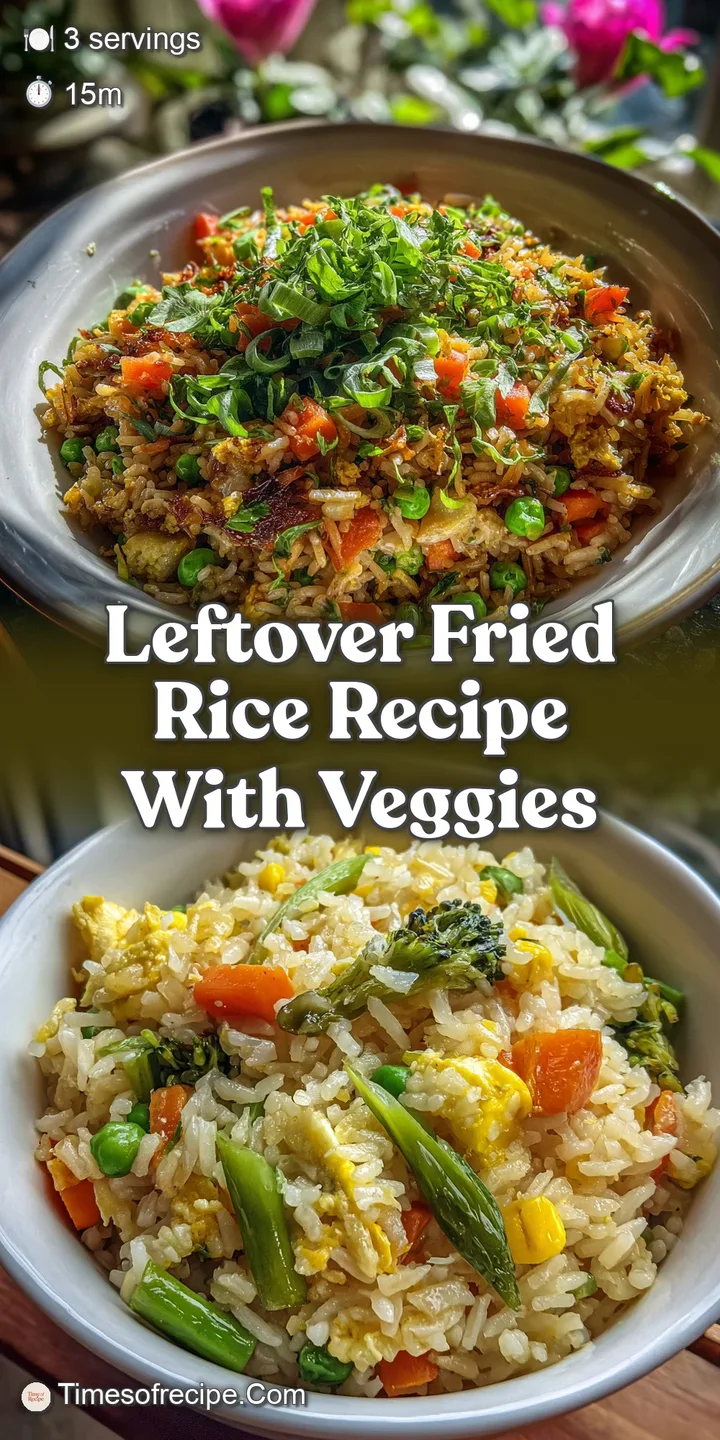
Leftover Fried Rice Recipe with Veggies: Hearty
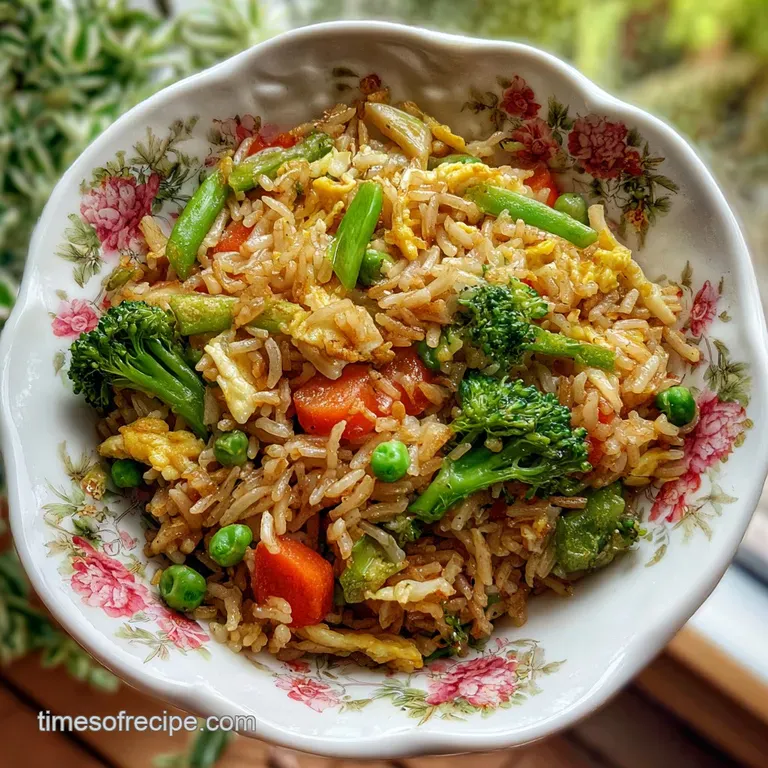
- Time: Active 5 mins, Passive 10 mins, Total 15 mins
- Flavor/Texture Hook: Shatter crisp edges with velvety, soy glazed centers
- Perfect for: Reclaiming fridge space during a busy weeknight family dinner
- How This Leftover Fried Rice Recipe with Veggies Redefines Comfort Food
- The Molecular Secret to Shatteringly Crisp Fried Rice Grains
- Building a Hearty Foundation with Essential High Quality Ingredients
- The Best Tools for Creating Intense Heat and Perfect Sear
- Step by Step Guide to Crafting a Satisfying Family Feast
- Correcting Common Cooking Errors for the Most Satisfying Results
- Scaling Your Hearty Meal for a Larger Crowd
- Hearty Adaptations and Bold Protein Additions for Your Table
- Debunking Fried Rice Misconceptions
- Preserving Flavor and Texture for the Most Delicious Leftovers
- Creative Ways to Present Your Satisfying Home Cooked Masterpiece
- Recipe FAQs
- 📝 Recipe Card
How This Leftover Fried Rice Recipe with Veggies Redefines Comfort Food
The sound of cold rice hitting a ripping hot pan is one of the most comforting rhythms in my kitchen. I remember standing by the stove as a kid, watching my mom transform a plastic container of plain, forgotten white rice into a steaming, bold mountain of flavor in less than ten minutes.
It wasn’t just about using up leftovers; it was about the way the soy sauce caramelized against the grains and how the ginger filled the house with a spicy, welcoming aroma. This dish is a hearty embrace in a bowl, designed to fill bellies and bring the family together after a long day.
We have all been there staring at that box of takeout rice or the pot from last night’s curry, wondering if it’s destined for the bin. But in our house, we treat those cold grains like gold.
The beauty of this recipe lies in its simplicity and its ability to absorb every drop of toasted sesame oil and savory soy. It’s a satisfying meal that feels like a reward, not a chore.
You’re about to learn how to take those humble scraps and turn them into a dish that rivals any restaurant version, with layers of flavor that build from the first sizzle of the garlic to the final garnish of green onion.
This leftover fried rice recipe with veggies, eggs, and soy sauce transforms simple ingredients into a satisfying and delicious meal. We aren't looking for an elegant, dainty side dish here; we want a bold, robust bowl of comfort.
By focusing on high heat and the right timing, we ensure that the veggies stay snap fresh while the rice gets those sought after crispy bits. Get ready to master a family favorite that you'll return to whenever you need a hearty, soul warming feast that respects your time and your ingredients.
The Molecular Secret to Shatteringly Crisp Fried Rice Grains
Starch Retrogradation: When rice is chilled, the amylose molecules realign into a firm, crystallized structure that resists moisture. This prevents the grains from collapsing into a soggy mess when they hit the hot oil, ensuring each kernel stays distinct and satisfyingly chewy.
| Prep Method | Total Time | Texture Outcome | Best For |
|---|---|---|---|
| Fast Method | 15 minutes | Soft but seared | Immediate hunger cravings |
| Classic Method | 24 hours | Firm, separate grains | Authentic restaurant style finish |
| Frozen Shortcut | 20 minutes | Slightly moist | Using freezer stash veggies |
Choosing the right approach depends on how much time you've planned ahead, but for that hearty, bold texture we love, the classic method using day old rice is the undisputed champion of the kitchen.
Building a Hearty Foundation with Essential high-quality Ingredients
The soul of this dish is the rice, but the magic happens when we layer in the aromatics. I always tell my friends that if you want a bold result, you can't be shy with the ginger and garlic. These aren't just background notes; they are the engine that drives the flavor. Similar to how we build depth in a Puerto Rican Rice recipe, the key here is to let the aromatics sizzle just long enough to perfume the oil without turning bitter.
| Ingredient | Science Role | Pro Secret |
|---|---|---|
| Cold Rice | Lowers moisture for searing | Spread it on a tray to dry further |
| Large Eggs | Provides fat and structure | Whisk with a drop of water for fluffiness |
| Fresh Ginger | Cuts through the richness of oil | Grate it frozen to get a fine paste |
| Soy Sauce | Provides salt and Maillard browning | Pour around the pan edges to caramelize |
The Essential Ingredient List
- 3 cups (450g) cold cooked Jasmine or long grain rice: Cold temperature is non negotiable for separate grains. Why this? The starch is stable enough to fry without turning into mush.
- 1 tbsp (15ml) neutral oil (Grapeseed, Avocado, or Canola): These have high smoke points. Why this? Allows for the over high heat searing needed for the "wok hei" flavor.
- 2 large eggs, lightly beaten: Adds a velvety protein layer. Why this? Scrambled eggs provide a rich contrast to the salty soy sauce.
- 1 cup (150g) frozen peas and carrots: A classic, hearty veggie mix. Why this? They thaw instantly in the pan while retaining a vibrant snap.
- 3 green onions, white and green parts separated: Dual purpose flavor. Why this? Whites provide a sharp base, while greens offer a fresh finish.
- 2 cloves garlic, minced: The backbone of the savory profile.
- 1 tsp fresh ginger, grated: Adds a bold, spicy warmth.
- 2 tbsp (30ml) low sodium soy sauce: The primary source of umami.
- 1 tsp (5ml) toasted sesame oil: A finishing oil for deep, nutty aroma.
- 1/2 tsp white pepper: Adds a subtle, floral heat that black pepper lacks.
The Best Tools for Creating Intense Heat and Perfect Sear
You don't need a professional kitchen, but a heavy bottomed pan is your best friend here. I prefer a large carbon steel wok or a well seasoned cast iron skillet. These materials hold onto heat like a dream, which is vital because as soon as you add 3 cups (450g) of cold rice, the pan temperature will drop.
If your pan is too thin, the rice will steam instead of fry, and you’ll lose that satisfying crunch.
Chef’s Note: Always preheat your pan until you see the first wisps of smoke. This ensures the eggs and rice sear instantly, creating a non stick surface even if you aren't using a Teflon pan.
step-by-step Guide to Crafting a Satisfying Family Feast
- Prep the rice. Take your 3 cups (450g) of cold rice and break up any large clumps with your hands. Note: Using wet fingers prevents the rice from sticking to your skin.
- Scramble the eggs. Heat the neutral oil in your pan over medium high heat. Pour in the 2 beaten eggs and cook for 45 seconds until just set but still velvety. Remove eggs and set aside.
- Sizzle the aromatics. In the same pan, add the white parts of the green onions, minced garlic, and grated ginger. Stir fry for 30 seconds until the aroma fills the room.
- Flash cook the veggies. Toss in the 1 cup (150g) of frozen peas and carrots. Cook for 2 minutes until bright and tender crisp.
- Sear the rice. Crank the heat to high and add the cold rice. Fry for 3-4 minutes while tossing constantly until the grains begin to dance and pop.
- Season with umami. Drizzle the 2 tbsp (30ml) of soy sauce around the perimeter of the pan so it sizzles before hitting the rice. Stir vigorously until every grain is mahogany hued.
- Reincorporate the protein. Return the scrambled eggs to the pan, breaking them into smaller pieces with your spatula.
- Finish with aromatics. Turn off the heat. Stir in the 1 tsp (5ml) of toasted sesame oil, the green parts of the onions, and the 1/2 tsp of white pepper. Toss one last time until the fragrance is intoxicating.
Correcting Common Cooking Errors for the Most Satisfying Results
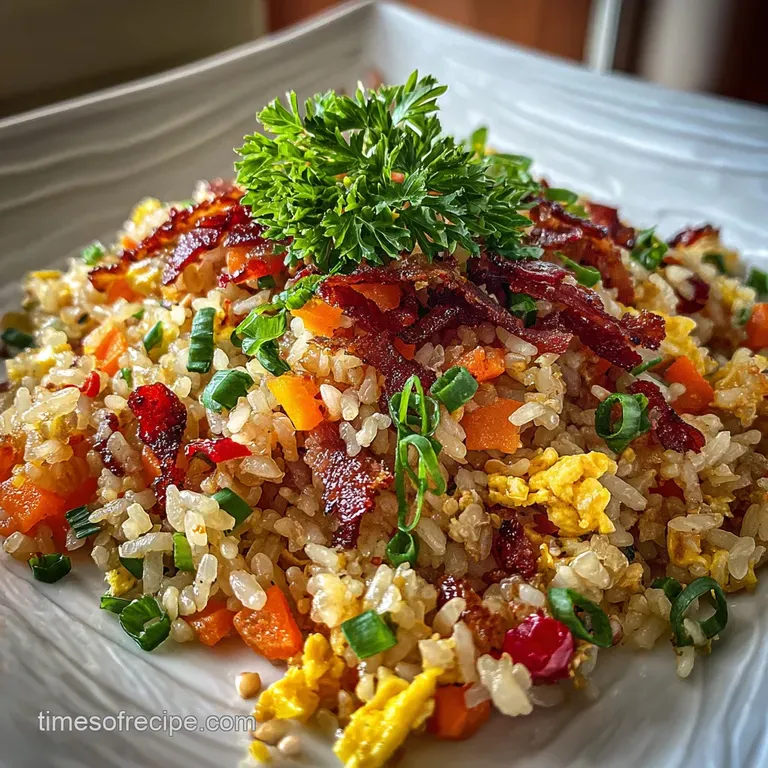
Fried rice seems simple, but the difference between a bold, hearty success and a soggy failure often comes down to moisture management. If you notice your rice clumping together, it usually means there's too much liquid or the heat wasn't high enough.
Fixing Sogginess and Sticky Grains
The most common mistake is using freshly cooked rice. If you must use fresh, spread it on a baking sheet and put it in front of a fan or in the freezer for 15 minutes to dry the surface. This mimics the retrogradation process. For those who enjoy more complex textures, you might find the techniques in a Gobi Manchurian recipe helpful for understanding how to maintain crunch even when tossing in sauce.
| Problem | Root Cause | Solution |
|---|---|---|
| Grains are mushy | Too much moisture in rice | Use older rice or fry in smaller batches |
| Burnt Garlic | Pan was too hot for aromatics | Add garlic after the onions or veggies |
| Bland Flavor | Not enough salt/umami | Add a splash of fish sauce or extra soy |
Common Mistakes Checklist
- ✓ Always use rice that has been refrigerated for at least 12 hours to ensure dryness.
- ✓ Preheat your pan for 3 full minutes before adding the first drop of oil.
- ✓ Don't overcrowd the pan; if doubling the recipe, work in two separate batches.
- ✓ Pat any fresh veggies completely dry before adding them to prevent steaming.
- ✓ Add the soy sauce to the pan walls, not directly on the rice, to encourage caramelization.
Scaling Your Hearty Meal for a Larger Crowd
Fried rice is the ultimate family meal, but it follows strict physics when you try to double it.
- Scaling Down (1-2 servings): This is the easiest. Use a smaller pan to keep the heat concentrated. You can use a single egg and half the veggies without much adjustment to the timing.
- Scaling Up (6+ servings): This is where it gets tricky. Most home burners cannot keep a large amount of rice hot enough to "fry." I strongly recommend cooking in two separate batches. If you try to do 6 cups of rice at once, you will end up with steamed rice. For the seasonings, increase the soy sauce and oil to 1.8x rather than a full 2x to avoid over salting, then taste and adjust.
Hearty Adaptations and Bold Protein Additions for Your Table
One of the reasons this is a staple in our family is how easily it adapts to what we have. If you have leftover chicken, it fits right in. If you want something more adventurous, you could even draw inspiration from a Kari Kare recipe by adding a touch of curry powder for a golden, spicy twist.
- The Protein Boost: Fold in 150g of diced smoked ham, cooked shrimp, or even leftover shredded rotisserie chicken during the final frying stage.
- The Spicy Kick: Add 1 tablespoon of chili garlic sauce or gochujang with the soy sauce for a bold, fiery depth.
- The Extra Veggie Crunch: Throw in diced bell peppers, snap peas, or shredded cabbage with the peas and carrots for a more vegetable forward meal.
| Modification | Ingredient Swap | Why It Works |
|---|---|---|
| gluten-free | Tamari or Coconut Aminos | Same deep umami flavor without the wheat proteins |
| Lower Carb | Cauliflower Rice | Note: Texture is much softer and requires less cook time |
| Vegan Option | Crumbled Extra Firm Tofu | Absorbs the soy and ginger just like eggs do |
Debunking Fried Rice Misconceptions
One major myth is that you need a specialized wok to get great results. While a wok is fantastic for aeration, a heavy stainless steel or cast iron skillet works perfectly well on a flat electric or induction stove because it maintains a high thermal mass.
Another misconception is that the "brown" color comes only from soy sauce. In reality, that deep, satisfying color is a mix of the soy sauce and the Maillard reaction the browning of the rice starches against the hot pan. If you just keep adding soy sauce to get it darker, you'll end up with a salt bomb.
Let the heat do the work!
Preserving Flavor and Texture for the Most Delicious Leftovers
Storage Guidelines: This dish is already made from leftovers, but it stores surprisingly well for round three! Keep it in an airtight container in the fridge for up to 3 days.
I don't recommend freezing it again once it’s been fried, as the veggies will lose their snap and the rice can become grainy.
Reheating Tips: Avoid the microwave if you want to keep those crispy bits. Instead, add a teaspoon of water to a pan, toss in the rice, and cover it for 1 minute to steam it through. Then, remove the lid and fry for another minute to bring back the texture.
Zero Waste Tip: Don't toss the woody ends of your green onions or the peels from your ginger. Keep a "stock bag" in your freezer. These scraps are perfect for simmering into a bold broth later in the week.
Creative Ways to Present Your Satisfying Home Cooked Masterpiece
When it's time to eat, I love serving this family style in one large, steaming bowl right in the center of the table. To make it feel extra special, I top it with a generous handful of the reserved green onion tops and a sprinkle of toasted sesame seeds. If you're looking for more quick meal inspiration, check out these Weeknight Recipes for other ways to use rice bases efficiently.
For a final bold touch, try a drizzle of sriracha or a spoonful of crispy chili oil. The contrast between the savory rice, the sweet peas, and the spicy topping makes every bite a new experience.
This leftover fried rice recipe with veggies is more than just a way to clear the fridge it's a testament to how simple techniques and bold flavors can create a meal that truly satisfies the soul. Let's get cooking!
Recipe FAQs
Why shouldn't you put soy sauce on fried rice while the rice is cooking?
No, pour it around the edges of the pan. Direct application on the rice prevents proper caramelization, resulting in salty, soggy spots instead of evenly colored, seared grains.
What is the 5 5 5 rule for rice?
The 5 5 5 rule is not a standard fried rice guideline. In general, for perfect fried rice, focus on a 3-4 minute searing time for the cold rice over high heat.
Can I add soy sauce to already cooked, freshly made rice?
No, avoid adding soy sauce to fresh, warm rice. Warm rice has too much internal moisture, leading to clumps and steaming, which ruins the desired seared texture.
Does soy sauce go with egg-fried rice?
Yes, absolutely. Soy sauce provides the necessary umami and salt to balance the richness of the eggs; ensure you pour it around the hot pan edges for flavor development.
How do I prevent my leftover rice from becoming mushy when I stir fry it?
Use day-old, refrigerated rice, and keep the heat high. Refrigeration causes starch retrogradation, making the grains firm enough to sear without breaking down; mastering this texture control is key to any great stir fry, similar to what you need for keeping coatings crisp in a Chicken In Air Fryer: Ultra Crispy & Juicy Recipe.
How do I get that authentic smoky flavor in homemade fried rice?
Preheat your pan until it is ripping hot and allow ingredients to sear briefly without moving them. This technique mimics "wok hei," the breath of the wok, by creating small, intense bursts of searing flavor contact.
What is the best way to incorporate vegetables so they stay crisp?
Cook hard vegetables first and move them to the pan edges. Add frozen or sturdy vegetables after the aromatics, cook them quickly, and push them to the cooler sides of the pan while you sear the rice in the center.
Leftover Fried Rice Veggies
Ingredients:
Instructions:
Nutrition Facts:
| Calories | 343 kcal |
|---|---|
| Protein | 11.2 g |
| Fat | 10.1 g |
| Carbs | 50.1 g |
| Fiber | 2.5 g |
| Sugar | 1.8 g |
| Sodium | 412 mg |
