Sugar Cookies: Perfectly Shaped, Never Spread
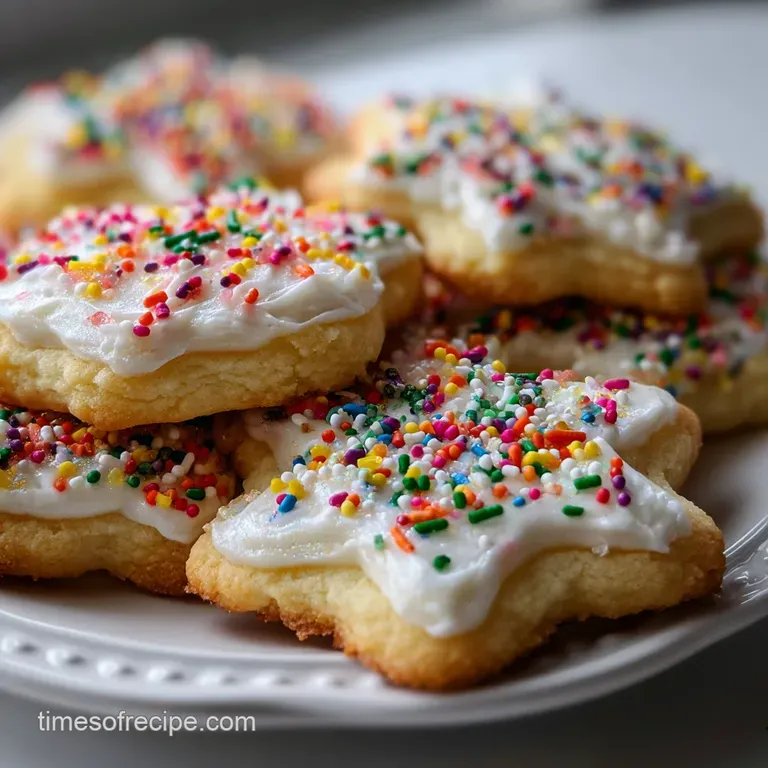
- The Definitive Guide to No-Spread Cut-Out Sugar Cookies
- The Science Behind the Perfect Sugar Cookie Texture
- Essential Baking Components and Ingredient Swaps
- Rolling, Cutting, and Baking Your Classic Sugar Cookie Dough
- Expert Secrets for Crisp Edges and Flawless Results
- Maximizing Shelf Life: Storing and Freezing Cookie Dough and Baked Goods
- Elevating Your Sugar Cookie Display and Pairings
- Recipe FAQs
- 📝 Recipe Card
The Definitive Guide to No-Spread Cut-Out Sugar Cookies
The smell, right? That pure, glorious combination of butter melting with vanilla it instantly brings you back to childhood kitchen counters. When you finally pull a sheet of these perfect Sugar Cookies out of the oven, the house smells less like a home and more like an actual hug.
Seriously, I swear the neighbours get jealous.
We all know baking can be intimidating, but these aren’t those complicated pastry projects. This recipe for classic Sugar Cookies is an absolute lifesaver. It uses basic pantry ingredients, requires zero fancy equipment, and delivers a completely flawless result every single time.
If you need a quick, reliable dough that always holds a perfect cut-out shape, you’ve found it.
Listen up, because I’ve made all the mistakes I’ve had the spreading disasters, the crumbly dough, and the cookies that looked more like blobs than stars. This definitive guide distills years of failures into one easy, architecturally sound recipe.
Let’s crack on and make the best, most reliable Sugar Cookies you’ve ever baked.
The Science Behind the Perfect Sugar Cookie Texture
Why do some recipes turn into puffy little cakes and others spread into an amorphous butter puddle? It all comes down to temperature and ratio. We aren't making soft, chewy cookies here, like my popular Chocolate Chip Cookies: Bakery Style Chewy Crispy Recipe ; we are making crisp, sturdy, perfectly shaped Sugar Cookies that are designed for decoration.
What Makes the Architect’s Cookie Unique?
The secret sauce here is the ratio of fat, sugar, and flour, plus the strict adherence to cold temperatures. We intentionally use less leavening (baking powder) than a fluffy cookie recipe would require.
We also keep the eggs and butter at room temperature only long enough to properly cream, ensuring maximum air incorporation without melting the crucial fat content. This method gives our Sugar Cookies a slightly crisp texture and ensures they maintain their shape.
Preparation Timeline: Planning Your Mandatory Chill Time
You can’t rush perfection. The biggest factor in successful, no-spread Sugar Cookies is the chill time. Please don't start this recipe if you only have 30 minutes, because you will be disappointed.
You must allocate at least an hour for the dough to firm up properly in the refrigerator. I often mix the dough the night before, making the rolling and cutting process the next day a total breeze.
Difficulty Assessment: Is This a Medium Level Bake?
Yes, absolutely. The process itself is simple mix, chill, cut, bake. But the "medium" label comes from the precision required. You need to cream the butter and sugar correctly, handle the dough minimally, and ensure a precise 1/4 inch thickness.
Mastering perfectly shaped Sugar Cookies demands attention to detail.
Mastering the Creaming Method for Air Incorporation
Creaming is more than just mixing; it’s aeration. We beat the softened butter and granulated sugar together until the mixture is visibly lighter in colour and almost fluffy. This process traps tiny air pockets within the fat.
When these Sugar Cookies hit the heat of the oven, those air pockets expand, giving the cookies a delicate lift without making them cakey or puffy.
The Essential Role of Dough Chilling (The 'Never Spread' Secret)
This is the rule: Cold dough equals no spread. When the butter is cold, it takes longer to melt in the hot oven. This gives the flour and egg proteins time to set and solidify the structure of the cookie before the fat melts and runs.
This step is why your festive cut-out shapes actually look like snowflakes, not misshapen white circles. Seriously, if your dough feels warm when you roll it, stick it back in the fridge. This applies equally to delicate Sugar Cookies and sturdier doughs.
Flavor Profile Deep Dive: Pure Butter and Vanilla Notes
We want the classic taste that lets the decoration shine. These Sugar Cookies are intentionally designed to have a pure, intense buttery flavour balanced by high-quality vanilla.
I use vanilla bean paste occasionally for those tiny, beautiful black flecks, but a good quality pure vanilla extract works wonders too. The flavour should be simple, clean, and immediately recognizable.
Essential Baking Components and Ingredient Swaps
I always say: Garbage in, garbage out. Using quality ingredients, especially when the recipe is this simple, makes a huge difference in your final batch of Sugar Cookies .
Why Use Unsalted Butter (And How to Adjust for Salted)
I insist on unsalted butter because it gives me control over the salt content. Salted butter varies widely in its sodium levels, which can throw off the balance of the recipe, sometimes leading to an overly salty cookie or changes in how the gluten develops.
| Ingredient | Standard Use | Substitution (If Needed) |
|---|---|---|
| Unsalted Butter | 1 cup, room temp | Use 1 cup salted butter and reduce the added fine sea salt to 1/4 tsp. |
| Granulated Sugar | 1 1/2 cups | Use cane sugar or superfine sugar for slightly finer texture. |
| Large Eggs | 2, room temp | For an egg allergy, try commercial egg replacement powder or flax egg (results will be denser). |
Selecting the Right Flour for Non-Cakey Cookies
All-purpose flour is the champion for these cut-out Sugar Cookies . It strikes the perfect balance of gluten content enough to give the cookie structure so it holds its shape, but not so much that it becomes tough or bread like.
Avoid cake flour; it’s too low in protein and will lead to an extremely delicate cookie that breaks when you transfer it.
Vanilla Extract vs. Vanilla Bean Paste: Impact on Flavor
If you can splurge, use vanilla bean paste. It provides a deeper, more robust vanilla flavour and those lovely visual specks. If you're using extract, make sure it’s pure vanilla, not imitation.
Imitation vanilla tends to evaporate quickly in the oven heat, leaving you with dull tasting Sugar Cookies .
Troubleshooting Dry Dough: Adjusting the Liquid Ratio
Did you accidentally add too much flour? It happens. A dry, crumbly dough that won't come together usually means you over measured your flour. If the dough seems powdery, add a tablespoon of cold milk or water, one teaspoon at a time, mixing on low speed until the dough just comes together.
Don't add too much liquid, or your Sugar Cookies will spread!
Rolling, Cutting, and Baking Your Classic Sugar Cookie Dough

This stage is where the magic happens and where most people panic. Relax. If you followed the chilling instructions, you’re already halfway to perfect results.
Achieving the Ideal Dough Consistency
When you pull the dough from the fridge, it should be firm but slightly pliable. If it’s rock hard, let it sit on the counter for 5– 10 minutes. If it immediately starts to feel sticky, it’s too warm back in the fridge it goes.
The goal when preparing Sugar Cookies is always firm and cool.
Rolling Technique: Maintaining Uniform Thickness
I cannot stress this enough: Uniform thickness is critical. If some cookies are 1/8 inch thick and others are 1/4 inch, the thin ones will burn before the thick ones are done. I roll my dough between two large pieces of parchment paper.
This prevents sticking and removes the need to flour your counter, which can dry out the dough. I roll the dough to exactly 1/4 inch thick. This thickness provides the perfect crisp edge and soft centre that elevates these classic Sugar Cookies .
Transferring Delicate Cut-Outs to the Baking Sheet
Those delicate shapes stars, letters, tiny animals are prone to stretching. The key is speed and the right tool. Use a thin metal spatula, preferably slightly chilled, to lift your shapes.
Before baking, a crucial step for the best Sugar Cookies is to stick the trays of cut-out dough back into the freezer for 5 to 10 minutes. This final chill locks in the shape just before the heat hits, guaranteeing zero spread.
Visual Cues for Done ness: Understanding Bake Time
These are not meant to be deep golden brown. The sign that your Sugar Cookies are done is when the very edges, the perimeter, have just set and taken on the faintest kiss of pale gold. The centre should remain pale and look soft.
Baking for 10– 12 minutes is usually perfect at 350°F (175°C). Overbaking leads to hard, dry, boring Sugar Cookies .
Expert Secrets for Crisp Edges and Flawless Results
Every home baker needs a few tricks up their sleeve. These are the things I learned the hard way that guarantee professional looking Sugar Cookies every single time.
Why Your Cookies Are Spreading (And How to Fix It)
Spreading is almost always caused by too much fat, too much heat, or not enough chilling.
-
Problem:
Dough was too warm when it hit the oven.
- Fix: Chill the dough longer. Flash freeze the cut-out cookies for 5 minutes before baking.
-
Problem:
Used too much fat (e.g., melted butter or extra egg yolk).
- Fix: Stick strictly to the recipe measurements.
-
Problem:
Oven temperature is too low (causing slow melt).
- Fix: Calibrate your oven. Make sure your oven thermometer reads 350°F before the tray goes in.
Preventing the Dough from Sticking to the Cutter
This is annoying! If your dough starts sticking to your cookie cutters, it means the dough is warming up, or your cutter has tiny crevices. Keep a small bowl of flour nearby. Dip the edge of the cutter lightly into the flour, tap off the excess, and then cut your Sugar Cookies .
Quick Dough Chill Methods When Time is Short
Need to rush the chilling process? Wrap your flattened dough disc and place it in the freezer for 15– 20 minutes instead of the fridge for 60 minutes.
Be mindful, however; freezer chilling means the dough will transition from rock hard to soft very quickly when you start rolling. Watch it like a hawk!
The Importance of Oven Temperature Calibration
Oven temperature variability is the bane of the cookie baker's existence. Your oven might say 350°F, but the actual temperature inside could be wildly different. If your Sugar Cookies are consistently burning or consistently spreading, invest in an inexpensive oven thermometer.
It’s the single best tool for consistent baking.
Maximizing Shelf Life: Storing and Freezing Cookie Dough and Baked Goods
Do these beautiful Sugar Cookies keep well? You bet they do. This is a recipe I always make-ahead of time, especially during busy holidays.
Freezing Unbaked Sugar Cookie Dough (Two Methods)
If you want to freeze the dough to bake later, you have two great options.
- Freezing the Disc: Wrap the finished, unrolled dough disc tightly in plastic wrap, then place it inside a freezer bag. Label and freeze for up to 3 months. When ready to use, thaw in the fridge overnight before rolling and cutting.
- Freezing Cut-Outs: Roll and cut your shapes, then arrange them on a parchment lined baking sheet. Place the sheet in the freezer until the Sugar Cookies are solid (about 30 minutes). Transfer the frozen shapes to an airtight container, separated by parchment paper. Bake straight from frozen, adding 2– 4 minutes to the baking time.
Storing Fully Baked Cookies for Optimal Freshness
Once baked and completely cooled, store undecorated Sugar Cookies in an airtight container at room temperature for up to one week. If you’ve decorated them with Royal Icing, they can be stored in layers, separated by parchment, in an airtight container for up to two weeks.
The icing acts as a preservative!
Chef's Note: If you plan on decorating your batch of Sugar Cookies with royal icing, ensure the cookies are completely cooled before applying the icing. Warm cookies will melt the icing and ruin your hard work.
Elevating Your Sugar Cookie Display and Pairings
These cookies are meant to be a canvas. Don't be shy about decorating them, but remember they are delicious even plain. They pair wonderfully with rich beverages. Perhaps a fantastic coffee drink, like a homemade Brown Sugar Shaken Espresso: Make the Starbucks Recipe at Home , complements the buttery flavour beautifully.
If you’re hosting a holiday party, consider making a variety pack. These perfectly shaped Sugar Cookies can sit next to chewier options, like the spiced Snickerdoodle Cookies: Tangy, Chewy, and Perfectly Crinkled , for a great display.
The beauty of these classic Sugar Cookies is their versatility and stability. Follow these simple rules chill the dough, roll evenly, and don't overbake and you will achieve baking perfection.
Enjoy every single bite of these gorgeous, sturdy, and flavorful Sugar Cookies ! Happy baking, friend!

Recipe FAQs
Why did my sugar cookies spread and lose their sharp cut-out edges?
Spreading is usually caused by inadequate chilling or using ingredients that were too soft (like melted butter). Ensure the dough is chilled for the full recommended time at least two hours to solidify the fat before baking.
If your kitchen is very warm, try chilling the cut shapes on the baking sheet for 10 minutes immediately before they go into the hot oven.
My dough is too stiff and cracking when I try to roll it out. How can I fix this?
Excessive stiffness often results from over flouring the surfaces during rolling or over measuring the dry ingredients. If the dough cracks, let it rest at room temperature for 10-15 minutes to allow the butter to soften slightly.
You can then gently knead the dough a few times to make it pliable before continuing to roll.
Can I freeze the raw cut-out sugar cookie dough?
Yes, freezing the cut shapes is highly recommended for bulk baking. Once cut, place the shapes on a parchment lined tray and freeze until solid, then transfer them to an airtight container or freezer bag. Bake the cookies directly from frozen, adding 1 to 3 minutes to the total baking time.
How should I store baked sugar cookies, especially if they are decorated?
Store fully cooled, undecorated cookies in an airtight container at room temperature for up to one week. If the cookies are decorated with Royal Icing, ensure the icing is completely dry and hardened before stacking them, using parchment paper separators between layers to prevent smudging.
Can I substitute a different extract for the vanilla to change the flavor profile?
Absolutely. This recipe provides an excellent base for flavor variation. You can substitute or add extracts like almond, lemon zest, or peppermint, ensuring the total amount of liquid extract remains the same as the vanilla listed.
Adding a teaspoon of lemon or orange zest to the butter and sugar creaming stage also enhances the depth of flavor.
Why do my cookies taste dry or crumbly after baking?
Dryness is usually caused by using too much flour or over baking the cookies. Always measure flour by weight or the spoon and-level method, and remove the cookies from the oven when the centers are still pale and set, not fully browned. They will firm up considerably as they cool on the baking sheet.
Can I make this recipe dairy-free or vegan?
Yes, you can substitute the butter with a high-quality, plant based solid butter stick designed for baking, and substitute the egg with a flax egg or commercial egg replacement. Ensure the vegan butter has a high fat content and chill the dough rigorously, as non-dairy fats tend to soften quicker at room temperature.
Perfectly Shaped Sugar Cookies Recipe

Ingredients:
Instructions:
Nutrition Facts:
| Calories | 755 kcal |
|---|---|
| Protein | 3.3 g |
| Fat | 47.7 g |
| Carbs | 78.2 g |
