Soft Snickerdoodles Cookies
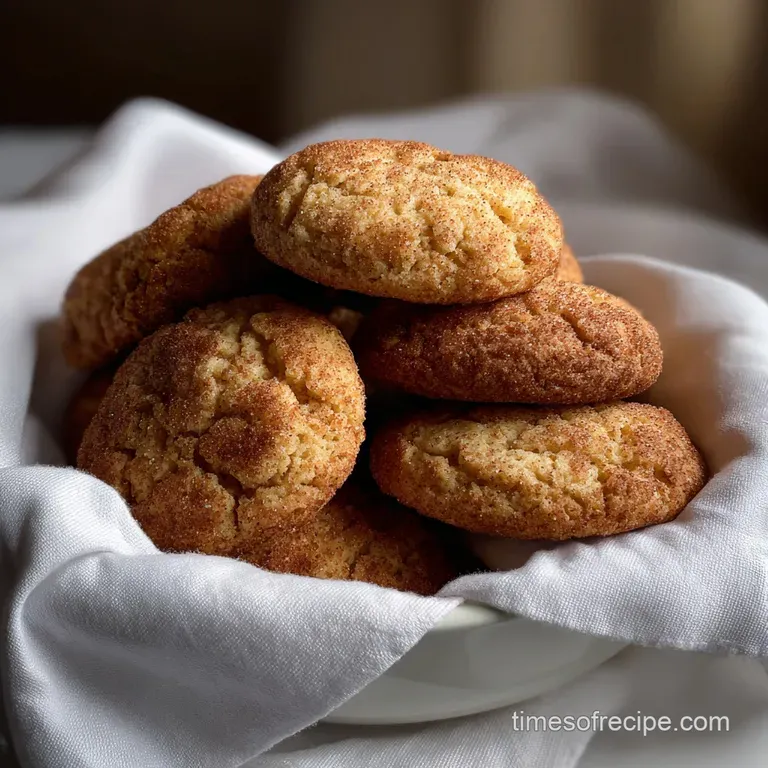
- Time: Active 45 minutes, Passive 10 minutes, Total 55 minutes
- Flavor/Texture Hook: Velvety, buttery crumb with a signature tang and a shatter crisp cinnamon sugar crust
- Perfect for: Festive gatherings, holiday cookie swaps, or cozy rainy afternoons
- Bake These Perfectly Tangy Snickerdoodles Cookies
- The Magic of Cinnamon Sugar
- Why You’ll Love This Recipe
- Timing and Batch Size Essentials
- Essential Ingredients and Smart Swaps
- Professional Tools for Flawless Results
- Master the Dough Rolling Technique
- Fixing Common Cookie Baking Issues
- Flavor Variations and Diet Adjustments
- Keeping Your Batch Fresh Longer
- Styling Your Stunning Cookie Platter
- Solving Your Baking Dilemmas Directly
- Recipe FAQs
- 📝 Recipe Card
Bake These Perfectly Tangy Snickerdoodles Cookies
The smell of cinnamon sugar hitting a hot baking sheet is, quite literally, the scent of my childhood. But I'll be honest with you, for years, I couldn't get them right. My cookies would either come out like flat, greasy pancakes or dry, flavorless hockey pucks.
I was following recipes to the letter, or so I thought, until I realized that baking is less about following instructions and more about understanding how ingredients talk to each other. Once I figured out the secret of butter temperature and the specific acidity of the leavening, everything changed.
Now, these are the cookies everyone begs me to bring to the annual Christmas party.
We aren't just making "cinnamon sugar cookies" here. A true snickerdoodle has a soul, and that soul is found in the slight tang provided by cream of tartar. It's what separates a mediocre cookie from a stunning, professional grade treat.
We’re going to walk through the process together, from the "creaming" stage where we build the structure, to that final, satisfying roll in the cinnamon sugar. If you've ever felt intimidated by baking, don't worry.
This recipe is designed to be approachable while delivering results that look like they came out of a high end patisserie window.
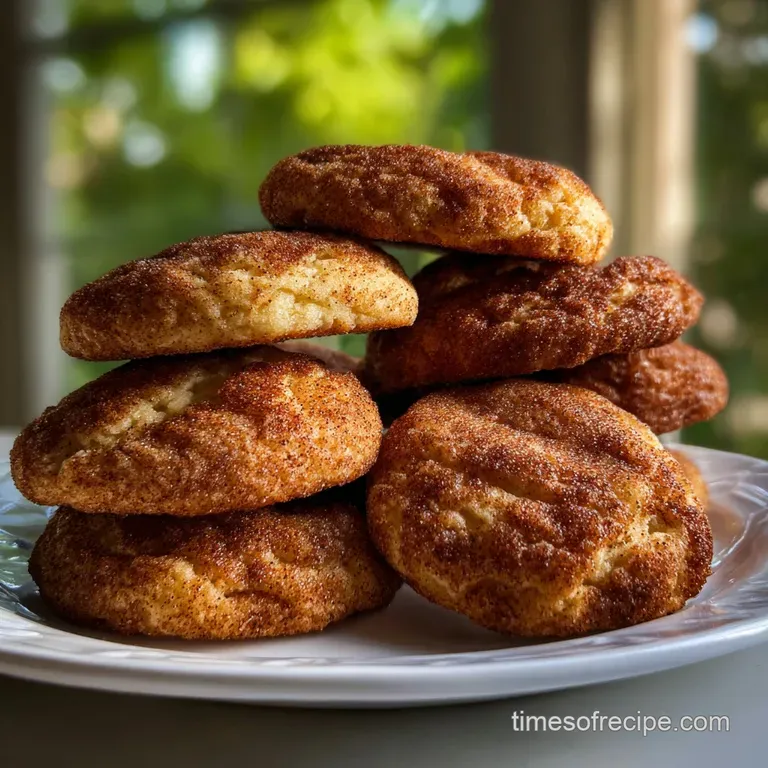
You can expect a cookie that is pillowy in the middle but has those gorgeous, rustic cracks on top. The edges should be just slightly firm, providing a beautiful contrast to the soft interior.
We’ll be using metric measurements where possible for precision, because in baking, a few grams can be the difference between a "good" cookie and a "stunning" one. Let’s get your oven preheating and dive into why this specific method works so well.
Trust me, your kitchen is about to smell like absolute magic.
The Magic of Cinnamon Sugar
There is something profoundly comforting about the simplicity of this flavor profile. Unlike a complex triple chocolate chunk cookie or a salted caramel swirl, these cookies rely on the purity of butter, vanilla, and high-quality cinnamon. It's a nostalgic taste that reminds me of snowy mornings and warm tea.
The "crackle" on top isn't just for looks, it's a structural feature of the cookie that provides a tiny bit of crunch before you hit the buttery center.
I remember the first time I made a batch that actually puffed up correctly. I sat on the kitchen floor, staring through the oven glass, watching the Maillard reaction turn the edges a deep, golden brown. It felt like a triumph. That's the feeling I want you to have.
We're going for a specific color balance here, a warm amber hue dusted with the dark, reddish brown of the ground cinnamon. It’s simple, elegant, and timeless.
Why You’ll Love This Recipe
- Mechanism: The high ratio of cream of tartar prevents sugar crystallization, ensuring a soft, chewy texture rather than a crunchy one.
- Leavening Synergy: When the acidic cream of tartar meets the alkaline baking soda, it creates a massive release of carbon dioxide, resulting in the iconic "puff and fall" that creates the surface cracks.
- Fat Emulsification: Using room temperature eggs ensures they incorporate fully into the butter and sugar, creating a stable emulsion that prevents the cookies from spreading too thin.
- Sugar Hybridization: The dual sugar approach (granulated inside for structure, cinnamon sugar outside for crunch) creates a complex mouthfeel.
- Maillard Enhancement: The cinnamon coating caramelizes slightly in the oven heat, deepening the flavor profile beyond just "sweet."
Timing and Batch Size Essentials
| Feature | Classic Method | Fast Method |
|---|---|---|
| Texture | Deeply crinkled and pillowy | Slightly smoother and denser |
| Dough Prep | 30 mins chill required | No chill time |
| Flavor Depth | High (acid develops) | Moderate |
Chef's Note: If you're in a rush, you can skip the chill, but your cookies will be thinner. For that stunning, bakery style height, the 30 minute rest is non negotiable.
Essential Ingredients and Smart Swaps
For the best results, I always reach for King Arthur All Purpose Flour because of its consistent protein content. It gives the dough the "backbone" it needs to hold those air bubbles. I also highly recommend using a high fat European butter like Kerrygold, the extra fat content makes the crumb incredibly velvety.
- 1 cup unsalted butter (226g), softened to 18°C/65°F Why this? Provides the essential fat for a tender, melt in-mouth crumb.
- 1.5 cups granulated C&H sugar (300g)Why this? Aerates the butter during creaming for a lighter lift.
- 2 large eggs, room temperature Why this? Acts as the binder and provides moisture for the rise.
- 2 tsp Nielsen Massey vanilla extractWhy this? Adds floral notes that balance the spicy cinnamon.
- 2.75 cups King Arthur all purpose flour (345g), spooned and leveled Why this? The structural foundation of the entire cookie.
- 2 tsp McCormick cream of tartarWhy this? Essential for the signature tang and chewy texture.
- 1 tsp Arm & Hammer baking sodaWhy this? Reacts with the tartar to create the rise.
- 0.5 tsp fine sea saltWhy this? Sharpens the other flavors and cuts the sweetness.
- 0.25 cup granulated sugar (for coating)
- 2 tbsp ground Saigon cinnamon (for coating)
Component Analysis
| Ingredient | Science Role | Pro Secret |
|---|---|---|
| Cream of Tartar | Acidic Leavener | Keeps cookies soft by inhibiting sugar crystals |
| Butter (18°C) | Aeration / Fat | Use 65°F (18°C) butter; if it’s too oily, cookies will flat line |
| Large Eggs | Emulsifier | Soak cold eggs in warm water for 5 mins to hit room temp fast |
Ingredient Substitutes
| Original Ingredient | Substitute | Why It Works |
|---|---|---|
| Cream of Tartar | 2 tsp Lemon Juice | Adds acidity. Note: Dough will be slightly wetter; add 1 tbsp extra flour |
| Unsalted Butter | Refined Coconut Oil | Solid at room temp. Note: Use 15% less; cookies will be crispier |
| Granulated Sugar | Light Brown Sugar | Higher moisture. Note: Result is much chewier but loses the "snap" |
Professional Tools for Flawless Results
You don't need a professional kitchen, but a few specific tools make the "stunning" part much easier. I swear by my KitchenAid Stand Mixer with the paddle attachment. It incorporates air into the butter far more effectively than I ever could by hand.
For the baking itself, a USA Pan Half Sheet is a game changer because the corrugated surface allows for even airflow under the cookies.
I also recommend using a spring loaded cookie scoop (size #40). This ensures every single cookie is exactly the same size, which means they all finish baking at the exact same moment. No more burnt edges on the small ones while the big ones are still raw!
Finally, use Precut Parchment Paper to prevent sticking and ensure the bottoms don't brown too quickly against the metal.
Master the Dough Rolling Technique
1. Acidic Chemical Leavening Reactions
The first step is understanding that we are creating a chemical reaction. In a medium bowl, whisk together your flour, cream of tartar, baking soda, and salt. Make sure there are no lumps in the cream of tartar; it likes to clump up, and nobody wants a pocket of pure acid in their cookie. This dry mix is your "engine."
2. Controlled Fat Aeration
In your KitchenAid bowl, beat the 1 cup of softened butter and 1.5 cups of sugar. Beat 3-4 minutes until pale and fluffy.Note: This creates the micro air pockets that the baking soda will later expand. You want it to look like thick frosting, not just "mixed." This is where many home cooks stop too early.
3. The Dual Sugar Crust Mechanism
Add the eggs one at a time, beating well after each. Pour in the 2 tsp of vanilla extract. Once this is a smooth, pale yellow mixture, turn the mixer to low. Slowly add the flour mixture until just combined.
Stop immediately when no white streaks remain.Note: Over mixing develops gluten, which makes the cookies tough instead of soft.
4. For the Soft Dough
Cover the bowl and chill the dough for 30 minutes. This allows the flour to fully hydrate and the butter to firm back up. While the dough chills, preheat your oven to 400°F (200°C).
This high temperature is a "shock" to the dough, causing it to rise rapidly and then crack.
5. For the Cinnamon Coating
In a small bowl, whisk together the 0.25 cup sugar and 2 tbsp cinnamon. I like to use Saigon cinnamon for its intense, spicy sweet aroma. If you're feeling adventurous, you could even try the technique from my Christmas Cookies recipe and use a bit of brown butter in the dough for extra depth.
6. The Chill and Roll Ritual
Scoop about 2 tablespoons of dough and roll into a smooth ball. Drop the ball into the cinnamon sugar mix and roll until heavily coated. Place 2 inches apart on the baking sheet.Note: They will spread, so give them space to breathe.
7. The Precision Bake
Bake for 8 to 10 minutes. Bake until the edges are set but the centers still look slightly "puffy" and underdone.Note: They will firm up on the hot pan as they cool. This is the secret to that "melt in-your mouth" texture.
8. Cooling and Setting
Let the cookies sit on the baking sheet for 5 minutes before moving them to a wire rack. This "carryover cooking" finishes the center without drying out the edges. You'll see the cracks deepen and settle as they cool, which is pure baking magic.
Fixing Common Cookie Baking Issues
Even the best of us have "off" days in the kitchen. Usually, it's something simple like the oven temperature being slightly off or the butter being a bit too soft. Here is how to fix those common snickerdoodle snags.
Correcting Excessive Cookie Spread
If your cookies are coming out like thin wafers, your butter was likely too warm when you started, or you over creamed the sugar. If the butter is oily to the touch, it won't hold the air bubbles. Always aim for "cool room temperature" where your finger leaves an indent but doesn't sink through the stick.
| Problem | Cause | Fix | Pro Tip |
|---|---|---|---|
| Flat Cookies | Warm Butter | Chill dough 1 hour | Freeze scooped balls for 10 mins |
| Tough Crumb | Over mixing | Mix until just combined | Hand fold the last of the flour |
| No Cracking | Low Oven Temp | Check with thermometer | Ensure oven hits 400°F before baking |
Fixing Gummy Internal Texture
This usually happens if the eggs were too large or if the flour was measured incorrectly. Always use the "spoon and level" method for flour don't scoop directly with the measuring cup, as this packs the flour down and you'll end up with too much. If they are gummy, try baking them for an extra 90 seconds.
Encouraging Surface Cracks
The "crackle" is the hallmark of this cookie. If your cookies stay smooth on top, it's often because the dough was too wet or the oven wasn't hot enough. That initial blast of 400°F heat is what forces the outside to set while the inside is still rising, creating those beautiful fissures.
Flavor Variations and Diet Adjustments
- If you want a deeper flavor, use brown butter. Just make sure to chill the brown butter back to a solid state before creaming. It adds a nutty, toasted note that pairs beautifully with cinnamon.
- If you want a festive twist, add nutmeg. A 1/4 teaspoon of freshly grated nutmeg in the sugar coating makes these taste like eggnog.
- If you want a chocolate version, swap 1/4 cup flour for cocoa. This results in a "Mexican Hot Chocolate" style cookie that is absolutely stunning.
The Brown Butter Upgrade
Brown butter (beurre noisette) is the "secret sauce" of the baking world. By simmering the butter until the milk solids turn golden brown, you create a complex flavor profile that rivals any high end bakery. It's the same technique I use in my Chocolate Chip Cookies recipe to get that rich, toffee like finish.
Christmas Snickerdoodles Twist
For the holidays, I like to add a tiny bit of red and green sanding sugar to the cinnamon sugar mix. It gives the cookies a subtle festive sparkle without changing the classic flavor we all love.
You can also press a Hershey's Kiss into the center immediately after they come out of the oven for a "snickerdoodle blossom."
Vegan Substitution Options
You can make these vegan by using a high-quality plant based butter stick (like Miyoko’s) and an egg replacer. For the egg, I find that a "flax egg" (1 tbsp ground flax + 3 tbsp water) works well, though the cookie will be slightly denser and have a more rustic, nutty flavor.
Keeping Your Batch Fresh Longer
- Storage: These stay soft for up to 4 days if kept in an airtight container at room temperature. Pro tip: Put a slice of plain white bread in the container; the cookies will absorb the moisture from the bread and stay pillowy for even longer.
- Freezing: You can freeze the baked cookies for up to 3 months. Just thaw them at room temperature for an hour. Alternatively, freeze the raw dough balls (after rolling in sugar) and bake them directly from frozen just add 2 minutes to the bake time.
- Zero Waste: If you have leftover cinnamon sugar, don't toss it! Use it on your morning toast, stir it into oatmeal, or sprinkle it over sliced apples for a quick snack. If your cookies do go stale, crush them up and use them as a "crust" for a cheesecake or a topping for vanilla ice cream.
Styling Your Stunning Cookie Platter
Presentation is everything. When I’m serving these, I focus on "color balance" to make the platter look professional. You want a mix of textures and heights to draw the eye in.
- The Base (Warm Gold): Start with the snickerdoodles as your primary color. Their warm, golden tan hue is the "anchor" of the plate.
- The Accent (Ruby Red): Add a few sprigs of fresh red currants or a small bowl of dried cranberries. This pop of red contrasts beautifully with the cinnamon.
- The Contrast (Emerald Green): Tuck in a few fresh mint leaves or sprigs of rosemary around the edges. This "cool" color makes the "warm" tones of the cookies look even more inviting.
Chef's Note: Always dust the platter with a tiny bit of extra cinnamon sugar right before serving for that "freshly baked" shimmer.
Solving Your Baking Dilemmas Directly
The Cream of Tartar Substitution Truth
Many people ask if they can just use baking powder. While baking powder contains cream of tartar, it’s not the same. Baking powder is a mix of baking soda and acid. If you swap, you lose that specific "tang" and the unique chewy texture. Stick to the tartar if you want the authentic experience.
Room Temperature Ingredient Myths
"Does it really matter if the eggs are cold?" Yes, absolutely. Cold eggs will seize the softened butter, creating little chunks of fat instead of a smooth emulsion. This leads to uneven baking and "greasy" spots in your cookies.
If you forget to take them out, just put the eggs in a bowl of warm (not hot!) water for 5 minutes.
Scaling the Recipe for Crowds
If you're doubling this recipe for a big party, be careful with the spices. I recommend 1.5x the salt and cinnamon rather than a full 2x to keep the flavors from becoming overwhelming. For the liquids (vanilla and eggs), you can double those directly.
If you're cutting the recipe in half, beat one egg in a cup and use exactly half of it by weight (about 25g) to keep the moisture levels precise.
For more festive inspiration, you might want to check out my Crinkle Cookies recipe which uses a similar rolling technique but with a deep, fudgy chocolate base. Happy baking!

Recipe FAQs
What ingredient gives Snickerdoodles their signature tangy flavor?
Cream of tartar. This acidic component reacts with the baking soda to create the characteristic puff and slight tanginess that defines a true snickerdoodle.
Should I chill the dough before rolling and baking?
Yes, chilling is highly recommended. Resting the dough for at least 30 minutes allows the flour to fully hydrate and firms up the butter, which prevents excessive spreading during baking.
Can I substitute baking powder for the cream of tartar?
No, it is not an ideal substitute. While baking powder contains acid, using it alone will eliminate the unique, specific tanginess that cream of tartar provides to the final flavor profile.
What is the ideal oven temperature for achieving the crinkled top?
Bake at a high temperature, typically 400°F (200°C). This initial heat shock forces the exterior to set quickly while the interior continues to rise, causing the surface to crack beautifully.
How can I ensure my cookies stay soft and chewy rather than becoming crisp?
Do not overbake them, and ensure you use cream of tartar. The high amount of cream of tartar inhibits sugar crystallization, keeping the internal structure soft. If you enjoyed mastering the texture control here, see how that same fat ratio logic applies to our Pumpkin Cookies: The Softest Recipe With Frosting.
Can I use margarine or shortening instead of butter?
You can, but the flavor and texture will suffer. Butter provides the best flavor and richness due to its fat and water content; shortening results in a softer but bland cookie.
How long should I beat the butter and sugar together?
Beat for 3 to 4 minutes until very pale and fluffy. This creaming process incorporates essential air into the dough structure, which contributes significantly to the final cookie lift and airy texture.
Soft Snickerdoodles Cookies Recipe
Ingredients:
Instructions:
Nutrition Facts:
| Calories | 182 kcal |
|---|---|
| Protein | 2.1 g |
| Fat | 8.2 g |
| Carbs | 26 g |
| Fiber | 0.7 g |
| Sugar | 14.7 g |
| Sodium | 105 mg |
