Sourdough Discard Cinnamon Bread: Sweet and Swirled
- Time: Active 15 minutes, Passive 50 minutes, Total 65 minutes
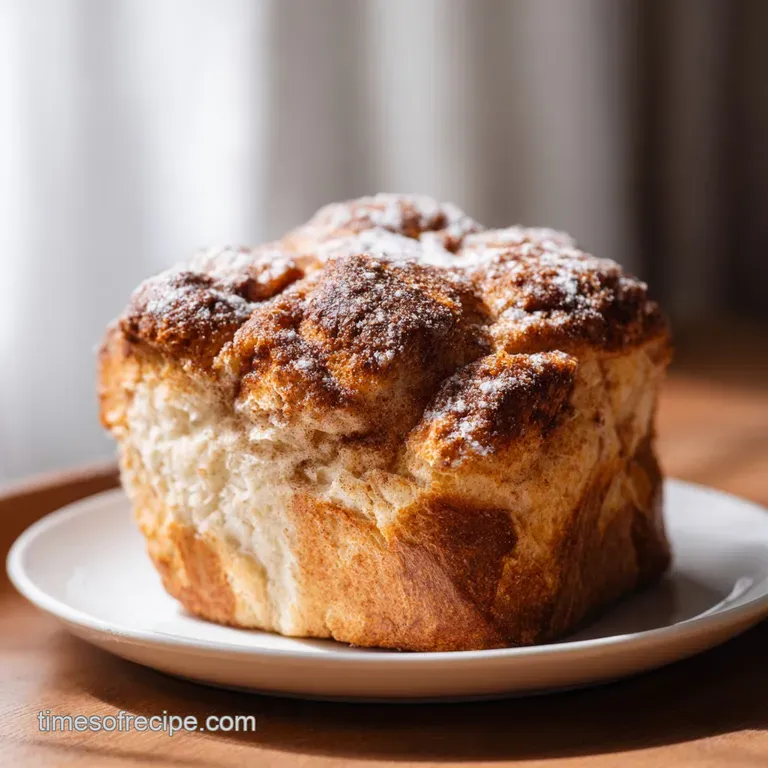
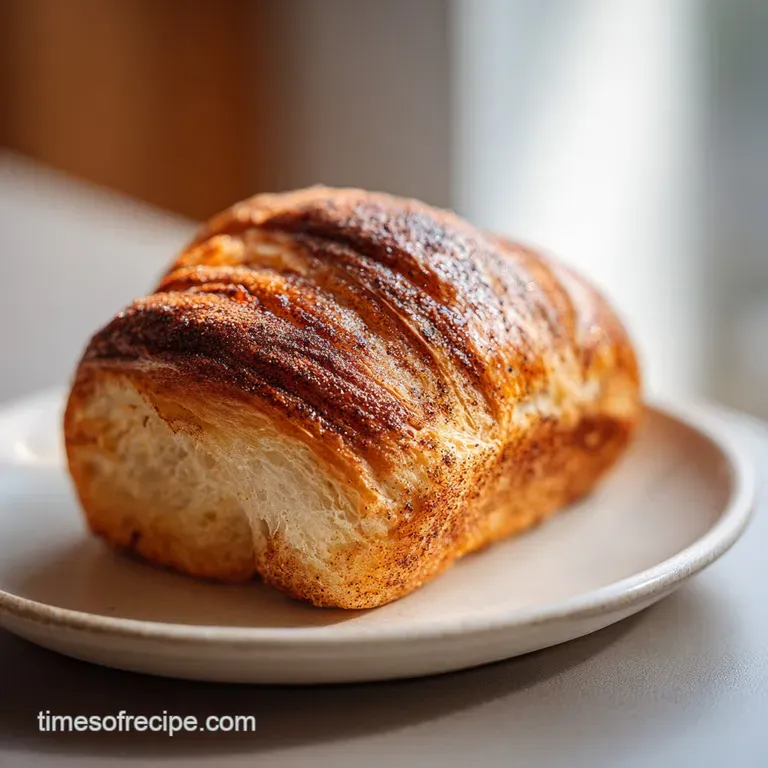
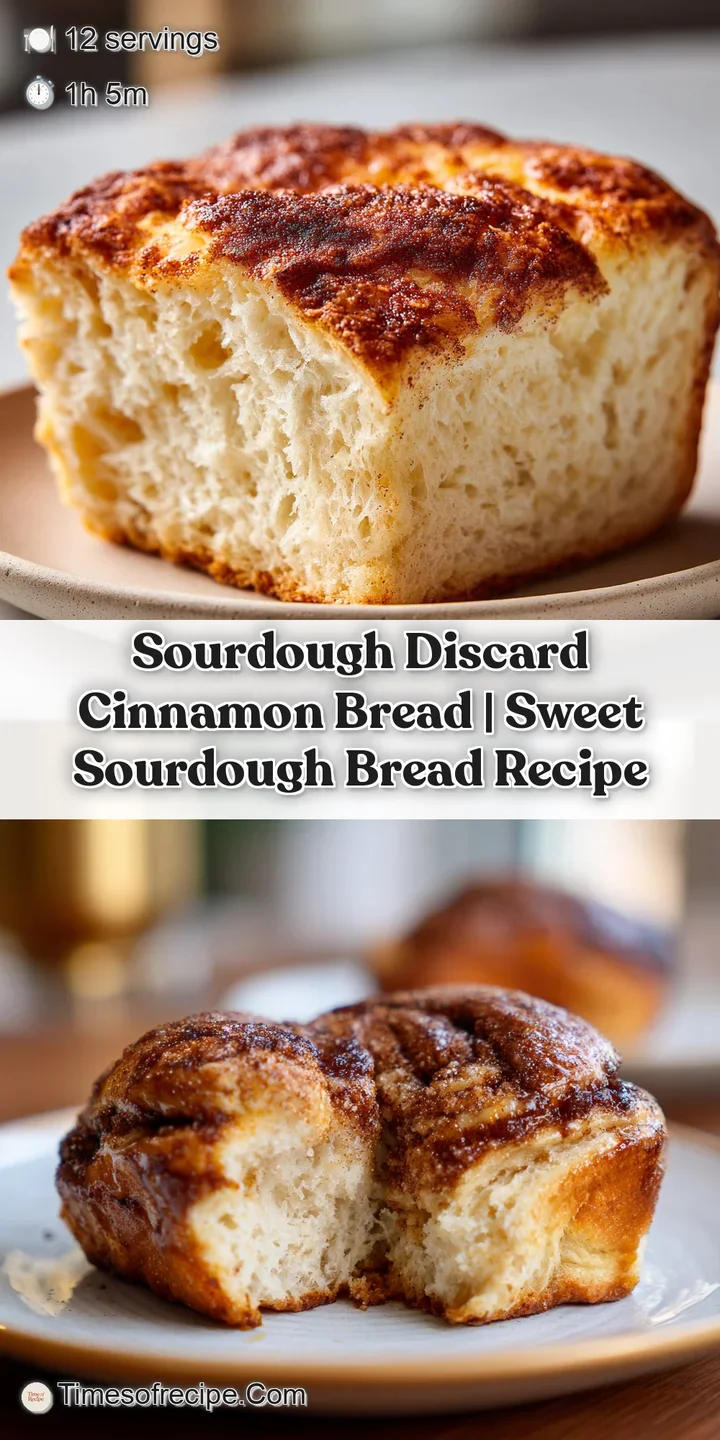
- Flavor/Texture Hook: A velvety, moist crumb contrasted by a crackling, bronze cinnamon sugar crust
- Perfect for: A sophisticated weekend brunch or an elegant gift for a fellow bread enthusiast
- Baking My Best Sourdough Discard Cinnamon Bread
- Essential Secrets Behind This Loaf
- Selecting High Quality Elements
- Curating the Perfect Baking Arsenal
- Executing the Step by Step Process
- Solving Common Texture and Rise Issues
- Managing Proportions for Different Batches
- Correcting Classic Kitchen Misconceptions
- Storage Guidelines and Zero Waste
- Elegant Accompaniments for Your Bread
- Recipe FAQs
- 📝 Recipe Card
Baking My Best Sourdough Discard Cinnamon Bread
You might have heard the whisper that sourdough discard is only good for tangy pancakes or savory crackers, but I am here to tell you that is a complete myth. For the longest time, I assumed the acidity of the discard would fight against the sweetness of a cake like bread, but the opposite is true.
That little jar of bubbly magic in your fridge is actually the secret to a crumb that stays moist for days, providing a sophisticated back note that balances the sugary intensity of a thick cinnamon swirl.
Forget everything you know about sourdough needing twenty four hours to "do its thing." In this kitchen, we are leaning into the immediate gratification of a quick bread while stealing the complex character that only a fermented starter can provide.
I remember the first time I pulled this loaf out of the oven, the aroma of warm spice and toasted butter filled every corner of my home, making it feel like a cozy sanctuary. It was a revelation to see how the discard behaved, acting less like a leavener and more like a gourmet tenderizer.
This recipe is about elegance and ease, turning what could be waste into a stunning centerpiece. We are looking for that specific, shimmering finish on the crust and a swirl that looks like a painted ribbon through the center.
If you have been letting your discard pile up because you are tired of the same old savory bakes, let this be your invitation to the sweeter side of sourdough. It is wobbly, it is baking, and it is absolutely magic.
Essential Secrets Behind This Loaf
- Acidic Tenderization: The natural lactic acid in the sourdough discard works to weaken the gluten bonds in the all purpose flour, creating a crumb that is velvety rather than chewy.
- Chemical Synergy: By pairing the acidic discard with baking soda, we create an immediate reaction that produces carbon dioxide bubbles, ensuring the bread rises tall without yeast.
- Moisture Suspension: The fermented flour within the discard has already been broken down, allowing it to hold onto liquid more effectively during the baking process for a longer shelf life.
- Friction Lock Swirl: Adding a tiny bit of flour to the cinnamon sugar mixture prevents the layers from separating, keeping the swirl firmly bonded to the surrounding batter.
| Thickness | Internal Temp | Rest Time | Visual Cue |
|---|---|---|---|
| 9x5 inch loaf | 200°F (93°C) | 10 minutes | Top is golden and bounces back when touched |
| 8x4 inch loaf | 205°F (96°C) | 12 minutes | Skewer comes out with moist crumbs but no raw batter |
| Muffin tin | 195°F (90°C) | 5 minutes | Edges pull away slightly from the paper liners |
There is a certain joy in watching the batter transform from a thick, pale cream to a deep, bronzed loaf. The way the cinnamon sugar bubbles up through the cracks in the top of the bread creates a landscape of texture that is visually stunning.
This quick decision table helps you navigate the bake regardless of your pan choice, ensuring you never end up with a gummy center or a dry edge.
Selecting high-quality Elements
| Ingredient | Science Role | Pro Secret |
|---|---|---|
| Sourdough Discard | Acidic Tenderizer | Use it cold from the fridge for a thicker, more manageable batter. |
| Unsalted Butter | Fat & Flavor | Melt then cool to room temperature to prevent "cooking" the egg prematurely. |
| Granulated Sugar | Hygroscopic Sweetener | It draws moisture into the crumb while helping create a crispy, caramelized crust. |
| Ground Cinnamon | Flavor Profile | Use Vietnamese or Ceylon cinnamon for a more floral, elegant aromatic experience. |
For the Batter
- 227g sourdough discard: This provides the moisture and the signature tang. Why this? It adds a complex acidity that balances the sweetness. (Substitute: 113g flour and 114g yogurt if you are out of discard).
- 250g all purpose flour: The structural backbone of our bread. Why this? It provides enough protein for a sturdy but soft loaf. (Substitute: Pastry flour for an even more delicate texture).
- 150g granulated sugar: For sweetness and browning. Why this? It helps the crust achieve that signature shatter. (Substitute: Caster sugar for easier dissolving).
- 113g unsalted butter, melted and cooled: Adds richness and a silky mouthfeel. Why this? Fat coats the flour to keep it tender. (Substitute: Neutral oil like grapeseed for a more open, airy crumb).
- 1 large egg, room temperature: Acts as the binder. Why this? It provides structure and a golden hue. (Substitute: 1/4 cup applesauce for a denser, egg free version).
- 120ml whole milk: Provides hydration and fat. Why this? It creates a richer crumb than water would. (Substitute: Buttermilk for even more tang and lift).
- 1 tsp vanilla extract: For that classic bakery aroma.
- 1 tsp baking powder: Our primary lifting agent.
- 1/2 tsp baking soda: Reacts with the discard for extra height.
- 1/2 tsp fine sea salt: To heighten every other flavor in the loaf.
For the Cinnamon Swirl
- 65g brown sugar: Adds a molasses like depth to the center.
- 1 tbsp ground cinnamon: The star of the show.
- 1 tsp all purpose flour: The secret to a stable swirl. Why this? It stops the sugar from melting into a messy puddle.
Curating the Perfect Baking Arsenal
The beauty of this sourdough discard cinnamon bread is that it doesn't require a stand mixer or any high tech gadgets. I prefer using a heavy glass or ceramic mixing bowl because the weight helps keep the bowl steady while whisking the butter and sugar.
A silicone spatula is also non negotiable for the folding stage; it allows you to scrape the bottom of the bowl effectively so no pockets of flour are left behind.
You will also need a standard 9x5 inch loaf pan. I always recommend lining it with parchment paper, leaving a bit of an "overhang" on the long sides. This makes it incredibly easy to lift the bread out once it has cooled, preventing any heartbreak from the crust sticking to the bottom.
For the swirl, a simple butter knife or a wooden skewer is perfect for creating those elegant, marble like patterns without over mixing the layers.
If you are looking for other ways to use your kitchen tools, you might enjoy making Dutch Oven No Knead Bread for a more traditional loaf. Having the right tools makes the process feel like a curated experience rather than a chore. It is all about the tactile sensation of the whisk moving through the batter and the visual of the swirl coming to life.
Executing the step-by-step Process
- Preheat your oven to 350°F (175°C). Line a 9x5 inch loaf pan with parchment paper, leaving an overhang on the sides for easy removal. Note: This ensures the bread doesn't steam in the pan as it cools.
- In a medium bowl, whisk together the 250g flour, baking powder, baking soda, and salt until aerated and lump free.
- In a large bowl, whisk the 113g melted butter and 150g granulated sugar until the mixture resembles wet sand.
- Add the large egg, 227g sourdough discard, 120ml milk, and 1 tsp vanilla extract to the butter mixture. Whisk vigorously until completely smooth and the discard is fully incorporated.
- Gently fold the dry ingredients into the wet ingredients using a silicone spatula. Mix only until no streaks of flour remain; do not overmix. Note: Over mixing leads to a tough, rubbery loaf.
- In a small bowl, prepare the friction lock swirl by mixing the 65g brown sugar, 1 tbsp cinnamon, and 1 teaspoon of flour.
- Layer half of the batter into the prepared loaf pan. Sprinkle the cinnamon sugar mixture evenly over the batter, then top with the remaining batter.
- Use a butter knife or skewer to gently swirl the layers together until you see a marble pattern emerge.
- Bake for 50 minutes until a skewer inserted into the center comes out clean and the top is a deep golden brown.
- Cool in the pan for 10 minutes before transferring to a wire rack. Note: This allows the structure to set so the bread doesn't crumble when sliced.
Solving Common Texture and Rise Issues
The Bread is Gummy in the Middle
This usually happens if the oven temperature is a bit off or if the loaf was pulled out too early. Quick breads are dense by nature, and the addition of sourdough discard adds even more moisture. If the outside looks dark but the inside feels heavy, your oven might be running hot.
The Top is Burning but the Inside is Raw
Sugar is prone to browning quickly, and since this loaf has a good amount of it, the top can darken before the heat penetrates the center. This is a classic timing issue that can be solved with a bit of kitchen ingenuity.
| Problem | Root Cause | Solution |
|---|---|---|
| Sunken Center | Over mixing the batter | Fold gently until just combined; do not use a whisk for the final stage. |
| Dry Crumb | Over baking | Start checking for doneness 5 minutes before the timer goes off. |
| Swirl Separating | Too much sugar, no flour | Always include that 1 tsp of flour in your cinnamon sugar mix. |
Common Mistakes Checklist:
- ✓ Always use room temperature eggs and milk to prevent the melted butter from seizing up and creating lumps.
- ✓ Do not over swirl the cinnamon mixture, or it will just turn the whole loaf brown instead of creating distinct ribbons.
- ✓ Measure your sourdough discard by weight (227g) rather than volume, as the airiness of a starter can vary wildly.
- ✓ Avoid opening the oven door during the first 30 minutes of baking to prevent a sudden drop in temperature.
- ✓ Let the loaf cool completely before slicing to ensure the cinnamon swirl has fully set and won't fall out.
Managing Proportions for Different Batches
If you find yourself with a surplus of discard and want to bake for a crowd, doubling this recipe is quite simple. When moving to a larger batch, I recommend using two separate loaf pans rather than one giant one, as the middle of a double sized loaf rarely cooks through before the edges burn.
Just keep the oven temperature at 350°F (175°C) and check both pans around the 45 minute mark.
For those who only have a small amount of discard, you can easily halve the recipe. Use a smaller mini loaf pan or a few ramekins. When halving the egg, whisk it in a small bowl first and then measure out roughly 25-28 grams.
The baking time will likely drop by about 15 to 20 minutes, so keep a close eye on the oven. The magic of this bread is its flexibility; it adapts to your needs as long as you maintain the ratio of fat to flour.
When you're looking for a different kind of sweet treat to serve alongside your bread, these Ted Lasso Biscuit are a wonderful buttery companion. Scaling up the biscuits follows similar rules: keep the butter cold and don't overwork the dough. Whether you're baking a single loaf for a quiet morning or a dozen for a party, the principles of sourdough chemistry remain the same.
| Recipe Version | Pan Size | Cook Time | Yield |
|---|---|---|---|
| Standard | 9x5 Loaf Pan | 50 minutes | 12 slices |
| Double Batch | Two 9x5 Pans | 50-55 minutes | 24 slices |
| Half Batch | 5x3 Mini Pan | 30-35 minutes | 6 slices |
Correcting Classic Kitchen Misconceptions
One major misconception is that sourdough discard must be "active" or bubbly to work in this bread. In reality, we are using it for flavor and moisture, not for leavening power. Your discard can be flat, cold, and several days old, and it will still perform beautifully alongside the baking powder and soda.
The acidity is the functional component here, not the yeast activity.
Another myth is that you can substitute the discard 1:1 with extra flour and water. While the math might seem to add up, you lose the enzymatic breakdown that has already occurred in the fermented starter.
Plain flour and water will result in a much tougher, bland loaf that lacks the characteristic "shatter" of a true sourdough discard cinnamon bread crust.
Finally, people often think that a "swirl" should be stirred deep into the batter. If you swirl too aggressively, you end up with a muddy colored bread rather than distinct, elegant layers. The goal is to lift and fold the sugar mixture just enough to create visual interest.
Think of it as painting a masterpiece with only three or four strokes.
Storage Guidelines and Zero Waste
Your sourdough discard cinnamon bread will stay fresh at room temperature for up to 3 days if wrapped tightly in plastic wrap or kept in an airtight container. Because of the sourdough acidity, it actually resists staling better than most quick breads.
If you find yourself with leftovers after the third day, don't despair; this bread makes the most incredible French toast or bread pudding you have ever tasted.
For long term storage, slice the loaf before freezing. Place pieces of parchment paper between the slices and store them in a freezer safe bag for up to 3 months. This allows you to pull out a single slice whenever the craving strikes.
To reheat, a quick 20 seconds in the microwave or a few minutes in a toaster oven will bring back that "just baked" warmth and soften the cinnamon center beautifully.
- Crust Crumbs
- If the ends of the loaf get too dry, pulse them in a food blender to create sweet breadcrumbs for topping fruit crisps.
- Discard Savings
- Never throw away that "gray" liquid on top of your starter (the hooch); stir it back in before measuring for this recipe to add even more intense tang.
- Sugar Scraps
- If you have leftover cinnamon sugar, save it in a small jar to sprinkle over your morning coffee or oatmeal.
Elegant Accompaniments for Your Bread
This bread is a star on its own, but it truly shines when paired with textures that contrast its soft crumb. I love serving a thick slice with a dollop of salted honey butter. The salt cuts through the richness of the cinnamon swirl, making the whole experience feel much more sophisticated.
For a garnish strategy that really pops, consider these three color accents:
- Cinnamon Sugar Bronze: This is the natural topping formed during the bake. Ensure it is well distributed for a shimmering effect.
- Honey Gold: A drizzle of high-quality local honey right before serving adds a translucent glow to the loaf.
- Mint Leaf Green: A tiny sprig of fresh mint on the side of the plate provides a vibrant, cool contrast to the warm tones of the bread.
If you are hosting a brunch, serve this alongside a sharp, aged cheddar cheese. It might sound unusual, but the "sweet and savory" combination is a classic for a reason the sharpness of the cheese highlights the subtle tang of the sourdough.
A crisp, acidic coffee like a light roast Ethiopian or a floral Earl Grey tea also makes for a stunning pairing that clears the palate between bites.
If you want X, do Y:
- If you want a crunchier crust, sprinkle an extra tablespoon of granulated sugar over the top of the batter right before it goes into the oven.
- If you want a softer, cake like texture, substitute half of the milk with full fat sour cream or Greek yogurt.
- If you want more intense spice, add 1/4 teaspoon of ground cloves or ginger to the cinnamon sugar swirl mixture.
| Method | Time | Texture | Best For |
|---|---|---|---|
| Standard Bake | 50 mins | Moist & Balanced | Everyday snacking |
| Low & Slow | 60 mins | Extra Dense | Slicing for French toast |
| Convection | 40 mins | Very Crispy Top | Quick gifts |
Creating this sourdough discard cinnamon bread is more than just a way to clean out your fridge it is an exercise in finding beauty in the leftovers. The way the kitchen transforms as the sugar caramelizes and the sourdough scent wafts through the air is something every home baker should experience.
It’s elegant, it’s simple, and it’s a testament to why we keep those sourdough jars alive in the first place. Happy baking, my friend!
Recipe FAQs
Is it true I need to use active sourdough starter instead of discard?
No, this is a common misconception. This recipe is specifically designed to use sourdough discard for its flavor and acidity, as the baking powder and baking soda provide the necessary lift for the loaf.
How to ensure the cinnamon swirl is perfectly marbled?
Use a butter knife to gently drag the batter in a figure eight motion. Be careful not to over swirl, or the cinnamon sugar mixture will simply blend into the batter instead of creating defined layers.
Can I store this bread longer than three days?
Yes, slice and freeze the loaf for long term storage. If you enjoyed mastering the texture control in this loaf, you can apply similar storage principles to our shredded apple bread to keep your homemade goods fresh for weeks.
How to tell when the bread is finished baking?
Insert a skewer into the center of the loaf. The bread is fully cooked when the skewer comes out clean after 50 minutes in your 350°F oven.
Is overmixing the batter a problem?
Yes, mixing only until no streaks of flour remain is vital. Overworking the batter develops gluten, which results in a tough, dense loaf rather than a tender crumb.
How to prepare the loaf pan for easy removal?
Line your 9x5 inch pan with parchment paper using an overhang on the sides. This creates a handle that allows you to lift the cooled loaf out of the pan without it sticking or breaking.
Should I let the sourdough discard reach room temperature?
Yes, using room temperature discard helps maintain a consistent batter temperature. When all your ingredients are at a similar temperature, they emulsify more evenly during the mixing process.
Sourdough Discard Cinnamon Bread
Ingredients:
Instructions:
Nutrition Facts:
| Calories | 261 kcal |
|---|---|
| Protein | 3.8 g |
| Fat | 8.7 g |
| Carbs | 42.1 g |
| Fiber | 1.2 g |
| Sugar | 22.4 g |
| Sodium | 238 mg |
