Super Easy Turkey Brine: Juicy and Succulent
- Time: Active 10 minutes, Passive 10 minutes, Total 20 minutes
- Flavor/Texture Hook: Savory sweet infusion with a buttery, tender bite
- Perfect for: Thanksgiving hosting, beginner cooks, or holiday meal prep
- Mastering This Super Easy Turkey Brine Recipe
- Surprising Secrets for Succulent Meat
- Essential Numbers for Perfect Results
- Selecting Your Bold Aromatic Components
- Tools for a Reliable Soak
- Executing the Infusion and Cooling
- Navigating Potential Brining Hurdles
- Flavor Variations and Smart Swaps
- Maintaining Freshness and Reducing Waste
- Presentation Ideas for the Table
- CRITICAL Sodium Alert
- Recipe FAQs
- 📝 Recipe Card
Mastering This Super Easy Turkey Brine Recipe
The air in my kitchen always changes the moment that first handful of peppercorns hits the simmering water. It’s a sharp, woody aroma that mingles with the sweetness of light brown sugar, signaling that the holiday season has officially arrived.
I used to think that a dry, sawdust textured turkey was just an inevitable part of the tradition, something we smothered in gravy to hide the truth. Then I discovered the magic of a concentrated brine, and honestly, we’ve never looked back.
This specific method is about contrast. We take the heat of a quick simmer to bloom those aromatics the rosemary, the thyme, and the garlic and then we crash that temperature down with three quarts of ice.
It’s a fast, efficient way to get the bird submerged without waiting hours for a giant pot of water to cool on the counter. You get that "shatter" of crispy skin on the outside while the inside stays unbelievably tender.
We're going for a hearty, bold profile here that reminds me of my grandmother’s kitchen, but with a modern trick for speed. If you've been nervous about the bird being too salty or the process being too messy, lean in.
This is the one that actually works every single time, whether you're roasting, smoking, or even frying.
Surprising Secrets for Succulent Meat
Fiber Relaxation: The salt solution breaks down tightly wound muscle proteins, allowing them to relax and hold onto moisture during the high heat of roasting.
Osmotic Balance: By creating a high concentration solution outside the meat, we force flavorful liquid into the cells, ensuring the seasoning reaches the very center of the breast.
Aromatic Infusion: The apple cider vinegar acts as a mild brightener, cutting through the richness of the fat while helping the herbs penetrate the skin more deeply.
| Cooking Method | Total Time | Resulting Texture | Best For |
|---|---|---|---|
| Traditional Roast | 13 mins / lb | Crispy skin, classic | Family dinners |
| Wood Smoker | 30 mins / lb | Deep mahogany, tender | Bold flavor lovers |
| over High heat Fry | 3 mins / lb | Ultra shatter skin | Speed and crunch |
Choosing your cooking method early helps you decide how long to keep the bird in this super easy turkey brine recipe. If you're smoking the bird, you might want to pull it out of the liquid an hour earlier to let the skin air dry in the fridge, which helps the smoke stick better.
For a classic roast, a wet skin is fine as long as you pat it down thoroughly before it hits the oven.
The interaction between the salt and the turkey's cellular structure is what prevents that "cardboard" texture we all dread. When you use a silky dipping sauce alongside a properly brined bird, the moisture levels stay high even if the turkey sits on the carving board for twenty minutes. It’s all about creating a buffer of hydration.
| Component | Science Role | Pro Secret |
|---|---|---|
| Kosher Salt | Denatures proteins | Always use Diamond Crystal for easier dissolving and milder saltiness. |
| Brown Sugar | Promotes browning | The molasses content helps create a dark, golden skin through caramelization. |
| Peppercorns | Depth of flavor | Lightly crack them with a heavy pan before adding to release oils faster. |
Essential Numbers for Perfect Results
When I first started brining, I'd just eyeball the measurements, which is a recipe for a salt lick. Precision is your best friend here. For a standard 12 to 15 pound turkey, you need exactly 4 cups of water for your initial simmer.
This creates a hyper saturated concentrate that extracts every bit of essence from your garlic and herbs.
The most critical numeric checkpoint is the final temperature. Never, ever put a room temperature or warm turkey into a brine that hasn't dropped below 40°F. If the liquid is too warm, you're essentially starting a very slow, very unsafe poach that can lead to bacterial growth.
Use a digital thermometer to verify that the 3 quarts of ice and 2 quarts of cold water have done their job.
Finally,, watch your timing based on weight. A good rule of thumb is 45 to 60 minutes of brining time per pound of turkey. If you leave a small bird in this overnight turkey brine recipe for more than 24 hours, the texture can start to turn "spongy" as the salt begins to cure the meat rather than just season it.
Stick to the 12 to 18 hour window for the best results.
Understanding the Protein Shift
Inside the turkey, the salt works to dissolve a specific protein called myosin. Once this protein is out of the way, the muscle fibers can't contract as tightly when they get hot. This means less juice is squeezed out, leaving it in the meat where it belongs.
Controlling the Water Balance
It’s not just about adding salt; it’s about the movement of water. Because the brine has a higher concentration of solutes than the turkey's natural juices, the water moves into the meat to try to find a balance. This adds a "weight" of flavor you can actually feel when carving.
Managing Heat and Ice
The 10 minutes of cook time is just long enough to melt the sugar and salt. Adding the 3 quarts of ice immediately after stops the "cooking" of the aromatics, locking in their fresh, bright notes rather than letting them turn dull and overcooked in a hot pot.
Selecting Your Bold Aromatic Components
- 4 cups water: This is the base for your concentrate. Why this? Just enough liquid to dissolve solids without taking forever to boil.
- 1 cup Diamond Crystal Kosher Salt: This provides the essential seasoning. Why this? Its hollow flakes dissolve instantly and prevent over salting compared to table salt.
- 0.5 cup Light Brown Sugar: Adds sweetness and aids browning. Why this? Packed light brown sugar gives a subtle molasses hint that white sugar lacks.
- 2 tablespoons Black Peppercorns: Adds a woody, sharp heat. Why this? Whole berries provide a slow release flavor that won't make the brine cloudy.
- 4-5 Dried Bay Leaves: Essential for an earthy background note. Why this? They bridge the gap between the savory salt and the floral herbs.
- 1 large Orange: Sliced into rounds for brightness. Why this? The oils in the zest provide a fragrant, holiday scented aroma.
- 1 head of Garlic: Halved crosswise to expose all cloves. Why this? Keeping it in the skin makes cleanup easy while releasing maximum flavor.
- 4 sprigs Fresh Rosemary: Provides a hearty, pine like punch. Why this? It stands up to long soaking times without turning bitter.
- 6 sprigs Fresh Thyme: A softer, more floral herb. Why this? It complements the turkey’s natural flavor without overpowering it.
- 1 tablespoon Apple Cider Vinegar: The secret acidic brightener. Why this? It helps tenderize the skin and balances the heavy salt levels.
- 3 quarts Ice Cubes: For the rapid chill. Why this? Melts into the concentrate to bring the temperature down safely and quickly.
- 2 quarts Ice Cold Water: The final volume adjustment. Why this? Reaches the total volume needed to fully submerge a large bird.
Tools for a Reliable Soak
You don't need a professional kitchen, but a few specific items make this "super easy turkey brine recipe" a lot less stressful. First, a large stockpot (at least 12 quarts) is necessary for the initial simmer. You need enough room to stir the ice vigorously without splashing salt water all over your stove.
A heavy duty brining bag or a food grade 5 gallon bucket is the best vessel for the actual soak. If you're using a bag, I highly recommend placing it inside a large roasting pan or a plastic tub just in case of a leak. There is nothing worse than waking up to a fridge full of salt water. If you're short on space, a cheesy chicken casserole style baking dish won't work here; you need depth to ensure the bird is fully submerged.
Finally, get yourself a reliable digital probe thermometer. You'll use it twice: once to check that the brine is below 40°F before the turkey goes in, and later to check the internal temperature of the bird while it cooks.
Since brined turkeys often cook about 15-20% faster than unbrined ones, having that thermometer is the only way to prevent overcooking.
The Brine Solution Base
This is where the magic starts. You want a pot that conducts heat evenly so the sugar doesn't scorch at the bottom. Stainless steel or enameled cast iron works best for this 10 minute simmer phase.
The Aromatic Herb Blend
Freshness matters here. While dried herbs can work in a pinch, fresh rosemary and thyme have oils that are much more vibrant. If you must use dried, reduce the amount by half to avoid a medicinal taste.
The Quick Cooling Method
The transition from the stove to the ice is the most important part of the "quick turkey brine recipe" philosophy. Having your ice ready in a separate bowl before you even start the stove ensures a seamless, safe temperature drop.
Executing the Infusion and Cooling
- Combine 4 cups of water, kosher salt, light brown sugar, whole peppercorns, and bay leaves in a large stockpot.
- Place the pot over medium high heat and stir constantly for 3–5 minutes until the salt and sugar crystals are no longer visible.
- Take the pot off the burner immediately to prevent excess evaporation.
- Toss in the sliced orange rounds, the halved head of garlic, rosemary sprigs, thyme, and the apple cider vinegar. Note: The residual heat will gently bloom the oils in the herbs without boiling away their delicate flavor.
- Dump the 3 quarts of ice directly into the hot liquid.
- Stir the mixture vigorously until the ice has almost completely vanished and the pot feels cold to the touch.
- Pour in the remaining 2 quarts of ice cold water to bring the brine to its final volume.
- Check the temperature with a thermometer to ensure it reads below 40°F (4°C).
- Submerge the turkey in the cold liquid, ensuring the cavity is filled and the entire bird is covered. Note: Use a heavy plate to weigh the bird down if it tries to float.
- Transfer to the refrigerator and let it soak for 12 to 18 hours until the meat is fully seasoned and hydrated.
Navigating Potential Brining Hurdles
One of the most common issues people face is the "floater." Because of the air trapped in the turkey's cavity, it wants to bob to the surface. If even a small part of the breast is exposed to the air, it won't season evenly, and you might run into safety issues.
I always keep a heavy, clean ceramic plate or a gallon sized bag filled with extra brine (or even plain water) to sit on top of the bird. This keeps it pinned down in the flavor zone.
Another hiccup is the "salty skin" syndrome. If you don't rinse the bird after taking it out of the brine, the salt crystals on the skin will concentrate as the water evaporates in the oven. Always give the turkey a quick but thorough rinse under cold water, then pat it bone dry with paper towels.
This is the secret to that mahogany color and crisp texture.
Fixing an Oversalted Bird
If you accidentally left the turkey in the brine for 36 hours, don't panic. You can "reverse" some of the saltiness by soaking the bird in plain, cold water for about 30 to 60 minutes before roasting. This draws some of the surface salt back out.
Keeping the Bird Submerged
If your pot isn't deep enough, you can use a clean, food safe cooler filled with the brine and the bird, surrounded by bags of ice. This is a great "garage" solution if your fridge is too small for a giant stockpot.
Managing Tight Fridge Space
Thanksgiving fridges are notoriously crowded. If you can't fit a bucket, use a double layered brining bag and nestle it into the crisper drawer. The surrounding plastic of the drawer provides support so the bag doesn't roll around and leak.
| Problem | Root Cause | Solution |
|---|---|---|
| Rubbery Skin | Inadequate drying | Pat the bird dry and let it sit uncovered in the fridge for 2 hours before roasting. |
| Cloudy Brine | Salt types | This is normal! The minerals in kosher salt and the sugar create a cloudy look; it doesn't mean it's spoiled. |
| Muffled Herb Flavor | Cold infusion | Ensure you add the herbs while the liquid is still hot (Step 4) to "bloom" their oils before adding ice. |
Common Mistakes Checklist - ✓ Never brine a "pre basted" or "self basting" turkey (like Butterball), as they already contain a salt solution and will become inedibly salty.
- ✓ Avoid using table salt for this recipe; the grain size is too small, and 1 cup will be twice as salty as the kosher version. - ✓ Don't skip the ice chill step; pouring hot brine over a raw turkey is a major food safety risk.
- ✓ Ensure the turkey is completely thawed before it goes into the brine so the salt can actually penetrate the meat. - ✓ Always place your brining vessel inside a secondary container (like a tray) to catch any potential drips or leaks in the fridge.
Flavor Variations and Smart Swaps
If you're looking for a simple turkey brine for thanksgiving that feels a bit more adventurous, you can easily swap the aromatics. Instead of oranges, try using lemons and limes for a zesty, bright profile that works beautifully if you're planning on making a citrus butter rub for under the skin.
You can also replace 2 cups of the cold water with hard apple cider for a deeper, autumnal sweetness that pairs perfectly with pork or turkey.
For those who love a bit of heat, adding two halved jalapeños or a tablespoon of red pepper flakes to the simmer phase will give the meat a subtle, back of-the throat warmth. It won't be "spicy" like a hot wing, but it adds a layer of complexity that really makes the bird stand out.
| Original Ingredient | Substitute | Why It Works |
|---|---|---|
| Light Brown Sugar | Maple Syrup (0.5 cup) | Adds a distinct woodsy sweetness. Note: Skin will brown much faster, so tent with foil early. |
| Apple Cider Vinegar | White Wine | Provides a softer acidity and a sophisticated floral note. |
| Fresh Rosemary | Dried Sage (2 tbsp) | Offers a classic "stuffing" flavor profile. Note: Dried herbs are more concentrated. |
Designing a Smoky Profile
If you're making a turkey brine for smoking, add a teaspoon of liquid smoke or use smoked salt for a quarter of the total salt volume. This helps the smoky flavor penetrate deep into the breast meat, not just the surface.
Boosting the Citrus Notes
For a "citrus forward" bird, use two oranges and one grapefruit. The slight bitterness of the grapefruit zest cuts through the rich turkey fat beautifully and creates an incredible aroma in the oven.
Considering Keto Friendly Options
You can omit the sugar entirely or use an erythritol based brown sugar substitute. While the sugar helps with browning (the Maillard reaction), the salt is the only thing strictly necessary for the moisture retention part of the brine.
Maintaining Freshness and Reducing Waste
Once you pull the turkey out of the brine, the liquid has done its job. Because it has been in contact with raw poultry, you must discard it. Never try to reuse brine for a second bird or use it as a base for gravy. It’s a one way trip for that liquid. However, you can be smart with the scraps.
I usually save the orange rinds and the garlic skins from the prep to toss into my stockpot later when I'm making turkey soup with the carcass.
If you find yourself with leftover brine that hasn't touched the meat yet (perhaps you made a double batch), it will stay fresh in a sealed jar in the fridge for up to a week. You can use it to brine pork chops or even chicken breasts for a quick weeknight dinner.
Just remember that smaller cuts of meat only need about 30 to 60 minutes in the liquid, or they’ll become far too salty.
- - Fridge
- The brine concentrate (without ice) can be made 3 days ahead. Store in a glass jar.
- - Freezer
- You can freeze the concentrate for up to 3 months. Thaw in the fridge before adding ice and water.
- - Zero Waste Tip
- After roasting the turkey, take the herbs and garlic out of the cavity (if you stuffed them back in) and simmer them with the bones for a richer, pre seasoned stock.
Presentation Ideas for the Table
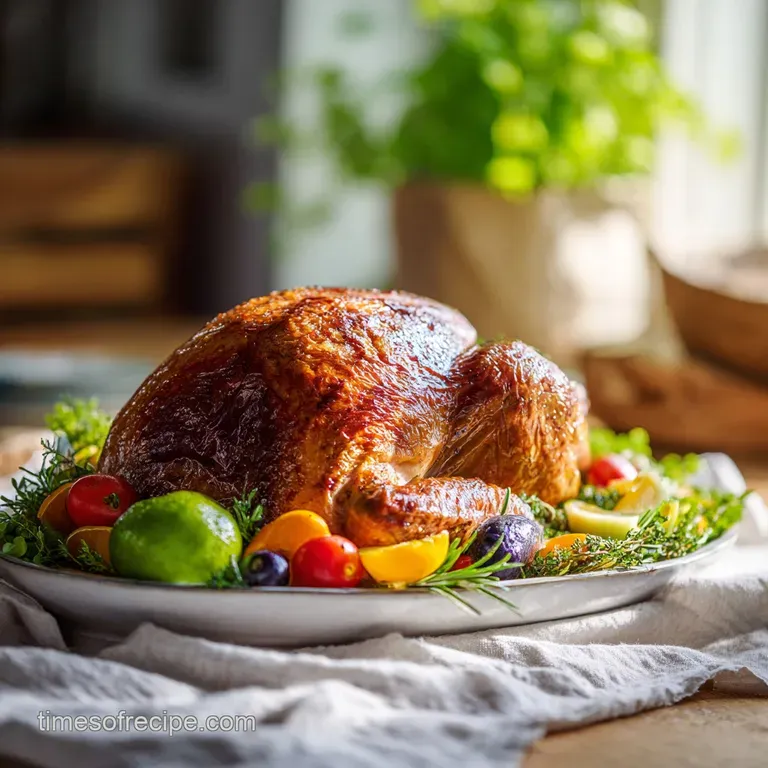
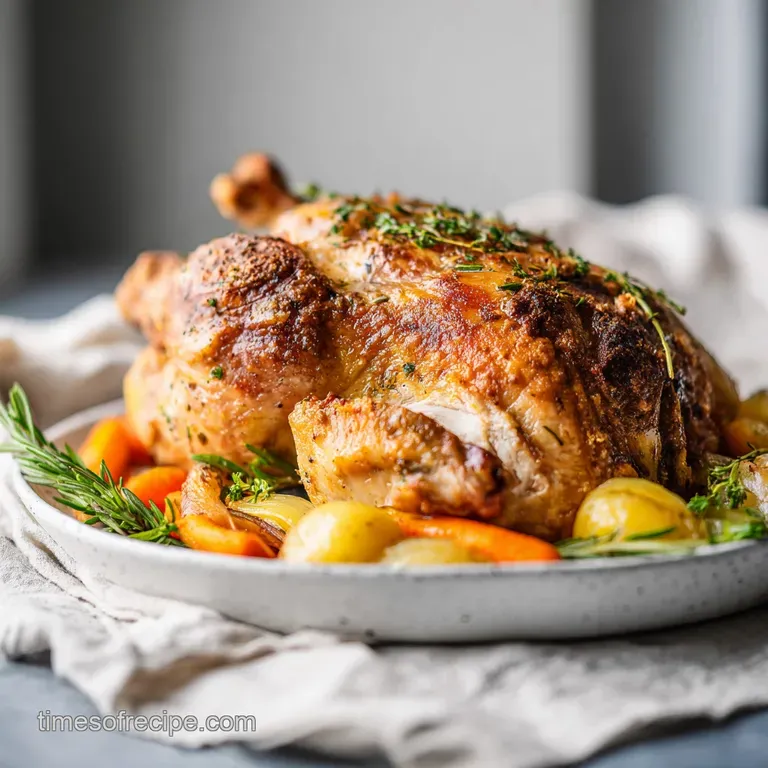
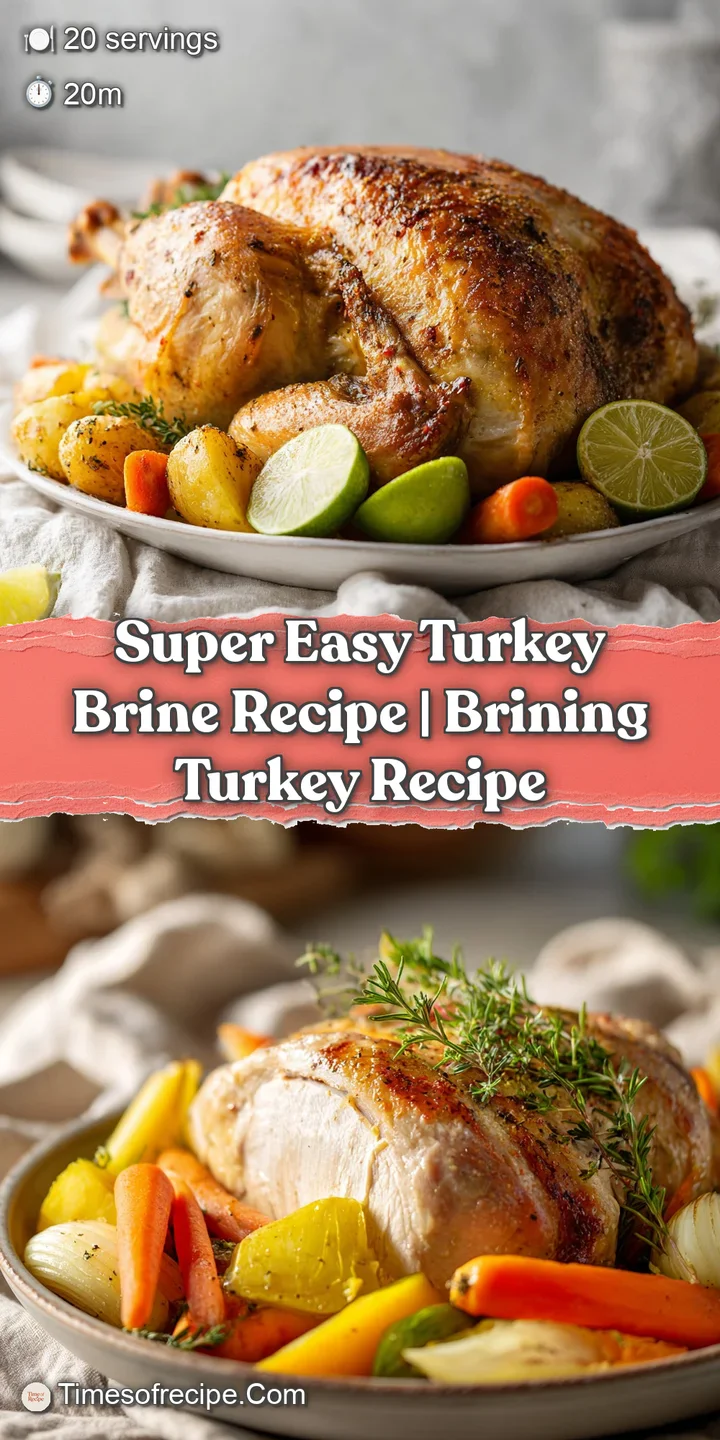
When the turkey comes out of the oven, it's going to be the most beautiful, mahogany colored centerpiece you’ve ever seen. To really lean into that rustic, hearty vibe, I like to garnish the serving platter with fresh sprigs of the same herbs used in the brine rosemary and thyme.
Adding a few charred orange halves to the platter not only looks stunning but allows guests to squeeze a bit of warm, caramelized citrus juice over their meat.
Don't forget the rest time! Because this "super easy turkey brine recipe" keeps the juices locked in so effectively, you need to let the bird rest for at least 30 to 45 minutes before carving.
If you cut into it too soon, all that hard earned moisture will end up on the cutting board instead of on the fork. Cover it loosely with foil and let the residual heat finish the job.
If you’re scaling this up for a massive 25 pound bird, you’ll need to double the ingredients and use a 5 gallon bucket. For a smaller turkey breast (around 4-6 lbs), you can halve the recipe and use a large zip top bag.
Just remember that for smaller cuts, the salt penetrates faster, so a 4 to 6 hour soak is usually plenty to get that "homemade turkey brine" flavor without overdoing it.
Chef's Tip: For the ultimate crispy skin, after you rinse and pat the turkey dry, let it sit uncovered in the fridge for at least 4 hours. This dehydrates the skin slightly, allowing it to "shatter" like glass once it hits the high heat of the oven.
The contrast between the salty skin and the succulent meat is what makes this the "best turkey brine recipe" in my rotation. It’s reliable, it’s bold, and it turns the most stressful part of a holiday meal into a guaranteed success.
Trust the process, watch your temperatures, and get ready for the best sandwich leftovers of your life.
CRITICAL Sodium Alert
5290 mg of sodium per serving (230% of daily value)
The American Heart Association recommends limiting sodium intake to 2,300mg per day, with an ideal limit of 1,500mg for most adults.
Personalized Tips to Dramatically Reduce Sodium
-
Eliminate Added Salt-99%
The recipe calls for an entire cup (273g) of Diamond Crystal Kosher Salt, which is the primary source of sodium. Completely remove this ingredient. The other flavorful ingredients will provide ample taste.
-
Boost Aromatics
While not a direct sodium reduction, increasing the amount of black peppercorns, bay leaves, orange slices, and garlic will enhance the overall flavor profile without adding any sodium.
-
Fresh Herbs for Flavor
The recipe already includes fresh rosemary and thyme, which are excellent low-sodium flavor enhancers. Consider adding more or experimenting with other fresh herbs like parsley or chives.
-
Citrus Zest and Juice-5%
Instead of relying on salt, use the zest and juice from the orange for a bright, acidic flavor that can make food taste more vibrant and less reliant on salt.
-
Apple Cider Vinegar Adjustment-1%
The apple cider vinegar adds a pleasant tang. Ensure you are using a pure apple cider vinegar without added sodium. This ingredient contributes minimal sodium, so focus on other areas.
Recipe FAQs
What is the simplest way to brine a turkey?
Submerge the turkey in a rapid chilled brine concentrate. After simmering your aromatics, add 3 quarts of ice and 2 quarts of cold water to drop the temperature instantly, allowing you to brine safely without waiting hours for the pot to cool.
What is the simple brine formula?
Use a ratio of 4 cups water, 1 cup Diamond Crystal Kosher Salt, and 0.5 cup light brown sugar. Simmer these with your aromatics for 3 5 minutes until dissolved, then temper the heat with ice and extra water before adding your turkey.
How long should I let my turkey sit in a brine?
Plan for at least 8 to 12 hours for most turkeys. Avoid brining for longer than 24 hours to prevent the texture of the meat from becoming overly soft or mushy.
What are common mistakes when brining?
Failing to ensure the brine is below 40°F before adding the turkey is a major food safety risk. Always use a kitchen thermometer to verify the temperature, as warm brine creates a breeding ground for bacteria.
Is it true I can use table salt instead of kosher salt for this brine?
No, this is a common misconception. Because table salt is denser, using the same volume will result in a turkey that is far too salty; always stick to the recommended Diamond Crystal Kosher Salt.
Can I prepare the brine ahead of time?
Yes, the concentrate can be made up to 3 days in advance. Store the simmered, strained base in your refrigerator and simply add the ice and cold water right before you are ready to submerge the bird.
How does this temperature crashing technique compare to other cooking methods?
It uses rapid cooling to ensure safety while keeping aromatics potent. If you enjoyed mastering this temperature control technique here, see how we apply similar thermal management to our quick butter chicken to keep the spices vibrant.
Super Easy Turkey Brine
Ingredients:
Instructions:
Nutrition Facts:
| Calories | 30 kcal |
|---|---|
| Protein | 0.3 g |
| Fat | 0.1 g |
| Carbs | 7.7 g |
| Fiber | 0.6 g |
| Sugar | 6.2 g |
| Sodium | 5290 mg |
