Sweet Dessert Wine: Velvety Honey Nectar
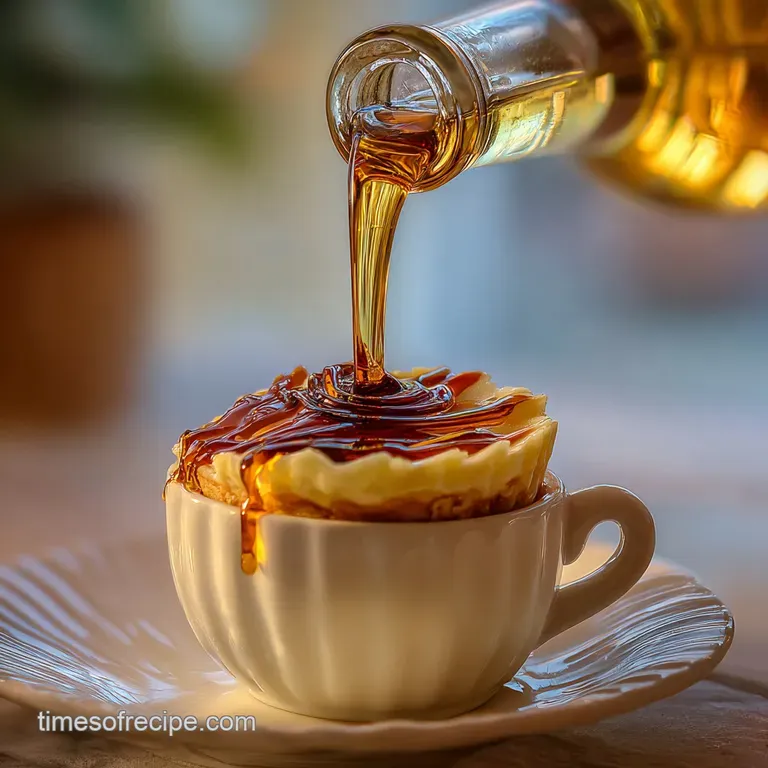
- Time: Active 5 minutes, Passive 15 minutes, Total 20 minutes
- Flavor/Texture Hook: Velvety, spiced honey sweetness with a glossy finish
- Perfect for: Holiday gifting, intimate dinner parties, or a cozy nightcap
- Handcrafting Your Signature Sweet Dessert Wine
- Why Reduction Creates Silky Texture
- The Alchemy of Flavor Components
- Essential Recipe Specifications
- Necessary Tools for Small Batches
- Steps to Simmer Your Wine
- Troubleshooting Flavor and Clarity Issues
- Vegan and Flavor Adjustments
- Storing Your Liquid Dessert Correctly
- Serving Ideas for Decadent Pairings
- Sweet Dessert Wine FAQs
- 📝 Recipe Card
Handcrafting Your Signature Sweet Dessert Wine
The kitchen currently smells like a dream. There is a heady, swirling aroma of star anise and toasted cinnamon dancing in the steam above my favorite copper pot. I remember the first time I tried to make a dessert wine reduction; I boiled it too hard and ended up with a sticky, burnt mess that looked more like balsamic glaze than a drinkable treat.
It was a disaster, but it taught me everything about the delicate balance of heat and sugar.
Now, I focus on the "low and slow" approach. This isn't just about heating up alcohol; it's about building layers of flavor. We start with a base of dry wine I usually grab a Malbec for dark, jammy notes and then we invite the honey and spices to the party.
The result is a vibrant, ruby colored liquid that feels expensive on the tongue. It has this incredible way of making a Tuesday night feel like a grand celebration.
Whether you are a fan of sweet dessert wine types that lean toward the fruity or you prefer something with a deep, spicy kick, this recipe is your new best friend. We aren't just following a list of steps; we are coaxing the soul out of the grapes and marrying it with the warmth of amber brandy.
It's simple, elegant, and honestly, a bit of kitchen magic that you can pull off in under twenty minutes.
Why Reduction Creates Silky Texture
Molecular Concentration: Evaporating water through gentle simmering increases the sugar to liquid ratio, which creates that luxurious, heavy body. This concentration is why the best sweet dessert wine often feels much thicker than a standard table wine.
Tannin Softening: The addition of clover honey acts as a chemical buffer, coating the harsh tannins in dry red wines and smoothing out the astringency.
Fortification Stability: Introducing brandy adds a higher alcohol content, which helps hold the volatile aromatic compounds from the spices in suspension longer.
| Thickness | Visual Cue | Mouthfeel | Best Use |
|---|---|---|---|
| Thin | Bubbles pop fast | Light, watery | Spritzers |
| Syrupy | Coats a spoon | Velvety, rich | Sipping neat |
| Heavy | Slow moving drips | Viscous, thick | Over ice cream |
The thickness of your wine determines how the flavors hit your palate. A thinner reduction highlights the acidity of the grapes, while a syrupy finish emphasizes the honey and spice notes. I personally aim for that "middle ground" where the wine leaves a beautiful "leg" on the side of the glass after a swirl.
The Alchemy of Flavor Components
| Ingredient | Science Role | Pro Secret |
|---|---|---|
| Dry Red Wine | Acidic Base | Use a Malbec for natural plum notes |
| Clover Honey | Viscosity Agent | Warm the honey first for easier mixing |
| Amber Brandy | Alcohol Anchor | Choose cognac for a smoother vanilla finish |
| Star Anise | Aromatic Depth | Toast the pods for 30 seconds before adding |
Finding the right balance between the acidity of the wine and the sweetness of the honey is key. If you use a Sauvignon Blanc for a sweet dessert white wine, you'll notice the honey highlights the citrus notes much more sharply than it does in a red.
I once tried using a very cheap "cooking wine" for this and let's just say, the salt content ruined the entire batch. Stick to something you would actually enjoy drinking on its own.
The honey choice matters more than you might think. While light agave nectar is a great vegan swap, the floral notes of clover honey provide a much more traditional "honeyed" finish. If you want to dive deeper into honey soaked treats, you should check out this Turkish Cuisine Desserts recipe for some serious inspiration on using syrups.
Essential Recipe Specifications
For this batch, we are using standard imperial measurements to ensure the ratios are perfect. This recipe yields 6 servings, which is just enough for a small gathering or a week of evening sips.
- 750ml dry red wine (Malbec or Merlot) or dry white wine (Sauvignon Blanc) Why this? Provides the structural acidity needed to balance high sugar levels.
- 100g clover honey or 80g light agave nectar Why this? Agave has a lower glycemic index and dissolves instantly.
- 60ml amber brandy, cognac, or apricot brandy Why this? Adds "legs" to the wine and deepens the flavor profile.
- 1 cinnamon stickWhy this? Whole spices prevent the wine from becoming cloudy.
- 2 whole star anise or 3 cracked cardamom pods Why this? Adds a subtle licorice note that cuts through the sweetness.
- 1 strip orange or lemon zestWhy this? Essential oils provide a bright, fragrant top note.
- 1 dried apricot, finely sliced (optional for white wine) Why this? Adds a chewy texture and concentrated stone fruit flavor.
Chef's Tip: Freeze your citrus zest for 5 minutes before adding it to the pot; this helps the cell walls burst more efficiently when they hit the warm wine, releasing more oils.
Necessary Tools for Small Batches
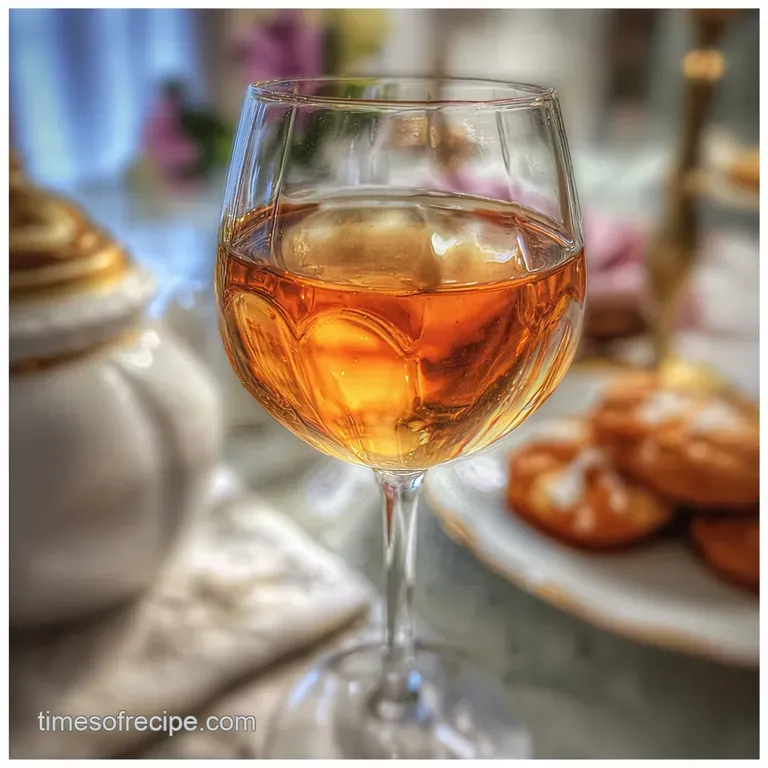
You don't need a professional cellar to make a great sweet dessert wine list entry at home. A heavy bottomed stainless steel saucepan is your best bet here because it distributes heat evenly, preventing the honey from scorching at the bottom.
Avoid using unlined copper or reactive aluminum, as they can give the wine a metallic tang that is impossible to hide.
A fine mesh sieve is also non negotiable. You want the final product to be crystal clear, not floating with bits of zest or spice dust. If you really want to go the extra mile, line your sieve with a piece of cheesecloth to catch every single stray particle.
Steps to Simmer Your Wine
- Pour the 750ml of wine into your saucepan over medium low heat. Note: Keep the temperature below a rolling boil to preserve the delicate fruit notes.
- Whisk in the 100g of clover honey until completely dissolved.
- Add the cinnamon stick, star anise, and citrus zest strip.
- Simmer the mixture for 15 minutes until the liquid reduces by about one quarter.
- Stir in the 60ml of brandy once the reduction is complete.
- Drop in the finely sliced dried apricot if you are using white wine.
- Remove from the heat and let the spices steep for another 5 minutes until the aroma is intense.
- Strain the mixture through a fine sieve into a clean glass bottle or carafe.
- Cool the wine to room temperature before sealing.
- Chill in the refrigerator for at least 2 hours to let the flavors marry.
While the wine is chilling, it’s the perfect time to think about what you’ll be eating with it. This sweet nectar is the ultimate partner for rich, chocolatey treats. For instance, it pairs beautifully with the dark cocoa notes in this 24 MustTry New recipe, where the acidity of the wine cuts right through the ganache.
Troubleshooting Flavor and Clarity Issues
My wine is cloudy
This usually happens if the wine was boiled too vigorously or if the spices were left in for too long. High heat can cause the proteins in the wine to clump together, creating a hazy appearance. It won't affect the taste much, but it loses that "jewel toned" look.
| Problem | Root Cause | Solution |
|---|---|---|
| Bitter Aftertaste | Over boiled zest | Remove zest after 10 mins. |
| Too Thin | Not enough reduction | Simmer 5 mins longer. |
| Grainy Texture | Undissolved honey | Whisk thoroughly over heat. |
If the wine feels too sweet, you can add a tiny squeeze of fresh lemon juice at the very end to brighten it up. Balancing a sweet dessert red wine is all about that tug of-war between sugar and acid.
Common Mistakes Checklist: ✓ Never leave the pot unattended; honey can boil over in seconds. ✓ Use whole spices only; ground spices will make the wine muddy. ✓ Ensure your storage bottle is sterilized to prevent fermentation.
✓ Don't skip the brandy; it acts as a necessary preservative for the batch. ✓ Taste as you go the sweetness level can vary depending on the wine's original dryness.
Vegan and Flavor Adjustments
If you are looking for sweet wines for beginners, you might want to adjust the sweetness levels. For a lighter, more refreshing version, use the Sauvignon Blanc base and swap the honey for agave nectar. This version is naturally vegan and has a much cleaner, more crisp finish that works well in the warmer months.
When scaling this recipe, keep in mind that spices don't scale linearly. If you double the wine to two bottles, only use 1.5 times the cinnamon and star anise. Too much spice can quickly become medicinal.
For the liquids, you can safely double the wine and honey, but keep the brandy at about 100ml rather than a full 120ml to keep the alcohol burn from overpowering the fruit.
| Method | Time | Texture | Best For |
|---|---|---|---|
| Stovetop | 20 mins | Syrupy | Immediate use |
| Slow Cooker | 2 hours | Deeply infused | Large parties |
| Cold Steep | 24 hours | Fresh/Bright | Summer sipping |
Storing Your Liquid Dessert Correctly
Once your easy sweet dessert wine is ready, it needs to be stored in the fridge. Because we have added brandy and honey, it has a much longer shelf life than a standard open bottle of wine. You can expect it to stay fresh and vibrant for up to 3 weeks in a sealed glass bottle.
Don't throw away the leftover boozy apricots or zest! You can finely chop the apricots and stir them into vanilla yogurt or oatmeal for a fancy breakfast. The cinnamon sticks can be rinsed and dried to use as a rustic garnish for future cocktails, ensuring zero waste in your kitchen.
Serving Ideas for Decadent Pairings
The best way to enjoy this is in small, 3 ounce pours. Serve it slightly chilled if it's a white based wine, or at a cool room temperature if it's a red. If you are hosting a party, this wine is a showstopper when served alongside a spread of New Year's treats.
It acts as a fantastic bridge between savory cheese boards and sugary cakes.
Speaking of cakes, this wine is a natural companion for festive bakes. You might find it pairs exceptionally well with the flavors found in this 12 New Years recipe, especially those that feature citrus or sparkling elements.
Debunking Dessert Wine Myths
One big myth is that "sweet wine is only for cheap grapes." Actually, the world’s most famous dessert wines, like Sauternes, use some of the highest quality grapes on the planet. Sugar doesn't hide bad wine; it amplifies everything, so using a decent bottle as your base is crucial.
Another misconception is that these wines must be served with dessert. In reality, a sweet dessert wine is often best served as the dessert, or paired with something incredibly salty like blue cheese or roasted nuts. The contrast is what creates that "wow" moment on your taste buds.
Whether you're making this for yourself or as a gift, remember that the "perfect" bottle is the one you enjoy. Don't be afraid to experiment with the spices maybe a little black pepper for heat or a vanilla bean for creaminess. That’s the beauty of being a home cook; you get to make the rules.
Let's crack on and get simmering!

Sweet Dessert Wine FAQs
What is a sweet dessert wine called?
It's often called a dessert wine, sweet wine, or fortified wine. These wines are typically sweeter than table wines and have higher alcohol content, making them a perfect after dinner drink. They can range from light and fruity to rich and syrupy.
What are the five types of sweet wine?
The five common types are late harvest, botrytized, ice wine, fortified, and sparkling sweet wines. Late harvest wines are made from grapes left on the vine longer, botrytized wines are made from grapes affected by noble rot, and ice wine is made from frozen grapes.
Is Moscato a sweet dessert wine?
Yes, Moscato is typically a sweet dessert wine. It's known for its light body, low alcohol, and pronounced fruity and floral aromas, often with a slight fizz. Its natural sweetness makes it a popular choice for those new to sweet wines.
What is an example of a dessert wine?
Port wine is a classic example of a sweet dessert wine. Hailing from Portugal, it's a fortified wine known for its rich, full bodied character and flavors of dark fruit, chocolate, and spice. If you enjoy deeply flavored wines, you might also like exploring Candied Ginger: The Best Homemade Chewy Sweet Fiery Recipe for its intense sweetness.
Can I make my own sweet dessert wine?
Yes, you can create a delicious sweet wine reduction at home. By gently simmering wine with honey, spices, and a touch of brandy, you can achieve a luscious, concentrated nectar that rivals store-bought versions. If you enjoyed mastering this technique, you can apply similar principles of flavor concentration to Iranian Dessert with Rosewater and Pistachios: Ready in 4 Hours 15 Mins.
What makes a dessert wine sweet?
Sweetness comes from residual sugar left after fermentation. Winemakers can control this by stopping fermentation early, using grapes with high natural sugar content, or adding sweeteners like honey or concentrated grape must. This residual sugar provides the characteristic sweet profile.
What food pairs well with sweet dessert wine?
Rich chocolate desserts, fruit tarts, and strong cheeses are excellent pairings. The sweetness of the wine can complement or contrast with the flavors of the food.
For instance, a syrupy dessert wine can stand up to the intensity of a dark chocolate cake, or offer a delightful counterpoint to a salty blue cheese.
Sweet Dessert Wine

Ingredients:
Instructions:
Nutrition Facts:
| Calories | 110 kcal |
|---|---|
| Protein | 0.1 g |
| Fat | 0 g |
| Carbs | 14.5 g |
| Fiber | 0 g |
| Sugar | 14.4 g |
| Sodium | 6 mg |
