Tender Beef Tips and Gravy Recipe
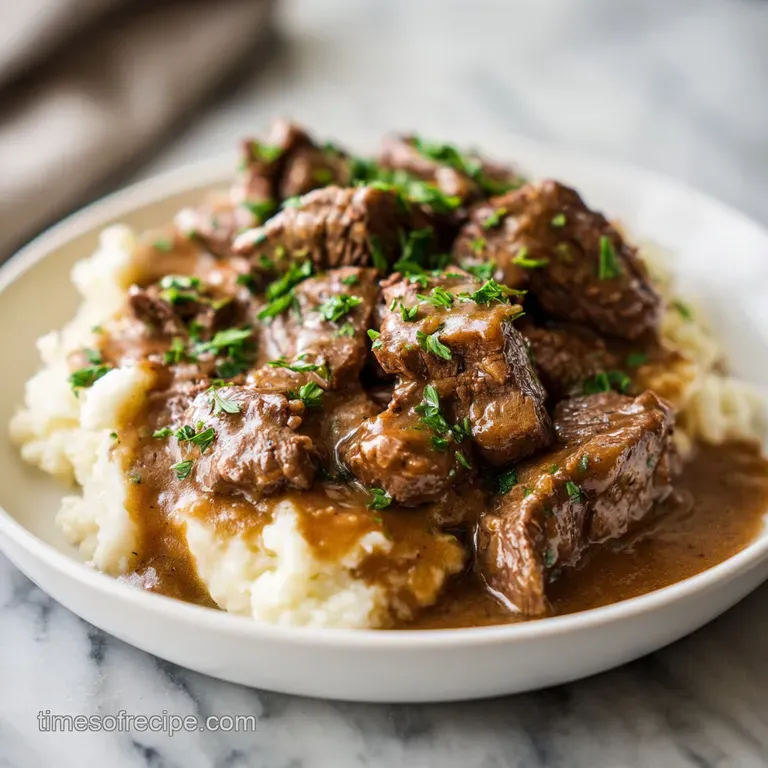
- Time: Active 20 minutes, Passive 2 hours, Total 2 hours 20 mins
- Flavor/Texture Hook: Silky, savory gravy with fall apart beef
- Perfect for: Sunday family dinner or cozy meal prep
- Hearty and Inviting Beef Tips and Gravy
- Science of Savory Flavor Layers
- Essential Recipe Specs and Timings
- Elements of the Savory Stew
- Vital Kitchen Tools for Success
- Creating the Perfect Beef Base
- Correcting Common Cooking Mistakes
- Unique Variations and Flavor Twists
- Storing and Using Every Drop
- Best Sides for Beef Tips
- Very High in Sodium
- Recipe FAQs
- 📝 Recipe Card
Hearty and Inviting Beef Tips and Gravy
There is a specific kind of magic that happens in a kitchen when beef hits a hot pan with a loud, rhythmic sizzle. I remember the first time I tried making this for my family on a rainy Tuesday. I was in a rush, threw everything in the pot, and ended up with something more like shoe leather than dinner.
I realized then that you can't hurry love, and you certainly can't hurry a chuck roast.
This recipe is about the aroma that crawls through the house, promising a meal that feels like a warm hug. It is the dish my kids ask for when they've had a long week at school, and the one I turn to when I need the house to smell like home.
We are talking about deep, dark flavors that come from patience and a few secret pantry staples that make the gravy taste like it came from a high end steakhouse.
What we are making here isn't just a meal; it is a lesson in building layers. We start with a hard sear to get that gorgeous crust, move to aromatics that soften into the background, and finish with a slow braise that does all the hard work for you.
You don't need fancy equipment, just a heavy pot and a little bit of time to let the science of the kitchen do its thing.
Science of Savory Flavor Layers
The Physics of Tenderizing Beef: Collagen in tough cuts like chuck roast only begins to transform into silky gelatin at sustained temperatures between 160°F (71°C) and 180°F (82°C).
This process requires moisture and time, which is why a two hour simmer is non negotiable for that melt in-the mouth texture.
- Maillard Reaction: Browning the beef cubes creates hundreds of different flavor compounds that don't exist in raw meat.
- Deglazing Dynamics: Adding liquid to the hot pan releases "fond" (the brown bits), which acts as a concentrated flavor base for the gravy.
- Enzymatic Synergy: The soy sauce and Worcestershire provide glutamates that amplify the natural "beefiness" through a process called synergistic umami.
- Starch Gelatinization: The cornstarch slurry creates a stable network that thickens the broth into a velvety sauce without the graininess of a poorly made roux.
| Method | Time | Texture | Best For |
|---|---|---|---|
| Stovetop | 2 hours | Ultra tender, reduced sauce | Maximum flavor control |
| Oven (300°F/150°C) | 2.5 hours | Evenly cooked, less stirring | Hands off weekend cooking |
| Slow Cooker | 8 hours | Shreddy, very soft meat | Busy workdays |
Essential Recipe Specs and Timings
Before we grab our aprons, let's look at the numbers that make this dish a success. Consistency is key when you're working with larger cuts of meat, and these benchmarks will keep you on the right track.
| Ingredient | Science Role | Pro Secret |
|---|---|---|
| Beef Chuck Roast | Connective tissue source | Pat it bone dry before searing for a better crust. |
| Cremini Mushrooms | Umami booster | Sauté until they "squeak" to remove all excess water. |
| Soy Sauce | Flavor enhancer | Adds depth and salt without making it taste like "soy." |
| Beef Bone Broth | Liquid foundation | Use bone broth over standard stock for higher gelatin content. |
Getting the timing right is the difference between a tough stew and a masterpiece. You want to aim for 2.5 lbs Beef Chuck Roast to ensure there is enough meat to gravy ratio for 6 people.
If you use a leaner cut like sirloin, you’ll need to reduce the cook time significantly, but honestly, the fat in the chuck roast is what makes the gravy so rich. Trust me, the marbling is your friend here.
Elements of the Savory Stew
To get that bold, satisfying flavor we’re after, you need the right players on the field. Don't skip the mushrooms even if you aren't a huge fan; they disappear into the sauce but provide a massive savory backbone.
- 2.5 lbs Beef Chuck Roast, trimmed and cut into 1.5 inch cubes Why this? The high fat and collagen content create the best texture.
- 2 tsp Kosher salt
- 1 tsp Freshly cracked black pepper
- 2 tbsp Neutral high smoke point oil Why this? Prevents the oil from burning during the over high heat sear.
- 2 tbsp Unsalted butter
- 1 large Yellow onion, finely diced
- 8 oz Cremini mushrooms, sliced Why this? Provides deeper earthy notes than white button mushrooms.
- 3 cloves Garlic, minced
- 3 cups Beef bone broth
- 2 tbsp Worcestershire sauce Why this? Adds essential acidity and fermented complexity.
- 1 tbsp Soy sauce
- 2 Dried bay leaves
- 1 tsp Dried thyme
- 3 tbsp Cornstarch
- 3 tbsp Cold water
If you find yourself missing an ingredient, don't panic. This dish is forgiving as long as you keep the moisture levels consistent. For another way to enjoy high-quality meat, you might want to look at a Beef Tenderloin Recipes Oven approach for those special occasions.
| Original Ingredient | Substitute | Why It Works |
|---|---|---|
| Beef bone broth | Beef bouillon + water | Provides a similar salty, beefy base for the sauce. |
| Cremini mushrooms | Portobello (chopped) | Same species, just larger; offers the same earthy depth. |
| Cornstarch | All purpose flour | Can thicken, but requires a longer cook to remove raw taste. |
Vital Kitchen Tools for Success
You don't need a pantry full of gadgets, but a few specific items will make your life much easier. A heavy bottomed pot, like a Dutch oven, is the MVP here because it holds heat beautifully and prevents the bottom of your gravy from scorching during the long simmer.
Chef's Tip: If you don't have a Dutch oven, use the heaviest stainless steel pot you own. Avoid thin aluminum pots, as they create "hot spots" that will burn your onions before they have a chance to caramelize.
You'll also want a good set of tongs for flipping the beef. Using a fork to turn the meat can pierce the surface and let juices escape too early. A simple whisk is also essential for getting that cornstarch slurry perfectly smooth. Nobody wants lumps in their velvety gravy.
Creating the Perfect Beef Base
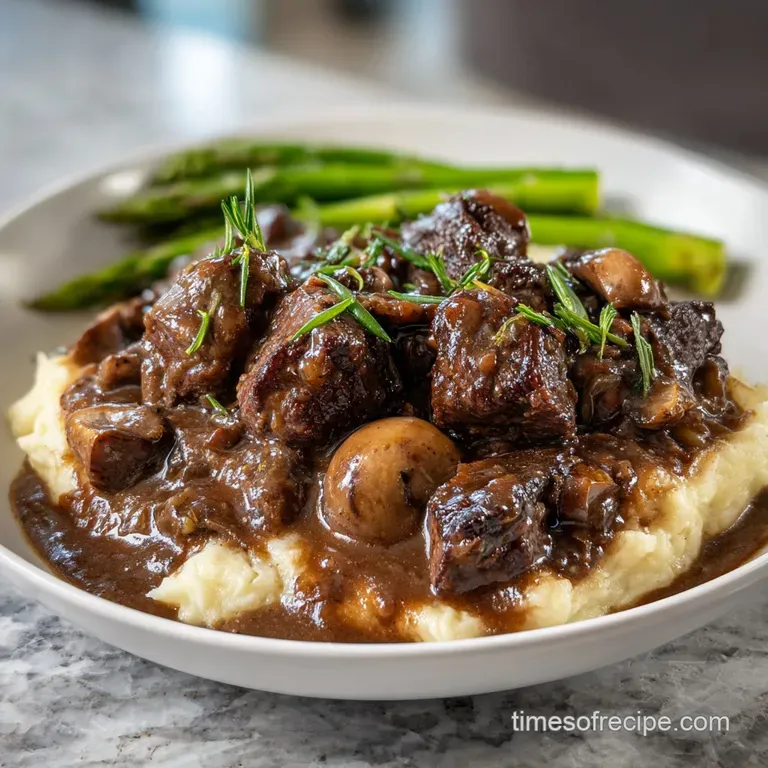
Right then, let's get into the actual cooking. Follow these steps closely, especially the part about browning the meat. If you crowd the pan, the meat will steam instead of sear, and you'll lose out on all that flavor.
Mastering the Initial Sear
Season your 2.5 lbs of cubed beef with the salt and pepper. Heat the oil in your pot over medium high heat until it shimmers. Brown the beef in three separate batches, giving each piece space to breathe. Cook 3-4 mins per side until deeply browned and crusty.
Remove the meat and set it aside on a plate.
Building the Aromatic Foundation
Lower the heat to medium and melt the butter in the same pot. Add the diced onion and sliced mushrooms. Sauté for 8 mins until the onions are translucent and mushrooms are golden. Stir in the minced garlic and dried thyme, cooking for just 1 min until the aroma hits you.
The Long Low Simmer
Pour in a splash of the 3 cups of beef bone broth to deglaze the pan, scraping up all those brown bits with a wooden spoon. Add the rest of the broth, Worcestershire sauce, soy sauce, and bay leaves. Return the beef and any accumulated juices to the pot.
Bring to a boil, then reduce heat to low and simmer, covered, for 1 hour 45 mins.
Achieving the Velvet Finish
Once the beef is fork tender, whisk the 3 tbsp cornstarch with 3 tbsp cold water in a small bowl. Stir this slurry into the bubbling pot. Simmer for 5 mins until the gravy is thick and glossy. Taste and add a pinch more salt if needed, then remove the bay leaves before serving.
Correcting Common Cooking Mistakes
Even the best of us run into trouble sometimes. The most common issue people have with a Beef Tips Recipe is the texture of the meat or the thickness of the sauce.
Fixing Tough Beef Cuttings
If your beef is still chewy after the timer goes off, it simply hasn't cooked long enough. Chuck roast varies in toughness. Keep simmering in 15 minute increments. The collagen needs that extra time to melt. Make sure your liquid hasn't evaporated too much; add a splash of water if the level looks low.
Thickening a Watery Gravy
A watery sauce usually means the cornstarch didn't have enough heat to "activate" or the ratio was off. Ensure the pot is at a gentle boil when you add the slurry. If it's still too thin after 5 minutes, mix another teaspoon of cornstarch with a teaspoon of water and try again.
| Problem | Root Cause | Solution |
|---|---|---|
| Meat is dry/stringy | Boiled too hard | Keep the heat at a very low simmer, never a rolling boil. |
| Gravy is lumpy | Slurry added too fast | Whisk the slurry into the liquid in a slow, steady stream. |
| Bitter aftertaste | Burned garlic | Add garlic only at the very end of the aromatic sauté. |
Common Mistakes Checklist
- ✓ Never crowd the pan during browning; steam is the enemy of a good sear.
- ✓ Use cold water for the slurry to prevent immediate clumping.
- ✓ Don't trim every bit of fat; that rendered fat is the soul of the gravy.
- ✓ Let the meat rest for 5 minutes after cooking to allow the fibers to relax.
Unique Variations and Flavor Twists
Once you've mastered the classic version, you can start playing with the profile. I've found that adding a splash of red wine specifically a dry Cabernet during the deglazing step adds a sophisticated acidity that cuts through the richness of the butter.
The Red Wine Twist
Replace 1/2 cup of the beef broth with a dry red wine. Add it right after the aromatics are finished and let it reduce by half before adding the rest of the broth. This creates a deeper, burgundy style sauce that feels very "French bistro."
The Creamy Variation
For a more "Stroganoff" feel, stir in 1/2 cup of full fat sour cream or heavy cream right at the very end, after you've turned off the heat. This makes the gravy pale and incredibly silky. It's brilliant over wide egg noodles.
Keto and Low Carb Options
If you are watching your carbs, skip the cornstarch. Instead, let the gravy reduce by one third with the lid off during the last 30 minutes of cooking. You can also whisk in 2 oz of softened cream cheese at the end to provide thickness and fat without the starch.
Storing and Using Every Drop
This is one of those rare dishes that actually tastes better the next day. The proteins in the meat continue to break down slightly, and the spices have more time to mingle with the fats in the gravy.
- Fridge: Store in an airtight container for up to 4 days. The gravy will turn into a jelly like consistency when cold; this is normal and a sign of good gelatin content!
- Freezer: This freezes beautifully for up to 3 months. Thaw in the fridge overnight before reheating.
- Zero Waste Tip: If you have leftover gravy but no meat, use it as a base for a poutine or pour it over a fried egg and toast the next morning for a "poor man's" steak and eggs. You can also freeze leftover onion skins and mushroom stems to make your own beef stock later.
To reheat, place the beef and gravy in a small saucepan over medium low heat. Add a tablespoon of water or broth to loosen the sauce. Stir gently until the beef is warmed through. Avoid the microwave if possible, as it can make the beef feel rubbery.
Best Sides for Beef Tips
Choosing what to put under your beef is just as important as the meat itself. You need something that can act as a sponge for that incredible gravy. The classic choice is a pile of buttery mashed potatoes, but I also love serving this over a bed of egg noodles or even some fluffy white rice.
If you're looking for something with a bit more of a kick, this dish actually pairs surprisingly well with the garlic notes in a Homemade Beef Chow recipe if you want to mix up your weekly menu. For a more traditional pairing, go with roasted root vegetables. The sweetness of roasted carrots or parsnips balances the salty, savory profile of the beef tips and gravy perfectly.
Finally,, don't forget a piece of crusty bread. You are going to want to swipe every last drop of that sauce off your plate. Honestly, if you aren't cleaning the plate with a roll, you're doing it wrong! Enjoy the process, take your time with the sear, and get ready for a house that smells absolutely incredible.

Very High in Sodium
1180 mg mg of sodium per serving (51% of daily value)
The American Heart Association recommends limiting sodium intake to no more than 2,300mg per day for most adults. Ideally, limiting to 1,500mg per day is even better for heart health.
Sodium Reduction Tips for Beef Stew
-
Low-Sodium Broth-30%
Substitute regular beef bone broth with low-sodium or no-salt added beef broth. This simple swap can drastically reduce the overall sodium content.
-
Reduce Added Salt-25%
Reduce the amount of added kosher salt by half, from 2 tsp to 1 tsp. Taste and adjust accordingly, keeping in mind you can always add more at the end, but can't remove it.
-
Low-Sodium Sauces-20%
Replace the regular Worcestershire sauce and soy sauce with low-sodium versions. This will maintain the flavor profile while significantly lowering the sodium.
-
Enhance Natural Flavors-10%
Instead of relying on salt, maximize the flavor of the stew by browning the beef and vegetables well. Caramelization will add depth and richness, reducing the need for added salt.
-
Herbs and Spices
Experiment with a variety of fresh and dried herbs and spices like rosemary, paprika, or garlic powder to enhance the flavor profile without adding sodium. Consider adding a pinch of red pepper flakes for a hint of heat.
Recipe FAQs
What is the best cut of meat for beef tips and gravy?
Chuck roast. This cut has the necessary connective tissue (collagen) that breaks down during a long, slow simmer, creating the gelatin needed for both tenderness and a rich gravy base.
What is the secret to tender beef tips?
Long, low, and slow simmering. The secret lies in maintaining a low simmer, ideally between 160°F and 180°F, for at least 90 minutes after searing to fully convert tough collagen into succulent gelatin.
What is the 3-2-1 rule for gravy?
No, there is no universal 3-2-1 rule for thickening gravy in this context. That rule typically relates to smoking ribs; for this recipe, we use a cornstarch slurry of 3 parts starch to 2 parts cold water, added slowly to boiling liquid.
How should beef tips be cooked?
Sear the cubes first until deeply browned, then simmer them covered in liquid for 1.5 to 2 hours. You must achieve a strong Maillard reaction on the surface before allowing the meat to braise until it is fork tender.
Can I skip browning the beef for a faster cook?
No, skipping the sear ruins the flavor base. Browning creates hundreds of new flavor compounds that form the foundation of a savory sauce; if you skip it, your gravy will taste flat and weak, unlike the deep profile achieved in our Korean Ground Beef recipe.
My gravy is thin after simmering; what step did I miss?
You likely didn't activate the starch correctly or needed more thickening agent. Ensure the liquid is simmering gently when you whisk in the cornstarch slurry, and cook for five full minutes to allow the starch granules to gelatinize fully.
Is it true you should only use beef stock and never broth?
No, that is an oversimplification; bone broth is superior but stock works fine. Bone broth is richer in gelatin due to the long simmering of bones, which naturally helps thicken the gravy; however, you can substitute stock and simply add a bit more cornstarch to compensate for the missing gelatin.
Tender Beef Tips And Gravy
Ingredients:
Instructions:
Nutrition Facts:
| Calories | 584 kcal |
|---|---|
| Protein | 48g |
| Fat | 38g |
| Carbs | 10g |
| Fiber | 1.2g |
| Sugar | 2.4g |
| Sodium | 1180mg |
