Au Jus: the Essential Roast Beef Dipping Sauce
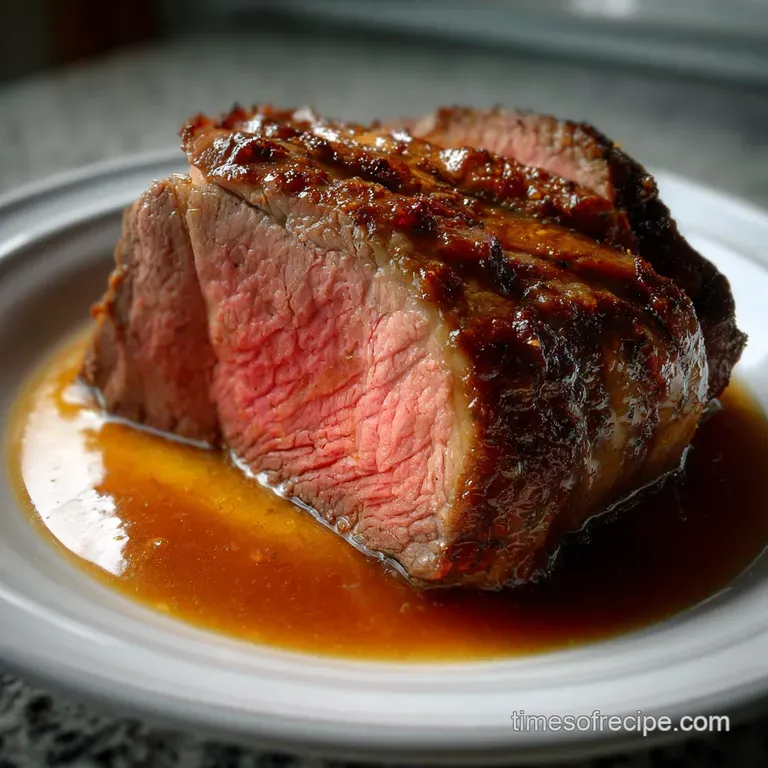
- The Definitive Roast Pan Jus: Mastering the Unthickened Essence
- Culinary Science: Why This Liquid Gold Technique Succeeds
- Essential Components for a World-Class Jus
- The Method: Crafting Intense Flavor in Four Core Stages
- Troubleshooting Your Au Jus: Expert Techniques and Pitfalls
- Preparing Ahead: Storage and Preservation Techniques
- The Ultimate Finish: Presentation and Pairings
- Recipe FAQs
- 📝 Recipe Card
The Definitive Roast Pan Jus: Mastering the Unthickened Essence
That deep, savory, impossible-to-replicate aroma signals that the roast is done, and the real fun is about to begin. We are talking about the glorious, unthickened essence known as Au Jus , and it’s truly the liquid gold of the dinner table.
Forget those pale, salty imposters that come in a box; the difference between a good roast and an absolutely unforgettable one is making real Au Jus right in your own kitchen.
It sounds intimidatingly French, but making this intense pan sauce is incredibly straightforward once you understand the basic science of reduction. This is a lifesaver recipe because it uses stuff you were going to throw away the precious pan drippings! And honestly, the best part?
It barely costs anything extra, yet it transforms everything from prime rib to a simple mashed potato side dish.
I used to rush the reduction, ending up with cloudy, aggressively salty brown water. Trust me, patience is required for the best results! Now I'm sharing the definitive method for creating an elegant, clear, and immensely flavorful Au Jus using every single scrap of goodness from your roasting pan.
Let's crack on.
Culinary Science: Why This Liquid Gold Technique Succeeds
The secret to a stunningly deep pan sauce isn't adding starch; it's maximizing flavor compounds and concentrating them. This method relies on maximizing the depth from the fond those caramelized, sticky bits left behind after roasting and then reducing high-quality stock slowly. It just works.
Defining "Au Jus": More Than Just Thin Gravy
This is where most cooks go wrong. Au Jus (French for "with juice") is fundamentally different from gravy because it is unthickened . It should be a clear, shimmering, intensely flavorful broth, not a muddy, flour laden sludge.
When you aim for true Au Jus , you are aiming for purity of flavor, which comes only from slow reduction and careful clarification.
Why Packet Mixes Fail: The Depth of Natural Reduction
Those tiny packets rely on sodium, yeast extracts, and coloring to fake depth, but they can never replicate the true complexity of natural reduction. Our process integrates the Maillard reaction flavor compounds created when the meat browns with quality stock, simmering the mixture until the volume is halved.
This results in an incredible concentration of flavor, making every drop of your homemade Au Jus count.
Elevating Any Roast: Where Flavor Meets Elegance
The sheer elegance of a clear, glistening liquid poured over a slice of rare roast beef is unmatched. Because this specific Au Jus recipe uses the actual drippings and juices from the cooking process, the flavor profile inherently matches the meat you are serving perfectly.
This connection creates a seamless, incredible flavor pairing every single time.
The Maillard Reaction and Flavor Foundation
The Maillard reaction is your best friend here, and it’s the non-negotiable foundation for phenomenal Au Jus . It’s the process that turns simple sugars and amino acids into hundreds of complex, savory flavor compounds when exposed to high heat.
When you gently sauté your aromatics and scrape up the fond, you’re activating these flavors.
Unlocking the Pan Drippings: The Art of Deglazing
Deglazing is the critical moment where we liberate all that rich, caramelized goodness. Pouring in the wine (or liquid equivalent) while the pan is still hot immediately loosens the fond.
You must scrape the bottom of the pan vigorously until every single particle is dissolved; these dark, sticky bits are the essence of your rich Au Jus With Drippings .
Concentrating Umami: The Role of Controlled Reduction
Once the stock is added, we move to concentration. The mixture must maintain a very gentle simmer just a lazy bubble here and there. Reducing the liquid volume by 40% to 50% concentrates the naturally savory (umami) compounds.
This slow process is how you achieve that unctuous, lip-smacking texture without adding any thickeners.
Essential Components for a World Class Jus
Remember, your final Au Jus will only be as good as the stock you start with. Don’t skimp on quality here!
Selecting the Ultimate Stock Base
I recommend using the absolute best low-sodium beef stock or veal stock you can find. Since we are reducing this liquid significantly, any off-flavors or excessive salt will be magnified tenfold.
If you can’t find quality store-bought stock, making a quick batch from roasted bones (if available) is worth the extra time investment.
Aromatics Checklist: Building the Flavor Profile
The traditional French mirepoix (carrot, celery, onion we use shallots for a slightly sweeter, milder flavor) is essential. These aromatics soften and lend a subtle sweetness that balances the richness of the meat drippings.
| Ingredient | Role | Substitution Tip |
|---|---|---|
| Shallots/Onion | Sweet foundation | Use brown onions (slightly stronger flavor) |
| Carrot/Celery | Earthiness | Use frozen mirepoix mix in a pinch |
| Red Wine | Acidity & Depth | Balsamic vinegar + water/stock |
Quality Check: Avoiding Salt Overload in the Pan
Since the salt content will double or even triple during the reduction, do not salt anything until the final taste test. Many cooks ruin their homemade Au Jus by seasoning the aromatics early. Resist the urge!
The salt present in the stock and the residual drippings is usually enough until the very end.
Notes on Optional Brighteners (A Touch of Acid)
A little bit of acid, like red wine or Worcestershire sauce, helps cut through the fattiness and brightens the overall flavor profile. If you skip the wine, a splash of apple cider vinegar or lemon juice right at the end (after reduction) can provide that necessary lift to your final Au Jus .
The Method: Crafting Intense Flavor in Four Core Stages
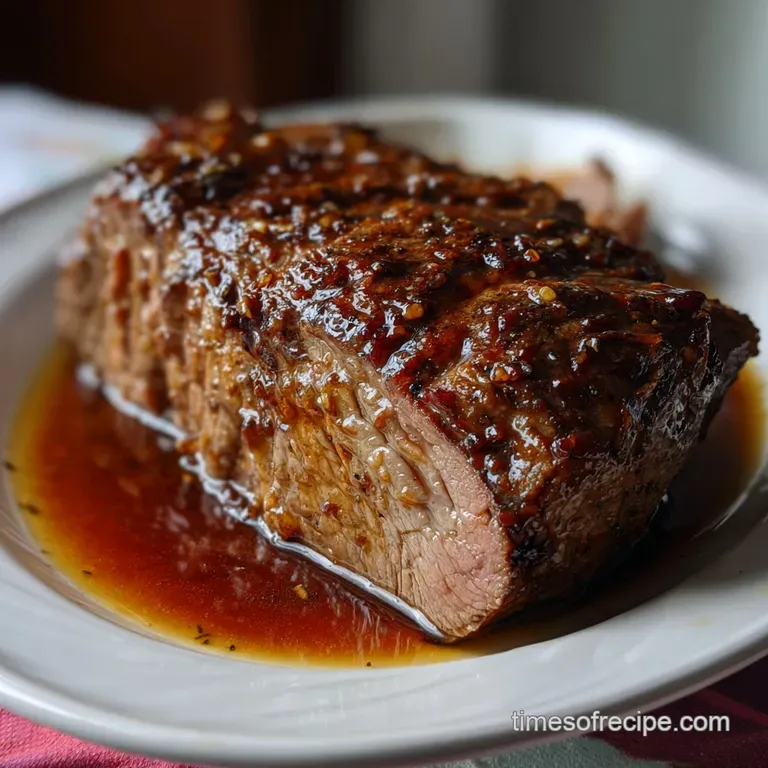
This is the real work the low and slow process that results in that perfect clear finish.
Initial Preparation: Gathering the Pan Drippings
After you take your roast out of the oven, transfer it to a cutting board to rest, leaving the roasting pan and all its glory behind. Spoon off and reserve any major pools of excess clear fat, but leave the sticky fond and a couple tablespoons of rendered fat in the pan.
If the pan isn't stovetop safe, scrape everything into a heavy bottomed saucepan.
Sautéing the Mirepoix for Depth
Heat the saucepan over medium heat, adjusting the fat volume if needed. Add the diced shallots, carrots, and celery. Sauté them gently for about 10 minutes, stirring often, until they are soft and your kitchen smells deliciously sweet and savory.
This soft cooking ensures they release their flavor without burning. Add the smashed garlic right near the end.
The Crucial Deglaze and Simmer Stage
Increase the heat to medium high and pour in the red wine, making sure to scrape the bottom vigorously. Listen for the sizzle and watch as all those caramelized bits instantly lift away. Once the wine has reduced and thickened slightly, add the stock, water, herbs, and Worcestershire.
Bring the liquid to a slow, gentle simmer. Turn the heat down immediately so it’s barely bubbling and let the mixture reduce by half this will take 90 minutes to two hours.
This slow, steady cook creates the best texture for your Prime Rib Au Jus Recipe With Drippings .
Strain, Reduce, and Final Seasoning Assessment
Once reduced, carefully pour the liquid through a fine mesh sieve into a clean bowl, discarding all the solids. This straining is non-negotiable for a clear sauce. Now, you need to skim the fat (see below for tips). Once de-fatted, return the liquid to a clean pan. Taste it. Does it need a little punch?
Now is the time to add salt and pepper until the flavor sings.
Chef's Note: If your finished Au Jus seems too thin, you can continue simmering it for another 10– 15 minutes. Just remember, the more it reduces, the saltier it gets, so adjust accordingly.
Troubleshooting Your Au Jus: Expert Techniques and Pitfalls
Every home cook hits a snag, and usually, it's one of these issues. I definitely had a moment where I over salted an entire batch of beautiful Au Jus Sauce and nearly cried. Learn from my mistakes!
Achieving Perfect Clarity: Skimming the Fat
If you skip skimming, your Au Jus will look cloudy and taste oily. For a truly perfect result, skim the fat after straining. The easiest way is to use a fat separator.
If you don't have one, place the jus in the fridge for 20 minutes; the fat will solidify on top, making it easy to scrape off with a spoon. This step is what separates good Au Jus from magnificent Au Jus .
Rectifying Over Salting (The Reduction Trap)
If you taste your deeply reduced Au Jus and your eyes water from the salt, don't panic! You have two simple fixes. The best option is to add small amounts of unseasoned, unsalted stock or water until the salinity balances out.
The second trick is simmering a few thick slices of raw potato in the liquid for 15 minutes; the starch absorbs some of the excess salt, though it may slightly compromise the clarity.
Maximizing Depth When Drippings Are Scarce
Sometimes your roast doesn't leave much fond behind, or perhaps you didn't cook the roast in the first place (maybe you just bought pre-cooked roast beef for French Dips!). If drippings are scarce, you must roast beef bones or knuckle trimmings until they are deep mahogany brown before starting this Easy Au Jus Recipe .
Use the roasted bones and vegetables to make a highly concentrated stock first, then proceed with the recipe steps.
The Importance of a Fine Mesh Strainer
A colander or standard strainer simply won't cut it. You need a fine mesh sieve (a chinois, if you want to be fancy) to ensure all the tiny bits of herb, sediment, and vegetable are removed. This ensures your final Au Jus is flawlessly clear and silken.
Preparing Ahead: Storage and Preservation Techniques
One of the beautiful things about homemade sauces like this is that they freeze like a dream. You can absolutely make a massive batch of Au Jus ahead of time.
Refrigeration Guidelines for Fresh Jus
Store the cooled, finished Au Jus in an airtight container in the refrigerator. Because of its high concentration and low water content (post reduction), it will keep safely for 5 7 days.
It may gel slightly when chilled due to the natural collagen extracted from the bones/drippings; this is a good sign! It will turn liquid again when reheated.
Best Practices for Freezing Large Batches
When freezing, I recommend pouring the cooled Au Jus into ice cube trays for individual servings. Once frozen solid, transfer the cubes into a heavy duty freezer bag. Frozen Au Jus will maintain peak quality for up to 6 months.
To reheat, just pop the frozen cubes directly into a saucepan over low heat until melted and simmering gently.
The Ultimate Finish: Presentation and Pairings
This rich Au Jus is spectacular, and it deserves to be shown off. Use small gravy boats or individual dipping bowls for presentation. It should always be served hot, steaming gently, so it immediately melts into the mashed potatoes or absorbs into the crusty French bread.
This classic Au Jus For Prime Rib Recipe is a true game changer. Once you master the technique of deglazing and slow reduction, you’ll never look at a packet mix again. Enjoy your liquid gold!
Recipe FAQs
What is the fundamental difference between Au Jus and Gravy?
Au Jus is fundamentally an unthickened, highly reduced broth made directly from meat drippings and quality stock, resulting in a thin, clear liquid essence. Gravy, conversely, is thickened using a starch (like flour or cornstarch) resulting in a significantly heavier, opaque sauce designed to coat food.
How do I fix Au Jus that has become too salty or overly concentrated?
If your jus tastes overly salty, the simplest fix is to dilute it with small additions of unsalted beef stock or plain water until the flavor balances. Alternatively, you can add a raw peeled potato to the simmering liquid for 15 20 minutes; the starch absorbs some excess salinity, but ensure you remove it before serving.
My Au Jus is cloudy instead of the clear, rich liquid I expected. What went wrong?
Cloudiness usually results from stirring too vigorously while the mixture is reducing, which can emulsify residual fat and stock particles. To clarify it, chill the jus completely until the fat solidifies, skim the fat layer off, and then reheat gently before straining it through a coffee filter or fine mesh sieve lined with cheesecloth.
Should I skim all the fat off the drippings before serving the Au Jus?
Yes, you must skim the bulk of the rendered fat to prevent the final product from tasting greasy and cloudy. While minimal fat is desirable to carry flavor and provide a sheen, excess fat should be removed, usually accomplished most easily by refrigerating the jus until the fat separates and solidifies on top.
How long can I store Au Jus, and does it freeze well?
Fresh Au Jus can be safely stored in an airtight container in the refrigerator for 3 to 4 days after cooling it rapidly. It freezes exceptionally well; ladle it into ice cube trays or small freezer safe containers, and it will maintain its quality for up to six months, perfect for quick future additions.
Can I use drippings from meats other than beef, like chicken or lamb, to make Au Jus?
Absolutely, the core technique remains the same, but the resulting jus will naturally match the meat used Lamb Jus is essential with lamb, and Chicken Jus with poultry. Just ensure the foundation stock (chicken stock, lamb stock) matches the drippings used for maximum flavor depth and cohesion.
How can I enhance the deep, umami flavor without adding more salt or thickening agents?
Incorporate quality savory agents like sautéed mushrooms, caramelized onions, or a splash of dry sherry or red wine during the deglazing and reduction phases. A few drops of quality Worcestershire sauce or a single dried porcini mushroom added to the stock can significantly boost the savory profile without altering the texture.
The Definitive Roast Beef Au Jus
Ingredients:
Instructions:
Nutrition Facts:
| Calories | 27 kcal |
|---|---|
| Protein | 1.4 g |
| Fat | 2.0 g |
| Carbs | 0.9 g |
