Turkish Cuisine Desserts: the Classic Şekerpare (Sweet Semolina Dream)
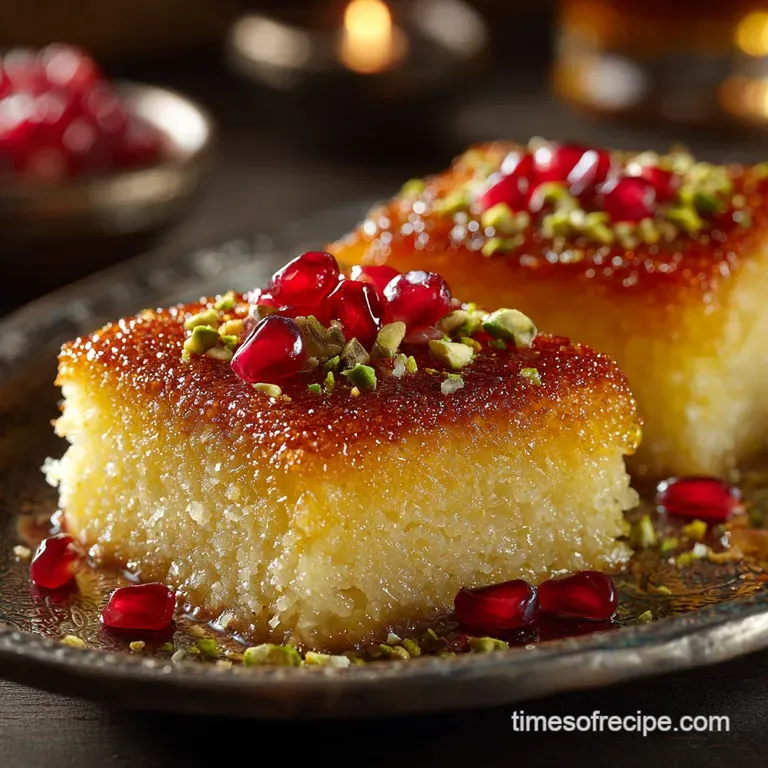
- Sweet Semolina Dream: Unveiling Classic Şekerpare, A Staple of Turkish Cuisine Desserts
- The Science of Syrup: Achieving Perfect Moisture and Crumb
- Essential Ingredients for Authentic Turkish Şekerpare
- Mastering the Method: Step-by-Step Guide to Turkish Cuisine Desserts (Şekerpare)
- Troubleshooting Şekerpare: Achieving Golden Perfection
- Storing Your Sweet Semolina: Keeping Şekerpare Fresh
- Beyond Şekerpare: Pairing Your Treat with Other Turkish Cuisine Desserts
- Recipe FAQs
- 📝 Recipe Card
Sweet Semolina Dream: Unveiling Classic Şekerpare, A Staple of Turkish Cuisine Desserts
You know that incredible, sweet, buttery aroma that practically pulls you into a Turkish pastry shop? That's Şekerpare. This tender, syrup drenched semolina cookie is the definition of comfort and hospitality, offering that sticky sweet bite you crave.
It’s one of the most beloved famous turkish desserts for a very good reason.
Forget complicated yeast rising times or fussy, layered pastry. This recipe uses simple pantry staples like flour, semolina, and sugar, making it incredibly budget friendly and fast once you get the technique down. It’s my absolute go-to when I realize I forgot dessert but guests are arriving in an hour.
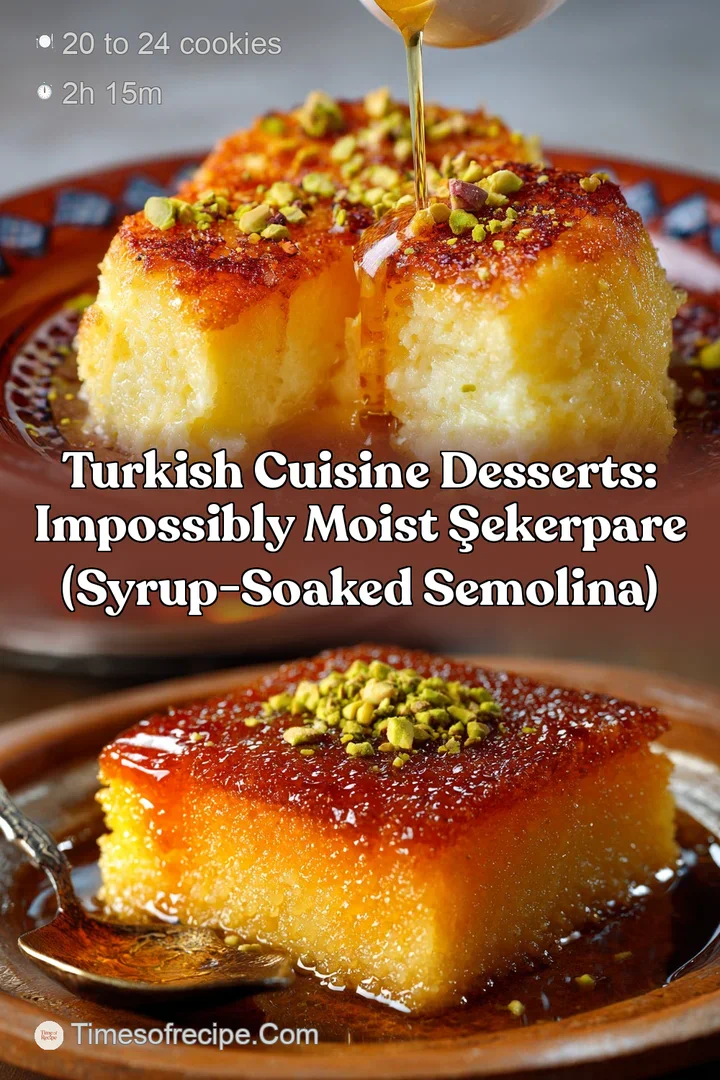
We’re diving deep into Şekerpare, which literally means "a piece of sweetness," and trust me, we're making sure every single piece is soaked to absolute perfection. If you want a genuinely authentic taste of Turkish Cuisine Desserts , this recipe is the place to start.
The Science of Syrup: Achieving Perfect Moisture and Crumb
The Ottoman History Behind the "Piece of Sweetness"
Şekerpare has been a fixture of Ottoman cooking for centuries, often served in palace kitchens due to its simple yet satisfying nature. Unlike some overly rich desserts, this sweet treat symbolized elegant generosity without requiring incredibly rare ingredients.
It truly holds its place as one of the most popular turkish desserts across the country.
Şekerpare vs. Baklava: Understanding the Texture Difference
People often ask how Şekerpare compares to Baklava, but they are totally different beasts. Baklava relies on hundreds of crisp, flaky layers of phyllo, focusing on crunch and butter.
Şekerpare is all about the crumb the semolina creates a deeply satisfying, almost cake like tenderness that soaks up the syrup like a sponge.
Why Şekerpare is the Ultimate Guest Dessert
This dessert is perfect because it needs to be made ahead of time, which is a lifesaver for hosts. Once it’s soaked overnight, the flavour intensifies, and the texture reaches peak tenderness. Serving something deeply satisfying and traditional always makes your table look amazing.
The Role of Semolina in Achieving Tender Crumb
Semolina, which is coarsely ground durum wheat, is the secret weapon here. It absorbs liquid much better than standard flour, giving the dough that unique, slightly sandy, yet supremely tender internal texture once soaked.
Without semolina, you just have a standard sugar cookie, and that’s not what we’re aiming for.
The Cold Syrup/Hot Cookie Rule Explained
This rule is non-negotiable, and it’s where most people mess up. You need a massive temperature differential for optimal absorption. Pouring cold syrup over piping hot cookies creates steam inside the cookie, pulling the liquid deep into the crumb without turning the outside mushy.
If both are warm, you get soup.
Flavor Deep Dive: Balancing Citrus and Vanilla Notes
The best Şekerpare should taste sweet, but never cloying. We achieve this critical balance by loading the syrup with lemon zest and juice. This bright citrus note cuts right through the richness of the butter and sugar, making the final treat taste incredibly fresh.
Essential Ingredients for Authentic Turkish Şekerpare
Detailed Breakdown of Dough Components (Butter, Egg, Flour, Semolina)
You absolutely must use softened butter because it creams beautifully with the egg, leading to a lighter, airier dough base. The combination of all-purpose flour and semolina gives structure while ensuring that essential crumbly tenderness.
Adding that extra egg yolk makes the final cookie richer and helps achieve a deeper golden colour.
Choosing the Right Lemons for Syrup Zest
Always use fresh lemons, preferably organic, because you are using the peel directly in the syrup. Waxed lemons can taint the flavour. The zest contains all the bright oils that infuse the şerbet (syrup), giving this typical turkish desserts recipe its signature brightness.
Ingredient Swaps for Dietary Needs
I’m a big fan of making recipes work for everyone, so here are a few simple tweaks. These substitutions might slightly change the final texture, but they get you very close to the original!
| Ingredient | Why it's Important | Viable Substitute |
|---|---|---|
| Semolina | Crucial for texture/absorption. | Fine cornmeal or very coarse polenta (use slightly less). |
| Butter | Provides richness and tenderness. | high-quality vegetable margarine or shortening. |
| Yoghurt | Adds moisture and tenderness/acidity. | Sour cream or buttermilk. |
| Egg | Binder and richness. | Use 1/4 cup applesauce plus 1/2 tsp baking powder for binding in the dough. |
Understanding the Impact of Baking Powder on Dough Structure
We aren’t looking for a huge, puffy cookie, but we do need some lift. The baking powder creates just enough gas to keep the dough light, preventing it from becoming a dense brick when saturated with syrup. Use exactly 1 teaspoon; too much makes the cookies taste metallic.
Mastering the Method: step-by-step Guide to Turkish Cuisine Desserts (Şekerpare)
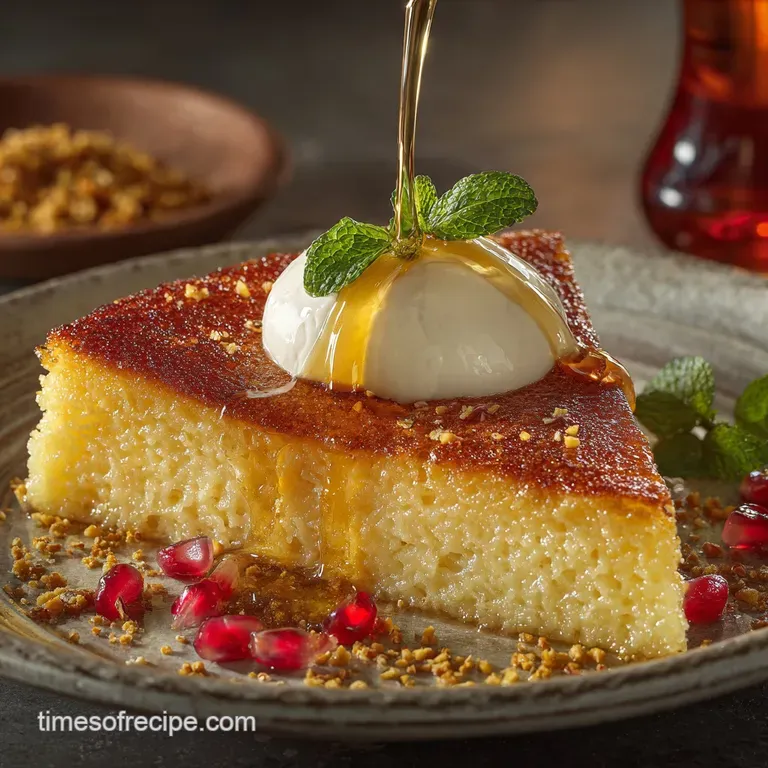
Phase 1: Preparing and Chilling the Simple Syrup
This step must be done first! Combine the sugar, water, and lemon strip in a heavy saucepan and stir only until the sugar dissolves. Once it hits a rolling boil, reduce the heat immediately and let it simmer for precisely 10 minutes don't boil it down too much, or the syrup will crystallize later.
Remove it from the heat, stir in the fresh lemon juice, and cool it quickly. I use an ice bath for rapid chilling ; pour it into a metal bowl and sit that bowl in another filled with ice water. This ensures the syrup is absolutely bone cold when you need it.
Phase 2: Mixing, Shaping, and Baking the Semolina Dough
In your mixer, cream the softened butter, egg, and extra yolk until they are pale and fluffy (about 4 minutes). Mix in the yogurt just until combined. In a separate bowl, whisk your semolina, flour, baking powder, and salt together.
Gradually add the dry mixture to the wet mixture, mixing only until a soft, uniform dough forms; this prevents toughness. MISTAKE I ONCE MADE: I overworked the dough until it was smooth like bread, and the resulting cookies were hard and spongy instead of tender.
Rest the dough for 10 minutes so the semolina hydrates a bit before shaping.
Shape the dough into small, uniform ovals or balls and arrange them closely in your prepared 9x13 pan. Brush them lightly with the reserved egg white for a beautiful sheen, and press a blanched almond or pistachio into the center of each one.
Bake at 350°F (175°C) until they are a deep, beautiful golden brown, usually 25 to 30 minutes.
Phase 3: The Critical Drenching Process and Resting Time
This is the money shot! As soon as those cookies come out of the oven, they must be piping hot. Grab your bone cold şerbet from the fridge and pour it evenly over the entire baking dish. You should hear a satisfying sizzle as the temperatures clash.
Chef's Note: If you don't hear a strong sizzle, your syrup wasn't cold enough, or your cookies weren't hot enough. Don't panic, but note that absorption might take longer and the cookies might be slightly less tender.
Cover the dish loosely and let them sit at room temperature for a minimum of one hour. Ideally, leave them for 2 to 4 hours, or even overnight, so they become gloriously saturated and the semolina is completely tenderized.
Serve these gorgeous turkish cuisine sweets at room temperature.
Troubleshooting Şekerpare: Achieving Golden Perfection
Preventing Over Soaking (Soggy Cookies)
If you follow the hot cookie/cold syrup rule, you’re already halfway there, but soggy cookies often result from two things: not letting the dough rest (unhydrated semolina) or using too much fat. Ensure your dough feels slightly sticky, not greasy, and never add extra liquid to the dough.
Using the exact amount of syrup listed ensures perfect saturation without excess.
How to Fix Cracking or Dry Dough
Dough that cracks easily while shaping is too dry. This usually happens if you over measured your flour or didn't use enough yogurt. To fix dry dough, mix in a tiny splash of milk or another teaspoon of yogurt, kneading minimally until the dough smooths out and is pliable again.
Storing Your Sweet Semolina: Keeping Şekerpare Fresh
Garnish Secrets: Almonds, Pistachios, and Coconut Flakes
While a blanched almond is traditional, shelled pistachios (the brighter green the better!) look incredible and add a lovely crunch. For an extra touch when serving, sprinkle a few pinches of finely shredded coconut flakes over the soaked cookies right before you plate them.
Short Term Storage (Room Temperature vs. Refrigerated)
Because these are fully soaked in sugar syrup, they store beautifully at room temperature for 3 4 days in an airtight container. If your kitchen is very warm, move them to the fridge, where they will keep for up to a week. Just note that chilled cookies can sometimes feel slightly tougher.
Can You Freeze Şekerpare? (Syrup vs. Cookie Dough)
You bet! You should freeze the unbaked dough or the fully baked, unsyruped cookies. Shape the cookies, place them on a tray, freeze solid, then transfer to a freezer bag for up to three months.
When you’re ready to bake, pop the frozen cookies straight into the oven, then pour the fresh cold syrup over the hot ones as usual.
Rejuvenating Leftovers (The Re-Syrup Method)
If your stored Şekerpare starts to dry out after several days, you can give it a little boost. Make a small batch of very thin, warm simple syrup (1/2 cup water, 1/4 cup sugar, simmered for 5 minutes).
Place the older cookies in a new pan and drizzle the warm, thin syrup over them. Let them rest for 30 minutes to revive the moisture.
Beyond Şekerpare: Pairing Your Treat with Other Turkish Cuisine Desserts
While Şekerpare is satisfying on its own, it’s often served as part of a sweet platter. Try serving it alongside something dairy based and light, like Turkish muhallebi (a simple milk pudding) to contrast the syrup soaked sweetness.
The rich, tender texture of Şekerpare also balances wonderfully against a bitter, strong Turkish Coffee , making it the ultimate afternoon treat.
Recipe FAQs
Why did my Şekerpare turn out tough or dry after soaking in the syrup?
This is usually caused by overbaking the cookies or kneading the dough too much, which develops the gluten. Ensure you gently mix the dough only until combined, and verify that the syrup is completely cold while the cookies are still piping hot when you combine them for optimal absorption.
My syrup (şerbet) crystallized and became grainy. What went wrong?
Crystallization occurs when undissolved sugar granules cling to the sides of the pot and fall back into the syrup. To prevent this, avoid stirring the syrup once it begins to boil, and make sure to include the lemon juice or slice as the acid acts as an anti crystallization agent.
Can I make this Şekerpare recipe suitable for vegans or those with dairy restrictions?
Yes, the syrup is already vegan. In the dough, substitute the butter with a high-quality, solid vegan margarine or coconut oil, and replace the egg with a quarter cup of unsweetened applesauce or a flax egg (1 tbsp flaxmeal + 3 tbsp water).
How long can I store leftover Şekerpare, and should I refrigerate it?
Şekerpare can be stored in an airtight container at cool room temperature for up to 3 days, or refrigerated for up to 5 days. While refrigeration extends its life, let it warm slightly before serving for the best texture, or enjoy it cold as a refreshing summer treat.
Is it possible to substitute standard white flour for the semolina (irmik) in the recipe?
Semolina is essential for Şekerpare as it gives the cookies their unique sandy, tender, and porous texture necessary for absorbing the syrup. While you can use a 50/50 mix of flour and semolina in a pinch, substituting semolina entirely will result in a much denser, less authentic dessert.
How do I know the cookies are perfectly baked before I pour the syrup over them?
The cookies are ready when they have achieved a uniform, deep golden brown color, typically around 25-30 minutes, depending on your oven. They should feel firm and slightly resistant to touch; if they are underbaked, they will break apart when the hot syrup is introduced.
Can I freeze Şekerpare for future use?
Freezing after the syrup has been added is not recommended as the texture will become mushy upon thawing. However, you can freeze the unbaked cookie dough or the fully baked cookies before they are soaked in the syrup, then thaw and soak as directed when you are ready to serve.
Turkish Sekerpare Dessert Recipe
Ingredients:
Instructions:
Nutrition Facts:
| Calories | 1248 kcal |
|---|---|
| Protein | 15.8 g |
| Fat | 53.2 g |
| Carbs | 182.2 g |
