Peanut Butter Cookies: the Ultimate Chewy Criss-Cross
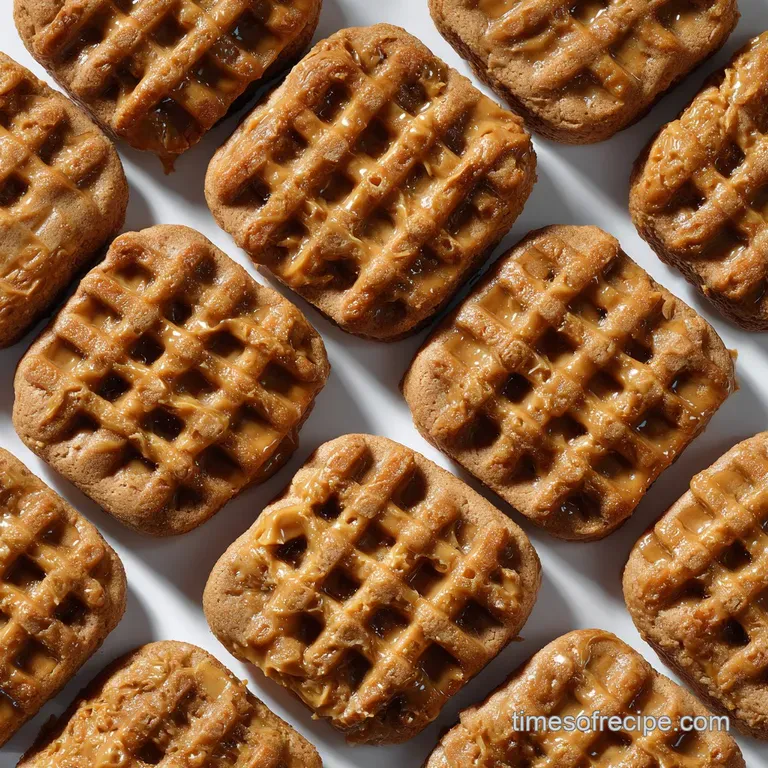
- Capturing the Essential Nostalgia: Why We Love These Chewy Treats
- The Science Behind the Ultimate Chewy Peanut Butter Cookie Texture
- Essential Supplies: What You Need for Perfect Peanut Butter Cookies
- Ingredient Swaps for Perfect Peanut Butter Cookies
- The Step-by-Step Method for Baking Classic Criss-Cross Cookies
- Expert Tips and Troubleshooting Common Peanut Butter Cookie Mistakes
- How to Store and Freeze Peanut Butter Cookie Dough and Baked Treats
- Delicious Pairings and Serving Suggestions
- Recipe FAQs
- 📝 Recipe Card
Capturing the Essential Nostalgia: Why We Love These Chewy Treats
That unmistakable aroma of toasted nuts, molasses, and brown sugar wafting from the oven is pure, unadulterated comfort. This specific recipe for Peanut Butter Cookies delivers on every single promise of classic American nostalgia.
They are wonderfully soft in the centre, boast that perfect buttery chew, and have just the right amount of delightful crumbliness on the edges.
Honestly, if you need a quick win that uses ingredients you always have stocked, this is your lifesaver recipe. We’re talking basic pantry staples, minimal fuss, and absolutely zero expensive ingredients.
These easy Peanut Butter Cookies are the cheapest, fastest therapy session you can buy, seriously.
I’ve made and struggled with my fair share of flat, dry versions over the years, trust me. But I finally cracked the code to ensure that satisfying thickness and rich flavor profile every time.
Ready to ditch those disappointing batches and bake the absolute best classic Peanut Butter Cookies ? Let's dive in.
The Science Behind the Ultimate Chewy Peanut Butter Cookie Texture
The Secret to an Ultra Chewy Center
The key to a spectacular chew often comes down to the sugar ratio, specifically the high amount of brown sugar we use. Brown sugar contains molasses, which is naturally acidic and holds onto moisture far better than granulated white sugar.
This moisture retention keeps the baked cookie softer for longer, preventing that awful dry, chalky texture. We also rely heavily on the peanut butter itself, which adds extra fat and protein, reinforcing the dense structure of the ultimate chewy Peanut Butter Cookies .
Deconstructing the Famous Criss Cross Pattern
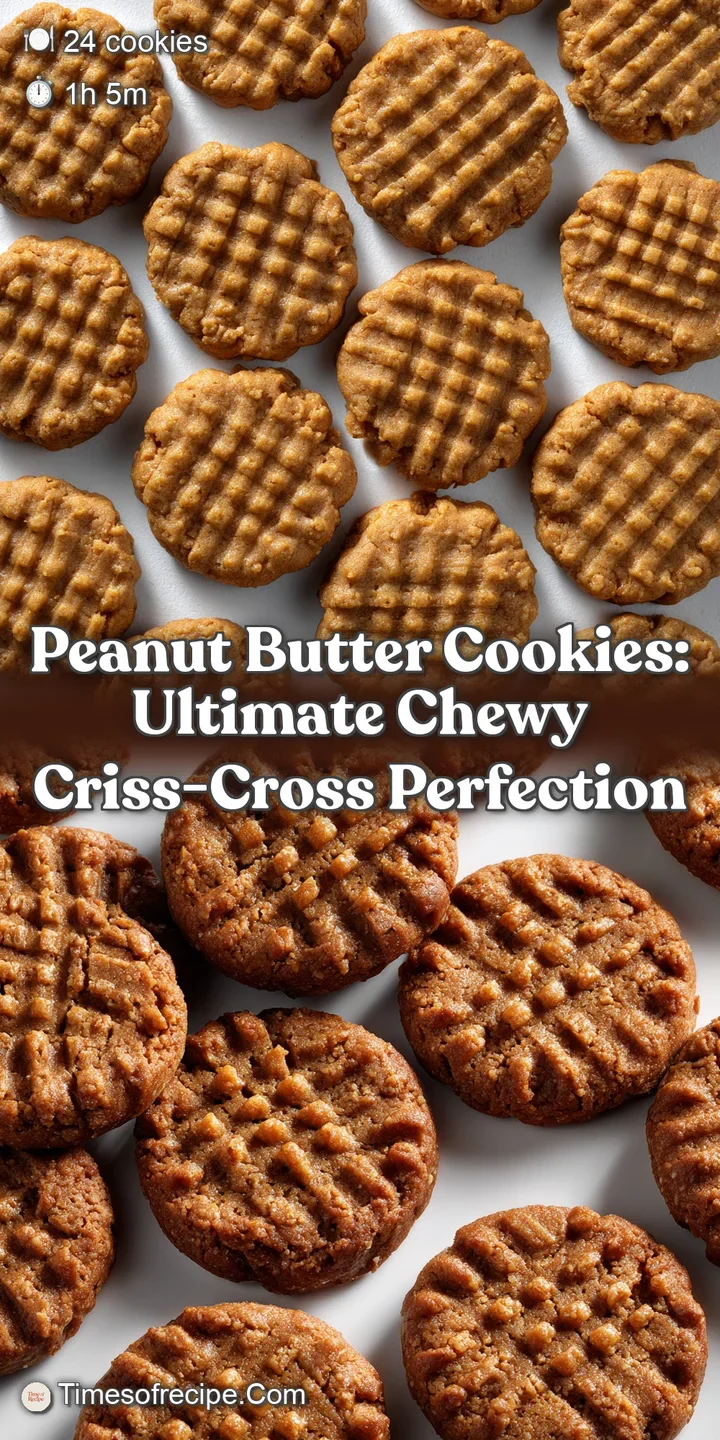
The signature fork press is not just for looks, though it certainly makes these treats recognizable globally! The dough for great Peanut Butter Cookies is naturally heavy and dense due to the high fat content of the butter and the peanut spread.
If we didn't press the dough down, the heat wouldn't penetrate the center quickly enough, leaving you with raw, spherical dough balls. The criss cross essentially aids in proper, even spreading and baking.
Balancing Sweetness and Salty Peanut Notes
This recipe calls for a specific amount of salt, and you need to pay attention to your specific peanut butter. Most commercial peanut butter brands already contain salt, so we are careful not to overdo it in the dry mix.
That perfect balance of sweet granulated sugar and that savory, salty peanut essence is what elevates these cookies from simple sweets to truly addictive Peanut Butter Cookies . You want that moment where the salt hits the back of your tongue just after the sweetness fades.
The Role of Sugar Ratio in Maintaining Softness
As mentioned, brown sugar is essential for texture, but we still need granulated sugar for that classic crisp edge. Granulated sugar promotes spread and crunch, while brown sugar ensures the centre remains soft and moist. My ratio of half granulated and half packed brown sugar guarantees the best of both worlds.
It creates a slightly crisp perimeter and a melt-in-your mouth, velvety interior.
Why This Dough Benefits from a Quick Chill
Many recipes claim to be "no-chill," but if you want thick, beautiful cookies, you need at least thirty minutes in the fridge. The dense, high fat content dough for these classic Peanut Butter Cookies softens quickly at room temperature.
Chilling firms up the fat, which then melts slower in the hot oven. This controlled melting process minimizes excessive spreading, giving you that lovely height and chewiness we’re after.
Essential Supplies: What You Need for Perfect Peanut Butter Cookies
You don't need fancy gadgets to nail this recipe, but a stand mixer or a good hand mixer will save your arms. Creaming the butter and sugars properly is the most physically demanding step!
A quick tip from my own experience: I once tried to mix the full batch by hand and regretted it instantly. The peanut butter makes this dough incredibly stiff. Invest in a paddle attachment for your mixer; it's a game changer for dense cookie dough like these.
Also, make sure you have a small cookie scoop ready. This is non-negotiable for making uniform portions that bake evenly every single time.
Ingredient Swaps for Perfect Peanut Butter Cookies
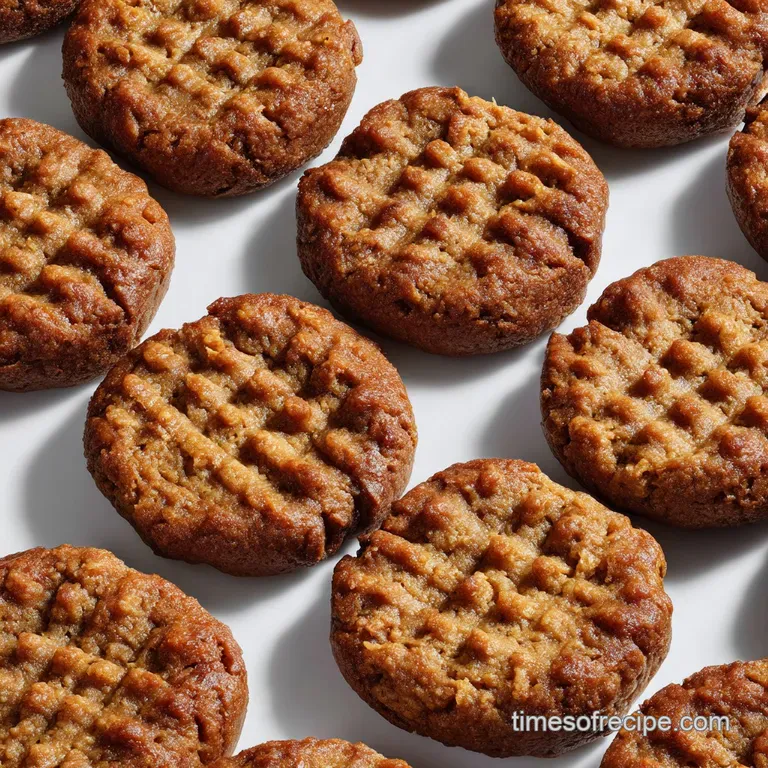
Choosing Your Peanut Butter: Creamy vs. Crunchy Debate
This is purely personal preference! I prefer creamy because it results in a smoother, more uniform dough, but crunchy peanut butter adds wonderful little pops of texture if you enjoy that.
The CRITICAL WARNING: You absolutely must use processed, stabilized peanut butter (like Skippy, Jif, or similar brands) for the best Peanut Butter Cookies structure.
Natural, oil-separated peanut butter is too oily and usually results in dry, crumbly cookies that lack proper binding. This is the number one failure point for many bakers trying to replicate classic Peanut Butter Cookies .
Detailed Ingredient List and Prep Notes
Remember, room temperature ingredients matter! If you try to mix a cold egg into creamed butter and sugar, the mixture will curdle and separate. This ruins the aeration you worked so hard to achieve.
| Ingredient | Prep Note | Substitute |
|---|---|---|
| Butter (Unsalted) | Must be truly softened, not melted. | high-quality vegan butter sticks or coconut oil (reduce flour by 1 tbsp). |
| All-Purpose Flour | Use the "spoon and sweep" method. | 1:1 gluten-free Blend (add ¼ tsp xanthan gum if not included). |
| Large Egg | Must be room temperature. | Flax Egg (1 tbsp ground flax + 3 tbsp water, rested 5 mins). |
| Peanut Butter (Processed) | Don't skimp on quality! | Almond butter or sunflower seed butter (check for extra sweetness). |
| Brown Sugar | Must be packed tightly. | Pure maple syrup (reduce milk/liquid by 2 tbsp, or add 1 tbsp extra flour). |
Can I Use Natural Peanut Butter?
Yes, but proceed with caution and adjustment. If you insist on using natural, oil-separated peanut butter, you need to compensate for the higher oil content and drier solids. Reduce your all-purpose flour by approximately 1/4 cup. Watch the dough carefully; it should still be stiff but not dry.
You might also want to increase the chill time to ensure maximum stability.
gluten-free Flour Alternatives
The good news is that peanut butter is so rich in fat and protein that it provides excellent structure on its own. A 1:1 gluten-free baking blend that already contains a binder like xanthan gum works beautifully here.
If your blend is binder free, toss in an extra quarter teaspoon of xanthan gum to keep those soft centres from crumbling into dust.
The step-by-step Method for Baking Classic Criss Cross Cookies
Let's make some dough! Getting the mixing phase right is 90% of the battle when making these wonderful, classic Peanut Butter Cookies .
> Chef's Note: Stop the mixer every 60 seconds during the creaming phase to scrape down the sides. This ensures even incorporation of the butter and sugars, leading to better aeration and a fluffier dough.
Creaming Butter and Sugar for Maximum Air Incorporation
This step is the most important for that ultimate chew. Beat the softened butter, granulated sugar, and brown sugar on medium speed for a full 3 to 4 minutes. The mixture must transform from yellowish and gritty to pale white and fluffy.
This is how air gets trapped in the fat, which expands when heated, giving your cookies that gorgeous lift and chewiness.
Forming Uniform Dough Balls (The Prep Phase)
Uniformity equals even baking, my friends! Use a standard 1.5 tablespoon cookie scoop for this job. Roll the scooped dough briefly between your palms; this seals the edges and prevents jagged cracks. Then, roll them generously in the reserved granulated sugar.
That coating provides extra crunch and ensures the fork doesn't stick when you apply the pattern.
Applying the Signature Fork Press
Arrange the sugar coated balls on your lined baking sheet with plenty of space. Take a fork and gently press down on the ball, just until it begins to flatten slightly, but not so hard that it cracks aggressively. Rotate the fork 90 degrees and press again to create the iconic crosshatch.
Tip: Dip the fork in the same sugar bowl after every two cookies! This prevents dough from clinging to the tines and keeps the pattern sharp and clean.
Recognizing the Perfect Golden Edge
Bake these at 350°F (175°C) for just 10 to 12 minutes. The biggest mistake you can make with Best Peanut Butter Cookies is overbaking them. Look for edges that are barely set and lightly golden brown.
The center should still look notably soft, almost slightly pale. That paleness is your guarantee of a chewy cookie once cooled.
Cooling Rack Protocol (When to Move Them)
They are extremely fragile straight out of the oven! If you try to move them immediately, they will break and fall apart. Let the freshly baked cookies rest on the hot baking sheet for 5 full minutes.
This allows the internal temperature to drop slightly and the structure to firm up before you slide them onto a wire rack to finish cooling completely.
Expert Tips and Troubleshooting Common Peanut Butter Cookie Mistakes
Preventing Crumbling: Binding Agents and Mixing Speed
Crumbling usually happens for two reasons: too much flour or over mixing once the flour is added. Remember, you want to mix the flour only until no streaks remain. The second the flour disappears, stop. Over mixing develops gluten, making the dough tough and crumbly rather than soft. For anyone looking for another rich, textured recipe, sometimes I make a batch of Chocolate Chip Cookies: Bakery Style Chewy Crispy Recipe the same day, focusing on perfect texture there too.
Why Did My Cookies Spread Too Much?
If your cookies spread into flat puddles, one of three things happened:
- Butter was too warm/melted: The fat leaked out too fast in the oven.
- You skipped the chill: The chilled fat controls the spread.
- Your oven temperature is inaccurate: Use an oven thermometer; ovens lie constantly!
Making thick, beautiful Ultimate Chewy Peanut Butter Cookies depends entirely on controlling the rate at which the fat melts.
Getting a Deeper Peanut Flavor
Want truly intense peanut flavor? Briefly toast your peanut butter before using it! Spread the cup of peanut butter thinly on a small baking sheet and bake it at 300°F (150°C) for about 5 to 8 minutes, stirring once.
This gently roasts the peanut paste, deepening the nutty flavor profile immensely before you mix it into your dough for those superior Peanut Butter Cookies .
How to Store and Freeze Peanut Butter Cookie Dough and Baked Treats
Extending Freshness: Airtight Storage Solutions
Baked cookies are best enjoyed within 3 to 4 days. Store them in an airtight container at room temperature. Here's my secret weapon for softness: toss a half slice of plain white bread into the container with your cookies.
The cookies will absorb the moisture from the bread, keeping them wonderfully soft and chewy for an extra couple of days. That is a serious game changer for classic Peanut Butter Cookies .
Freezing Unbaked Dough Balls for Later Use
This is the absolute best way to prep ahead! Scoop and roll your dough balls, apply the criss cross pattern, and arrange them on a parchment lined baking sheet. Flash freeze them for about two hours until rock solid. Transfer the frozen dough balls into a freezer safe zip-top bag.
They will keep beautifully for up to 3 months. When ready to bake, place them directly on the baking sheet (no need to thaw) and add 2 to 4 minutes to the baking time.
Delicious Pairings and Serving Suggestions
Ideal Beverages to Complement the Rich Peanut Notes
While a cold glass of whole milk is the classic choice, try pairing a fresh, warm batch of Peanut Butter Cookies with a strong, dark roast coffee or espresso. The slight bitterness of the coffee cuts through the richness of the peanut butter and sugar perfectly. For an afternoon treat, a mug of simple black tea works wonderfully too. Sometimes, when I’m feeling extravagant, I serve them alongside a towering stack of OldFashioned Pancakes: The Ultimate Fluffy Buttermilk Stack for a ridiculously indulgent weekend breakfast buffet.
These Easy Peanut Butter Cookie Recipes are perfect for sharing, or honestly, just hoarding all to yourself! Baking is a marathon, not a sprint, and mastering the classic Best Peanut Butter Cookies recipe is a huge culinary milestone.
Go forth and bake the chewiest, most satisfying treats you’ve ever made.
Recipe FAQs
Why are my peanut butter cookies dry and crumbly instead of perfectly chewy?
The main culprits for dry cookies are usually over baking or incorrect flour measurement. Ensure you use the spoon and-level method for flour and remove the cookies from the oven when the centers still look slightly soft, as they will continue cooking on the hot pan.
If your dough seemed dry before baking, your butter may have been too cold, inhibiting proper moisture distribution.
Is it necessary to make the iconic fork criss cross pattern?
While the criss cross is traditional and visually appealing, it also serves a vital function for denser peanut butter dough. The heavy nature of the peanut butter requires gentle flattening to ensure the cookies cook evenly throughout, preventing them from puffing into thick domes with raw centers.
Gently pressing them helps achieve that signature uniform texture.
Can I use natural peanut butter instead of the standard creamy varieties?
It is strongly recommended to use standard shelf stable peanut butter (like Jif or Skippy) for consistent baking results. Natural peanut butter, which separates oil, generally has a different fat-to-solids ratio and often results in a drier, more crumbly cookie that doesn't hold its shape as well.
If you must use natural, ensure it is thoroughly stirred and refrigerated prior to use.
My cookies spread too much while baking. What caused this?
Excessive spreading often occurs if the butter was too warm or if the measurements were slightly off, particularly the flour. Ensure your butter is truly room temperature not softened or melted and consider chilling the formed dough balls for 30 minutes before baking to firm up the fats.
You can also try adding 1-2 extra tablespoons of flour next time for stability.
How long can I store these cookies, and can I freeze the dough?
Baked cookies will maintain their optimal chewy texture for 4-5 days when stored in an airtight container at room temperature. For freezing, scoop the dough into balls, freeze them solid on a tray, and then transfer them to a freezer bag for up to 3 months.
Bake the frozen dough balls directly, adding 1-2 minutes to the total baking time.
Can I substitute granulated sugar entirely for the brown sugar component?
While substitutions are possible, brown sugar is crucial for achieving that signature chewy texture due to its molasses content and high moisture level. Using only granulated sugar will result in a flatter, crispier cookie texture.
If you must adjust, ensure you use at least a 50/50 mix to retain some moisture and richness.
How do I make these cookies gluten-free or dairy-free?
To make them gluten-free, substitute the all-purpose flour with a high-quality 1:1 gluten-free baking blend that already contains xanthan gum for structure. For a dairy-free variation, replace the traditional butter with an equal amount of a high-quality vegan butter substitute.
Ensure all other ingredients, like the peanut butter, are certified dairy-free if necessary.
Ultimate Chewy Peanut Butter Cookies
Ingredients:
Instructions:
Nutrition Facts:
| Calories | 120 kcal |
|---|---|
| Protein | 3.0 g |
| Fat | 6.0 g |
| Carbs | 14.0 g |
