Velvety Chia Pudding Recipe
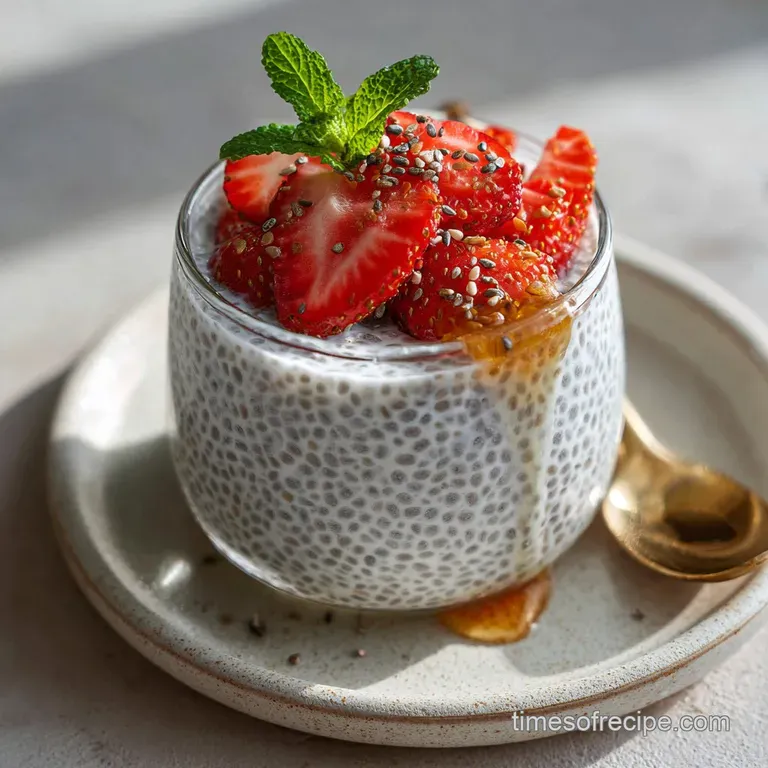
- Time: Active 5 minutes, Passive 4 hours, Total 4 hours 5 mins
- Flavor/Texture Hook: Velvety and cooling with a gentle vanilla snap
- Perfect for: Busy morning rituals or meal prep beginners
A Foolproof Morning Chia Recipe
Have you ever looked at a jar of dry seeds and wondered how they could possibly turn into a breakfast you actually look forward to? I used to be a total skeptic, thinking it looked a bit too much like science experiment sludge.
But then I heard that soft clink of a spoon against a glass jar in a local cafe, tasted one spoonful of their vanilla flecked version, and I was completely hooked on the ritual.
The secret isn't in some fancy superfood powder or a high speed blender, it is all about patience and a little bit of friction. Most people just stir once and walk away, but that is how you end up with a "chia brick" at the bottom of your container.
We want something that flows, something that feels more like a decadent pudding than a chore to eat.
Today, we are skipping the complicated setups and focusing on a minimal tool approach. You just need a jar, a spoon, and a few minutes of your time before you head to bed or start your day.
This isn't just a meal, it’s a way to reclaim your morning leisure without sacrificing the speed you need to get out the door.
Science Behind the Gel
Hydrophilic Expansion: When chia seeds hit liquid, the outer layer of the seed coat swells, creating a mucilaginous fiber that can hold up to 12 times its weight in water. This transforms the almond milk into a thick, spoonable gel through a process called hydration.
Protein Suspension: The proteins in the seeds help stabilize the structure, ensuring the liquid doesn't just leak out over time. If you want to dive deeper into high protein versions, my Bariatric Seed Recipe uses these same principles for a more filling result.
Osmotic Balance: Adding a tiny pinch of sea salt doesn't just season the dish, it helps the vanilla and maple flavors penetrate the seed wall more effectively. This creates a more cohesive flavor profile rather than just having "sweet milk" around bland seeds.
Component Analysis Table
| Ingredient | Science Role | Pro Secret |
|---|---|---|
| Chia Seeds | Primary Thickener | Use black seeds for better visual contrast and texture. |
| Almond Milk | Solvent & Base | Unsweetened allows you to control the exact sugar level. |
| Maple Syrup | Hygroscopic Sweetener | Draws moisture into the seed faster than granulated sugar. |
| Vanilla Paste | Flavor Catalyst | The tiny beans provide a visual cue of high-quality. |
Ingredients and Substitutes
For this recipe, I always reach for a jar of Nielsen Massey Vanilla Bean Paste. It gives you those gorgeous little black flecks that look so much more appetizing than a clear extract. If you can't find it, a standard vanilla extract works, but the depth is slightly different.
- 1/4 cup (40g) Chia Seeds: These are the backbone.
- Substitute: Basil seeds (sabja). Why this? They swell even faster but have a slightly crunchier center.
- 1 cup (240ml) Unsweetened Almond Milk: I prefer Silk Almond Milk for its neutral profile.
- Substitute: Full fat coconut milk. Why this? Adds a much creamier, richer mouthfeel with tropical notes.
- 1 tablespoon (15ml) Maple Syrup: Coombs Family Farm is a solid choice here.
- Substitute: Honey or Agave. Why this? Both provide a similar viscosity and sweetness level.
- 1/2 teaspoon Vanilla Bean Paste: For that aromatic punch.
- Substitute: Half a scraped vanilla bean. Why this? Purest flavor possible if you have the time.
- 1 pinch Fine Sea Salt: To wake up the flavors.
- Substitute: Himalayan pink salt. Why this? Adds a subtle mineral complexity to the sweetness.
Preparation and Mixing Steps
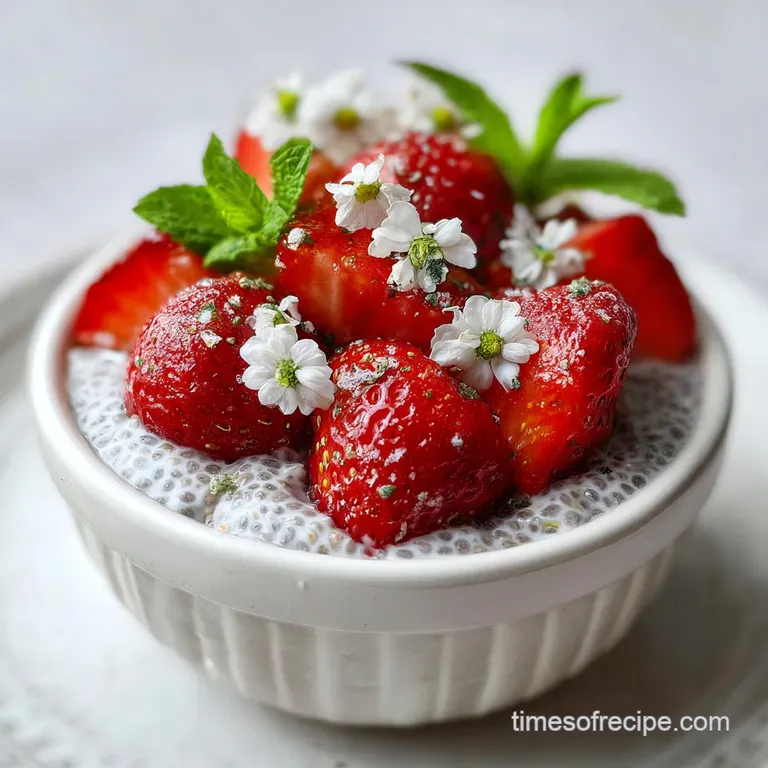
- Measure seeds. Place 40g of chia seeds into a clean 500ml Ball Mason Jar. Note: Using a glass jar lets you see if any seeds are stuck to the bottom.
- Add liquids. Pour in 240ml of almond milk and 15ml of maple syrup.
- Incorporate aromatics. Stir in 1/2 tsp of vanilla bean paste and a pinch of salt.
- Initial whisk. Use a small whisk or a fork to stir vigorously for 60 seconds until no dry clumps remain.
- Resting phase. Let the jar sit on the counter for exactly 10 minutes. Note: This is when the initial "bloom" happens.
- The critical stir. Give it another thorough mix after the rest period until the mixture looks slightly thickened.
- Seal and chill. Tighten the lid and place it in the fridge for at least 4 hours.
- Final check. After 4 hours, the mixture should be firm enough to hold a spoon upright.
- Adjust consistency. If it's too thick, stir in 1 extra tablespoon of milk until it reaches your preferred silkiness.
- Garnish. Top with fresh berries or a sprinkle of cinnamon just before serving.
Chef's Tip: If you want a truly "pudding like" experience without the seed texture, you can actually throw the whole finished mixture into a Vitamix Blender for 30 seconds. It turns it into a velvety mousse that is life changing.
Fixing Texture Issues
Fixing a Runny Texture
If your breakfast looks more like soup than pudding, the seeds likely didn't have enough surface area contact with the milk. This usually happens if they weren't stirred properly in those first ten minutes.
| Problem | Cause | Fix | Pro Tip |
|---|---|---|---|
| Liquid on top | Under mixing | Shake jar vigorously | Use a tight fitting lid only |
| Crunchy seeds | Old seeds | Soak for 2 extra hours | Check the expiration date |
| Rubbery texture | Too many seeds | Stir in more milk | Add 15ml at a time |
Removing Stubborn Clumps
Clumps are the enemy of a good morning. They happen when the outer seeds gel together before the inner seeds can get wet. I’ve made this mistake a dozen times by being in a rush. If you see "islands" of dry seeds, use a small whisk to manually break them against the side of the glass. For a perfectly smooth base, you might even consider my standard Chia Pudding Recipe which uses a slightly different ratio for meal prepping.
Scaling the Portions
Downscaling (1 serving): If you only want one bowl, halve everything exactly. Use a smaller 250ml jar so there isn't too much air at the top, which can cause a skin to form. You can keep the vanilla at the full 1/2 teaspoon because it's hard to measure smaller, and it only improves the flavor!
Upscaling (4+ servings): When doubling or tripling, don't just multiply the salt. Keep the salt at a generous pinch for every two servings, or it will become too savory.
For the liquid, reduce the total amount by about 5% if you're making a massive batch (4+ cups), as the weight of the seeds helps them hydrate more efficiently in bulk.
Batch Prep: If you're doing this for the whole week, I recommend mixing the dry seeds and salt in jars first, then adding the liquids the night before you plan to eat them. This keeps the texture from getting too soft by day five.
Debunking Breakfast Myths
Myth: You have to grind chia seeds to get the nutrients. Truth: Unlike flax seeds, the human body can break down the outer shell of a hydrated chia seed quite well. Searing or grinding isn't necessary, though it does change the texture if you prefer a smoother mouthfeel.
Myth: Chia seeds can only be hydrated in dairy or nut milks. Truth: You can use juice, coffee, or even plain water. The seeds don't care about the fat content for the gel to form, though the flavor will obviously vary wildly.
| Fresh Version | Shortcut Version |
|---|---|
| Hand stirred for 5 mins | Shaken in a jar for 30 seconds |
| Uses vanilla bean paste | Uses imitation vanilla |
| 4 hour slow cold soak | 15 minute warm water soak |
Storage and Scraps
Keep your finished jars in the back of the fridge, which is usually the coldest spot. It will stay fresh and vibrant for up to 5 days. I don't recommend freezing the finished pudding as the cell structure of the gel breaks down when thawed, resulting in a watery mess.
Zero Waste Tip: If you find yourself with a tablespoon or two left in the jar that you can't quite scrape out, don't wash it down the sink! Pour in a little bit of your morning coffee or a splash of orange juice, give it a shake, and drink it.
It's an easy way to use every last bit of those nutrient dense seeds. You can also toss leftover scraps into a smoothie or use them as a "binder" in your next batch of oatmeal.
For a Weight Loss Friendly Version
If you are watching calories, replace the maple syrup with a monk fruit sweetener or stevia. Use an unsweetened cashew milk, which tends to be lower in calories than almond milk but keeps a very creamy profile.
For a Kid Approved Chocolate Twist
My kids used to turn their noses up at the "little dots." I started whisking in 1 tablespoon of unsweetened cocoa powder and an extra teaspoon of maple syrup. It looks and tastes just like chocolate pudding.
If you serve it in a fancy glass with a few chocolate shavings on top, they won't even know they're eating something healthy.
Decision Shortcut: - If you want a dessert texture, blend the final mixture. - If you want maximum crunch, add the toppings (nuts/granola) only at the moment of eating. - If you want a thicker consistency, reduce the milk by 20ml next time.
This little ritual has saved my mornings more times than I can count. It’s the ultimate leisure meal prepared with five minutes of effort while you’re winding down at night, and ready to be enjoyed the moment your feet hit the floor the next day.
Trust me, once you get that double stir technique down, you’ll never go back to boring cereal again.
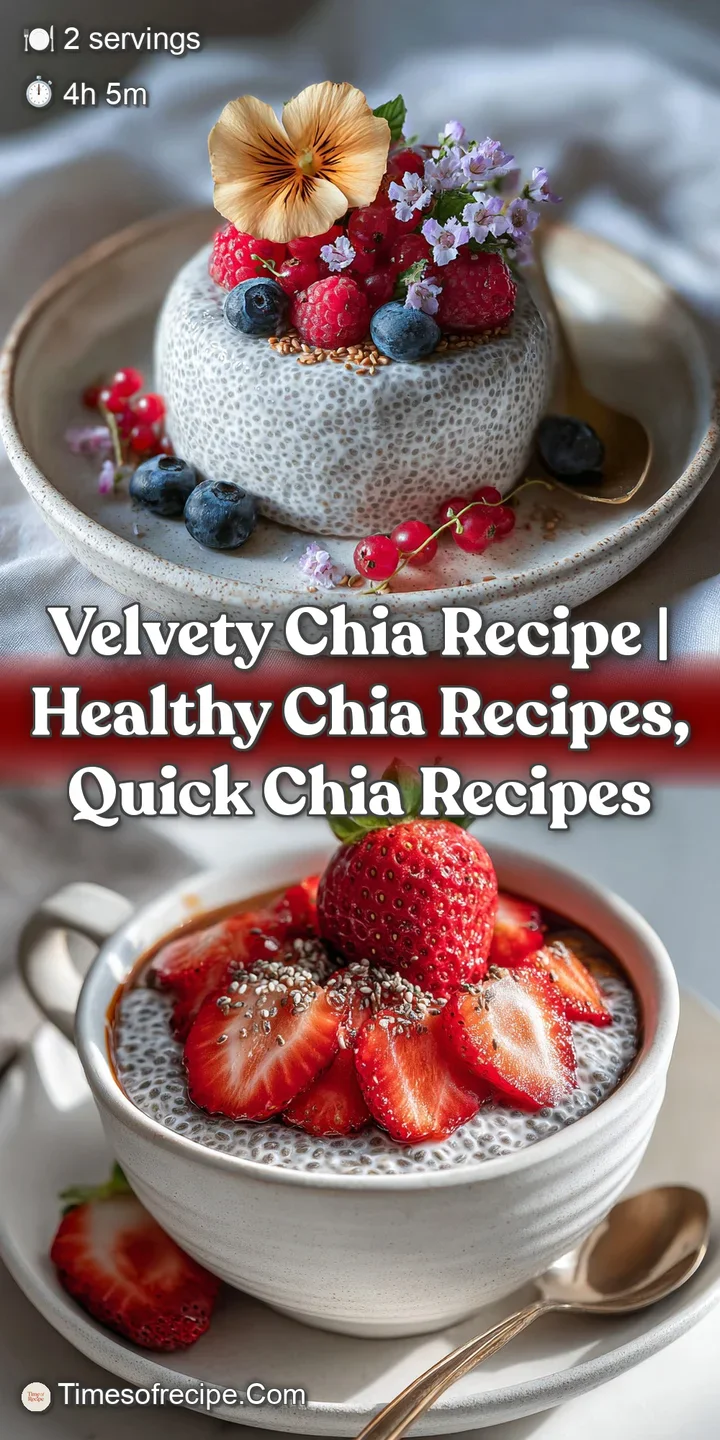
Recipe FAQs
What is the best way to eat chia seeds?
Yes, as a hydrated pudding or gel. The best way is soaking them in liquid (milk, water, juice) until they form a viscous gel, which makes them digestible and palatable. This preparation unlocks their best texture for breakfast or snacks.
What is the ratio of chia seeds to liquid?
The ideal standard ratio is 1 part seeds to 4 parts liquid (1:4). For a thicker pudding, use 3 parts liquid (1:3). Adjust this based on your desired final viscosity, adding extra liquid later if it sets too firm.
What should you not mix chia seeds with?
You should generally avoid mixing them with very acidic or hot liquids immediately. Highly acidic ingredients like pure lemon juice can sometimes prevent proper gelling, and boiling water can scorch the outer layer before hydration.
For optimal results, use room temperature or cool liquids first, similar to how we stabilize emulsions when making a sauce.
What can I do with chia seeds?
You can make pudding, use them as an egg replacer, or add them to smoothies and baked goods. As a binder, they mimic the setting properties of an egg, a technique you see used in vegan baking, just as we carefully control moisture content in recipes like our Ted Lasso Biscuit: Perfect Homemade Shortbread Recipe to ensure a good rise.
How long do chia seeds need to soak?
A minimum of 30 minutes is required, but overnight (4-8 hours) is best for full hydration. The initial 10 minutes with a vigorous stir is crucial to prevent clumping, followed by a second stir to ensure even distribution before chilling.
Can I eat raw, unsoaked chia seeds?
Yes, you can, but it is less ideal for nutrient absorption and digestion. Eating them dry means they will aggressively absorb water from your digestive tract, so always consume them with plenty of fluid or ensure they are soaked first.
What is the secret to avoiding a gritty texture?
The secret is the double stir method after a short rest period. Stir vigorously for one minute immediately after adding liquid, let it sit for 10 minutes, then stir again thoroughly to break up any initial gel pockets that formed on the surface.
Velvety Chia Pudding Recipe
Ingredients:
Instructions:
Nutrition Facts:
| Calories | 147 calories |
|---|---|
| Protein | 3.8 g |
| Fat | 7.7 g |
| Carbs | 15.7 g |
| Fiber | 6.8 g |
| Sugar | 7.1 g |
| Sodium | 145 mg |
