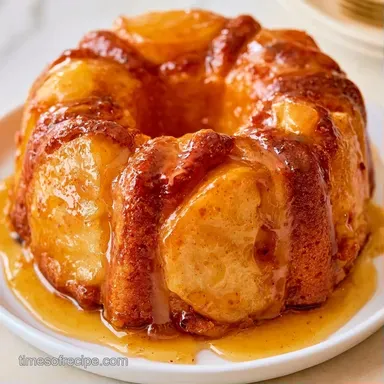
Apple Harvest Pound Cake with Caramel: Buttery Crumb
- Time: 45 min active + 75 min baking
- Flavor/Texture Hook: Buttery, dense crumb with tart apple pockets
- Perfect for: Autumn family gatherings or cozy tea time
Apple Harvest Pound Cake with Caramel
Every October, my home is filled with the aroma of cinnamon and browned butter, evoking memories of traditional harvest festivals where heavy tins of cake were baked and shared with neighbors. There is a unique comfort in a cake this substantial, serving as a perfect cross between a breakfast treat and a rich dessert.
This is the definitive recipe for Apple Harvest Pound Cake with Caramel Glaze.
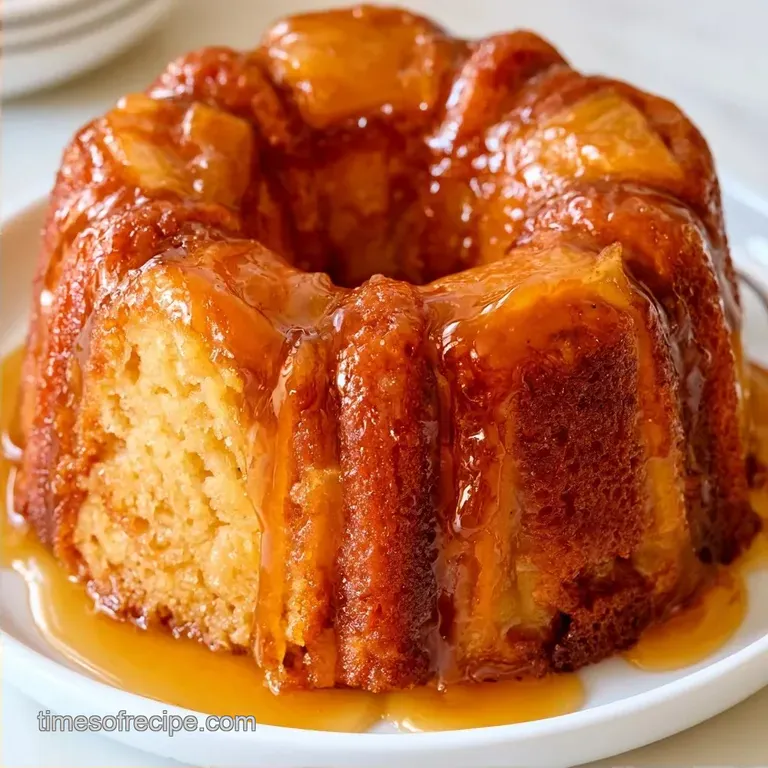
I love how this bake embodies the transition between seasons, shifting from summer's lightness to the deep richness of autumn. It serves as a magnificent centerpiece, especially with the glaze cascading down the sides of a Bundt pan.
The result is a dense, buttery crumb accented by bright pops of tart apple. It is an elegant dessert that feels effortless yet always impresses everyone who enjoys a slice.
Why This Recipe Works
Sour Cream: The acidity helps break down the flour proteins, ensuring the cake stays tender instead of becoming bread like.
Brown Sugar: Using this instead of white sugar adds a deep, molasses like hum that complements the cinnamon.
Cold Apple Chunks: Keeping the diced apples chilled before folding them in prevents them from releasing too much juice, which keeps the batter from separating.
Recipe Specs
The success of a pound cake often comes down to the temperature of your fats. If your butter is too oily, the cake collapses. If it's too cold, you'll have lumps.
For those who prefer a different kind of autumn treat, you might like these applesauce bars, which offer a softer, more chewy texture.
| Feature | Detail |
|---|---|
| Prep Time | 45 minutes |
| Bake Time | 75 minutes |
| Total Time | 120 minutes |
| Yield | 12 generous slices |
| Oven Temp | 160°C (325°F) |
The Ingredient Breakdown
Every part of this cake serves a specific purpose. The flour provides the structure, while the fats ensure it doesn't dry out during the long bake.
| Component | Purpose | Substitute Notes |
|---|---|---|
| Unsalted Butter | Provides a rich, buttery crumb | Coconut oil: Works, but loses the classic dairy flavor |
| Sour Cream | Adds moisture and tenderness | Greek yogurt: Similar acidity, slightly tangier result |
| Granny Smith Apples | Adds tartness and texture | Honeycrisp: Sweeter and holds shape well |
| Brown Sugar | Deep color and molasses flavor | Coconut sugar: Lower moisture, slightly grainier |
The Full List
For the Cake:
- 225g unsalted butter, softenedWhy this? Essential for the creamy, dense structure
- 300g light brown sugar, packedWhy this? Adds a moist, caramel like base
- 4 large eggs (200g)Why this? Binds the batter and adds lift
- 10ml vanilla extract (2 tsp)
- 120g sour cream (0.5 cup)Why this? Keeps the crumb tender
- 375g all purpose flour (3 cups)
- 5g baking soda (1 tsp)
- 3g salt (0.5 tsp)
- 5g ground cinnamon (2 tsp)
- 300g Granny Smith apples, peeled and finely dicedWhy this? Tartness cuts through the richness
- 60g chopped walnuts (0.5 cup)
For the Glaze:
- 57g unsalted butter (4 tbsp)
- 100g brown sugar (0.5 cup)
- 60ml heavy cream (0.25 cup)
- 1.5g sea salt (0.25 tsp)
Tools for the Job
While you can get by with basic equipment, a few key pieces make the work much easier. I recommend a stand mixer, like a KitchenAid, to ensure the butter and sugar are properly aerated.
A 12-cup Bundt pan is the standard choice here. If you opt for a different shape, be aware that the baking time will likely vary. I suggest using a heavy gauge aluminum pan, which distributes heat more consistently than thin steel.
A rubber spatula is essential for folding the batter. Using a whisk or a spoon at this final stage can overwork the gluten, potentially leaving you with a rubbery cake.
Putting the Cake Together
Now, let's start baking. Being patient is essential, particularly during the butter creaming stage.
- Set your oven to 160°C (325°F). Grease a 12 cup Bundt pan with butter, then dust it with a flour and cinnamon blend, shaking out any surplus.
- Using medium high speed, cream 225g softened butter and 300g brown sugar for 3 minutes until the mixture looks pale and fluffy.
- Incorporate the eggs individually, mixing thoroughly after each one to properly emulsify the fat and liquid.
- Stir in 10ml vanilla and 120g sour cream.
- Whisk 375g flour, 5g baking soda, 3g salt, and 5g cinnamon together in a separate bowl.
- Using a spatula, slowly fold the dry components into the wet batter until no streaks of flour remain. Be careful not to overmix.
- Gently stir in 300g diced apples and 60g walnuts.
- Transfer the batter into the pan and level the surface.
- Bake for 75 minutes until a tester inserted into the center comes out clear and the sides begin to pull away from the pan.
- While the cake rests, warm the glaze ingredients (57g butter, 100g sugar, 60ml cream, 1.5g salt) in a saucepan until melted and smooth. Drizzle this velvety glaze over the cooled cake.
Chef's Tip: For a stress free release, let the cake cool in the pan for exactly 10 minutes. Leaving it too long may cause the sugar to stick, while removing it too soon could cause the cake to break.
Fixing Baking Issues
Baking is a bit of a balancing act. Sometimes the humidity in your kitchen or the size of your eggs can throw things off. If you find your cake is too moist, Serious Eats' testing shows that draining the diced apples slightly before adding them can prevent a gummy crumb.
When the glaze doesn't look right, it's usually a temperature issue. If it separates, just whisk it vigorously over low heat to bring the emulsion back.
Solving Common Glaze and Cake Problems
| Problem | Root Cause | Solution |
|---|---|---|
| Cake sticks to pan | Insufficient greasing | Use a hot, damp towel around the pan base for 2 mins |
| Sunken center | Oven door opened too early | Avoid peeking before 60 minutes of bake time |
| Grainy glaze | Sugar didn't dissolve | Reheat on low and whisk until smooth |
Swaps and Variations
There are many ways to customize the feel of this cake. For a more rustic approach, you can try this shredded apple bread recipe, which is a bit more relaxed than a traditional pound cake.
If you want to experiment with flavors, try swapping the walnuts for pecans or stirring a pinch of nutmeg into the flour. You can also use different apple varieties, though Granny Smith is the top choice for that ideal balance of tart and sweet.
| Original Ingredient | Substitute | Why It Works |
|---|---|---|
| Heavy Cream | Coconut Milk | Matches fat content. Note: Imparts a subtle tropical flavor |
| Walnuts | Pecans | Similar earthy crunch |
| Brown Sugar | Maple Sugar | Deep autumnal taste, slightly drier |
Quick Adjustment Guide
- To get a denser crumb: blend chilled butter and cream on low speed.
- To add more fruit: increase apples to 350g, adding 1 extra tablespoon of flour.
- For a glossier glaze: stir in 1 tablespoon of extra heavy cream at the end.
Saving and Storing
The sour cream helps this cake retain its moisture beautifully. I generally keep it in a sealed glass container on the countertop for up to 3 days. If your kitchen is particularly warm, it's better to keep it in the fridge.
To store it longer, wrap single slices in parchment paper and foil and freeze them for up to 2 months. When you want a piece, simply microwave it for 20 seconds or let it thaw in the refrigerator overnight.
Don't let those apple peels go to waste! I like to simmer them with water and cinnamon to create a simple syrup for tea or pancakes. It's a great way to use every part of the harvest.
Plating for Visual Appeal
Because this is an elegant dessert, the plating should be equally refined. I utilize a three tone color palette to ensure the cake looks impressive when served.
A rich, golden brown caramel glaze provides the foundation. To create contrast, I top the cake with sheer, thin slices of tart green apple, which offer a vivid splash of color and a fresh crunch to balance the pound cake's richness.
I finish by scattering toasted tan walnuts along the perimeter, adding an earthy, rustic touch. Once sliced, the light colored crumb and embedded apple pieces create an organic, sophisticated pattern that looks great without any professional decorating.
Final Baking Myths
Some believe that melted butter is a viable shortcut for pound cakes. However, this alters the crumb, resulting in a texture closer to a dense brownie than a light cake. For a traditional lift, always use softened butter.
Another frequent misconception is that cinnamon hinders the cake's rise. While excessive leavening can be problematic, a small amount of cinnamon will not affect your baking soda. The real culprit behind a poor rise is over mixing the batter.
To explore the nutritional details of the ingredients, you can access comprehensive data via the USDA FoodData Central website.
Recipe FAQs
Which fall dessert is the easiest for a beginner to make?
This pound cake is a perfect start since it relies on a simple creaming method. The addition of sour cream makes the batter forgiving and the final result very moist.
How to prevent the cake from sticking to the Bundt pan?
Grease the 12-cup pan with butter and dust it with a mixture of flour and cinnamon. Tap out any excess before adding the batter to ensure a clean release.
Is it true that apple cakes require a very high temperature to brown?
Not true. This recipe uses 325°F (160°C) to ensure the center bakes through completely before the exterior over browns.
What other moist cakes can I bake using fruit?
A banana based cake is a wonderful alternative for those who prefer a sweeter profile. If you enjoyed the tender crumb here, see how we use a similar moisture balance in our sugar free banana bread.
Can this cake be a centerpiece for a dessert table?
It makes a stunning focal point because of the caramel glaze dripping down the sides. Serve it on a wooden platter with fresh apple slices to complete the harvest look.
Apple Harvest Pound Cake