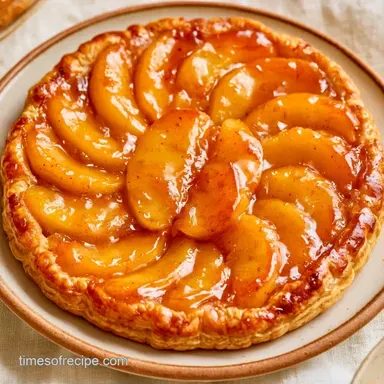
Glazed Apple Tart with Puff Pastry
- Time: 20 min active + 45 min bake
- Flavor/Texture Hook: Shattering crust with glossy, mahogany apples
- Perfect for: Autumn dinner parties or a weekend treat
The sound of a knife cracking through a chilled puff pastry shell is honestly the best part of baking. I used to struggle with "the soggy bottom" syndrome, where the apple juices would turn the pastry into a damp sponge.
It was a nightmare for any brunch I hosted, and it always felt like the fruit was fighting the crust.
The fix wasn't some fancy equipment. It was a simple combination of docking the dough and a thin layer of melted butter. This creates a barrier that keeps the crust shattering and light while the apples soften above.
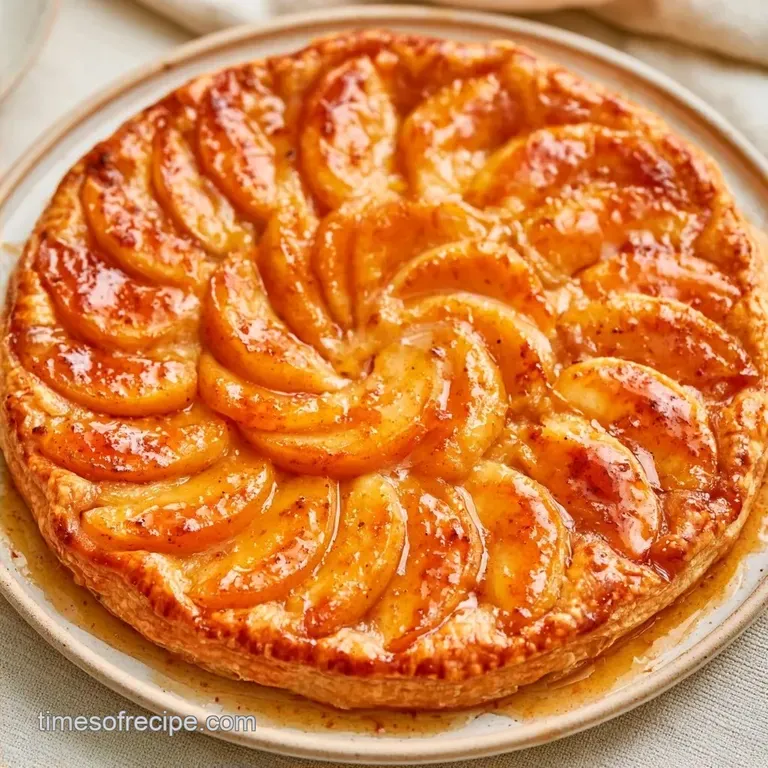
You can expect a Glazed Apple Tart that looks like it came from a Parisian bakery but takes very little effort. It's all about the arrangement of the fruit and that final, glowing coat of apricot.
The Glazed Apple Tart Guide
The outcome is a striking dessert featuring apples that turn a deep mahogany and pastry that puffs into golden, flaky layers. Far from a heavy pie, this is a light, sophisticated tart that feels delicate on the palate.
This Glazed Apple Tart is defined by its contrast. The warmth of cinnamon, the brightness of lemon, and the sweetness of the preserve work together perfectly, filling your kitchen with the comforting scent of a crisp autumn morning.
Why This Tart Stays Crisp
Butter Barrier: Brushing the base with melted butter prevents the pastry from absorbing apple juices.
Docking the Dough: Poking holes in the pastry stops steam from lifting the center, keeping the base flat and crisp.
| Choice | Time | Texture | Best For |
|---|---|---|---|
| Fresh Apples | 20 min prep | Firm, distinct slices | Elegant presentation |
| Canned Slices | 5 min prep | Softer, uniform | Quick weeknight treat |
The Essential Flavor Components
Every ingredient here has a specific job. The lemon juice isn't just for flavor, it stops the apples from turning brown while you arrange them into that spiral.
| Ingredient | What It Does | Best Swap |
|---|---|---|
| Puff Pastry | Provides a flaky base | Shortcrust (denser result) |
| Baking Apples | Adds bulk and tartness | Pears (sweeter, softer) |
| Apricot Preserves | Creates the mirror shine | Peach jam (similar flavor) |
| Cinnamon | Adds warm, woody notes | Nutmeg (more pungent) |
The Best Tools for Baking
A tart pan with a removable bottom is highly recommended here. This allows you to easily release the dessert without damaging the fragile edges.
For the apples, a sharp mandoline or a precise chef's knife is essential. Achieving uniform slices ensures they cook evenly; otherwise, you may end up with a mix of undercooked spots and burnt edges.
Lastly, use a small saucepan for the glaze. This makes it easy to monitor the preserves as they bubble, letting you know exactly when they are fluid enough to brush on.
The Assembly and Bake Process
1. Preparing the Base
Roll out the chilled dough and carefully press it into your tart tin, making sure it lines the sides. Prick the base with a fork to keep the pastry flat during baking. For a richer flavor, lightly brush the bottom with melted butter.
2. Arranging the Apples
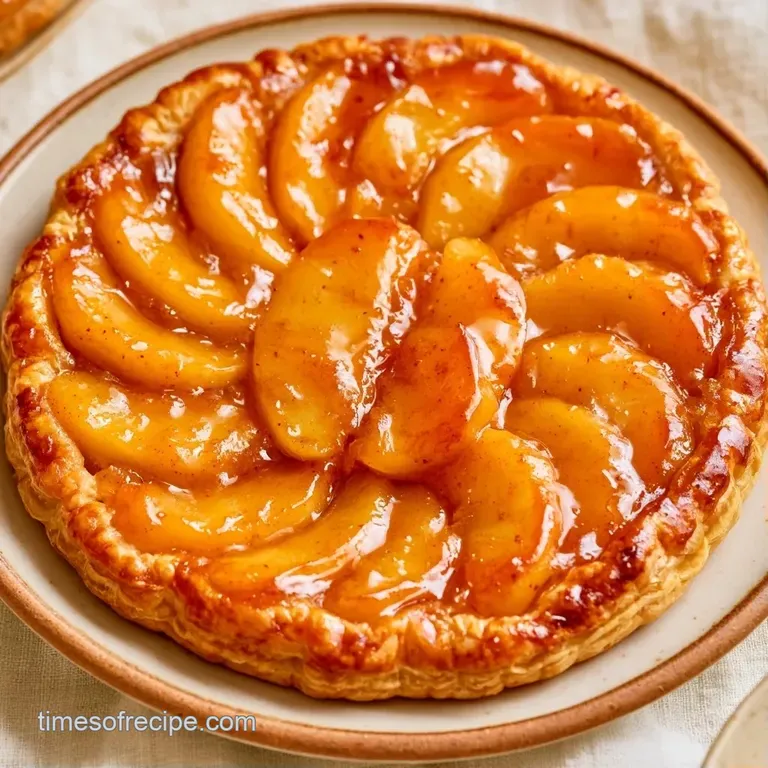
Combine the apple slices with lemon juice, sugar, and cinnamon, tossing them well to ensure an even coating. Lay the slices in a close, concentric spiral, beginning at the perimeter and moving inward. Slightly overlap each slice to achieve a lush, dense appearance.
3. Baking to Golden Perfection
Preheat your oven to 200°C (400°F). Bake for 35-45 minutes until the crust is a deep golden brown and the apple edges are mahogany colored.
4. Applying the Mirror Glaze
During the last few minutes of baking, simmer the apricot preserves and water in a pot over a medium flame until they bubble. Take the tart out of the oven and promptly brush the hot glaze across the fruit.
Solving Baking Hiccups
If your crust feels soft, the apples likely released too much water. This happens with very juicy varieties. Next time, try blind baking the crust for 10 minutes before adding the fruit to create a structural seal.
When the edges brown too fast but the center is pale, your oven might have a hot spot. Slide a baking sheet on the rack below to deflect some heat, or cover the edges with a strip of foil.
If the glaze looks cloudy, it didn't reach a full boil. Heat it for another minute until it's clear and fluid, then strain it through a mesh sieve to remove any fruit chunks.
| Problem | Fix |
|---|---|
| Soggy Base | Butter the dough and dock with a fork |
| Burnt Edges | Shield with foil after 20 minutes |
| Dull Glaze | Reheat until bubbling and strain |
Creative Flavor Swaps
For a different twist, you can swap the apricot preserves for a bourbon glaze to give the dessert a boozy, sophisticated kick. This works particularly well if you use a tart apple like Granny Smith.
If you want something even richer, try an apple pie cheesecake alongside this tart for a dessert platter. You can also add a pinch of cardamom to the cinnamon mix for a more aromatic, floral scent.
For a vegan version, use a plant based puff pastry (many store-bought ones are naturally vegan) and swap the butter for melted coconut oil. Use a jam that doesn't use gelatin for the glaze.
| Goal | What to change |
|---|---|
| Tarter flavor | Add 5ml extra lemon juice |
| Extra crisp | Blind bake base 10 mins |
| Sweeter finish | Add 1 tsp honey to glaze |
Freshness and Zero Waste
Store your Glazed Apple Tart in the refrigerator for a maximum of 3 days. To bring back the crisp texture, warm a slice in a toaster oven for 3-5 minutes. Avoid using a microwave, which makes the crust rubbery.
The baked tart remains good in the freezer for up to 2 months. Secure it tightly with plastic wrap and foil. Thaw it in the fridge overnight, then heat it briefly in the oven.
Save those apple peels and cores. Keep them in a freezer bag with a cinnamon stick. After the bag has filled up, simmer the contents with water to make a simple, fragrant apple syrup for pancakes.
Visual Plating Styles
The way you plate this Glazed Apple Tart sets the entire mood. Whether it's a relaxed Tuesday evening or an elegant dinner party, the visual presentation is key.
Simple: Cut the tart into eighths and serve on a basic white plate. A light sprinkle of powdered sugar around the edges creates a clean, rustic look.
Polished: Position a slice slightly off-center. Add a generous dollop of whipped cream or a scoop of vanilla bean ice cream on the side, topping the cream with a single mint leaf for a pop of color.
Restaurant: Use a large, flat platter. Place the slice in the center and use a squeeze bottle to dot small points of salted caramel or apple gel around the plate. Finish the dish with a quenelle of mascarpone cream and a sprinkle of toasted almond slivers.
| Level | Detail |
|---|---|
| Simple | Powdered sugar dusting |
| Polished | Vanilla ice cream + mint |
| Restaurant | Mascarpone quenelle + apple gel |
Believe me, the glaze is the secret to this dish. Once that apricot preserve mixture hits the warm apples, it produces a professional, mirror like sheen. Just ensure the apples are packed in a tight spiral, and you're ready. Let's get baking.
Recipe FAQs
How to make a glaze for tart?
Heat apricot preserves and water in a small saucepan over medium heat. Once the mixture is bubbling and fluid, brush it immediately over the hot apples for a professional shine.
What apples are best for apple tart?
Use firm baking apples. These varieties hold their structure during the 35-45 minute bake at 400°F without turning into mush.
Which glaze is best for apple pie?
Apricot preserves mixed with water create the best professional finish. This combination provides a shimmering, mahogany glow and a subtle tang that balances the sugar.
Is this just a French Tarte Tatin?
Actually, no. While both use apples, a Tarte Tatin is caramelized upside down, whereas this tart is baked upright on a docked puff pastry base.
Why is the pastry docked in this recipe?
To prevent the dough from bubbling up. Poking small holes ensures the base remains flat and crisp while the apples soften above.
Would honey work as a glaze substitute?
Stick with apricot. Honey lacks the pectin required to produce a glossy, stable glaze. If you enjoyed this sweet tart profile, check out our Moist Lemon Loaf to see a comparable approach to acidity.
Glazed Apple Tart