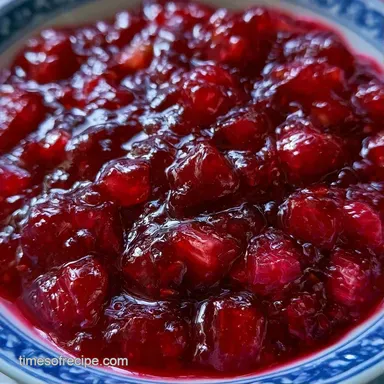
Homemade Rhubarb Jam: Pectin-Free
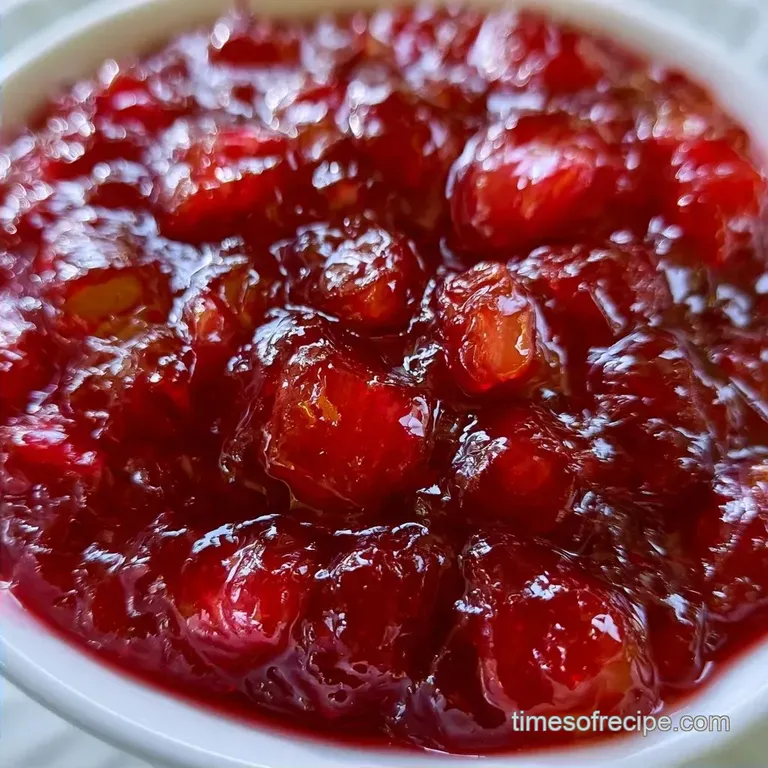
- Time: 10 min active + 30 min cook
- Flavor/Texture Hook: Tangy and wobbly
- Perfect for: Brunch gatherings or handmade gifts
- Rhubarb Jam: A Tangy Spring Treat
- Why It Works So Well
- Why These Ingredients Work
- Needed Ingredients and Swaps
- Essential Tools for Jamming
- Simple Step-by-Step Guide
- Solving Common Jam Issues
- Creative Flavor Twists
- Adjusting Your Batch Size
- Jam Myths Debunked
- Storage and Waste Tips
- Serving Your Jam
- Recipe FAQs
- 📝 Recipe Card
Rhubarb Jam: A Tangy Spring Treat
Ever wondered why a vegetable that looks like a neon pink stalk tastes like a tart summer dream? There is something almost magical about the way rhubarb transforms under heat, turning from a fibrous plant into a glowing, translucent preserve.
I remember the first time I tried this in my own kitchen. I was mesmerized by the color, which shifted from a matte pink to a brilliant, glowing crimson as the sugar dissolved. It felt less like cooking and more like a colorful science experiment.
You can expect a preserve that is bright, slightly wobbly, and deeply refreshing. This Rhubarb Jam brings a sophisticated edge to a simple breakfast, making every piece of toast feel like a special occasion.
Why It Works So Well
- Sugar Maceration: Letting the rhubarb sit in sugar for 10 minutes pulls out the natural moisture, which helps the fruit break down faster.
- Lemon Pectin: The combination of lemon juice and the natural pectin in the stalks creates a stable set.
- Seed Infusion: Using whole lemon seeds in cheesecloth adds a subtle, traditional depth and extra natural pectin.
The chemistry of this Rhubarb Jam relies on the acid sugar balance to create a stable gel. This happens when the heat concentrates the sugars and activates the pectin.
| Ingredient Source | Texture | Color | Best For |
|---|---|---|---|
| Fresh Rhubarb | Firm, chunky | Vibrant pink | Traditional preserves |
| Frozen Rhubarb | Softer, smoother | Deeper red | Quick set batches |
Why These Ingredients Work
The magic of this recipe comes from a few key components that work together to create a stable, wobbly preserve.
| Ingredient | What It Does | Best Swap |
|---|---|---|
| Rhubarb | Provides the body and tartness | Frozen rhubarb (thawed) |
| Cane Sugar | Preserves the fruit and adds sweetness | Honey (reduces set) |
| Lemon Juice | Lowers pH to help the jam set | Lime juice |
Needed Ingredients and Swaps
Gather your ingredients before you start the heat. For this Rhubarb Jam, the quality of the stalks makes a huge difference, so pick the firmest ones you can find.
- 2 lbs fresh rhubarb, chopped into 1/2 inch pieces Why this? Provides the essential structure and tartness
- 1.5 cups cane sugar Why this? Balances acid and ensures a long shelf life
- 1/4 cup fresh lemon juice Why this? Essential for the pectin to bond
- 1 tbsp lemon zest Why this? Adds a bright, aromatic top note
- 1 tsp whole lemon seeds Why this? Traditional source of natural pectin
Between the prep and the cooking, make sure your sugar is granulated rather than powdered to get the right crystal melt.
| Original Ingredient | Substitute | Why It Works |
|---|---|---|
| Cane Sugar | Maple Syrup | Adds earthy notes. Note: Jam will be thinner |
| Fresh Lemon | Bottled Lemon Juice | Same acidity. Note: Lacks the aromatic oils of fresh |
| Fresh Rhubarb | Frozen Rhubarb | Similar flavor. Note: Higher water content |
Essential Tools for Jamming
You will need a heavy bottomed pot to prevent the sugar from scorching. A stainless steel pot is best because it doesn't react with the lemon acid.
I also suggest using a small piece of cheesecloth for the lemon seeds. If you don't have any, a clean piece of muslin or a very fine tea strainer will work. A chilled plate in the freezer is non negotiable for checking the set.
Simple step-by-step Guide
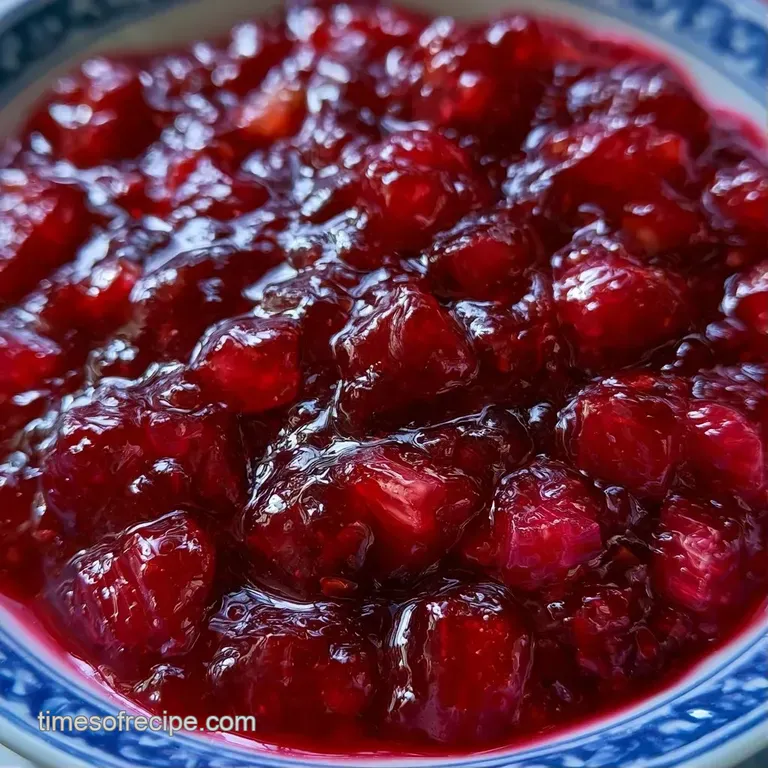
Follow these steps to ensure your Rhubarb Jam reaches that stunning, wobbly consistency.
The Prep Phase
Wash the rhubarb thoroughly and trim the ends. Dice the stalks into uniform 1/2 inch pieces and place them in a pot with the cane sugar, lemon juice, and lemon zest.
The Maceration Stage
Wrap the lemon seeds in a small piece of cheesecloth, tie it securely, and add the pouch to the pot. Stir the ingredients and let the mixture sit for 10 minutes to allow the sugar to draw out the juices. Note: This prevents the fruit from burning during the initial boil.
The Reduction Process
Place the pot over medium high heat and bring to a rolling boil. Reduce heat to medium low and simmer, stirring frequently to prevent sticking, until the mixture thickens into a glossy syrup.
The Setting Point
Perform the plate test by placing a small spoonful of jam on a chilled plate for 30 seconds. If the surface wrinkles when pushed with a finger, the jam has reached the setting point. Note: This is the most reliable way to avoid runny preserves.
The Jarring Phase
Remove the cheesecloth seed pouch. Ladle the hot jam into sterilized jars, leaving 1/4 inch of headspace, and seal with lids.
Solving Common Jam Issues
When making Rhubarb Jam, the set is usually where things get tricky. Most issues come down to heat management or the natural water content of the rhubarb.
Jam is too runny
This usually happens if the jam wasn't simmered long enough to evaporate the excess water. If it's too thin after cooling, you can gently reheat it and simmer for another 5-10 minutes.
Flavor is too tart
Some rhubarb stalks are more aggressive than others. If the result is too sharp, a tiny pinch of salt can neutralize the acid, or you can stir in a tablespoon of honey after it cools.
Texture is too chunky
This occurs when the rhubarb is diced too large or not macerated long enough. For a more uniform feel, you can pulse the finished jam briefly with an immersion blender.
| Problem | Root Cause | Solution |
|---|---|---|
| Jam won't set | Not enough acid or undercooked | Add 1 tsp lemon juice and simmer more |
| Burnt bottom | Heat too high / not stirred | Use a heavier pot and stir more often |
| Dull color | Overcooking the fruit | Remove from heat the moment it wrinkles |
Creative Flavor Twists
Once you have the base down, you can play with the aromatics. Rhubarb is a versatile partner that loves both spice and cream.
Vanilla Bean Twist
Scrape the seeds of one vanilla bean into the pot during the simmering stage. It adds a silky, creamy undertone that softens the tartness.
Ginger Zest Infusion
Add one teaspoon of freshly grated ginger. The heat of the ginger cuts through the sugar and adds a modern, zesty kick.
Low Sugar Swap
Replace half the cane sugar with a monk fruit sweetener. Just keep in mind that the jam will be slightly less glossy and may take longer to set.
Orange Citrus Blend
Use half lemon juice and half orange juice. The orange adds a floral sweetness that makes the preserves feel like a sunshine filled morning.
Adjusting Your Batch Size
If you have a small garden harvest, you can easily halve the recipe. Use a smaller saucepan to ensure the liquid doesn't evaporate too quickly, as a wide pot can dry out a small batch in minutes.
For larger quantities, I recommend working in batches. If you try to cook 10 lbs of fruit at once, the bottom will burn before the top even softens. If you need a smaller, faster version, my glossy rhubarb jam is a great alternative.
Jam Myths Debunked
Many people believe you need store-bought pectin to get a set. That is not true for this Rhubarb Jam. The natural pectin in the stalks and the seeds provides everything you need.
Another common myth is that you can use the leaves for flavor. Never do this. Rhubarb leaves contain oxalic acid, which is toxic to humans and pets. Always trim them off completely.
Storage and Waste Tips
Store your jars in the fridge for up to 3 weeks. For longer storage, this recipe is great for the freezer. If you prefer a non cooked version, check out my rhubarb freezer jam for a fresh, raw taste.
To avoid waste, don't throw away the rhubarb trimmings. You can simmer the small end pieces with sugar and water to make a simple syrup for cocktails or sparkling water.
Serving Your Jam
The best way to enjoy this Rhubarb Jam is on a warm, buttery scone with a dollop of clotted cream. The heat of the scone makes the jam slightly runny, creating a stunning, vibrant sauce.
It also works beautifully as a swirl in plain Greek yogurt or spread over a slice of toasted brioche. For a more elegant touch, serve a small spoonful over a slice of sharp cheddar cheese.
Whether you're hosting a spring brunch or just treating yourself on a Tuesday, this Rhubarb Jam brings a bit of garden magic to the table.
Recipe FAQs
Does rhubarb need pectin for jam?
No, it is not required. Rhubarb sets naturally when simmered with cane sugar and lemon juice until it reaches the setting point.
Does rhubarb need to be peeled for jam?
No, leave the skin on. The skin is completely edible and helps the jam maintain a better structure during the boiling process.
How to make easy rhubarb jam?
Dice stalks into 1/2 inch pieces and macerate with sugar and lemon. Simmer the mixture over medium low heat until it passes the chilled plate test.
Is it true that you must use commercial pectin to get a thick consistency?
No, this is a common misconception. A slow simmer and the natural reaction between the fruit and acid create a glossy, thick syrup without additives.
How to make rhubarb taste good?
Balance the tartness with cane sugar and lemon zest. Letting the chopped stalks sit with the sugar for 10 minutes before cooking helps mellow the sharp acidity.
What goes well with rhubarb jam?
Fresh scones, Greek yogurt, or vanilla ice cream. The tangy profile of the jam cuts through rich, creamy, or buttery bases perfectly.
Can I add other fruits to this recipe?
Yes, berries are a classic pairing. If you enjoy this tart flavor, try combining it with strawberries in a strawberry rhubarb jam.
Homemade Rhubarb Jam