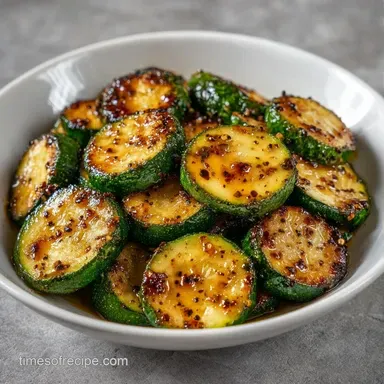
Salt Pepper Zucchini: Mahogany Brown Crust
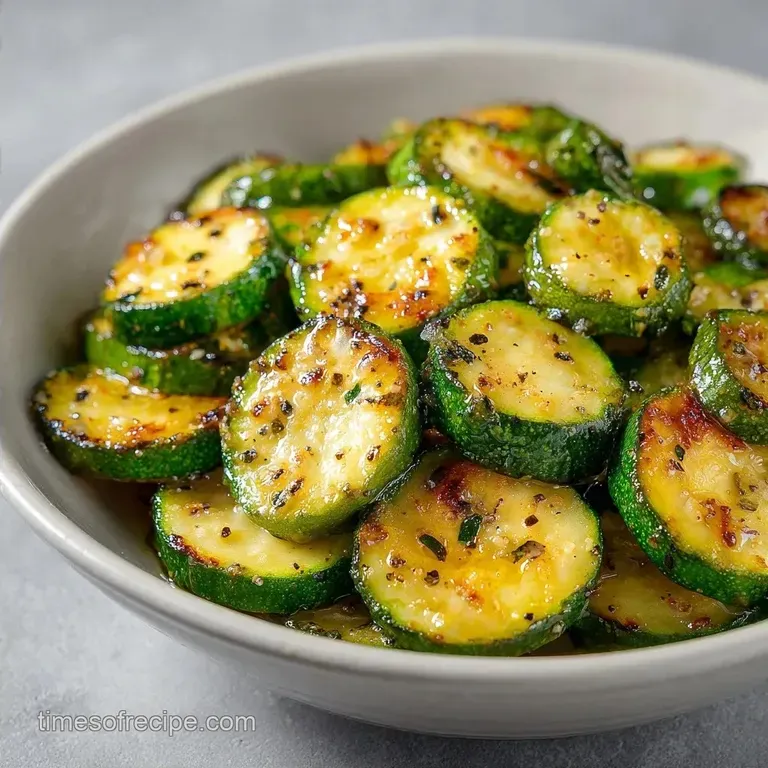
- Time: 10 min active + 10 min cook
- Flavor/Texture Hook: Sizzling, mahogany brown edges with a tender center
- Perfect for: Busy weeknight sides or low carb meal prep
- Salt Pepper Zucchini: The No Mush Method
- Ending The Soggy Struggle
- Why This Method Works
- Ingredient Analysis
- Ingredients and Swaps
- Required Kitchen Tools
- The Searing Process
- Fixing Common Issues
- Simple Flavor Twists
- Adjusting the Batch
- Freshness and Storage
- Best Pairing Ideas
- Recipe FAQs
- 📝 Recipe Card
Salt Pepper Zucchini: The No Mush Method
That sharp hiss when the slices hit the hot oil is the sound of success. I remember trying to make a simple side dish for a dinner party years ago, and I ended up with a pan of grey, watery mush.
I had followed the "common wisdom" of salting the zucchini first to draw out moisture, but I ended up overcooking them in a pool of liquid. It was a disaster.
The trick is actually in the timing of the seasoning. By waiting until the very end to add the salt, you keep the water inside the vegetable cells until the heat has already sealed the exterior. This is how you get that charred, caramelized look without the interior turning into baby food.
This approach is inspired by the Italian "zucchine in padella" tradition, where the focus is on the freshness of the produce and the heat of the pan. We aren't trying to hide the flavor with heavy creams or cheeses. We are letting the natural sweetness of the zucchini shine through a simple, over high heat sear.
Ending The Soggy Struggle
Most people treat zucchini like a sponge, but it's actually more like a water balloon. When you apply salt too early, the salt pulls water out through osmosis, which then boils the vegetable in the pan. You can't get a sear if your food is boiling.
By using a high smoke point oil and a heavy pan, we create a barrier. The heat evaporates the surface moisture almost instantly, allowing the sugars to brown. This creates a structural "shell" that keeps the inside tender but not collapsed.
The budget smart part of this is the oil blend. You don't need expensive clarified butter. A mix of extra virgin olive oil for flavor and a touch of avocado oil for heat stability does the job perfectly.
Method Comparison: Stovetop vs Oven
| Feature | Stovetop Sear | oven roasted |
|---|---|---|
| Time | 10 mins | 20-30 mins |
| Texture | Crispy edges, tender core | Soft, shrunken, concentrated |
| Best For | Quick sides, fresh taste | Large batches, meal prep |
Why This Method Works
Maillard Reaction: High heat transforms amino acids and sugars into a brown crust, creating a savory, toasted flavor.
Osmotic Delay: Adding salt after cooking prevents the vegetable from releasing its internal water into the pan.
Thermal Mass: Using a cast iron skillet maintains a steady temperature, so the pan doesn't cool down when the cold zucchini hits it.
Lipid Blend: Combining oils allows for a higher searing temperature than olive oil alone could handle.
Ingredient Analysis
| Ingredient | Science Role | Pro Secret |
|---|---|---|
| Zucchini | Primary structure | Slice to exactly 1/4 inch for even cooking |
| Olive Oil | Flavor carrier | Use a decent EVOO for that peppery finish |
| Avocado Oil | Heat stability | Prevents the oil from smoking and tasting bitter |
| Kosher Salt | Flavor enhancer | Large grains distribute more evenly than table salt |
Ingredients and Swaps
- 2 medium zucchini (approx. 1 lb / 450g), sliced into 1/4 inch rounds Why this? Uniform thickness ensures every slice browns at the same rate
- 1 tbsp extra virgin olive oil Why this? Provides the classic Mediterranean aromatic base
- 1 tsp avocado oil Why this? High smoke point prevents burning at medium high heat
- 1/2 tsp kosher salt Why this? Pure flavor without the metallic tang of iodized salt
- 1/4 tsp freshly cracked black pepper Why this? Fresh pepper has volatile oils that pre ground pepper lacks
Substitution Guide
| Original Ingredient | Substitute | Why It Works |
|---|---|---|
| Zucchini | Yellow Squash | Virtually identical water content. Note: Slightly milder flavor |
| Avocado Oil | Grapeseed Oil | High smoke point. Note: Very neutral taste |
| Kosher Salt | Sea Salt | Similar crystal structure. Note: May be saltier by volume |
Required Kitchen Tools
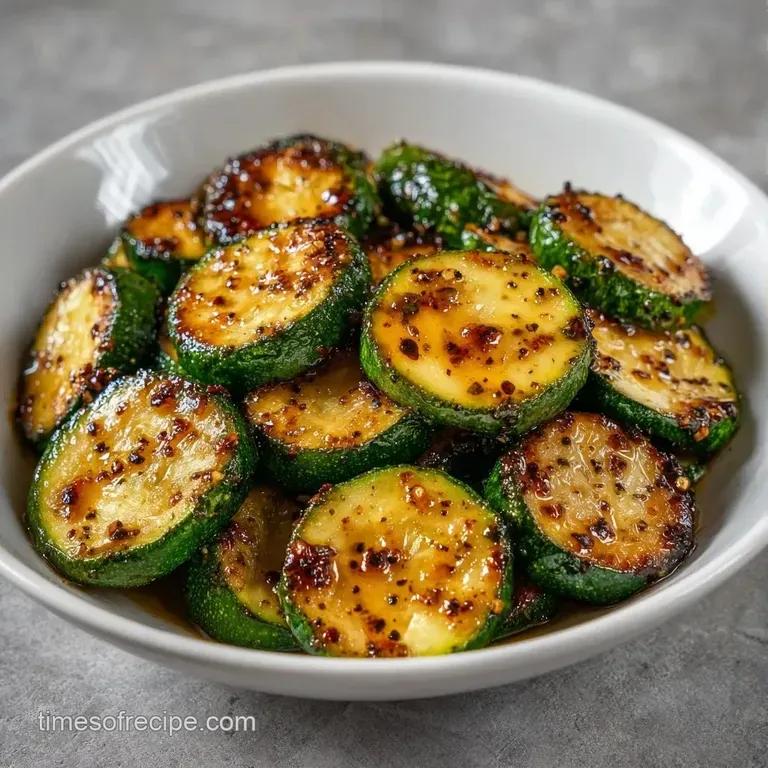
For this recipe, a 12 inch cast iron skillet is the gold standard. If you don't have one, a heavy bottomed stainless steel pan works, but avoid non stick. Non stick pans often can't handle the high heat needed for a true sear without damaging the coating.
You'll also need a sharp chef's knife to get those rounds uniform. If some are thin and some are thick, the thin ones will burn before the thick ones are cooked. A simple spatula for flipping is all else you need.
The Searing Process
Phase 1: The Precision Prep
Wash and dry the zucchini thoroughly, then slice into uniform 1/4 inch rounds. Note: Wet zucchini will steam instead of sear.
Phase 2: The over High heat Sear
Heat the olive oil and avocado oil in a 12 inch cast iron skillet or heavy bottomed stainless steel pan over medium high heat until the oil shimmers.
Arrange the zucchini slices in a single layer in the pan, ensuring they have breathing room. Note: Overcrowding the pan drops the temperature and causes sogginess.
Let the zucchini sit undisturbed for 3-4 minutes until the bottoms are mahogany colored.
Flip the slices and sear the other side for an additional 3 minutes until golden and slightly charred.
Phase 3: The Finishing Touch
Remove the pan from the heat immediately.
Sprinkle with salt and pepper, then stir gently to coat using the residual heat.
Chef Tip: I always use a paper towel to pat the zucchini slices bone dry after slicing. Even a little bit of surface water can stop the Maillard reaction, which is the science behind that brown crust according to Serious Eats.
Fixing Common Issues
Why Your Zucchini Releases Water
If you see a pool of liquid, you likely overcrowded the pan. When the slices touch, they trap steam between them. This steam prevents the surface from browning and forces the internal moisture out.
Why Edges Burn but Middle Stays Raw
This happens when your heat is too high or your slices are uneven. The edges dry out and char while the center hasn't reached the temperature needed to soften.
Quick Fix Table
| Problem | Root Cause | Solution |
|---|---|---|
| Mushy texture | Overcrowded pan | Cook in two batches |
| Grey color | Heat too low | Wait for oil to shimmer before adding |
| Burnt taste | Oil smoke point | Use avocado oil for higher heat |
Mistake Checklist
- ✓ Did you pat the slices dry?
- ✓ Is there space between each slice in the pan?
- ✓ Did you wait 3-4 minutes before flipping?
- ✓ Did you add the salt after the heat was turned off?
Simple Flavor Twists
If you want to move beyond basic Salt Pepper Zucchini, you can easily pivot. For a more savory profile, try a Garlic Parmesan twist by tossing in a tablespoon of grated parmesan and a pinch of garlic powder during the final stir.
Another option is the Lemon Herb zest. A squeeze of fresh lemon juice and a pinch of dried oregano added at the end brightens the whole dish. This pairs beautifully with a protein like my Tuscan Scallops recipe.
For those who hate cleaning pans, you can try a quick salt pepper zucchini baked version. Toss the slices in oil and bake at 400°F (200°C) for 15 minutes, flipping once. It's less charred than the pan method, but it works for larger crowds.
Adjusting the Batch
Scaling Down If you're just cooking for one, use a single medium zucchini. Use a smaller 8 inch skillet to keep the oil depth consistent. Reduce the cooking time by about 20% since there is less moisture in the pan.
Scaling Up For a family dinner, don't just add more zucchini to the same pan. Work in batches. If you crowd the skillet, you'll lose the sear. Only increase the salt and pepper to 1.5x the original amount, as too much salt can draw out water even after cooking.
Baking Large Quantities If you use the oven for a 4x batch, lower the temperature to 375°F (190°C) and extend the time by 5-10 minutes. This ensures the center of the tray cooks through without the edges burning.
Freshness and Storage
Storage Guidelines Keep the cooked zucchini in an airtight container in the fridge for up to 3 days. To reheat, don't use a microwave if you can avoid it, as it will make them mushy. Instead, toss them back into a hot pan for 2 minutes.
Freezing Tips Zucchini has a very high water content, so it doesn't freeze well once cooked. It will lose its structure and become watery. I recommend only making what you can eat within 72 hours.
Zero Waste Strategy Don't throw away the zucchini ends. Chop them up and throw them into a freezer bag with other veggie scraps (onion ends, carrot peels) to make a homemade vegetable stock.
Best Pairing Ideas
This dish is a neutral, savory side that balances heavy proteins. It's great with grilled steak or roasted chicken. If you're looking for something more indulgent, it's a great contrast to Swedish Meatballs because the freshness of the vegetable cuts through the richness of the cream sauce.
For a light lunch, serve it alongside a piece of grilled halloumi or a poached egg. The charred flavor of the zucchini acts as a base for the creamy yolk. Just keep it simple, keep the heat high, and you'll never deal with soggy vegetables again.
Recipe FAQs
Is fried zucchini okay for diabetics?
Yes, it is a great option. With only 60 calories per serving and a low glycemic load, it is a blood sugar-friendly side dish.
Is it true that salting zucchini before cooking prevents it from getting mushy?
No, this is a common misconception. Salting too early pulls water out through osmosis, which causes the vegetable to boil and turn into mush in the pan.
How do you get a mahogany crust on zucchini?
Heat olive oil and avocado oil over medium high heat until shimmering. Arrange 1/4 inch slices in a single layer and let them sit undisturbed for 3-4 minutes before flipping.
Is it better to bake or sauté zucchini?
Sautéing is superior for texture. Searing in a heavy pan creates a caramelized exterior and tender center that baking rarely achieves.
What is the best way to season zucchini?
Sprinkle salt and pepper after removing the pan from the heat. Using residual heat to coat the slices prevents the zucchini from releasing moisture during the searing process.
How do you prevent zucchini from steaming in the pan?
Ensure slices have breathing room in the skillet. Overcrowding the pan traps steam and prevents the high heat sear needed for the mahogany crust.
What should I serve with this zucchini?
Pair it with a lean protein like grilled fish or poultry. If you enjoyed the searing technique here, see how the same principle works in our Turkish chicken for a complete meal.
Salt Pepper Zucchini