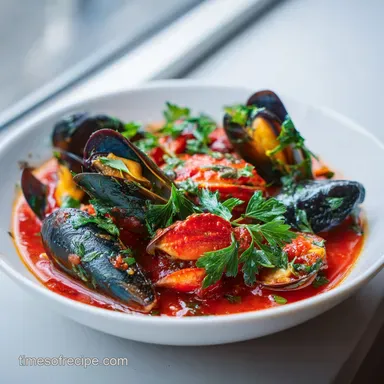
Cioppino Recipe: San Francisco Style
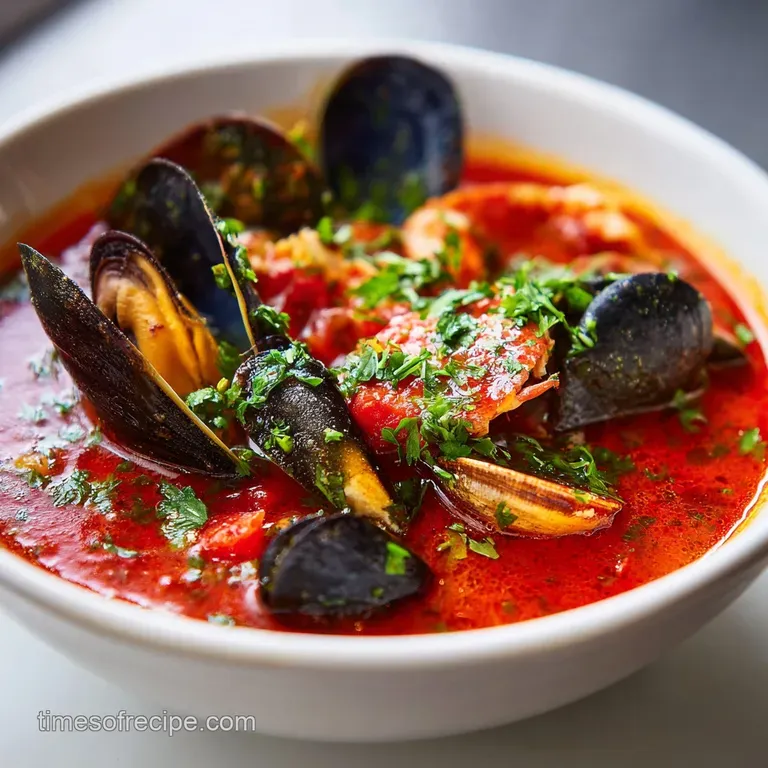
- Time:15 minutes active + 55 minutes cooking = Total 70 minutes
- Flavor/Texture Hook: Velvety tomato broth with tender, succulent seafood
- Perfect for: Cozy family gatherings or a rainy weekend dinner
- Best Authentic Cioppino Recipe for Family Dinners
- Why the Flavors Build Layers
- Breaking Down the Building Blocks
- Essential Gear for Your Stew
- From Prep to Plate
- Solving Common Cooking Problems
- Fun Ways to Swap Flavors
- Adjusting for Different Group Sizes
- Kitchen Myths Debunked
- Keeping Leftovers and Reducing Waste
- Sides That Pair Perfectly
- Recipe FAQs
- 📝 Recipe Card
The sound of a heavy pot hitting the stove and the immediate sizzle of olive oil is where the magic begins. I remember the first time I tried making this for my family during a winter storm that had us trapped inside for three days.
We had some frozen shrimp and a few clams from the market, and the house smelled like a seaside bistro in San Francisco.
There is something about a big pot of seafood that brings people together. It's not just a meal, it's an event where everyone crowds around the table with giant pieces of bread, dipping into a bowl of steaming, red broth.
You don't need to be a professional to get this right, you just need to be patient with your layers.
In this cioppino recipe, we are going to focus on building a base that tastes like it has been simmering for a whole day, even though we're doing it in under an hour. We'll cover the exact order to add your seafood so nothing overcooks, and how to get that rich, concentrated flavor that makes you want to lick the bowl.
Best Authentic Cioppino Recipe for Family Dinners
When you first look at a cioppino recipe, it can seem a bit intimidating because of the variety of seafood involved. But honestly, it's just a fancy way of saying "fisherman's stew." The goal is to create a broth that is bold and satisfying, which then acts as the perfect stage for the delicate flavors of the fish and shellfish.
For me, the secret is all in the fennel. If you've never cooked with fennel, it's a vegetable that looks like a bulbous onion but tastes like a subtle, sweet anise. When it hits the hot oil, that sharp scent mellows out into something warm and aromatic that cuts through the richness of the seafood.
It's what transforms a basic tomato soup into a genuine Italian seafood stew.
One thing I've learned the hard way is to never just throw all the seafood in at once. If you do, your shrimp will be like rubber bands by the time your clams actually open. This cioppino recipe uses a sequential approach, adding the heartiest pieces first and the quickest cooking ones last.
It's the only way to ensure a velvety texture across the board.
Why the Flavors Build Layers
Understanding how the ingredients interact helps you adjust the taste on the fly. Here is the breakdown of why this specific method works so well.
The Deglazing Effect: Using white wine to scrape up the browned bits of vegetables unlocks hidden savory notes. This process adds a bright acidity that prevents the stew from feeling too heavy.
Protein Timing: Seafood proteins denature at different temperatures and speeds. By staggering the additions, we keep the white fish flaky and the shrimp snap tender.
Aromatic Synergy: Sautéing the "mirepoix" (onion, carrot, celery) with fennel creates a complex sugar base. This sweetness balances the salty brine released by the clams and mussels.
Tomato Concentration: Cooking the tomato paste until it turns a deep brick red removes the raw, metallic taste. It adds a concentrated, nutty depth to the overall cioppino recipe.
| Method | Time | Texture | Best For |
|---|---|---|---|
| Classic Simmer | 70 mins | Velvety & Deep | Family Sunday Dinner |
| Quick Version | 40 mins | Lighter & Bright | Weeknight Meal |
| Slow Cooker | 4 hours | Very Soft | Low Effort / Prep Ahead |
Breaking Down the Building Blocks
To get this right, you have to treat each ingredient as a layer of flavor. I don't call this "science," I just call it common sense from years of making mistakes in my own kitchen.
| Ingredient | Role in the Stew | Pro Secret |
|---|---|---|
| Fennel Bulb | Aromatic Base | Slice it paper thin for it to melt into the sauce |
| White Wine | Acid/Deglazer | Use a dry wine like Pinot Grigio to avoid sweetness |
| Seafood Stock | Flavor Depth | If you have time, make homemade seafood stock for a richer taste |
| Tomato Paste | Color & Body | Fry it in oil for 2 mins before adding liquids |
Essential Gear for Your Stew
You don't need a kitchen full of gadgets, but one piece of equipment is non negotiable: a large Dutch oven. I prefer a 6 quart cast iron pot because it holds heat evenly. If you use a thin pot, you risk scorching the tomato paste or creating hot spots that overcook the fish.
A good set of tongs is also a lifesaver here. You'll need them to gently nestle the fish into the broth without breaking the chunks. If you're using a lot of shellfish, a wide slotted spoon helps you serve the bowl without spilling half the broth on the table.
For the prep, a sharp chef's knife is essential for the fennel and carrots. I like to dice everything uniformly so they all soften at the same rate. If the carrots are huge and the onions are tiny, you'll end up with some crunchy bits and some mushy bits, which ruins the flow of this cioppino recipe.
From Prep to Plate
Let's get into the actual cooking. Right then, let's crack on.
Developing the Flavor Foundation
First, we build the base. This is where all the depth comes from, so don't rush it.
- Heat 3 tbsp extra virgin olive oil in your Dutch oven over medium heat. Add the diced onion, thinly sliced fennel, diced carrots, and celery. Sauté for 6-8 minutes until the vegetables are softened and translucent. Note: Don't brown them too much, we want them sweet, not charred.
- Stir in 4 cloves of minced garlic and 2 tbsp tomato paste. Cook for another 2 minutes until the paste turns a deep brick red and smells nutty.
- Pour in 1 cup dry white wine to deglaze. Use your spoon to scrape up all those brown bits from the bottom. Let the wine reduce by half until the liquid is syrupy.
The Braising Liquid
Now we create the environment where the seafood will cook. This is the heart of any good cioppino recipe.
- Stir in 28 oz crushed tomatoes, 3 cups seafood stock, 1 tsp dried oregano, 1 tsp dried thyme, 1/2 tsp red pepper flakes, and 2 bay leaves. Bring to a gentle boil, then reduce heat to low and simmer for 20 minutes until the aroma is rich and cohesive.
The Sequential Seafood Add
This is the most critical part. We add the proteins in order of their cooking time to avoid rubbery textures.
- Gently nestle 1 lb firm white fish chunks into the broth. Simmer for 3 minutes. Note: Don't stir too vigorously or the fish will break apart.
- Add 1 lb Manila clams and 1 lb mussels. Cover the pot with a lid and steam for 4-5 minutes until the shells have just popped open.
- Stir in 1 lb shrimp and 1 lb crab legs. Cook for another 3 minutes until the shrimp are opaque and pink.
- Remove the bay leaves and stir in 1/4 cup chopped fresh parsley just before serving.
Solving Common Cooking Problems
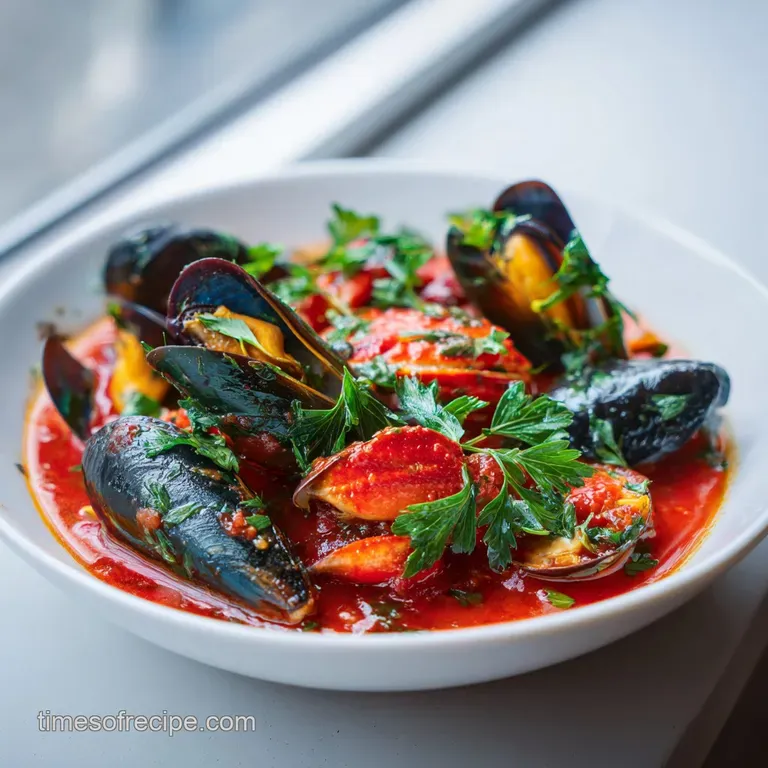
Even with a great cioppino recipe, things can go sideways. Usually, it's just a matter of timing or heat management.
Why Your Shrimp is Rubbery
This is the most common complaint. Shrimp cook incredibly fast. If you add them too early or keep the pot boiling too hard, they shrink and get a tough, bouncy texture. Always add them in the final 3 minutes of cooking.
Dealing with Unopened Shells
Sometimes a clam or mussel won't open, even after 5 minutes of steaming. Trust me on this: do not try to pry them open. If they stay closed, it means they were dead before they hit the pot and aren't safe to eat. Just toss them in the bin.
Fixing a Bland or Thin Broth
If your stew tastes "flat," it's usually a lack of salt or acidity. A squeeze of fresh lemon juice at the very end can wake up the whole pot. If it's too thin, you can simmer the broth for an extra 10 minutes before adding the seafood to reduce the water content.
| Problem | Root Cause | Solution |
|---|---|---|
| Fish falling apart | Stirring too much | Gently nestle and leave alone |
| Broth too acidic | Too many tomatoes | Add a pinch of sugar or extra butter |
| Shellfish overcooked | Lid left off too long | Keep pot covered during steaming |
Common Mistakes Checklist
- ✓ Check for sand in clams by soaking them in cold salted water first.
- ✓ Avoid using "cooking wine" which is too salty; use a bottle you'd actually drink.
- ✓ Don't skip the fennel; it's the signature flavor of an authentic cioppino recipe.
- ✓ Use firm fish like halibut or cod so the chunks stay intact.
- ✓ Remember to remove the bay leaves before serving so nobody bites into one.
Fun Ways to Swap Flavors
One of the best things about this cioppino recipe is that it's flexible. You can change the proteins based on what's fresh at the market. If you can't find Manila clams, Littlenecks are a great alternative.
If you want something even more luxurious, add some scallops in the final 3 minutes with the shrimp.
For a spicy Mediterranean twist, double the red pepper flakes and add a teaspoon of smoked paprika to the tomato paste stage. This gives the broth a deeper, almost charred flavor that feels very rustic.
If you're looking for other hearty, comforting meals to rotate into your dinner plan, you might like my homemade chili recipe, which uses a similar layering technique to build deep, savory flavors over time. While one is from the coast and the other from the heartland, they both hit that same comfort spot.
| Original Ingredient | Substitute | Why It Works |
|---|---|---|
| Manila Clams (1 lb) | Littleneck Clams (1 lb) | Similar size and briny flavor. Note: Slightly saltier |
| White Wine (1 cup) | Dry Vermouth (1 cup) | More herbal and concentrated. Note: Use slightly less |
| Firm White Fish (1 lb) | Salmon chunks (1 lb) | Richer, fattier taste. Note: Cook for 2 mins less |
| Seafood Stock (3 cups) | Clam Juice + Water | Provides essential brine. Note: Less body than full stock |
Adjusting for Different Group Sizes
When you're scaling a cioppino recipe, you can't always just multiply everything by two. The dynamics of the pot change when you add more volume.
Scaling Down (1/2 Batch): If you're just cooking for two, use a smaller 3 quart pot. I recommend reducing the simmering time for the broth by about 20% because the liquid will reduce faster in a smaller volume. For the garlic, just use 2 cloves instead of 4.
Scaling Up (2x or 3x Batch): When doubling the recipe, be careful with the salt and red pepper flakes. I usually only increase the spices by 1.5x rather than 2x, then taste and adjust at the end. If you don't have a pot large enough to hold all the seafood without crowding, work in batches.
Sear the fish and shellfish in a separate pan and add them to the pot at the end. This prevents the seafood from steaming instead of simmering, which keeps the textures much better.
Kitchen Myths Debunked
There are a few things people tell you about seafood stews that just aren't true.
First, some people claim you must use the most expensive, fresh caught seafood for this to work. Honestly, frozen shrimp and scallops are often flash frozen at sea and are actually fresher than the "fresh" stuff sitting in a display case for two days. Just thaw them slowly in the fridge.
Another myth is that you need to sear the fish first to "seal in the juices." This is a total lie. Searing adds flavor, but it doesn't seal anything. In a cioppino recipe, poaching the fish directly in the broth keeps it much more tender and silky.
Finally,, don't believe that you need a professional seafood stock to make this taste authentic. While a homemade stock is great, a high-quality store-bought seafood base mixed with water works perfectly fine as long as you have the fennel and wine to build the top notes.
Keeping Leftovers and Reducing Waste
This is a heavy dish, and you might have some left over. Store the leftover cioppino recipe in an airtight container in the fridge for up to 2 days. When reheating, do it gently on the stove over low heat. Don't let it boil, or the seafood will turn into rubber.
For freezing, I only recommend freezing the broth. The fish and shellfish don't freeze well once cooked and will lose their texture. Strain the seafood out, freeze the tomato fennel broth in portions, and then just add fresh seafood when you're ready to eat it again.
To reduce waste, save your seafood shells. If you buy whole shrimp or crab, roast the shells in the oven for 10 minutes and simmer them with a carrot and an onion to make your own stock. It's a great way to get the most out of your ingredients and ensures nothing goes to waste.
Sides That Pair Perfectly
A cioppino recipe is practically incomplete without a mountain of bread. I always serve this with a toasted sourdough baguette rubbed with a raw garlic clove. The crunch of the toast provides a great contrast to the velvety seafood.
If you want to keep it light, a simple arugula salad with lemon vinaigrette works wonders. The peppery greens and the acid from the lemon cut through the richness of the tomato and seafood, refreshing your palate between bites.
And for those who have a sweet tooth after a salty feast, I love serving something cozy and warm. While it's a totally different vibe, my sourdough discard cinnamon bread makes for a wonderful, comforting dessert that rounds out a big family dinner.
Whether you're making this for a special occasion or just a rainy Tuesday, the key is to enjoy the process. Let the smells fill your kitchen, take your time with the fennel, and don't be afraid to add a bit more garlic if you're feeling bold.
This cioppino recipe is all about warmth and connection. It's the kind of meal that encourages people to linger at the table and talk for hours. Just keep the bread coming, and you've got yourself a perfect evening.
I hope this version becomes a staple in your home. Trust the timing, respect the seafood, and enjoy every single spoonful of that rich, briny broth. Let me know how yours turns out!
Recipe FAQs
What is the secret to good cioppino?
Layering the flavors and staggering the seafood. Start by sautéing the aromatics and reducing the wine to build depth, then add seafood in order of cook time so nothing overcooks. If you enjoyed this method of building a rich base, see how we use similar depth building in our homemade spaghetti sauce.
What is Italian cioppino?
An Italian American seafood stew born in San Francisco. While it uses Italian ingredients like fennel and tomato, it was created by Italian immigrants using the fresh catch of the California coast.
What's the difference between bouillabaisse and cioppino?
The base and origin. Bouillabaisse is a French Provençal stew often featuring saffron and a lighter broth, whereas cioppino is a tomato based American Italian stew.
What is lazy cioppino?
A simplified version using pre-mixed seafood cocktails or frozen medleys. It skips the individual prep of scrubbing clams and deveining shrimp to save time.
How to prevent the seafood from becoming rubbery?
Add seafood in staggered stages. Nestle the fish first for 3 minutes, then steam the clams and mussels for 4-5 minutes, and finish with shrimp and crab for the final 3 minutes.
Is it true that cioppino must be simmered for several hours to taste authentic?
No, this is a common misconception. By reducing the white wine and simmering the tomato stock base for 20 minutes, you achieve a concentrated flavor in under an hour.
How to store and reheat leftover cioppino?
Chill in an airtight container for up to two days. Reheat gently on the stove over low heat just until warmed through to avoid overcooking the seafood.
San Francisco Cioppino Recipe